Trauma Awareness in India
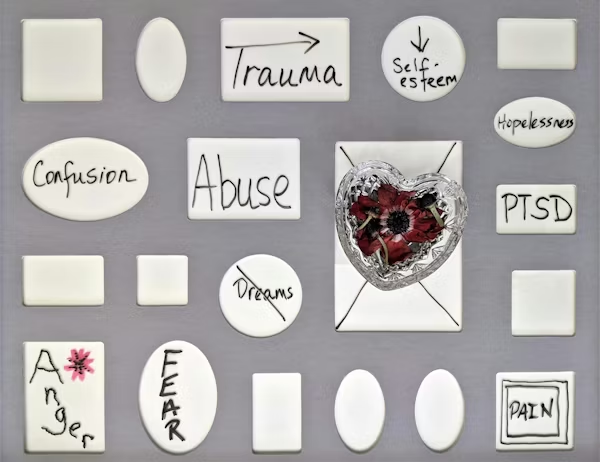
Trauma Awareness in India Trauma awareness in India is gradually increasing, yet many individuals continue to live with unrecognised and unaddressed traumatic experiences. Conversations around trauma therapy India, PTSD India, and trauma signs are becoming more visible as people begin to understand how deeply trauma can affect mental, emotional, and physical well-being. Trauma is not limited to extreme events; it can arise from accidents, abuse, medical experiences, loss, neglect, violence, or prolonged emotional stress. In India, trauma is often minimised, spiritualised, or pushed aside in favour of resilience narratives. However, unresolved trauma does not disappear, it shows up through anxiety, emotional numbness, relationship difficulties, and physical symptoms. Building trauma awareness is the first step toward healing and seeking appropriate support. What Is Psychological Trauma? Psychological trauma occurs when an individual experiences an event or series of events that overwhelm their ability to cope, leaving lasting emotional and physiological effects. According to the Wikipedia page on psychological trauma, trauma can disrupt memory, emotional regulation, and the nervous system’s sense of safety: https://en.wikipedia.org/wiki/Psychological_trauma. Trauma responses are highly individual what feels traumatic to one person may not feel the same to another. The key factor is how the experience is processed by the nervous system. Why Trauma Often Goes Unrecognised in India 1. Cultural Normalisation of Suffering Emotional pain is frequently dismissed with phrases like “be strong” or “move on,” discouraging people from acknowledging trauma. 2. Limited Mental Health Literacy Many people associate trauma only with extreme violence or war, overlooking everyday traumatic experiences such as emotional abuse, neglect, or chronic stress. 3. Stigma and Silence Fear of judgment, shame, or family repercussions prevents open conversations about trauma, especially when it involves abuse or family dynamics. 4. Focus on Physical Symptoms Trauma often manifests as headaches, fatigue, digestive issues, or sleep problems, leading individuals to seek medical help without addressing emotional roots. Common Trauma Signs and Symptoms Trauma signs may include intrusive memories, nightmares, hypervigilance, emotional numbness, irritability, difficulty trusting others, and avoidance of reminders. Some individuals experience dissociation or feel disconnected from their bodies and emotions. When left untreated, these symptoms can persist for years and significantly impact quality of life. PsyQuench offers support, helping you cope with the intrusive memories. Understanding PTSD in the Indian Context Post-Traumatic Stress Disorder (PTSD) is a condition that can develop after exposure to trauma. The Wikipedia page on PTSD explains how symptoms include re-experiencing, avoidance, negative mood changes, and heightened arousal: https://en.wikipedia.org/wiki/Post-traumatic_stress_disorder. In India, PTSD is often underdiagnosed, especially among survivors of accidents, violence, disasters, or long-term abuse. Many individuals continue functioning while silently struggling. Impact of Trauma on Daily Life and Relationships Unresolved trauma affects emotional regulation, self-worth, and relationships. Individuals may struggle with intimacy, boundaries, anger, or withdrawal. Trauma can also influence parenting patterns, work performance, and physical health. Recognising these patterns as trauma responses, not personal flaws, is a crucial step toward healing. Understanding Trauma Through Video This YouTube video explains how trauma affects the brain and body and why therapy plays a vital role in recovery: https://www.youtube.com/watch?v=95ovIJ3dsNk. It helps normalise trauma responses and emphasises that healing is possible with the right support. Why Trauma Therapy Is Essential 1. Nervous System Regulation Trauma therapy helps calm the nervous system and restore a sense of safety in the body. 2. Processing Traumatic Memories Therapy supports safe processing of traumatic experiences without re-traumatisation. 3. Reducing Trauma Symptoms Evidence-based approaches reduce flashbacks, anxiety, emotional numbness, and hypervigilance. 4. Rebuilding Identity and Control Therapy helps individuals reconnect with themselves, rebuild trust, and regain agency. PsyQuench offers trauma-informed therapy and psychological support for individuals seeking healing from past and ongoing traumatic experiences. Other Online Trauma Therapy Platforms in India Alongside PsyQuench, platforms such as BetterLYF (https://www.betterlyf.com), Amaha (https://www.amahahealth.com), MindPeers (https://www.mindpeers.co), Manochikitsa (https://manochikitsa.com), and YourDOST (https://yourdost.com) offer mental health and trauma-informed counselling services in India. Summary Trauma in India often goes unrecognised or unspoken, as emotional pain is frequently minimised, normalised, or suppressed. Trauma can result from a wide range of experiences, including accidents, abuse, loss, medical events, violence, or prolonged emotional stress, and it affects the mind and body long after the event has passed. Unresolved trauma may show up as anxiety, emotional numbness, hypervigilance, relationship difficulties, or physical symptoms. Building trauma awareness helps individuals understand that these reactions are natural responses, not personal weaknesses. Trauma-informed therapy plays a crucial role in helping individuals process experiences safely, regulate the nervous system, and move toward healing and emotional resilience. Conclusion Trauma awareness in India is essential for breaking cycles of silent suffering and emotional distress. Trauma is not a weakness—it is a natural response to overwhelming experiences. With awareness, compassion, and professional trauma therapy, healing is possible at any stage of life. Seeking help is a powerful act of self-care and courage. Start your healing journey today. Frequently Asked Questions (FAQs) 1. What are common signs of trauma? Common trauma signs include intrusive memories, emotional numbness, hypervigilance, avoidance, sleep problems, and difficulty trusting others. These symptoms may appear immediately or years after the traumatic experience. 2. Is trauma therapy effective? Yes, trauma therapy is highly effective when delivered using evidence-based, trauma-informed approaches. It helps regulate the nervous system, process experiences safely, and reduce long-term distress. 3. How is PTSD different from general trauma? PTSD is a diagnosable condition with specific symptom criteria, while trauma responses can exist without meeting PTSD criteria. Both benefit from trauma-informed therapeutic support. 4. Can childhood experiences cause trauma? Yes, childhood neglect, emotional abuse, or unstable environments can create lasting trauma that affects adult relationships and self-worth. PsyQuench offers practitioner courses in Trauma Informed Therapy, allowing you to enhance your skillset. 5. When should someone seek trauma therapy? If distressing symptoms persist, interfere with daily life, or affect relationships, seeking trauma therapy is strongly recommended. Online therapy can be a great way to start therapy, especially in cases where there is reluctance. 6. Does talking about trauma make it worse? When done safely with a trained therapist, discussing trauma does not make it
Grief Is Not Just About Death: Understanding Hidden Losses

Grief Is Not Just About Death: Understanding Hidden Losses Grief comes in many forms; explore therapy options for hidden losses in life. Introduction When most people think of grief, they immediately associate it with the death of a loved one. While bereavement is indeed one of the most profound and painful forms of grief, it is not the only one. In India, where family, community, and career carry immense cultural value, losses related to relationships, health, career, migration, and even identity can evoke grief just as deeply. Yet, these experiences are often dismissed or minimized as “not real grief,” leaving individuals to silently struggle. This blog explores the many faces of grief, why it extends beyond death, and how grief counselling in India can support individuals navigating hidden losses. We’ll also highlight city-specific insights and therapy options available, so you can understand both the universality and cultural nuances of grief. What Is Grief? Grief is the natural emotional response to loss. It involves a complex interplay of emotions such as sadness, anger, guilt, confusion, and sometimes even relief. Importantly, grief is not just about losing someone to death, it is about losing something meaningful, whether that’s a relationship, a sense of stability, or even an unfulfilled dream. In Indian society, while death rituals like the antim sanskar (final rites) provide communal acknowledgment of grief, hidden losses are rarely given such validation. Without recognition, these types of grief can remain unresolved, intensifying emotional pain over time. Types of Hidden Losses That Cause Grief 1. Relationship Breakdowns Divorce, breakups, or estrangement from family can cause grief similar to bereavement. In cities like Delhi and Mumbai, where nuclear families and independent living are more common, individuals often face the emotional fallout of relationship breakdowns alone. 2. Career and Academic Setbacks Losing a job, failing an exam, or not securing admission to a desired university is deeply tied to identity in India. Students in Bangalore or Pune pursuing psychology or engineering often experience hidden grief when academic goals are disrupted. 3. Migration and Cultural Loss Many Indians who move abroad for work or education grieve the loss of cultural familiarity, family connections, and daily rituals. Similarly, moving from small towns to metros like Hyderabad or Chennai creates a sense of cultural dislocation. 4. Health-Related Loss Chronic illness, disability, or infertility can bring grief over the loss of health, independence, or life plans. Yet, these struggles are often minimized with phrases like “at least you’re alive” or “don’t worry, be positive.” 5. Identity and Role Loss Retirement, empty-nest syndrome, or shifts in self-identity (such as gender or sexual orientation) can trigger profound grief. In India’s traditional settings, such changes may not be fully acknowledged, leaving people to mourn silently. Why Hidden Grief Hurts More Unlike bereavement, where rituals and social support are provided, hidden grief is often disenfranchised—meaning society does not recognize it as “valid.” This lack of acknowledgment intensifies emotional pain because: This makes therapy for grief and loss especially vital, as it creates a safe space to validate and process these emotions. For an external perspective, the American Psychological Association (APA) resource on grief provides a deeper understanding of how grief manifests across contexts. How Grief Counselling in India Helps Grief counselling provides structured support to navigate hidden losses. A trained therapist helps clients: In cities like Mumbai, professionals often seek grief counselling to cope with work-related losses, while in Kolkata, family therapists support individuals struggling with relationship or cultural grief. If you are navigating hidden grief, PsyQuench’s counselling services provide safe, affordable, and accessible therapy with trained professionals. City-Specific Insights: Where People Seek Grief Support These examples highlight how hidden grief takes on unique forms depending on the local culture and lifestyle. Explore PsyQuench’s grief therapy programs and short-term psychology courses to build skills in helping others through loss. Summary Grief is not limited to death. Hidden losses like career setbacks, health challenges, migration, or broken relationships can trigger equally profound emotions. However, these experiences often go unacknowledged in Indian society, making therapy essential for healing. City-specific challenges, from Delhi’s academic stress to Mumbai’s career struggles—show the widespread relevance of grief counselling. Learn more about PsyQuench’s counselling services in India designed for different kinds of grief, including hidden and disenfranchised losses. Conclusion Grief is a deeply personal experience that deserves validation, regardless of its source. Hidden losses are often invisible but can weigh heavily on mental and emotional well-being. Counselling provides a safe space to recognize, process, and eventually heal from these experiences. In India, where therapy is becoming more accessible both online and in-person, it’s possible to find compassionate support tailored to your needs. If you or someone you know is silently struggling with grief, reaching out for professional help can make all the difference. Begin your journey with PsyQuench counselling and reclaim emotional strength. FAQs 1. Is grief counselling only for people who have lost someone to death?No, grief counselling also helps with hidden losses such as divorce, job loss, or health-related issues. 2. How long does grief therapy take in India?The duration varies, some people may benefit from a few sessions, while others may need long-term support depending on the intensity of the loss. 3. Is online grief counselling effective in India?Yes. Online therapy platforms, including PsyQuench, provide accessible and effective grief counselling across different Indian cities. 4. Can grief affect physical health?Yes. Suppressed grief can lead to fatigue, headaches, sleep disturbances, and even weakened immunity. 5. How do I know if I need grief counselling?If your feelings of loss interfere with daily functioning, persist for a long time, or leave you feeling isolated, therapy can be a helpful step.