Anxiety or Just Overthinking? Know the Difference

Anxiety or Just Overthinking? Know the Difference Is it anxiety or just overthinking? Learn the difference and when to seek therapy in India. Introduction In today’s fast-paced world, many of us experience racing thoughts, constant worry, or sleepless nights. But here’s the question: are we simply overthinking, or are we dealing with anxiety? While overthinking and anxiety often overlap, they are not the same. Understanding the difference is critical because it helps determine when professional support, such as anxiety counselling in India, becomes necessary. This article breaks down the difference between overthinking and anxiety, explains why so many professionals, students, and homemakers in India experience them, and provides clear guidance on when and how to seek therapy. Overthinking: A Common Habit Overthinking refers to excessively analyzing, replaying, or worrying about events – past, present, or future. It is not always pathological but can become draining over time. Signs of Overthinking In cities like Mumbai and Bangalore, young professionals often report overthinking about career moves, promotions, or office politics. For students in Delhi or Pune, overthinking often revolves around exams, friendships, and future goals. Why People Overthink While uncomfortable, overthinking is typically a habit of thought rather than a full mental health condition. Anxiety: More Than Just Thoughts Unlike overthinking, anxiety is a diagnosable condition that goes beyond mental rumination. It involves both emotional and physical symptoms that interfere with daily life. Signs of Anxiety For instance, a corporate employee in Gurgaon may begin avoiding presentations out of fear of judgment, while a homemaker in Chennai might feel physical panic symptoms before guests arrive. Types of Anxiety Disorders Overthinking vs Anxiety: The Key Differences Feature Overthinking Anxiety Nature Habitual mental process Mental health condition Physical symptoms Rare Common (palpitations, sweating, chest tightness) Control Can sometimes pause or redirect thoughts Feels uncontrollable Impact on life Time-consuming, stressful Severe impairment in work, relationships, health Professional help Not always needed Strongly recommended In short: All anxiety involves overthinking, but not all overthinking is anxiety. Why Indians Struggle with Both Several cultural and societal factors make overthinking and anxiety especially common in India: When to Seek Help You should consider reaching out to a therapist or counsellor if: Professional counselling provides structured techniques such as CBT (Cognitive Behavioural Therapy), mindfulness training, and lifestyle strategies that help you break the cycle of both overthinking and anxiety. How Therapy Helps with Overthinking and Anxiety 1. Identifying Thought Patterns Therapists help you distinguish between helpful and unhelpful thoughts, giving you tools to challenge irrational worries. 2. Cognitive Behavioural Therapy (CBT) One of the most effective approaches for anxiety counselling in India, CBT focuses on restructuring negative thought cycles and teaching coping strategies. 3. Relaxation and Mindfulness Techniques Guided meditation, grounding exercises, and deep-breathing practices are integrated into therapy to calm the mind. 4. Building Coping Skills Therapists assist clients in handling real-life stressors such as workplace deadlines, exam fear, or social expectations. 5. Normalising Mental Health Care Therapy breaks stigma, showing that seeking help is as natural as consulting a doctor for physical health. Therapy in Indian Cities These localised needs highlight why overthinking therapy in India must be culturally relevant and city-specific. PsyQuench also provides multiple courses to help you work with clients, who come in with anxiety. Self-Help Tips Before Therapy While therapy is most effective, here are strategies to manage overthinking and anxiety at home: These techniques are especially helpful for students and professionals waiting to begin therapy. Summary Overthinking is a mental habit of going in circles, while anxiety is a mental health condition with both psychological and physical symptoms. Although they overlap, anxiety requires professional counselling support. In India, cultural pressures, academic stress, and urban lifestyles make both struggles common. Therapy, whether through CBT, mindfulness, or supportive counselling — provides a proven way to break the cycle and regain peace of mind. Conclusion If you’ve ever wondered, “Is this just overthinking, or do I have anxiety?” — you are not alone. Many in India face this very dilemma. The important step is not labelling yourself, but recognising when your thoughts and worries are interfering with life. Seeking anxiety counselling in India is a proactive way to improve your mental health. PsyQuench offers accessible courses, therapy, and counselling services to guide you. Whether you are a student struggling with exam stress in Delhi or a professional facing workplace anxiety in Bangalore, support is available. Next Step: Find clarity — Talk to a PsyQuench counsellor today. FAQs 1. Can overthinking turn into anxiety?Yes. Persistent overthinking can increase stress levels and trigger anxiety symptoms over time. 2. How do I know if I need therapy?If worrying feels uncontrollable, causes physical discomfort, or impacts daily life, therapy is strongly recommended. 3. Can lifestyle changes alone cure overthinking?Lifestyle changes help, but if patterns persist, therapy is more effective. 4. Is therapy for anxiety available online in India?Yes. Many platforms, including PsyQuench counselling services, offer online sessions. 5. Where can I read more about anxiety?You can explore trusted external resources like NIMH — Anxiety Disorders for global insights.
Is Online Therapy Really Effective in India?

Is Online Therapy Really Effective in India? Introduction In the last few years, online counselling in India has shifted from being a niche option to a mainstream form of mental health care. With the rise of remote work, digital platforms, and increased awareness about mental health, more Indians are asking the same question: “Is online therapy really effective in India?” This blog explores the growth of online therapy in India, its effectiveness compared to traditional in-person counselling, and how it works across cities like Delhi, Mumbai, Bangalore, and Pune. Whether you are dealing with anxiety, workplace stress, relationship challenges, or just looking for clarity, this guide will help you understand whether online therapy is the right fit for you. The Rise of Online Therapy in India Changing attitudes toward mental health For decades, counselling was considered taboo in India. Families hesitated to talk about therapy, and mental health concerns were often brushed aside. But in recent years, especially after the pandemic, people have started seeking professional help without hesitation. Online therapy became a turning point, offering confidentiality, convenience, and affordability. Students in Delhi, corporate employees in Bangalore, and homemakers in Mumbai all found access to counselling from the comfort of their homes. Technology makes counselling accessible India’s internet penetration and affordable smartphones made platforms like PsyQuench possible. No longer do clients have to commute through traffic or wait weeks for appointments at big hospitals. With online therapy, anyone can schedule a session, whether they live in metro cities or small towns like Indore, Coimbatore, or Guwahati. Benefits of Online Counselling in India Challenges of Online Therapy While effective, online therapy also comes with certain limitations: For mild to moderate emotional concerns, such as anxiety, stress, relationship challenges, or overthinking – online therapy is just as effective as face-to-face counselling. Is Online Therapy Effective? The Research Studies show that online therapy can be as effective as in-person therapy for most mental health concerns, especially for: According to the World Health Organization (WHO), digital therapy platforms can bridge the treatment gap in countries like India, where the ratio of psychologists to population is still very low (WHO Report on Digital Health). Online Therapy in Different Indian Cities Delhi With fast-paced lifestyles and high stress levels, Delhi professionals often seek therapy for workplace burnout, anxiety, and family pressures. Online therapy allows them to connect with licensed counsellors without navigating long commutes. Mumbai The financial hub of India sees heavy demand for therapy for working adults. Online counselling provides much-needed flexibility for corporate employees and entrepreneurs juggling long hours. Bangalore Known as the IT capital, Bangalore has a young workforce prone to stress, loneliness, and tech-related burnout. Online therapy caters to these professionals with flexible slots and specialised counselling. Pune Students and early-career professionals in Pune benefit from affordable online therapy that balances academic stress, career decisions, and emotional well-being. How to Choose the Best Online Psychologist in India When selecting an online therapist, consider: You can explore trusted counselling services here: PsyQuench Counselling Services. Role of PsyQuench in Online Counselling PsyQuench provides both short-term psychology courses and online counselling services in India. For aspiring professionals, their training programs build practical skills in therapy. For clients, PsyQuench ensures trained psychologists, confidentiality, and affordable care. If you’re a student or professional seeking a course, explore: PsyQuench Courses. Summary Conclusion So, is online therapy really effective in India? The answer is yes. For most emotional and psychological challenges, online therapy offers the same effectiveness as face-to-face counselling. With growing awareness, technological support, and platforms like PsyQuench, more Indians now have access to professional help without barriers of distance or stigma. If you’re considering therapy, remember that taking the first step is the most important part of healing. Begin your journey — Try online counselling with PsyQuench. FAQs 1. Is online therapy legal in India?Yes. The Mental Healthcare Act, 2017 allows psychologists to provide therapy online. 2. How much does online counselling in India cost?It usually ranges from ₹500 to ₹2,000 per session, depending on experience and platform. 3. Can I choose my therapist in online therapy?Yes, platforms like PsyQuench allow you to select based on expertise and approach. 4. Is online therapy safe and confidential?Yes, sessions are encrypted and confidential, ensuring privacy. 5. Who should not opt for online therapy?People with severe psychiatric illnesses or those at risk of self-harm may require in-person care or hospitalization. Begin your journey with trusted professionals: PsyQuench Counselling Services
Grief Is Not Just About Death: Understanding Hidden Losses

Grief Is Not Just About Death: Understanding Hidden Losses Grief comes in many forms; explore therapy options for hidden losses in life. Introduction When most people think of grief, they immediately associate it with the death of a loved one. While bereavement is indeed one of the most profound and painful forms of grief, it is not the only one. In India, where family, community, and career carry immense cultural value, losses related to relationships, health, career, migration, and even identity can evoke grief just as deeply. Yet, these experiences are often dismissed or minimized as “not real grief,” leaving individuals to silently struggle. This blog explores the many faces of grief, why it extends beyond death, and how grief counselling in India can support individuals navigating hidden losses. We’ll also highlight city-specific insights and therapy options available, so you can understand both the universality and cultural nuances of grief. What Is Grief? Grief is the natural emotional response to loss. It involves a complex interplay of emotions such as sadness, anger, guilt, confusion, and sometimes even relief. Importantly, grief is not just about losing someone to death, it is about losing something meaningful, whether that’s a relationship, a sense of stability, or even an unfulfilled dream. In Indian society, while death rituals like the antim sanskar (final rites) provide communal acknowledgment of grief, hidden losses are rarely given such validation. Without recognition, these types of grief can remain unresolved, intensifying emotional pain over time. Types of Hidden Losses That Cause Grief 1. Relationship Breakdowns Divorce, breakups, or estrangement from family can cause grief similar to bereavement. In cities like Delhi and Mumbai, where nuclear families and independent living are more common, individuals often face the emotional fallout of relationship breakdowns alone. 2. Career and Academic Setbacks Losing a job, failing an exam, or not securing admission to a desired university is deeply tied to identity in India. Students in Bangalore or Pune pursuing psychology or engineering often experience hidden grief when academic goals are disrupted. 3. Migration and Cultural Loss Many Indians who move abroad for work or education grieve the loss of cultural familiarity, family connections, and daily rituals. Similarly, moving from small towns to metros like Hyderabad or Chennai creates a sense of cultural dislocation. 4. Health-Related Loss Chronic illness, disability, or infertility can bring grief over the loss of health, independence, or life plans. Yet, these struggles are often minimized with phrases like “at least you’re alive” or “don’t worry, be positive.” 5. Identity and Role Loss Retirement, empty-nest syndrome, or shifts in self-identity (such as gender or sexual orientation) can trigger profound grief. In India’s traditional settings, such changes may not be fully acknowledged, leaving people to mourn silently. Why Hidden Grief Hurts More Unlike bereavement, where rituals and social support are provided, hidden grief is often disenfranchised—meaning society does not recognize it as “valid.” This lack of acknowledgment intensifies emotional pain because: This makes therapy for grief and loss especially vital, as it creates a safe space to validate and process these emotions. For an external perspective, the American Psychological Association (APA) resource on grief provides a deeper understanding of how grief manifests across contexts. How Grief Counselling in India Helps Grief counselling provides structured support to navigate hidden losses. A trained therapist helps clients: In cities like Mumbai, professionals often seek grief counselling to cope with work-related losses, while in Kolkata, family therapists support individuals struggling with relationship or cultural grief. If you are navigating hidden grief, PsyQuench’s counselling services provide safe, affordable, and accessible therapy with trained professionals. City-Specific Insights: Where People Seek Grief Support These examples highlight how hidden grief takes on unique forms depending on the local culture and lifestyle. Explore PsyQuench’s grief therapy programs and short-term psychology courses to build skills in helping others through loss. Summary Grief is not limited to death. Hidden losses like career setbacks, health challenges, migration, or broken relationships can trigger equally profound emotions. However, these experiences often go unacknowledged in Indian society, making therapy essential for healing. City-specific challenges, from Delhi’s academic stress to Mumbai’s career struggles—show the widespread relevance of grief counselling. Learn more about PsyQuench’s counselling services in India designed for different kinds of grief, including hidden and disenfranchised losses. Conclusion Grief is a deeply personal experience that deserves validation, regardless of its source. Hidden losses are often invisible but can weigh heavily on mental and emotional well-being. Counselling provides a safe space to recognize, process, and eventually heal from these experiences. In India, where therapy is becoming more accessible both online and in-person, it’s possible to find compassionate support tailored to your needs. If you or someone you know is silently struggling with grief, reaching out for professional help can make all the difference. Begin your journey with PsyQuench counselling and reclaim emotional strength. FAQs 1. Is grief counselling only for people who have lost someone to death?No, grief counselling also helps with hidden losses such as divorce, job loss, or health-related issues. 2. How long does grief therapy take in India?The duration varies, some people may benefit from a few sessions, while others may need long-term support depending on the intensity of the loss. 3. Is online grief counselling effective in India?Yes. Online therapy platforms, including PsyQuench, provide accessible and effective grief counselling across different Indian cities. 4. Can grief affect physical health?Yes. Suppressed grief can lead to fatigue, headaches, sleep disturbances, and even weakened immunity. 5. How do I know if I need grief counselling?If your feelings of loss interfere with daily functioning, persist for a long time, or leave you feeling isolated, therapy can be a helpful step.
Therapy for Working Professionals in India: Stress & Solutions

Therapy for Working Professionals in India: Stress & Solutions Discover how therapy helps working professionals in India manage stress, burnout, and work-life balance. Introduction In today’s competitive work culture, Indian professionals are juggling long hours, deadlines, and constant performance pressure. While career growth is important, the mental health cost of this lifestyle is becoming increasingly evident. From burnout in tech hubs like Bangalore to financial stress in Mumbai’s corporate world, employees across India are turning to therapy as a practical solution for stress management, emotional well-being, and sustainable productivity. This blog explores the unique stressors faced by working professionals in India, the role of therapy in addressing them, and how city-specific mental health resources can bridge the gap between career success and personal well-being. The Mental Health Landscape of Working Professionals in India Workplace Stress: A Growing Challenge Reports from the World Health Organization and NIMHANS highlight that more than 40% of Indian working professionals report high stress levels, often caused by unrealistic deadlines, lack of work-life balance, and job insecurity. Why Therapy is Essential for Working Adults Therapy provides a safe and structured space to navigate workplace challenges. It is no longer just about “fixing” mental health issues but about equipping professionals with tools for resilience, balance, and career growth. Key Benefits of Therapy for Working Professionals Types of Therapy Working Professionals Seek City-Specific Therapy Needs Delhi NCR With government jobs, consultancy firms, and MNCs, Delhi professionals often face performance-driven stress. Counselling here often focuses on assertiveness training and emotional regulation. Mumbai Known as India’s financial capital, Mumbai workers face extended working hours and high living costs. Therapy often addresses anxiety, financial stress, and work-life integration. Bangalore India’s Silicon Valley is home to IT and start-ups. Employees here frequently seek therapy for burnout, imposter syndrome, and screen fatigue. Pune As an education and IT hub, young professionals in Pune often deal with career pressure, relocation stress, and isolation. Therapy here emphasizes peer support and self-esteem building. Workplace Stress Counselling in India Organizations are increasingly recognizing the importance of employee mental health. Many companies now provide: For example, IT parks in Bangalore and Gurgaon often partner with counsellors for onsite stress management programs. PsyQuench: Supporting Working Professionals PsyQuench offers short-term psychology courses and counselling services designed to equip both professionals and aspiring therapists with skills to manage workplace stress. Explore PsyQuench’s counselling services today to find support that suits your professional lifestyle. External Perspective on Workplace Mental Health The World Health Organization (WHO) emphasizes the need for workplace mental health policies and supportive environments. Studies show that companies investing in employee well-being witness higher productivity, reduced absenteeism, and better job satisfaction. Also Read: Workplace Stress How to Prepare for Your First Therapy Session as a Professional Case Study Snapshots Summary Conclusion Therapy is no longer a taboo but a career-enhancing tool for working professionals in India. Whether you are in Delhi, Mumbai, Bangalore, or Pune, therapy provides the skills and emotional resilience needed to thrive in high-pressure work environments. With initiatives like PsyQuench, access to professional counselling and workplace wellness solutions is easier than ever. If you are struggling with stress, burnout, or work-life imbalance, the right time to seek help is now. Therapy can empower you to not just survive your career but to thrive in it. Recharge your mind — Book a counselling session with PsyQuench today. FAQs 1. Why do working professionals in India need therapy?Because of increasing work-related stress, therapy helps with coping strategies, emotional resilience, and productivity. 2. Which therapy is best for workplace stress?CBT and mindfulness-based approaches are highly effective for stress and burnout. 3. Are therapy services confidential?Yes, therapy in India follows strict confidentiality guidelines, ensuring privacy for professionals. 4. Does PsyQuench provide therapy for professionals in different cities?Yes, PsyQuench provides online and offline services tailored for Delhi, Mumbai, Bangalore, and Pune professionals. 5. How do companies benefit from workplace therapy?Workplace therapy reduces absenteeism, boosts morale, and enhances overall productivity.
What Happens in Your First Counselling Session in India?

What Happens in Your First Counselling Session in India? Nervous about therapy? Learn what to expect in your first counselling session in India. Introduction: The Anxiety Before the First Step For many people in India, deciding to go for counselling is both a brave and intimidating choice. Mental health is slowly becoming a more open topic in cities like Delhi, Mumbai, Bangalore, and Pune, but walking into your first therapy session still comes with butterflies in the stomach. Questions like “What will my therapist ask?” or “Will I be judged?” often create unnecessary pressure. The truth is, your first counselling session is designed to be safe, confidential, and supportive. Instead of being thrown into solutions, you’ll spend time building trust with your therapist, clarifying your concerns, and understanding how therapy can help. In this blog, we’ll walk you through exactly what happens in a first counselling session in India, highlight the cultural and city-specific realities, and share how organizations like PsyQuench are making therapy accessible for everyone. Why People Seek Counselling in India Before diving into the session structure, it’s important to understand why people in India seek therapy in the first place. Common reasons include: According to a WHO report, India accounts for nearly 15% of the global mental health burden, yet therapy remains underutilized due to stigma and lack of awareness. The first counselling session often becomes the bridge between hesitation and healing. What Happens in the First Counselling Session A first therapy session in India typically lasts 45–60 minutes. While approaches vary slightly depending on the therapist, most sessions include these steps: 1. Initial Welcome & Building Rapport Your therapist will greet you warmly and explain what counselling is (and isn’t). This part is crucial in India, where many people still fear judgement or misunderstanding. In cities like Mumbai, where therapy is becoming trendy, this conversation often addresses misconceptions. In smaller cities, therapists spend more time reassuring clients that therapy is not only for “serious mental illness” but also for everyday challenges. 2. Confidentiality Assurance Therapists in India are legally and ethically bound to confidentiality. Your therapist will explain that everything you share is private, except in rare cases like risk of self-harm or legal obligations. This reassurance is especially important in Delhi and Bangalore, where young adults worry about parents, employers, or peers finding out. 3. Exploring Concerns The therapist invites you to share why you came. You don’t need to prepare a perfect story, even saying “I don’t know where to start” is fine. Therapists use open-ended questions to understand: For example, a college student in Pune might talk about exam pressure, while a professional in Bangalore may focus on work-life imbalance. 4. Assessment Tools (If Needed) Some therapists in India use short psychological assessments in the first session, like stress checklists or mood questionnaires. This helps structure future sessions, especially in clinical setups in Delhi or with online therapy through PsyQuench. 5. Goal Setting Together, you’ll outline what you want from therapy. Goals can be as broad as “I want to feel less anxious” or as specific as “I want to improve my relationship with my parents.” 6. Therapist’s Approach Explanation Your therapist may share their therapy style, whether it’s CBT (Cognitive Behavioural Therapy), Narrative Therapy, Existential Therapy, or Family Therapy. For instance: 7. Closing & Next Steps The session usually ends with: Most importantly, the therapist will check how you felt during the session, because comfort and trust are the foundation of therapy. The Emotional Experience: What You Might Feel Your first therapy session is not about “fixing” you immediately. Instead, it’s about beginning a journey. Clients often report mixed emotions after Session One: Whether you’re in Delhi traffic stress, Mumbai’s corporate rush, Bangalore’s startup burnout, or Pune’s academic grind, therapy normalizes your feelings and helps you process them without judgment. The Role of Culture in Indian Therapy Sessions Counselling in India has unique cultural aspects: Online vs. Offline Counselling in India Your first session may look different depending on whether it’s online or offline: You can explore PsyQuench’s counselling services here to see both online and hybrid options across major Indian cities. How PsyQuench Supports First-Time Clients PsyQuench has become one of India’s leading platforms offering courses, internships, and counselling services. For someone nervous about their first therapy session, PsyQuench provides: An Example: First Session in Different Indian Cities External Resource for Confidence For those still hesitant, you can explore trusted resources like the World Health Organization (WHO) Mental Health page, which reinforces that seeking therapy is a healthy and globally accepted step. Summary Your first counselling session in India is: Instead of fearing the unknown, think of it as the first page of your healing journey. Conclusion Starting therapy is an act of courage. While nervousness before the first session is normal, knowing what to expect can make the process easier. Whether you’re a student in Pune, a young professional in Bangalore, a working parent in Delhi, or balancing corporate chaos in Mumbai, counselling provides clarity and strength. PsyQuench ensures that no one has to walk alone into their first session. With its team of experienced counsellors and trainers, you can trust that you’re in safe hands. Take the first step — explore PsyQuench’s counselling services and begin your journey toward emotional well-being today. FAQs 1. How long is the first counselling session in India?Usually 45–60 minutes, depending on the therapist. 2. Do I need to prepare before my first session? No preparation is necessary. Just bring openness, you can even say “I don’t know where to start.” 3. Will my therapist share my information with anyone?No. Everything you share is confidential, except in rare cases involving safety concerns. 4. Can I do my first counselling session online?Yes. Platforms like PsyQuench offer flexible online sessions across India. 5. What if I don’t connect with my therapist in the first session?It’s okay, therapy is about fit. PsyQuench can help match you with another therapist if needed. 6. How much does a
Entrance Exam Guide: DU, TISS, Christ & More for Psychology

Entrance Exam Guide: DU, TISS, Christ & More for Psychology A complete guide to psychology entrance exams in India for MA aspirants, DU, TISS, Christ and more. Introduction: Why Psychology Entrance Exams Matter Psychology is no longer just an academic pursuit; it has become one of the most in-demand professional fields in India. From counselling and clinical practice to organizational psychology, schools, hospitals, NGOs, and corporates, psychologists are needed everywhere. For students who want to pursue higher studies in psychology, especially a Master’s degree (MA/MSc), clearing entrance exams of top universities is often the first major step. Institutions like Delhi University (DU), Tata Institute of Social Sciences (TISS Mumbai), and Christ University Bangalore are among the most sought-after in India. Each exam is different in structure, eligibility, and competition level, making preparation a focused journey. In this guide, you’ll find a comprehensive breakdown of psychology entrance exams in India, with special insights into: If you’re preparing for psychology entrance exams 2026 or even sooner, this guide will help you map the best path forward. 1. Delhi University (DU) Psychology Entrance Exam Location: Delhi Delhi University is one of the most prestigious universities in India, offering MA Psychology and MA Applied Psychology. The competition here is intense, especially because DU attracts students not just from Delhi but across India. Eligibility Exam Structure City-Specific Advantage Studying psychology in Delhi means direct exposure to NIMHANS collaborations, NGOs like Sangath, and access to central academic libraries. Delhi is also a hub for competitive coaching and mentorship programs. Preparation Tips 2. Tata Institute of Social Sciences (TISS) Entrance Exam Location: Mumbai TISS is a premier institute offering Applied Psychology, Clinical Psychology, and Counselling Psychology specializations under its social science umbrella. Unlike DU, the focus is more on applied and social relevance than purely academic psychology. Eligibility Exam Structure City-Specific Advantage Mumbai students benefit from TISS’s proximity to NGOs, mental health organizations, and corporate internship tie-ups. The exposure is unmatched for students who wish to combine psychology with policy, development, or corporate sectors. Preparation Tips 3. Christ University Psychology Entrance Exam Location: Bangalore Christ University is a leading private institution, well-known for its BSc, MSc, and MA programs in Clinical Psychology, Counselling Psychology, and HRDM. Eligibility Exam Structure City-Specific Advantage Being in Bangalore, Christ students get exposure to a vibrant mental health ecosystem from tech-driven therapy platforms to leading clinics. Bangalore is also home to NIMHANS, one of the best mental health research institutions in Asia. Preparation Tips 4. Jamia Millia Islamia (JMI) Psychology Entrance Location: Delhi JMI offers MA in Applied Psychology, with a rigorous entrance test focusing on both theory and applied aspects. Exam Pattern Advantage in Delhi Jamia is known for its diversity and provides exposure to both community mental health projects and academic research. 5. Banaras Hindu University (BHU) Psychology Entrance Location: Varanasi BHU offers a well-structured MA Psychology with strong research orientation. Exam Structure Advantage in Varanasi Students benefit from BHU’s large academic network and cultural exposure, though opportunities for internships may require travel to metro cities. 6. Other Important Universities Offering Psychology MA 7. Psychology Entrance Exam Preparation Strategy Step 1: Build Strong Fundamentals Step 2: Current Affairs and Social Awareness Step 3: Practice Previous Papers Step 4: Balance Subject + Aptitude Some exams (like TISS, Christ) test aptitude + psychology, so balance your preparation. 8. How PsyQuench Supports Aspirants 9. External Resources For authentic updates, always check: Summary India’s top psychology entrance exams, DU, TISS, Christ, Jamia, BHU, Ambedkar, and more, each demand a different preparation approach. City choice plays a role too: Delhi offers diverse opportunities with DU/Jamia, Mumbai connects you with TISS’s social impact ecosystem, Bangalore provides Christ’s vibrant exposure and NIMHANS proximity, while Varanasi/Kolkata offer strong academic traditions. With the right mix of psychology fundamentals, aptitude practice, and social awareness, clearing these exams is very achievable. And with PsyQuench’s exam prep courses and counselling support, you don’t need to prepare alone. Conclusion Psychology entrance exams in India are not just tests of memory; they reflect your ability to think critically, stay socially aware, and apply psychology in diverse contexts. Whether you’re aiming for DU in Delhi, TISS in Mumbai, or Christ in Bangalore, the journey will be challenging but deeply rewarding. Begin early, stay consistent, and don’t hesitate to seek help, from mentors, peers, or platforms like PsyQuench, which is designed to support psychology students every step of the way. FAQs Q1. Which is the toughest psychology entrance exam in India?DU and TISS are generally considered the toughest due to competition and depth of questions. Q2. Can non-psychology graduates apply for MA Psychology?Some universities (like Applied Psychology at DU, JMI) allow allied backgrounds, but most require a psychology background. Q3. How many hours of study are needed daily?On average, 3–4 hours of focused preparation for 6–8 months is sufficient for strong candidates. Q4. Is coaching necessary? Not mandatory. With resources from PsyQuench and past papers, self-study can be equally effective. Q5. Do these exams include interviews? Yes, institutes like TISS and Christ include interviews/group discussions after the written exam.
Can You Do a Psychology Course Without an MA in India?
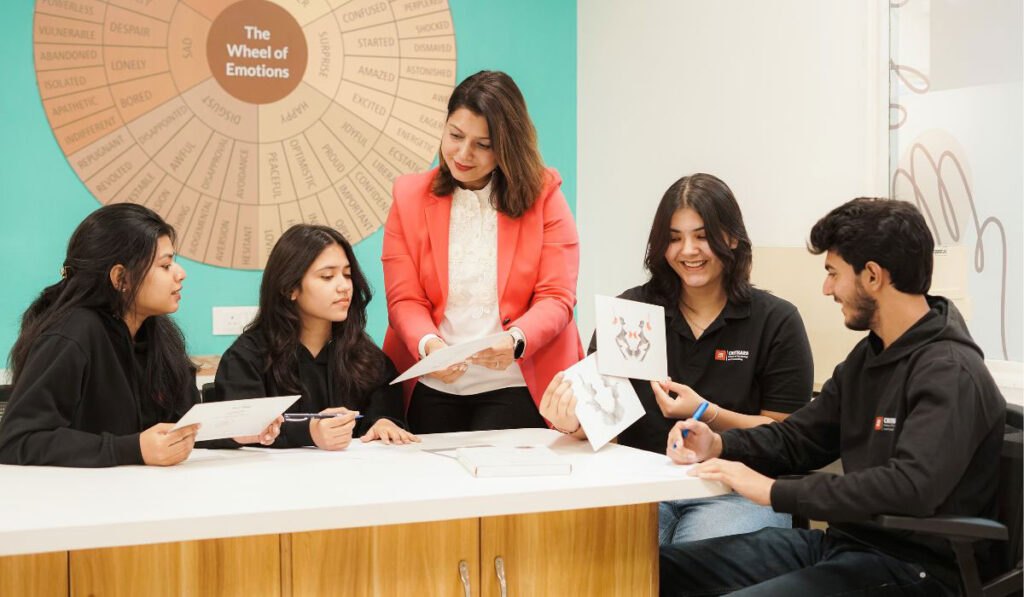
Can You Do a Psychology Course Without an MA in India? Find out if you can pursue psychology without an MA in India and explore alternative courses. Introduction Wondering if you can start your psychology journey without a Master’s degree? The good news is, you absolutely can! In cities like Mumbai, Delhi, Bangalore, and Pune, a growing range of diploma programs, internships, and short-term courses offer accessible pathways into the field, even for those who don’t hold an MA in psychology. Whether you’re a career-switcher, recent graduate, educator, or someone simply fascinated by the mind, these options can provide meaningful entry points. In this post, we’ll cover eligibility, course types, give city-specific context, and guide you toward the best alternatives. Eligibility & Pathways Without an MA 1. Diploma Programs Accessible Without an MA Certain universities offer diploma or certificate programs in psychology-related fields that accept students without an MA in psychology. 2. Master’s Programs Accepting Non-Psychology Graduates Some institutions allow applicants from different academic backgrounds to enroll in MA or M.Sc. Psychology, even without prior psychology coursework: 3. Internships, Certificates & Short-term Courses You don’t need a Master’s to enroll in short-term or skill-based courses: Also Read: Can a Non-Psychology Student pursue a Master’s in Psychology? – UPS Education City-Specific Snapshot Here’s how alternatives to an MA play out across Indian metros: You can also reach out to our counsellors, for expert guidance on the field: Online Counseling Services by PsyQuench Summary Conclusion An MA in psychology is a valuable degree but it’s not the only route into the field. Whether you’re exploring, testing your interest, or seeking practical credentials, short-term courses and diplomas offer meaningful, affordable, and city-adaptable alternatives. Platforms like PsyQuench offer skill-based training that helps you begin your journey now without waiting for a full-time degree. Explore your options — Join Psyquench for Top Psychology Certificate Courses Today FAQs 1. Can I enter psychology courses without a psychology MA?Yes, diplomas, certificate programs, and short-term courses often accept graduates from non-psychology backgrounds. 2. Are diplomas in clinical psychology available without an MA?Yes, for instance, Maharaja Sayajirao University’s diploma program in clinical/community psychology accepts non-psychology grads. 3. Can non-psychology graduates enroll in MA/M.Sc. Psychology?Yes. Several institutions like Delhi University among them allow graduates from other disciplines if they meet eligibility criteria. 4. What online or distance options are available?Nalanda Open University offers child psychology certificates and PG diploma programs via distance mode, accessible from anywhere. 5. Are short-term courses valid for career entry? Absolutely, they offer practical skills and experience through internships or workshops (e.g., projective tests) that are valuable for entry-level roles. 6. City-specific recommendations?
RCI vs Non-RCI Psychology Courses: What You Must Know

RCI vs Non-RCI Psychology Courses: What You Must Know Learn the key difference between RCI vs non-RCI psychology courses and choose the right path for your career. Introduction Psychology courses in India can be categorized into RCI-approved and non-RCI offerings, understanding the distinction is crucial, especially if you’re aiming for clinical practice, licensure, or establishing a private practice. Whether you’re in Mumbai, Delhi, Bangalore, or Pune, knowing the difference will guide your educational journey more strategically. In this blog, we break down the key differences between RCI-approved psychology courses (like MA Clinical Psychology, M.Phil, Psy.D., ADCGC, and PGDRP) and non-RCI certifications (such as short-term counselling or skill-based programs). You’ll get clear guidance, city-specific context, and the right links to explore next steps, plus a summary, conclusion, and FAQs to wrap things up. What Does RCI Mean-and Why It Matters The Rehabilitation Council of India (RCI) is the apex statutory body regulating training programs and licensure for clinical and rehabilitation psychologists in India. Key roles of RCI include: Why you need RCI approval: RCI-Approved Psychology Courses Here’s a snapshot of the main RCI-recognized pathways: Also Read: RCI Guidelines on New MA Clinical Psychology – UPS Education Non-RCI Psychology Courses A growing number of short-term certificates, diplomas, online programs, and internships are offered across India. These do not qualify for RCI licensure, but they are valuable for skill-building and entry-level counselling roles. Examples include: These programs are flexible and accessible, especially for learners in Mumbai, Delhi, Bangalore, and Pune, but do not enable you to legally practice as a registered clinical psychologist. RCI vs Non-RCI: A Comparative Overview Feature RCI-Approved Courses Non-RCI Short Courses Licensure & Legal Practice Leads to licensure, essential for clinical practice No licensure; usable in non-clinical roles Regulatory Oversight Curriculum and institutions are monitored by RCI Not regulated by RCI Timeframe Often 1–4 years Weeks to a few months Practical Training Includes supervised clinical training Mostly theory, skill-focused Ideal For Aspiring Clinical Psychologists, Private Practitioners Counselors, Educators, HR, Career-shifters Examples MA Clinical Psych, M.Phil, Psy.D., RCI Diplomas CBT, Projective Tests Workshop, Online Diplomas City Context: How This Matters Where You Are If you are unsure of how to proceed further, and feel overwhelmed with the changes in the field, our counsellors are here to help – Online Counseling Services by PsyQuench Summary Conclusion Choosing between RCI and non-RCI pathways depends on your professional goals. If you envision a licensed clinical practice or specialized roles in institutions, RCI programs are indispensable. If you’re exploring psychology, transitioning careers, or need flexible, practical training—non-RCI courses offer valuable exposure. For a blend of both, consider beginning with PsyQuench’s short-term certificate or internship programs, they offer skill development and career clarity. Once you’re ready, you can align with RCI prerequisites and step into licensure. Get expert guidance — Join Psyquench for Top Psychology Certificate Courses Today FAQs 1. Can I become a licensed clinical psychologist through non-RCI courses?No. Only RCI-approved programs, like M.Phil, MA Clinical Psychology, or Psy.D., provide the pathway to licensure. 2. Is the M.Phil in Clinical Psychology being discontinued?Yes. From 2026, the M.Phil will be phased out and replaced by a 2-year RCI-regulated MA in Clinical Psychology. 3. Can I practice as a counsellor with a non-RCI certificate?Yes, you can work in informal or corporate settings. However, you’re not permitted to offer clinical diagnoses or issue legal certificates. 4. Do Psy.D. graduates get the title ‘Doctor’?Yes. Psy.D. is a professional doctorate that grants the title ‘Doctor’ alongside RCI licensure. 5. What roles can ADCGC or PGDRP graduates pursue?They qualify for licensed practice in vocational counselling or rehabilitation settings, but not for full clinical psychologist roles. 6. Are there bridge courses if my bachelor’s isn’t in psychology?Yes. In some cases, MA Clinical Psychology programs will admit students from other backgrounds, especially with bridge courses or based on marks.
Short-Term Psychology Courses That Can Launch Your Career

Short-Term Psychology Courses That Can Launch Your Career Discover short psychology courses in India that boost your career in mental health and counselling. Introduction In recent years, mental health awareness has gained unprecedented momentum in India. From the bustling streets of Mumbai to the growing educational hubs of Bangalore, Pune, and Delhi, the importance of emotional well-being is no longer confined to academic discussions, it has become a vital part of everyday life. This cultural shift has also created a rising demand for trained professionals who can provide guidance, counselling, and therapeutic interventions. While pursuing a full-fledged degree in psychology is an excellent choice, not everyone has the time, resources, or immediate clarity to commit to such long-term programs. This is where short-term psychology courses step in as game changers. They provide foundational knowledge, practical exposure, and a strong stepping stone for careers in counselling and therapy. Platforms like PsyQuench have made such opportunities accessible by offering flexible online certifications, internship programs, and skill-based courses tailored to both beginners and aspiring professionals. Whether you are a student curious about psychology, a working professional looking to switch careers, or someone passionate about supporting mental health, short-term courses are an ideal starting point. In this blog, we will explore why these courses are in demand, highlight the best short-term programs (including PsyQuench’s internship and projective test courses), discuss career opportunities, and guide you on how to choose the right program. Why Short-Term Psychology Courses Are in Demand in India The growing interest in psychology is not just a trend; it’s a response to real societal needs. According to the World Health Organization (WHO), nearly 15% of Indian adults suffer from some form of mental health issue. Yet, the availability of trained professionals is disproportionately low. For a country of over 1.4 billion people, India has far fewer psychologists and counsellors per capita compared to global standards. 1. Rising Awareness Across Cities 2. Time and Cost Flexibility A master’s degree in psychology may take 2–3 years, but short-term courses can be completed in a matter of weeks or months, making them attractive to those who want to test the waters before committing to a long-term program. 3. Entry for Non-Psychology Backgrounds Not everyone who wants to pursue psychology comes from a psychology background. Short-term courses open doors for educators, HR professionals, and healthcare workers who wish to integrate psychological skills into their existing roles. 4. Practical, Hands-On Skills Unlike theory-heavy degrees, many short-term courses focus on practical training, such as counselling skills, therapy models, and projective tests. These skills can be immediately applied in professional settings. Top Short-Term Psychology Courses in India Let’s dive into the programs that can set the foundation for your psychology career. Certification Programs C. Specialized Skill-Based Courses Who Should Enroll in Short-Term Courses? Career Paths After Short-Term Courses Completing a short-term course isn’t just about learning; it’s about opening career opportunities. Summary Short-term psychology courses in India are more than just educational add-ons, they are career launchpads. From certifications in counselling and CBT to internships and projective test training, these programs provide both theoretical knowledge and hands-on skills. Whether you’re in Mumbai, Delhi, Bangalore, or Pune, PsyQuench’s offerings make it possible to begin your journey into psychology without waiting years for advanced degrees. Conclusion India is at the cusp of a mental health revolution. With growing awareness, increasing institutional support, and rising demand for professionals, now is the best time to enter the field. Short-term psychology courses offer the perfect blend of flexibility, practicality, and career orientation. Whether you are a student, a professional, or simply someone passionate about mental health, PsyQuench’s short-term programs can provide the stepping stone you need. Start small, build your skills, and you’ll soon find yourself part of the movement to make mental health accessible across India. Start your psychology career today. Enroll now with PsyQuench (http://localhost/psyquenchcertificate-courses/) FAQs 1. Are short-term psychology courses recognized in India? Yes. While they don’t replace full degrees, short-term courses are recognized as skill certifications and add value to your CV. 2. Can I practice independently after completing a short course? You can use the skills gained, but to become a licensed psychologist under RCI guidelines, higher qualifications are necessary. However, many short-term graduates work as counsellors, coaches, or interns. 3. Which Indian cities have the best internship opportunities? 4. What’s the difference between an internship and a certification course? 5. Can I pursue projective test training without a psychology degree? It’s recommended for those with at least a psychology background, but some introductory courses are open to beginners. 6. Are PsyQuench internships available online for non-metro students? Yes. PsyQuench offers flexible online internships to reach students outside big cities. 7. How do short-term courses prepare me for higher education in psychology?They provide foundational exposure, making it easier to choose specializations for M.A. or M.Sc. programs. 8. Which short-term course is best for beginners?The Counselling Skills Certificate is often the best entry point for those new to psychology.
Course + Counselling: PsyQuench’s Complete Mental Health Ecosystem
Course + Counselling: PsyQuench’s Complete Mental Health Ecosystem Learn why combining education and therapy makes PsyQuench unique in India. Introduction: Beyond Single Solutions – The Need for a Complete Ecosystem The landscape of mental health support and training in India has evolved rapidly in recent years. More people are seeking therapy, more students want to train as mental health professionals, and awareness about emotional wellbeing is higher than ever. Yet, many find themselves asking: Where can I go that offers more than just a course or just therapy? At PsyQuench, we believe true transformation happens not in isolated parts, but in an integrated space where knowledge, practice, and personal growth come together. That’s why we’ve built what many call the best psychology platform India, an ecosystem that combines counselling + education so that learners, practitioners, and clients can grow in a holistic, interconnected way. In this article, we explore why this model matters, how it works, and what makes it unique in the Indian context. Why Education Alone Is Not Enough In traditional psychology education, students learn theories, diagnostic categories, and intervention models. But real therapeutic skill emerges when theory is tested against the complexity of real human stories. Common challenges students share with us include: By adding counselling + education, students learn to integrate personal insight with professional competence, moving from knowing about therapy to actually being able to do therapy. Why Counselling Alone Can Also Fall Short For clients, therapy can feel like relief, reflection, and growth. But many also say: “I wish I understood why my mind works this way” or “I want to learn skills and frameworks to help myself between sessions.” Education gives clients: When counselling is paired with structured learning, it becomes more sustainable and empowering. Building the PsyQuench Ecosystem: How It Works At PsyQuench, we designed our platform intentionally to be more than a course catalogue or a therapy listing. We call it an ecosystem because it combines: 1. Short-Term Certificate CoursesCovering practical tools in areas like Cognitive Behavioural Therapy, Existential Therapy, Narrative Therapy, family therapy, and more. Courses emphasise real application, not just theory. 2. Skill-Building WorkshopsFocused sessions on specialised topics: grief work, sexual dysfunction, trauma-informed care, and others. 3. Supervised Clinical InternshipsLive client interactions under supervision, turning theory into real experience. 4. Counselling ServicesProfessional therapy for students, practitioners, and the wider public — because those who help others also need support. 5. Peer Community & MentorshipLearning groups, discussion circles, and mentoring relationships to reduce isolation and deepen professional identity. Together, this creates the best psychology platform India because it doesn’t force people to choose: learn or heal. It invites them to do both. The Cultural Context: Why This Model Fits India’s Needs In India, therapy still carries stigma, and students often hesitate to admit when they feel anxious or unsure. Combining counselling + education normalises the truth: being a therapist doesn’t mean being immune to struggles. This holistic model aligns with India’s traditional view that true knowledge (gyan) includes self-knowledge, not only academic learning. Real Stories: How Integration Makes a Difference A student’s journey:A postgraduate psychology student joined a CBT course at PsyQuench while quietly struggling with burnout. Alongside training, she began individual counselling on the platform. Learning CBT skills helped her apply them to her own thoughts, while therapy gave space to process her doubts as an emerging therapist. By the end, she felt more resilient and confident, both as a learner and as a person. A client’s journey:A young professional began therapy for anxiety and then enrolled in a brief workshop on mindfulness and emotional regulation. The combination helped him understand both the why (through therapy) and the how (through structured learning), making progress more sustainable. Why It’s Called an Ecosystem, Not Just a Platform An ecosystem is living, interconnected, and constantly adapting. At PsyQuench, this means: This flexibility keeps the platform current, culturally sensitive, and deeply human. What Makes PsyQuench Stand Out Practical tools, not just theory: Every course ends with clear techniques you can apply the next day. Support for the helper: Therapists-in-training can access personal therapy through the same system. Mentorship mindset: Teachers see students as future colleagues, not passive recipients. Cultural grounding: Courses incorporate Indian case examples, local ethical dilemmas, and context-specific practices. Also Read: A Day in the Life of a PsyQuench Clinical Intern – psychology Summary At PsyQuench, we believe therapy and learning should never exist in silos. By blending counselling + education, we create an environment where learners grow professionally and personally, clients feel empowered, and the field of mental health becomes richer and more inclusive. Conclusion The question isn’t whether to choose therapy or education. In a deeply human field like psychology, the most transformative growth comes from both. This integration is what makes PsyQuench a unique and living mental health ecosystem and why many call it the best psychology platform India. Explore our platform where learning meets healing. Discover short courses, workshops, internships, and professional counselling, all in one place.Start your journey → PsyQuench: Psychology Courses & Therapy FAQs Q1: Do I have to be a student to use the counselling services?No. Counselling is open to anyone, whether or not you’re enrolled in a course. Q2: Are courses only for professionals?We offer beginner-friendly workshops alongside advanced certificates, so both students and practitioners can find something relevant. Q3: How does personal therapy help future therapists?Therapy helps you explore your blind spots, manage burnout, and become more empathetic to clients. Q4: Can I do therapy and training at the same time?Yes. Many find this combination especially powerful for personal insight and skill development.