
Body Image Issues in Indian Youth
Body image issues in Indian youth have intensified in recent years, shaped by social media, unrealistic beauty standards, and constant comparison. Conversations around body image India, self esteem India, and youth mental health are becoming increasingly urgent as adolescents and young adults report dissatisfaction with their appearance, low confidence, and emotional distress. From fairness ideals and body size expectations to filtered images and influencer culture, young people are exposed to powerful messages about how they should look. These pressures often lead to shame, anxiety, disordered eating, and withdrawal. Body image struggles are not superficial concerns, they are deeply connected to mental health, identity, and self-worth. Understanding their impact is essential for early intervention and emotional resilience.
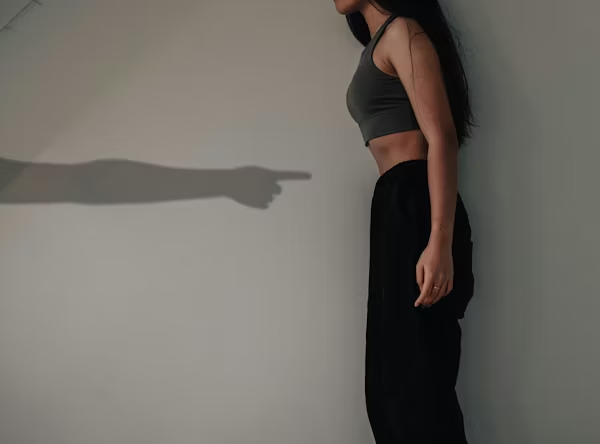
What Are Body Image Issues?
Body image refers to how a person perceives, thinks, and feels about their physical appearance. According to the Wikipedia page on body image, negative body image involves dissatisfaction, distress, and distorted perceptions of one’s body: https://en.wikipedia.org/wiki/Body_image.
In India, body image concerns often intersect with cultural ideals around skin colour, weight, gender norms, and social acceptance, making them particularly complex.
Why Body Image Issues Are Rising Among Indian Youth
1. Social Media and Comparison Culture
Platforms like Instagram and Snapchat promote idealised, edited images that create unrealistic appearance standards.
2. Cultural Beauty Norms
Fairness, thinness, and specific body types are often glorified, leading to internalised shame.
3. Peer Pressure and Bullying
Appearance-based teasing and comparison significantly affect self-esteem during adolescence.
4. Academic and Social Stress
High achievement pressure combined with identity formation challenges increases vulnerability.
Signs of Body Image and Self-Esteem Issues
Warning signs include constant appearance checking, avoiding social situations, negative self-talk, extreme dieting, or compulsive exercise. Emotional symptoms may include shame, anxiety, and low mood.
Left unaddressed, body image concerns can contribute to depression, anxiety, and eating disorders.
Impact on Youth Mental Health
Poor body image is strongly linked to low self-esteem, social withdrawal, and emotional distress. It affects confidence, relationships, academic engagement, and overall quality of life.
Understanding Body Image Through Video
This YouTube video explains how social media affects body image and self-esteem in young people: https://www.youtube.com/watch?v=EJg2Y0Y1JmY.
How Counselling Supports Body Image and Self-Esteem
1. Challenging Negative Self-Beliefs
Therapy helps youth identify and challenge harsh self-judgments.
2. Building Self-Compassion
Counselling encourages kinder, more accepting relationships with one’s body.
3. Reducing Social Comparison
Therapists support healthier social media use and boundary-setting.
4. Strengthening Identity and Confidence
Counselling focuses on self-worth beyond appearance.
PsyQuench offers confidence-building counselling and youth-focused mental health support to address body image and self-esteem concerns.
In addition to PsyQuench, platforms such as BetterLYF (https://www.betterlyf.com), Amaha (https://www.amahahealth.com), MindPeers (https://www.mindpeers.co), Manochikitsa (https://manochikitsa.com), and YourDOST (https://yourdost.com) offer youth mental health support.
Summary
Body image issues among Indian youth are increasingly influenced by social media, unrealistic beauty standards, and constant comparison. Cultural ideals around skin colour, body size, and appearance often lead young people to develop low self-esteem, shame, and dissatisfaction with their bodies. These concerns can affect confidence, relationships, academic engagement, and overall mental health, sometimes contributing to anxiety, depression, and disordered eating patterns. Body image struggles are not superficial issues, they are closely tied to identity and emotional well-being. With awareness, supportive conversations, and professional counselling, young people can build self-acceptance, confidence, and a healthier relationship with their bodies.
Conclusion
Body image issues in Indian youth are deeply influenced by cultural and digital pressures, but they are not inevitable or permanent. With awareness, supportive conversations, and professional counselling, young people can build healthier self-esteem and emotional resilience. Seeking help is an empowering step toward self-acceptance.
Book a confidence-building counselling session.
Frequently Asked Questions (FAQs)
1. How common are body image issues among Indian youth?
They are increasingly common, especially among adolescents and young adults exposed to social media.
2. Can counselling help with low self-esteem?
Yes. Counselling helps individuals develop self-compassion and confidence. PsyQuench offers specialised support for self-esteem concerns.
3. Are body image issues linked to mental health disorders?
Yes. They are associated with anxiety, depression, and eating disorders.
4. How does social media affect body image?
It promotes unrealistic standards and constant comparison, which can harm self-worth.
5. When should someone seek help?
If body image concerns affect daily functioning, relationships, or mood, professional support is recommended.
6. Is this only a teenage issue?
No. Body image concerns can affect individuals across age groups.
7. How can PsyQuench support youth mental health?
PsyQuench provides counselling focused on confidence-building, emotional regulation, and healthy self-image.


