Psychology Certification Courses for Career Advancement

Psychology Certification Courses for Career Advancement The field of psychology is expanding rapidly as awareness about mental health, emotional well-being, and behavioral science continues to grow. Students, graduates, and working professionals are increasingly exploring psychology certification courses to strengthen their knowledge and improve career prospects. Whether someone is interested in counselling, human resources, education, research, or mental health support, certification programs provide structured learning and skill development. The growing demand for mental health professionals has also made continuing education essential. Even individuals who already hold psychology degrees often pursue additional certifications to stay updated with new approaches and techniques. Psychology certification courses offer a flexible way to learn new skills, specialize in specific areas, and build confidence in applying psychological concepts. With online learning becoming more accessible, professionals can now enroll in certification programs without interrupting their work or academic schedules. This guide explores how psychology certification courses support career advancement, what skills they offer, and how to choose programs that align with long-term goals. To understand how psychology certifications can support career growth, you can watch this overview: AI_CH_AI635_UV_YS _Podcast_Highest Paid People in 2026_16:9 What Are Psychology Certification Courses? Psychology certification courses are structured training programs designed to provide focused knowledge and practical skills in specific areas of psychology. These programs may cover counselling skills, therapy approaches, psychological assessment, or applied psychology topics. They are typically shorter than degree programs but offer targeted learning that supports career development. Psychology involves the scientific study of behavior and mental processes. Certification courses build on this foundation and focus on applying psychological principles in real-world settings. These courses are suitable for psychology students, graduates, educators, HR professionals, and anyone interested in mental health or human behavior. While they do not replace advanced degrees required for clinical roles, they provide valuable skills and exposure. Why Professionals Pursue Certification Courses There are several reasons why individuals choose psychology certification courses. One major reason is skill enhancement. Certification programs help learners develop practical abilities such as communication, empathy, and intervention planning. These skills are valuable in counselling, teaching, and organizational roles. Another reason is career advancement. Certifications demonstrate commitment to professional growth and can strengthen resumes. They also help individuals specialize in areas such as child psychology, relationship counselling, or cognitive behavioral techniques. Flexibility is another advantage. Online certification programs allow learners to study at their own pace. This makes it easier for working professionals and students to continue learning without disrupting their schedules. Types of Psychology Certification Courses There are many types of psychology certification courses available. Introductory courses focus on basic psychological concepts and mental health awareness. Intermediate courses provide deeper training in counselling skills and therapy techniques. Advanced certifications focus on specialized areas such as trauma therapy or neuropsychology. Some programs include practical components such as case discussions and role plays. Others focus on theoretical knowledge. Choosing courses that include practical exposure is important for skill development. Skills Developed Through Certification Courses Enrolling in psychology certification courses helps learners develop several essential skills. Communication and active listening are central to psychological practice. Courses teach how to create supportive environments and respond to emotional concerns. Critical thinking and problem-solving skills are also emphasized. Learners analyze case scenarios and develop intervention strategies. Ethical awareness is another key component. Understanding confidentiality and professional boundaries is essential in mental health work. Self-reflection and emotional intelligence are often developed through assignments and discussions. These skills support both professional and personal growth. Career Opportunities After Certification Completing psychology certification courses can enhance career opportunities in various fields. In education, teachers and school staff can use counselling skills to support students. In corporate settings, HR professionals can apply psychological knowledge to employee well-being and conflict resolution. For those pursuing counselling careers, certification courses provide foundational skills that complement formal education. Many learners use certifications as a stepping stone toward postgraduate degrees. Challenges of Online Certification Learning While psychology certification courses offer flexibility, they also have limitations. Practical skills develop through real interaction and supervision. Courses without interactive components may provide limited exposure. Learners must also stay motivated and disciplined. Without classroom structure, it can be easy to delay assignments. Choosing structured programs with live sessions can help maintain consistency. Understanding professional requirements is important. Certification courses provide valuable skills but may not replace formal degrees required for certain roles. The Importance of Practical Exposure Practical exposure is essential for applying psychological knowledge. Courses that include case discussions, role plays, and feedback sessions provide valuable learning experiences. Combining psychology certification courses with internships or workshops enhances skill development. Programs like Dhairyada focus on bridging the gap between theory and practice. Such exposure helps learners understand real-world mental health work. How to Choose the Right Certification Course Choosing the right psychology certification courses requires clarity about career goals. Beginners may start with general psychology certifications. Those interested in counselling should look for courses with practical components. Check course credibility, curriculum, and trainer experience. Look for programs that include interactive sessions and assignments. Consider how the course aligns with your long-term career plans. Also Read: Psychology – Wikipedia Summary The demand for psychology professionals continues to grow, making continuous learning essential. Psychology certification courses provide accessible pathways to develop skills and advance careers. These programs offer focused training in counselling, communication, and applied psychology. While certification courses offer valuable learning, combining them with practical exposure and advanced education enhances career prospects. With the right training and commitment, learners can build meaningful skills and pursue rewarding careers. Conclusion Psychology is a field that combines scientific understanding with human connection. Certification courses offer flexible and structured ways to enhance knowledge and develop practical skills. Whether you are a student, professional, or career changer, psychology certification courses can support your growth and career advancement. However, long-term success in psychology requires continuous learning and practical experience. Certification programs can provide a strong foundation, but ongoing training and supervision are essential for professional roles. Explore structured and skill-focused courses at PsyQuench to begin advancing your psychology
Relationship Issues and Couples Counselling: What to Expect

Relationship Issues and Couples Counselling: What to Expect Relationships play a central role in emotional well-being. When relationships feel supportive and secure, they contribute to a sense of stability and happiness. However, when conflicts, misunderstandings, or emotional distance begin to grow, they can lead to stress, anxiety, and even depression. Many individuals and couples experience periods of tension that feel difficult to resolve on their own. This is where relationship counselling services can make a meaningful difference. They provide structured support that helps partners communicate effectively, understand each other’s perspectives, and rebuild connection. Relationship challenges can arise for many reasons. Work stress, life transitions, parenting responsibilities, and unresolved emotional issues can all impact communication and intimacy. Over time, unresolved conflicts may lead to resentment, emotional withdrawal, or repeated arguments. Seeking relationship counselling services does not mean a relationship is failing. Instead, it reflects a willingness to understand patterns and work toward healthier communication and connection. Couples counselling is increasingly recognized as a proactive step toward emotional well-being. It is not only for couples in crisis. Many people seek counselling to strengthen communication, navigate transitions, or improve emotional intimacy. This guide explains how counselling works, what to expect in sessions, and how professional support can help individuals and couples navigate relationship challenges. To understand the basics of couples therapy and communication patterns, you can watch this educational overview: Couples Therapy | In Session with Dr. Orna | SHOWTIME Understanding Relationship Issues Relationship issues can range from minor misunderstandings to persistent conflicts that affect daily life. Common concerns include communication difficulties, trust issues, differing expectations, and emotional distance. When these issues persist, they can impact mental health and overall well-being. Relationship counselling focuses on improving communication, resolving conflicts, and strengthening emotional connection. Counselling helps individuals understand their own patterns and how they interact with their partner. Many couples experience similar challenges. Differences in communication styles, stress levels, or life priorities can lead to misunderstandings. Over time, unresolved issues may create emotional distance. Relationship counselling services help partners explore these patterns and develop healthier ways of interacting. How Relationship Issues Affect Mental Health Relationship challenges can have a significant impact on mental health. Persistent conflict may lead to stress, anxiety, or low mood. Individuals may feel misunderstood, unsupported, or emotionally drained. In some cases, relationship distress can contribute to depression. When emotional needs are not met, individuals may withdraw or become defensive. This can create cycles of misunderstanding and frustration. Seeking relationship counselling services helps break these cycles and create space for constructive communication. Counselling provides a neutral environment where both partners can express their perspectives. It helps individuals understand emotional triggers and develop empathy for each other’s experiences. Also Read: Couples therapy – Wikipedia What Happens in Couples Counselling Many people feel uncertain about what to expect in counselling sessions. Understanding the process can reduce hesitation. In most cases, sessions begin with an assessment of the relationship. The counsellor listens to both partners and identifies patterns of communication and conflict. Counselling sessions focus on improving communication and understanding. Partners learn how to express needs and feelings without blame. They also learn to listen actively and respond with empathy. Over time, sessions help identify underlying issues and develop practical strategies for resolving conflicts. Relationship counselling services are collaborative. The counsellor does not take sides but helps both partners understand each other’s perspectives and work toward shared goals. Common Issues Addressed in Counselling Couples counselling addresses a wide range of concerns. Communication problems are among the most common. Partners may struggle to express feelings or feel unheard. Counselling helps develop clearer communication patterns. Trust issues are another common concern. Past experiences or misunderstandings may create insecurity. Counselling helps rebuild trust through open dialogue and consistent actions. Life transitions such as marriage, parenthood, or relocation can also create stress. Counselling helps couples navigate these changes and adjust expectations. Emotional intimacy and connection are often explored as well. Individual Counselling Within Relationship Work Sometimes one partner may seek counselling individually while also addressing relationship concerns. Individual sessions can help explore personal patterns, emotional triggers, and communication styles. This can complement couples sessions and support overall relationship improvement. Relationship counselling services may involve both joint and individual sessions depending on the situation. The goal is to create a supportive environment for growth and understanding. Online Relationship Counselling Online counselling has made relationship counselling services more accessible. Couples can attend sessions from home, making scheduling easier. Online sessions also allow partners in different locations to participate together. Platforms like Dhairyada offer structured support for couples and individuals experiencing relationship challenges. Sessions focus on communication skills, emotional awareness, and conflict resolution. Online counselling can be particularly helpful for busy professionals or couples who prefer the comfort of home. Consistent sessions and guided exercises support gradual improvement. Benefits of Relationship Counselling Counselling provides several benefits. It improves communication and helps partners understand each other’s perspectives. It also helps identify patterns that contribute to conflict. Over time, couples often develop healthier ways of interacting and resolving disagreements. Counselling can also strengthen emotional intimacy. Partners learn to express appreciation and support. This helps rebuild connection and trust. Even in situations where couples decide to separate, counselling can support respectful communication and emotional closure. When to Seek Counselling It may be helpful to seek relationship counselling services when conflicts become repetitive or communication breaks down. Early support can prevent issues from escalating. Counselling is also beneficial during major life transitions or periods of stress. Many couples wait until problems feel severe before seeking help. However, counselling can be effective at any stage of a relationship. Seeking support early can lead to more positive outcomes. Summary Relationship challenges are a normal part of life, but persistent conflicts can impact emotional well-being. Communication difficulties, trust issues, and life transitions can create stress and emotional distance. Relationship counselling services provide structured support that helps partners understand each other, resolve conflicts, and rebuild connection. Counselling offers practical tools for improving communication and strengthening relationships. With consistent
Online Psychology Diploma Courses: Practical Learning Explained

Online Psychology Diploma Courses: Practical Learning Explained The growing interest in mental health awareness and psychology careers has led many students and professionals to explore online psychology diploma courses as a flexible and practical learning pathway. With the expansion of digital education, individuals can now access psychology training from anywhere while balancing work, studies, or personal commitments. These diploma programs offer structured learning that goes beyond basic awareness and provides a deeper understanding of human behavior, mental health, and counselling skills. However, one of the most common questions learners ask is whether online psychology diploma courses truly provide practical learning. Many people are interested in therapy or counselling careers but feel unsure about how online training translates into real-world skills. Understanding the structure, benefits, and limitations of these courses can help learners choose programs that align with their career goals. The increasing demand for mental health professionals has made psychology education more relevant than ever. Whether someone is exploring a career in counselling, working in education, or simply interested in understanding mental health, diploma courses offer a structured way to build knowledge and skills. This guide explains the practical relevance of online psychology diploma courses, what learners can expect, and how these programs support career development. To understand how psychology is applied in real-world settings, you can watch this introductory video: What Are Online Psychology Diploma Courses? Online psychology diploma courses are structured training programs that provide in-depth knowledge of psychological concepts, counselling skills, and applied mental health practices. Unlike short workshops or basic awareness sessions, diploma programs usually involve multiple modules, assignments, and assessments. They are designed to provide a comprehensive understanding of psychology and its applications. According to sources, psychology is the scientific study of behavior and mental processes. Diploma courses introduce learners to topics such as emotional development, cognitive processes, counselling techniques, and ethical practice. Many diploma programs are suitable for students, teachers, HR professionals, and individuals considering a career in mental health. While these courses do not replace advanced degrees required for clinical roles, they provide foundational knowledge and practical exposure. Can also read: Online degree – Wikipedia Why Online Psychology Diploma Courses Are Popular The popularity of online psychology diploma courses has grown for several reasons. Flexibility is a major factor. Learners can study from home and access recorded sessions at convenient times. This makes it easier for working professionals and students to continue learning without disrupting their routines. Accessibility is another reason. Online programs allow individuals from different regions to access quality education. This is especially valuable in areas where in-person psychology programs are limited. Another reason for their popularity is the growing awareness of mental health. Many individuals want to understand emotional well-being, improve communication skills, and support others. Diploma courses provide structured learning that helps build these skills. Watch the video to know more! Structure of Online Psychology Diploma Courses Most online psychology diploma courses include multiple modules covering key psychological concepts and counselling skills. These modules may include topics such as developmental psychology, cognitive psychology, emotional regulation, and therapy techniques. Assignments and case discussions are common components. These help learners apply theoretical knowledge to real-life scenarios. Some programs also include live sessions, group discussions, and supervised practice exercises. Interactive elements are especially important. Courses that include role plays, case studies, and feedback sessions provide more practical value than purely lecture-based programs. Practical Skills Developed Through Diploma Courses One of the main benefits of online psychology diploma courses is skill development. Learners gain communication skills, empathy, and emotional awareness. These skills are valuable in counselling, education, HR, and everyday interactions. Counselling techniques are often introduced. Students learn how to listen actively, ask open-ended questions, and support emotional expression. Ethical awareness is also emphasized, helping learners understand boundaries and confidentiality. Self-reflection is another important skill. Many courses encourage learners to reflect on their own experiences and biases. This helps build emotional intelligence and professional awareness. Career Opportunities After Completing Diploma Courses Completing online psychology diploma courses can open various career pathways. Entry-level roles may include mental health support positions, school support roles, or HR-related work. These roles provide exposure to applied psychology. Some learners use diploma courses as a stepping stone toward advanced degrees. They may pursue bachelor’s or master’s programs in psychology or counselling. Diploma courses help build foundational knowledge and confidence. Others apply their learning in existing careers. Teachers, HR professionals, and social workers often benefit from counselling skills and psychological understanding. Challenges of Online Diploma Learning While online psychology diploma courses offer flexibility, they also have limitations. Practical counselling skills develop through real interaction and supervision. Fully online programs without interactive components may provide limited exposure. Learners must also stay motivated and disciplined. Without classroom structure, it can be easy to postpone assignments or sessions. Choosing structured programs with live sessions can help maintain engagement. Understanding professional requirements is important. Diploma courses provide foundational knowledge but do not replace postgraduate training required for clinical roles. The Importance of Practical Exposure Practical exposure is essential for applying psychological knowledge. Courses that include case discussions, role plays, and feedback sessions provide valuable learning experiences. Combining online psychology diploma courses with internships or workshops enhances skill development. How to Choose the Right Diploma Course Choosing the right online psychology diploma courses requires clarity about your goals. Beginners may start with general psychology diplomas. Those interested in counselling should look for courses with practical components. Check course credibility, curriculum, and trainer experience. Look for programs that include interactive sessions and assignments. Consider how the course aligns with your long-term career plans. Organizations like Dhairyada also provide diploma: DhairyaDa Center for Psychological Well – Being I Online Therapy and Counselling Services I Nashik Summary The rise of online psychology diploma courses has made psychology education more accessible and flexible. These programs provide structured learning, practical skills, and foundational knowledge. They are suitable for individuals exploring mental health careers or seeking personal growth. While online diploma courses offer valuable learning, combining them with practical exposure
Trauma and PTSD: Role of Counselling in Healing

Trauma and PTSD: Role of Counselling in Healing Trauma is an emotional response to distressing or overwhelming experiences that exceed a person’s ability to cope at the time. These experiences can include accidents, loss, abuse, violence, medical emergencies, or prolonged stress. While many individuals gradually recover from difficult experiences, some continue to experience emotional distress long after the event has passed. This ongoing impact may develop into post-traumatic stress disorder or other trauma-related difficulties. In such cases, trauma counselling services play a crucial role in supporting recovery and emotional healing. Trauma can affect how individuals think, feel, and respond to everyday situations. It can influence relationships, self-esteem, and physical health. People may experience intrusive memories, emotional numbness, anxiety, or sleep disturbances. Understanding trauma and seeking timely support through trauma counselling services can help individuals process their experiences, develop coping strategies, and rebuild a sense of safety. To understand trauma and PTSD more clearly, you can watch this educational overview: Post Traumatic Stress Disorder (PTSD) Explained This guide explores trauma, PTSD symptoms, and how counselling supports recovery and long-term emotional well-being. What Is Trauma? Trauma refers to the emotional and psychological impact of distressing events. It is not only the event itself but how the individual experiences and processes it. Two people may go through similar events but respond differently based on their coping resources, support systems, and past experiences. Trauma can lead to symptoms such as intrusive memories, avoidance, and heightened arousal. These symptoms may persist for months or years if not addressed. Trauma counselling services focus on helping individuals process these experiences in a safe and supportive environment. Counselling helps reduce distress and build resilience over time. Understanding PTSD Post-traumatic stress disorder is a condition that may develop after experiencing or witnessing traumatic events. Symptoms often include intrusive memories, nightmares, emotional numbness, and hypervigilance. Individuals may avoid reminders of the trauma or feel constantly on edge. PTSD can affect daily functioning, relationships, and physical health. It may also coexist with depression or anxiety. Recognizing these symptoms early and seeking trauma counselling services can support recovery and reduce long-term impact. Symptoms of Trauma and PTSD Trauma and PTSD symptoms can be emotional, cognitive, and physical. Emotional symptoms include fear, anger, sadness, and emotional numbness. Cognitive symptoms may involve intrusive thoughts, flashbacks, or difficulty concentrating. Physical symptoms can include sleep disturbances, fatigue, and heightened startle responses. Some individuals experience dissociation or feel disconnected from their surroundings. These symptoms can interfere with work, relationships, and daily activities. Trauma counselling services help individuals understand these reactions and develop coping strategies. Also Read: Post-traumatic stress disorder – Wikipedia Causes and Risk Factors Trauma can result from various experiences, including accidents, abuse, loss, or prolonged stress. Risk factors for developing PTSD include the severity of the event, lack of support, and previous trauma history. Biological factors such as genetics and brain chemistry may also influence vulnerability. Understanding these factors helps individuals recognize that trauma responses are not a sign of weakness. Trauma counselling services help individuals explore these influences and understand how their experiences shape emotional responses. The Connection Between Trauma and Depression Trauma and depression often occur together. Persistent distress and emotional exhaustion can lead to feelings of hopelessness and low mood. Individuals may struggle with motivation or self-worth. Addressing both trauma and depressive symptoms is important for recovery. Counselling often integrates approaches that support emotional processing and mood regulation. Counselling Approaches for Trauma and PTSD Several therapy approaches are effective in treating trauma and PTSD. Trauma-focused cognitive behavioral therapy helps individuals process traumatic memories and develop coping strategies. Eye movement desensitization and reprocessing is another approach that helps reduce distress associated with traumatic memories. Counselling also focuses on emotional regulation and grounding techniques. Mindfulness and relaxation strategies help individuals manage anxiety and physical tension. Trauma counselling services emphasize safety and pacing. Therapy progresses gradually to ensure individuals feel supported and not overwhelmed. Online Trauma Counselling Online therapy has made trauma counselling services more accessible. Many individuals feel more comfortable discussing their experiences from home. Online sessions provide flexibility and privacy. Platforms like Dhairyada offer structured support tailored to trauma recovery. Sessions focus on emotional processing, coping strategies, and building resilience. Online counselling allows consistent support and can be especially helpful for individuals who feel anxious about in-person sessions. Supporting Someone With Trauma Supporting someone with trauma involves patience and understanding. Listening without judgment and encouraging professional help can make a difference. Avoid pressuring them to share details before they are ready. Encouraging trauma counselling services can help individuals access structured support and develop coping strategies. Recovery often involves both personal and professional support systems. Long-Term Healing and Recovery Healing from trauma is a gradual process. Counselling helps individuals rebuild a sense of safety and trust. Over time, many people experience reduced symptoms and improved emotional regulation. Recovery involves learning coping strategies, building supportive relationships, and maintaining self-care. Regular check-ins with a professional can support long-term well-being. Summary Trauma and PTSD can have lasting effects on emotional and physical health. Symptoms may include intrusive memories, anxiety, and emotional numbness. Understanding trauma and seeking support early can improve recovery outcomes. Trauma counselling services provide structured support that helps individuals process experiences, manage symptoms, and rebuild resilience. With consistent therapy and support, many individuals experience significant improvement. Conclusion Trauma can feel overwhelming, but healing is possible. Recognizing the impact of traumatic experiences and seeking professional support are important steps toward recovery. Counselling provides practical tools and emotional support for managing symptoms and rebuilding well-being. If you or someone you know is experiencing trauma-related distress, consider seeking professional help. With the right support, individuals can move toward healing and regain a sense of safety.Explore supportive PsyQuench services to begin your journey toward healing and recovery. Frequently Asked Questions (FAQs) 1. What are trauma counselling services and how do they help?Trauma counselling services involve working with a trained professional to process distressing experiences and develop coping strategies. Therapy focuses on emotional regulation, understanding trauma responses, and rebuilding
Neuropsychology Courses Online: Scope and Career Path
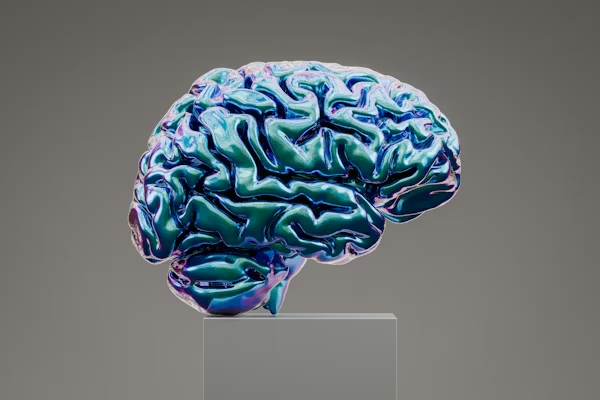
Neuropsychology Courses Online: Scope and Career Path Neuropsychology is one of the most fascinating and rapidly growing areas within psychology. It focuses on the relationship between the brain, behavior, cognition, and emotional functioning. With increasing awareness of neurological conditions, brain health, and mental health disorders such as depression, interest in neuropsychology courses online has grown significantly. Students, psychology graduates, and professionals are exploring this specialization to understand how brain functioning influences behavior and emotional well-being. The rise of digital education has made neuropsychology courses online accessible to learners across India and globally. These courses offer foundational knowledge of brain structures, cognitive processes, and psychological assessment. For those interested in clinical psychology, research, or rehabilitation, neuropsychology provides a pathway that combines science and mental health practice. Understanding the brain’s role in mental health conditions such as depression is especially important. Neuropsychology helps professionals understand how cognitive processes, emotional regulation, and neurological factors interact. This guide explores the scope, career opportunities, and learning pathways related to neuropsychology courses online, helping learners make informed decisions about this specialization. To understand how neuropsychology connects brain function and behavior, you can watch this overview: What is Neuropsychology What Is Neuropsychology? Neuropsychology is the study of how the brain influences cognition, emotions, and behavior. It examines how brain injuries, neurological conditions, and developmental factors affect psychological functioning. Neuropsychologists work with individuals experiencing conditions such as traumatic brain injury, dementia, ADHD, and mood disorders including depression. The field combines neuroscience and psychology to understand how brain systems relate to behavior and mental processes. Neuropsychology involves assessment, research, and rehabilitation. With the expansion of digital learning, neuropsychology courses online now introduce students to brain anatomy, cognitive processes, and assessment techniques. These courses provide a foundation for advanced clinical or research training. Why Neuropsychology Courses Online Are Growing Interest in neuropsychology courses online has increased due to several factors. First, there is growing awareness of neurological and mental health conditions. Second, the integration of neuroscience into psychology has created new career opportunities. Third, online education allows students to explore specialized topics without relocating. Students often begin with introductory courses to understand brain functioning and cognitive processes. Professionals in psychology, counselling, or education may take advanced courses to expand their knowledge. Online programs make it easier to balance learning with other responsibilities. Another factor driving interest is the relevance of neuropsychology to mental health treatment. Understanding how brain processes influence mood and behavior helps professionals provide more effective support. This makes neuropsychology courses online valuable for both academic and clinical development. Types of Neuropsychology Courses Online There are several types of neuropsychology courses online, each designed for different learning needs. Introductory courses provide foundational knowledge of brain anatomy and cognitive processes. Certification programs focus on specific areas such as neuropsychological assessment or cognitive rehabilitation. Advanced courses explore topics like neurodevelopmental disorders, brain injury, and emotional regulation. Some universities offer online or hybrid master’s programs that include neuropsychology modules. These programs provide deeper academic training and may include research components. However, clinical neuropsychology roles usually require advanced degrees and supervised practice. Skills Developed Through Neuropsychology Courses Enrolling in neuropsychology courses online helps learners develop a range of skills. Understanding brain-behavior relationships is central. Students learn about memory, attention, executive functioning, and emotional regulation. Assessment skills are also emphasized. Neuropsychology involves evaluating cognitive functioning and identifying patterns of impairment or strength. Courses may introduce basic assessment tools and interpretation methods. Research literacy is another important skill. Neuropsychology relies heavily on scientific research. Students learn to interpret studies and apply findings to practice. Ethical awareness and communication skills are also essential. These skills support careers in clinical psychology, rehabilitation, research, and education. Career Opportunities After Neuropsychology Courses Completing neuropsychology courses online can open various career pathways. Entry-level roles include research assistants, rehabilitation support staff, and mental health facilitators. These roles provide exposure to applied neuropsychology. With advanced degrees, individuals can work as clinical neuropsychologists, conducting assessments and providing rehabilitation. Others may work in academic research or teaching. Neuropsychology is also relevant in fields such as special education and occupational therapy. Online courses often serve as a foundation for further study. Many learners pursue master’s or doctoral programs after completing introductory training. Continuous learning and supervision are essential for professional roles. Challenges of Online Neuropsychology Learning While neuropsychology courses online offer flexibility, they also have limitations. Practical assessment skills and clinical exposure are difficult to replicate fully online. Learners should seek opportunities for internships or supervised practice. Another challenge is the complexity of the subject. Neuropsychology involves detailed scientific concepts. Students must dedicate time to understanding brain structures and functions. Structured programs with interactive sessions can help maintain engagement. Understanding career requirements is also important. Online courses alone may not qualify individuals for clinical neuropsychology roles. Advanced degrees and supervised training are usually required. Also Read: Neuropsychology – Wikipedia The Role of Practical Exposure Practical exposure is essential for neuropsychology careers. Observing assessments, working in rehabilitation settings, and engaging in research projects help students apply theoretical knowledge. Combining neuropsychology courses online with internships provides balanced training. Programs like Dhairyada help bridge the gap between theory and practice by offering exposure to real-world psychological work. How to Choose the Right Course Choosing the right neuropsychology courses online requires clarity about career goals. Beginners may start with introductory courses. Those aiming for clinical roles should plan for advanced degrees and supervised training. Check course credibility, curriculum, and practical components. Look for programs that include interactive sessions and assignments. Consider how the course fits into your long-term career path. Summary The field of neuropsychology offers exciting opportunities for students and professionals interested in brain-behavior relationships. Neuropsychology courses online provide accessible pathways to learn about cognitive processes, emotional regulation, and neurological conditions. While online courses offer flexibility, combining them with practical exposure and advanced study is essential for professional growth. With the right training and commitment, neuropsychology can lead to meaningful careers in clinical practice, research, and rehabilitation. Conclusion Neuropsychology is a dynamic and evolving field that
Obsessive Compulsive Disorder (OCD): Counselling and Treatment Approaches

Obsessive Compulsive Disorder (OCD): Counselling and Treatment Approaches Obsessive Compulsive Disorder, commonly known as OCD, is a mental health condition that can significantly affect daily life, relationships, and emotional well-being. Individuals with OCD often experience intrusive thoughts and repetitive behaviors that feel difficult to control. These experiences can lead to distress, anxiety, and a sense of being trapped in cycles of worry and compulsion. Professional support through OCD counselling plays a key role in helping individuals understand their symptoms, develop coping strategies, and regain a sense of control. OCD is often misunderstood. Many people casually use the term to describe perfectionism or neatness, but the reality of OCD is far more complex. It involves persistent thoughts and urges that create anxiety, followed by behaviors or mental rituals aimed at reducing that anxiety. Without proper support, these patterns can become time-consuming and emotionally exhausting. Structured OCD counselling and therapy approaches provide effective ways to manage symptoms and improve quality of life. To understand OCD and its impact, you can watch this educational overview: What is OCD? | APA This guide explores the nature of OCD, its symptoms and causes, and how counselling and therapy support recovery and long-term management. What Is Obsessive Compulsive Disorder? Obsessive Compulsive Disorder is a condition characterized by obsessions and compulsions. Obsessions are intrusive thoughts, images, or urges that create anxiety or discomfort. Compulsions are repetitive behaviors or mental acts performed to reduce that anxiety. OCD can involve fears related to contamination, harm, order, or uncertainty. Individuals may engage in behaviors such as excessive cleaning, checking, counting, or seeking reassurance. These patterns can interfere with daily functioning and cause emotional distress. OCD counselling helps individuals understand these cycles and develop strategies to reduce their impact. Symptoms of OCD Symptoms of OCD vary from person to person. Obsessions often involve persistent fears or doubts. Individuals may worry about contamination, making mistakes, or causing harm. These thoughts are intrusive and difficult to dismiss. Compulsions involve repetitive actions such as washing, checking, or arranging items. Some individuals engage in mental rituals such as counting or repeating phrases. These behaviors may provide temporary relief but often reinforce the cycle of anxiety. Emotional symptoms may include frustration, shame, or exhaustion. Individuals may feel aware that their thoughts or behaviors are excessive but still struggle to stop them. OCD counselling helps individuals explore these experiences in a supportive and nonjudgmental environment. Causes and Risk Factors OCD develops due to a combination of biological, psychological, and environmental factors. Genetic predisposition may increase susceptibility. Brain chemistry and neural circuits related to anxiety and impulse control also play a role. Environmental factors such as stress, trauma, or significant life changes can contribute to symptom onset or intensification. Personality traits such as perfectionism or high responsibility may also increase vulnerability. Understanding these factors helps individuals recognize that OCD is not a personal failing. OCD counselling focuses on exploring these influences and building coping strategies. The Connection Between OCD and Depression Many individuals with OCD also experience depression. The constant cycle of intrusive thoughts and compulsions can be emotionally draining. Over time, individuals may feel hopeless or discouraged. Depression can reduce motivation to engage in daily activities or therapy. This is why integrated treatment approaches are important. Counselling often addresses both OCD and depressive symptoms to support overall well-being. Counselling Approaches for OCD Several therapy approaches are effective in managing OCD. Cognitive behavioral therapy is widely used. It helps individuals identify and challenge unhelpful thought patterns. Exposure and response prevention is a specific technique that gradually exposes individuals to feared situations while reducing compulsive behaviors. Therapy also focuses on emotional regulation and stress management. Mindfulness techniques help individuals observe thoughts without reacting immediately. Over time, these strategies reduce the intensity of obsessive-compulsive cycles. You can explore additional therapy insights through which explain how structured therapy supports recovery. OCD counselling emphasizes patience and gradual progress. Recovery involves learning to tolerate uncertainty and reduce reliance on compulsions. The Role of Medication and Combined Treatment In some cases, medication may be recommended alongside counselling. Psychiatrists may prescribe medications that help regulate anxiety and obsessive thoughts. Combined treatment often provides the best outcomes for moderate to severe OCD. Counselling remains essential even when medication is used. Therapy helps individuals develop long-term coping strategies and maintain progress. Online Counselling for OCD Online therapy has made OCD counselling more accessible. Many individuals prefer discussing their experiences from home. Online sessions allow consistent support without travel. Platforms like Dhairyada provide structured support tailored to OCD symptoms. Sessions focus on understanding triggers, building coping strategies, and reducing compulsive behaviors. Online counselling can be especially helpful for individuals who feel anxious about attending in-person sessions. Regular sessions and structured guidance support gradual improvement. Supporting Someone With OCD Supporting someone with OCD requires patience and understanding. Avoid dismissing their concerns or encouraging compulsions. Instead, offer emotional support and encourage professional help. Learning about OCD can improve empathy and communication. Encouraging OCD counselling helps individuals access structured support and develop coping strategies. Long-Term Management and Recovery OCD is often a chronic condition, but symptoms can be managed effectively. Counselling helps individuals build resilience and reduce the impact of obsessions and compulsions. Over time, many people experience significant improvement in functioning and quality of life. Recovery involves ongoing practice of coping strategies and self-awareness. Regular check-ins with a professional can help maintain progress. Also Read: Obsessive–compulsive disorder – Wikipedia Summary Obsessive Compulsive Disorder is a complex condition involving intrusive thoughts and repetitive behaviors. It can affect emotional well-being, relationships, and daily functioning. Understanding symptoms and causes is the first step toward recovery. OCD counselling provides structured support that helps individuals manage symptoms, reduce compulsions, and build resilience. Combined with therapy techniques and lifestyle adjustments, counselling supports long-term improvement. Conclusion Living with OCD can feel overwhelming, but effective treatment and support are available. Counselling provides practical tools and emotional support for managing symptoms and improving quality of life. Early intervention and consistent therapy can make a significant difference. If you
Therapy Courses Online for Mental Health Professionals

Therapy Courses Online for Mental Health Professionals Mental health professionals today are expected to stay updated with evolving therapeutic approaches, research findings, and client needs. Depression remains one of the most commonly reported mental health concerns globally, and professionals working in counselling, psychology, and allied fields need strong clinical and therapeutic skills to support clients effectively. This has led to a growing interest in therapy courses online designed specifically for mental health practitioners who want to enhance their skills, deepen their understanding, and provide more effective interventions. The flexibility of therapy courses online allows professionals to continue working while upgrading their knowledge. Counsellors, psychologists, social workers, and even educators are increasingly enrolling in online therapy training programs to refine their techniques and gain exposure to new therapeutic approaches. However, not all courses offer the same level of depth or practical relevance. Choosing the right program involves understanding what skills are needed in real clinical settings and how online training can support professional growth. To understand the role of therapy in treating depression and other mental health concerns, you can watch this overview: How does therapy work? | BBC Ideas – YouTube This guide explores the best therapy courses online for mental health professionals, the skills that matter in practice, and how structured online learning supports effective therapy work. Why Mental Health Professionals Choose Therapy Courses Online Mental health practice requires continuous learning. New therapeutic approaches, research findings, and client needs emerge regularly. Professionals often pursue therapy courses online to refine their skills and stay updated with evidence-based practices. One major advantage of online training is flexibility. Practitioners can attend live sessions or access recorded content without disrupting their clinical schedules. Online programs also allow professionals from different locations to learn from experienced trainers and interact with peers. Another reason for the popularity of therapy courses online is specialization. Professionals can choose courses focused on cognitive behavioral therapy, trauma-informed care, relationship counselling, or child therapy. This allows them to tailor their learning to the populations they work with. Understanding Therapy Training for Depression Depression is a complex condition that requires thoughtful and evidence-based intervention. Therapy training programs often focus on understanding depressive symptoms, cognitive patterns, and emotional processes. Professionals learn how to conduct assessments, build therapeutic alliances, and develop treatment plans. Psychotherapy involves structured conversations and techniques aimed at improving mental health and well-being. Courses that focus on depression often include cognitive behavioral strategies, behavioral activation, and emotion-focused techniques. Therapy courses online designed for depression training help professionals understand how to work with low mood, hopelessness, and motivational challenges. They also emphasize ethical practice and cultural sensitivity. Types of Therapy Courses Online for Professionals There are several types of therapy courses online available for mental health practitioners. Short-term certification courses introduce specific therapy techniques. These are useful for professionals who want to learn new approaches quickly. Advanced courses provide deeper training and may include case discussions and supervision. Some programs focus on integrative therapy, combining multiple approaches. Others specialize in areas such as trauma therapy, child counselling, or relationship therapy. Choosing the right course depends on professional goals and the population served. Skills Developed Through Therapy Courses Online Enrolling in therapy courses online helps professionals develop several essential skills. Therapeutic communication is central to effective practice. Professionals learn how to build rapport, ask open-ended questions, and create a safe environment. Case conceptualization skills help practitioners understand client concerns and plan interventions. Ethical awareness is also emphasized. Professionals learn about confidentiality, informed consent, and referral processes. Self-reflection and supervision help practitioners manage their own responses and maintain professional boundaries. Courses often include role plays and case discussions. These practical elements help translate theory into real-world application. Also Read: Therapy – Wikipedia Benefits of Online Therapy Training Online therapy training offers several advantages. Professionals can access global expertise and diverse perspectives. They can learn at their own pace and revisit material when needed. Online learning also encourages collaboration. Participants can share experiences and discuss cases with peers from different regions. This broadens understanding and enhances clinical insight. However, the quality of training matters. Courses that include supervision, feedback, and interactive sessions provide more value than purely lecture-based programs. Challenges of Online Therapy Courses While therapy courses online offer flexibility, they also have limitations. Therapy skills develop through interaction and supervision. Courses without practical components may not provide enough exposure to real clinical situations. Professionals must also manage their time effectively. Balancing clinical work and training requires discipline. Choosing structured programs with clear schedules can help maintain consistency. Understanding the difference between introductory courses and advanced professional training is also important. Not all courses are designed for clinical application. The Importance of Supervision and Practice Supervision is a key component of effective therapy training. It allows professionals to discuss cases, receive feedback, and refine their skills. Courses that include supervision provide opportunities for growth and reflection. Programs like Dhairyada emphasize practical learning and ethical guidance. Such training helps professionals apply techniques confidently in real sessions. Practice is equally important. Role plays, case discussions, and reflective exercises help professionals integrate new skills into their work. Choosing the Right Therapy Course Online Selecting the right therapy courses online requires clarity about professional goals. Consider whether you want to learn a new approach, deepen existing skills, or specialize in a specific area. Check the credibility of the course provider and the experience of trainers. Look for courses that include practical components such as supervision and case discussions. Ensure the curriculum aligns with your professional needs. Reading reviews and attending introductory sessions can help you make informed decisions. Summary The demand for skilled mental health professionals continues to grow. Therapy courses online provide accessible and flexible opportunities for practitioners to enhance their skills. Courses focused on depression and other mental health concerns help professionals develop effective interventions and improve client outcomes. Choosing high-quality training that includes supervision and practical exposure is essential. Online courses can complement clinical experience and support continuous professional development. Conclusion Therapy is a
Stress Disorders and Burnout: How Counselling Supports Recovery

Stress Disorders and Burnout: How Counselling Supports Recovery Stress is a normal part of life, but when it becomes chronic and overwhelming, it can lead to serious emotional and physical consequences. Many individuals today experience prolonged work pressure, academic demands, caregiving responsibilities, and personal challenges that accumulate over time. When stress is not managed effectively, it may develop into stress-related disorders or burnout. This is where stress counselling services become essential. They provide structured psychological support that helps individuals understand stress patterns, regulate emotions, and rebuild balance. Burnout and stress disorders are increasingly common in modern life. Students feel pressure to perform, professionals face constant deadlines, and caregivers often juggle multiple responsibilities. While short-term stress can motivate action, chronic stress can lead to exhaustion, irritability, and reduced functioning. Understanding how stress counselling services support recovery can help individuals seek timely help and prevent long-term emotional strain. To understand how stress affects the mind and body, you can watch this educational video: How stress affects your body – Sharon Horesh Bergquist This guide explores stress disorders, burnout, and how counselling helps individuals recover and regain emotional balance. Understanding Stress and Stress Disorders Stress is the body’s response to demands or challenges. It can be triggered by work pressure, academic deadlines, financial concerns, or relationship issues. Short-term stress can be helpful, but chronic stress may lead to physical and emotional exhaustion. Prolonged stress can affect mental health, physical health, and overall well-being. Stress disorders occur when stress responses become persistent and difficult to manage. Symptoms of stress disorders may include irritability, fatigue, difficulty concentrating, sleep disturbances, and physical tension. Individuals may also feel overwhelmed or emotionally drained. Stress counselling services help individuals identify these patterns and develop healthier ways to cope. Also Read: Stress – Wikipedia What Is Burnout? Burnout is a state of emotional, mental, and physical exhaustion caused by prolonged stress. It is often linked to work or caregiving roles but can occur in any context involving sustained pressure. Burnout involves feeling depleted, detached, and less effective. Common signs of burnout include chronic fatigue, reduced motivation, irritability, and a sense of hopelessness. Individuals may feel disconnected from their work or responsibilities. Over time, burnout can affect relationships and overall well-being. Stress counselling services address burnout by helping individuals identify stressors, set boundaries, and rebuild energy. Counselling also helps individuals reconnect with meaningful activities and restore motivation. Causes of Stress Disorders and Burnout Stress disorders and burnout develop due to a combination of factors. Workplace pressure, long hours, and lack of support can contribute to burnout. Academic stress, caregiving responsibilities, and financial concerns can also lead to chronic stress. Personality traits such as perfectionism or high responsibility can increase vulnerability. Environmental factors such as major life transitions, trauma, or ongoing uncertainty may also contribute. Stress counselling services help individuals explore these causes and understand how their environment and thought patterns influence stress levels. This understanding is the first step toward recovery. How Stress and Burnout Affect Mental Health Chronic stress and burnout can impact mental health significantly. Individuals may experience anxiety, low mood, or irritability. Sleep disturbances and fatigue can reduce concentration and productivity. Over time, prolonged stress may increase the risk of depression. Stress can also affect physical health. Headaches, muscle tension, and digestive issues are common. The immune system may weaken, making individuals more susceptible to illness. Seeking stress counselling services early can help prevent these effects from worsening. Counselling provides tools for managing stress and restoring balance. How Counselling Supports Recovery Counselling plays a central role in managing stress disorders and burnout. It provides a safe space to explore stressors, emotions, and coping patterns. Through therapy, individuals learn to identify triggers and develop healthier responses. Cognitive behavioral techniques are often used in stress management. They help individuals challenge unhelpful thought patterns and develop practical coping strategies. Relaxation techniques, mindfulness, and time management skills may also be introduced. Stress counselling services focus on both immediate relief and long-term resilience. Over time, individuals learn to set boundaries, manage expectations, and prioritize self-care. Online Stress Counselling Online counselling has become a convenient option for individuals experiencing stress and burnout. Many people find it easier to attend sessions from home. Online therapy allows for consistent support without travel or scheduling challenges. Platforms like Dhairyada offer structured online sessions tailored to stress management and burnout recovery. Sessions focus on identifying stress triggers, building coping strategies, and improving emotional regulation. Online stress counselling services are particularly helpful for working professionals and students with busy schedules. Regular sessions and practical exercises can lead to gradual improvement. Lifestyle Changes That Support Recovery While counselling is central to recovery, lifestyle adjustments also play an important role. Regular sleep, balanced nutrition, and physical activity help regulate the nervous system. Mindfulness and relaxation practices reduce tension. However, lifestyle changes alone may not address deeper emotional patterns. Combining these strategies with stress counselling services often leads to more sustainable results. Preventing Future Burnout Recovery from burnout involves more than rest. It requires changes in how individuals manage stress and expectations. Counselling helps individuals recognize early warning signs and develop preventive strategies. Learning to set boundaries, delegate tasks, and prioritize self-care can reduce the risk of future burnout. Regular reflection and support can help maintain balance over time. Summary Stress disorders and burnout are common in modern life, but they are manageable with the right support. Chronic stress can affect mental and physical health, leading to exhaustion and reduced functioning. Understanding the causes and symptoms of stress is the first step toward recovery. Stress counselling services provide structured support that helps individuals manage stress, rebuild energy, and improve emotional well-being. With consistent counselling and self-care, many people experience significant improvement. Conclusion Stress and burnout can feel overwhelming, but recovery is possible. Recognizing the signs and seeking support early can make a meaningful difference. Counselling offers practical tools, emotional support, and guidance for managing stress and restoring balance. If you are experiencing chronic stress or burnout, consider seeking professional help. With
Counselling Psychology Courses Online: Skills That Matter

Counselling Psychology Courses Online: Skills That Matter The growing awareness of mental health has led to a significant increase in demand for trained counsellors and mental health professionals. Students and working professionals are increasingly exploring counselling psychology courses to build meaningful careers that involve supporting emotional well-being and personal growth. With digital education expanding rapidly, many learners now prefer counselling psychology courses online because they offer flexibility and accessibility while still providing foundational knowledge and practical exposure. However, counselling is not just about learning theory. It requires real-world therapeutic skills such as empathy, active listening, ethical awareness, and intervention planning. Many students complete academic programs but still feel unsure about applying what they have learned in real sessions. This is why choosing the right counselling psychology courses is essential. Courses that focus on practical skill development, supervision, and case-based learning help learners prepare for real-life counselling work. To understand how counselling psychology supports mental health, you can watch this introductory video: Why Counselling Psychology? This guide explores the best counselling psychology courses online, the skills that matter for real-world practice, and how learners can prepare for counselling careers through structured training. What Are Counselling Psychology Courses? Counselling psychology courses focus on understanding human behavior, emotional experiences, and therapeutic techniques used in counselling settings. These courses teach how to support individuals dealing with stress, anxiety, relationship challenges, life transitions, and emotional distress. Unlike purely academic psychology courses, counselling-focused programs emphasize communication skills, empathy, and ethical practice. Counselling psychology involves helping individuals improve well-being, resolve crises, and enhance functioning through therapeutic relationships. Courses in this field often include theoretical frameworks, practical exercises, and supervised practice. With the rise of digital education, many institutions now offer counselling psychology courses online, allowing learners to access training from anywhere. These programs vary in depth and structure, so choosing the right one requires understanding your career goals and the skills you need to develop. Why Counselling Psychology Courses Online Are Popular The popularity of counselling psychology courses online has grown because they make mental health education more accessible. Students from smaller cities, working professionals, and individuals exploring career changes can now learn counselling skills without relocating. Online programs allow learners to study at their own pace while balancing other responsibilities. Another reason for their popularity is the increasing demand for mental health support. Schools, workplaces, and communities need trained individuals who can provide emotional support and guidance. Many people begin their journey with online courses to explore counselling before pursuing advanced degrees. Online courses also allow continuous skill development. Even experienced counsellors enroll in additional training to refine their techniques and stay updated on new approaches. This makes counselling psychology courses a lifelong learning pathway rather than a one-time qualification. Types of Counselling Psychology Courses Online There are several types of counselling psychology courses online, each serving different learning needs. Foundation courses introduce basic psychological concepts and counselling principles. They are ideal for beginners who want to explore the field. Certification courses focus on specific skills such as communication techniques, cognitive behavioral strategies, or relationship counselling. Diploma programs offer more in-depth training and may include supervised practice. Some universities offer online or hybrid master’s programs in counselling psychology. These programs provide academic knowledge and may include practical components. However, professional counselling roles often require supervised training and internships alongside coursework. Skills That Matter in Counselling Psychology The most valuable aspect of counselling psychology courses is the development of practical skills. Counselling requires more than theoretical knowledge. It involves understanding emotions, building trust, and responding to complex situations. Communication and Active Listening Effective counsellors listen without judgment and communicate clearly. Courses should teach how to ask open-ended questions, reflect emotions, and create a safe space for clients. Empathy and Emotional Intelligence Empathy allows counsellors to understand clients’ experiences while maintaining professional boundaries. Emotional intelligence helps counsellors manage their own reactions and respond appropriately. Ethical Awareness Ethics are central to counselling practice. Students must learn about confidentiality, consent, and professional boundaries. Ethical awareness ensures responsible and safe practice. Intervention Planning Counsellors need to know how to develop strategies tailored to individual needs. This may include cognitive techniques, behavioral strategies, or supportive interventions. Self-Reflection Self-awareness is essential for counsellors. Courses that encourage reflection help learners understand their own biases and emotional responses. These skills are best developed through interactive learning, case discussions, and supervision rather than passive lectures. Career Opportunities After Counselling Psychology Courses Completing counselling psychology courses can open various career pathways. The exact opportunities depend on the level of training and qualifications. Entry-level roles include mental health support positions in schools, NGOs, and community programs. With postgraduate training, individuals can work as counsellors in educational institutions, hospitals, or private practice settings. Corporate wellness programs also require professionals with counselling skills. Some learners use online courses as a stepping stone toward advanced degrees. Others combine counselling skills with existing careers in teaching, HR, or social work. Challenges of Learning Counselling Online While counselling psychology courses online offer flexibility, they also have limitations. Counselling is an interpersonal skill that develops through practice. Fully online programs without interaction may not provide enough exposure to real counselling scenarios. Learners must also be disciplined and motivated. Without regular classroom structure, it can be easy to fall behind. Choosing courses that include live sessions, assignments, and supervision can help maintain engagement. Another challenge is understanding professional requirements. Online courses alone may not qualify individuals for clinical roles. Combining online learning with internships and supervised practice is essential. The Role of Supervision and Practical Training Supervision is a key component of effective counselling training. It allows learners to discuss cases, receive feedback, and refine their skills. Courses that include supervised practice help students gain confidence and understand real-world counselling dynamics. Platforms like Dhairyada emphasize practical exposure and ethical guidance. Such programs help bridge the gap between theory and practice. Practical training also helps students understand boundaries, manage emotional intensity, and develop professional identity. Without this exposure, theoretical knowledge may feel incomplete. How to
Depression: When to Seek Professional Counselling Help

Depression: When to Seek Professional Counselling Help Depression is more than occasional sadness or feeling low for a few days. It is a mental health condition that can affect mood, energy, motivation, sleep, relationships, and daily functioning. Many people experience periods of emotional heaviness, but when these feelings persist and begin to interfere with life, professional support becomes important. This is where depression counselling services play a crucial role. They provide structured emotional support, therapeutic guidance, and coping strategies that help individuals navigate depressive symptoms and move toward recovery. Across India, awareness about mental health has grown significantly, yet many individuals still hesitate to seek help. Some believe they should handle everything on their own. Others may not recognize the early signs of depression or may assume their symptoms are temporary. Understanding when to seek depression counselling services can make a meaningful difference in recovery and overall well-being. To understand how depression affects thoughts and behavior, you can watch this introductory video: Decoding Depression This guide explores depression symptoms, causes, and how professional counselling helps. It also explains when it may be time to seek support and how structured counselling services can support recovery. Understanding Depression Depression is a mental health condition characterized by persistent sadness, loss of interest in activities, and changes in thinking and behavior. According to depression can affect how people feel, think, and manage daily activities. It is one of the most common mental health conditions worldwide. While everyone experiences sadness occasionally, depression lasts longer and impacts multiple areas of life. It can affect sleep, appetite, concentration, and relationships. Many people also experience feelings of hopelessness or low self-worth. Depression counselling services focus on helping individuals understand these experiences, process emotions, and build coping strategies that support recovery. Common Symptoms of Depression Symptoms of depression can vary in intensity and duration. Emotional symptoms often include persistent sadness, emptiness, or irritability. Individuals may lose interest in activities they once enjoyed. Feelings of guilt, worthlessness, or hopelessness may become frequent. Physical symptoms can include fatigue, sleep disturbances, changes in appetite, and reduced energy. Some people experience difficulty concentrating or making decisions. Others may withdraw from social interactions or responsibilities. When these symptoms persist for weeks or months and begin to interfere with daily functioning, it may be time to consider depression counselling services. Early intervention can help prevent symptoms from becoming more severe. Causes of Depression Depression does not have a single cause. It usually develops due to a combination of biological, psychological, and environmental factors. Biological factors include genetics and brain chemistry. Individuals with a family history of depression may be more likely to experience similar patterns. Psychological factors include personality traits such as perfectionism or sensitivity to stress. Environmental factors include life events such as loss, trauma, financial stress, or major life transitions. Chronic stress and unresolved emotional experiences can also contribute to depression. Over time, these factors may lead to persistent low mood and reduced motivation. Depression counselling services help individuals explore these causes and understand how they influence emotional well-being. How Depression Affects Daily Life Depression can impact various aspects of life. Individuals may struggle with work, academics, or relationships. Tasks that once felt manageable may feel overwhelming. Social withdrawal is common, as people may feel disconnected or lack energy to interact. Physical health can also be affected. Changes in sleep and appetite can lead to fatigue and reduced immunity. Over time, untreated depression may increase the risk of other mental health concerns such as anxiety. Seeking depression counselling services early can help individuals address these challenges and develop healthier coping strategies. When to Seek Professional Counselling Recognizing when to seek professional help is an important step in managing depression. If feelings of sadness or emptiness persist for more than a few weeks and interfere with daily life, counselling can be beneficial. Other signs include loss of interest in activities, difficulty concentrating, changes in sleep or appetite, and feelings of hopelessness. Some individuals wait until symptoms become severe before seeking help. However, early support can make recovery smoother. Counselling provides a safe space to explore emotions and develop strategies for managing depressive thoughts. Also Read: Depression – Wikipedia How Counselling Helps Depression Counselling is one of the most effective ways to manage depression. It involves working with a trained professional to explore thoughts, emotions, and behaviors. Through therapy, individuals learn to identify negative thinking patterns and develop healthier perspectives. Cognitive behavioral therapy is widely used in depression treatment. It helps individuals challenge unhelpful thoughts and build positive coping strategies. Other approaches focus on emotional processing, relationship patterns, and self-awareness. Depression counselling services also provide emotional validation and support. Many individuals find relief in having a safe space to express their experiences without judgment. Over time, counselling helps individuals rebuild motivation, improve self-esteem, and reconnect with meaningful activities. Online Depression Counselling Online counselling has become increasingly popular, especially for individuals who prefer privacy or have busy schedules. Online sessions allow people to access support from home, reducing barriers such as travel or time constraints. Platforms like Dhairyada offer structured online support for individuals experiencing depressive symptoms. Sessions focus on understanding triggers, building coping skills, and improving emotional balance. Online depression counselling services can be especially helpful for those who feel overwhelmed by in-person sessions. Consistent support and structured guidance can lead to gradual improvement. Lifestyle Changes Alongside Counselling While counselling is central to treatment, lifestyle changes can support recovery. Regular sleep, balanced nutrition, physical activity, and social connection can improve mood and energy levels. Mindfulness and relaxation practices may also help reduce stress. However, lifestyle changes alone may not address deeper emotional patterns. Combining these strategies with depression counselling services often leads to more sustainable improvement. Supporting Someone With Depression If someone you know is experiencing depression, offering support can make a difference. Listening without judgment, encouraging professional help, and maintaining regular contact can help them feel less isolated. Avoid minimizing their feelings or offering quick solutions. Encouraging them to seek depression counselling services