Description
Eligibility
Psychology Students, Counsellors, Psychologists, Educators, Researchers, PhD Scholars, and anyone interested in learning the fundamentals of research and statistics in psychology.
What is Research & Statistics in Psychology?
Have you ever wondered how psychologists know whether a therapy works or how psychological theories are developed? The answer lies in research and statistics.
Research forms the foundation of psychology by helping us understand human behaviour through scientific inquiry, while statistics helps us analyse, interpret, and draw meaningful conclusions from research findings.
This beginner-friendly course introduces the fundamentals of research and statistics in psychology through interactive discussions, practical activities, and real-life examples. Participants will also gain hands-on experience using JAMOVI, a free statistical software widely used for data analysis.
Join us to build confidence in research, strengthen your critical thinking skills, and develop a scientific understanding of psychology.
PROCESS OF REGISTRATION

SYLLABUS
Module 1: Introduction to Research in Psychology
- What is Research?
- Importance of Research in Psychology
- Everyday Assumptions vs. Scientific Thinking
- Types of Research
- Quantitative Research
- Qualitative Research
- Mixed-Methods Research
- Basic Research Terminology
- Examples of Psychological Research Topics
Practical Activity
- Identifying Research Questions from Real-Life Situations
- Research Topic Brainstorming Exercise
|
Module 2: Research Process & Research Design
- Steps in the Research Process
- Research Problems and Objectives
- Research Questions and Hypotheses
- Understanding Variables
- Independent Variables
- Dependent Variables
- Confounding Variables
- Types of Research Designs
- Experimental Research
- Correlational Research
- Survey Research
- Case Study Method
- Observational Research
Practical Activity
- Hypothesis Framing Exercise
- Identifying Variables in Case Scenarios
|
Module 3: Sampling, Ethics & Data Collection
- What is Sampling?
- Types of Sampling
- Random Sampling
- Convenience Sampling
- Purposive Sampling
- Importance of Sample Size
- Ethical Considerations in Psychological Research
- Informed Consent
- Confidentiality
- Right to Withdraw
- Avoiding Harm
Quantitative Data Collection
- Questionnaires
- Rating Scales
- Surveys
Qualitative Data Collection
- Interviews
- Focus Group Discussions
- Observation
Practical Activity
- Designing Questionnaire Items
- Research Ethics Case Discussion
|
Module 4: Introduction to Qualitative Research
- What is Qualitative Research?
- When to Use Qualitative Methods
- Characteristics of Qualitative Research
- Common Qualitative Research Designs
- Phenomenology
- Grounded Theory
- Case Study
- Narrative Research
- Ethnography
Practical Activity
- Reading and Understanding a Qualitative Research Paper
|
| Module 5: Introduction to Statistics Using JAMOVI
Introduction to JAMOVI
- Navigating the Software
- Importing and Managing Data
- Understanding Variables in JAMOVI
- Types of Data
- Nominal
- Ordinal
- Interval
- Ratio
- Descriptive Statistics
- Mean
- Median
- Mode
- Range
- Standard Deviation
- Creating Tables and Graphs
Practical Activity
- Hands-on Practice Using JAMOVI
- Running Descriptive Statistics
- Interpreting Statistical Output
|
Module 6: Inferential Statistics & Research Interpretation
- Choosing the Appropriate Statistical Test
- Descriptive vs. Inferential Statistics
- Understanding Correlation
- Positive and Negative Correlation
- Inferential Statistics
- t-test
- ANOVA
- Chi-Square Test
- Understanding p-values in Simple Language
- Correlation vs. Causation
- Common Errors in Research Interpretation
Practical Activity
- Interpreting Research Findings
- Spot the Research Error Activity
|
Module 7: Reading Research Papers & Research Integration
- Structure of a Research Paper
- Abstract
- Introduction
- Method
- Results
- Discussion
- How to Read Research Papers Effectively
- Understanding Basic Statistical Reporting
- Reading Quantitative and Qualitative Research Papers
- Common Challenges Faced by Beginners
- Applications of Research Skills in Psychology
- Revision and Integration of Key Concepts
Practical Activity
- Breaking Down a Research Paper Step-by-Step
- Research Discussion and Q&A Session
|
Practical Learning Component
- Research Topic Development Exercises
- Hypothesis Formulation Activities
- Variable Identification Practice
- Questionnaire Development Exercise
- Research Ethics Discussions
- Reading Quantitative & Qualitative Research Papers
- Hands-on JAMOVI Practice
- Descriptive Statistics Practice
- Data Interpretation Exercises
- Interactive Discussions and Case Examples
- Mini Research Proposal Development
KNOW YOUR TRAINER


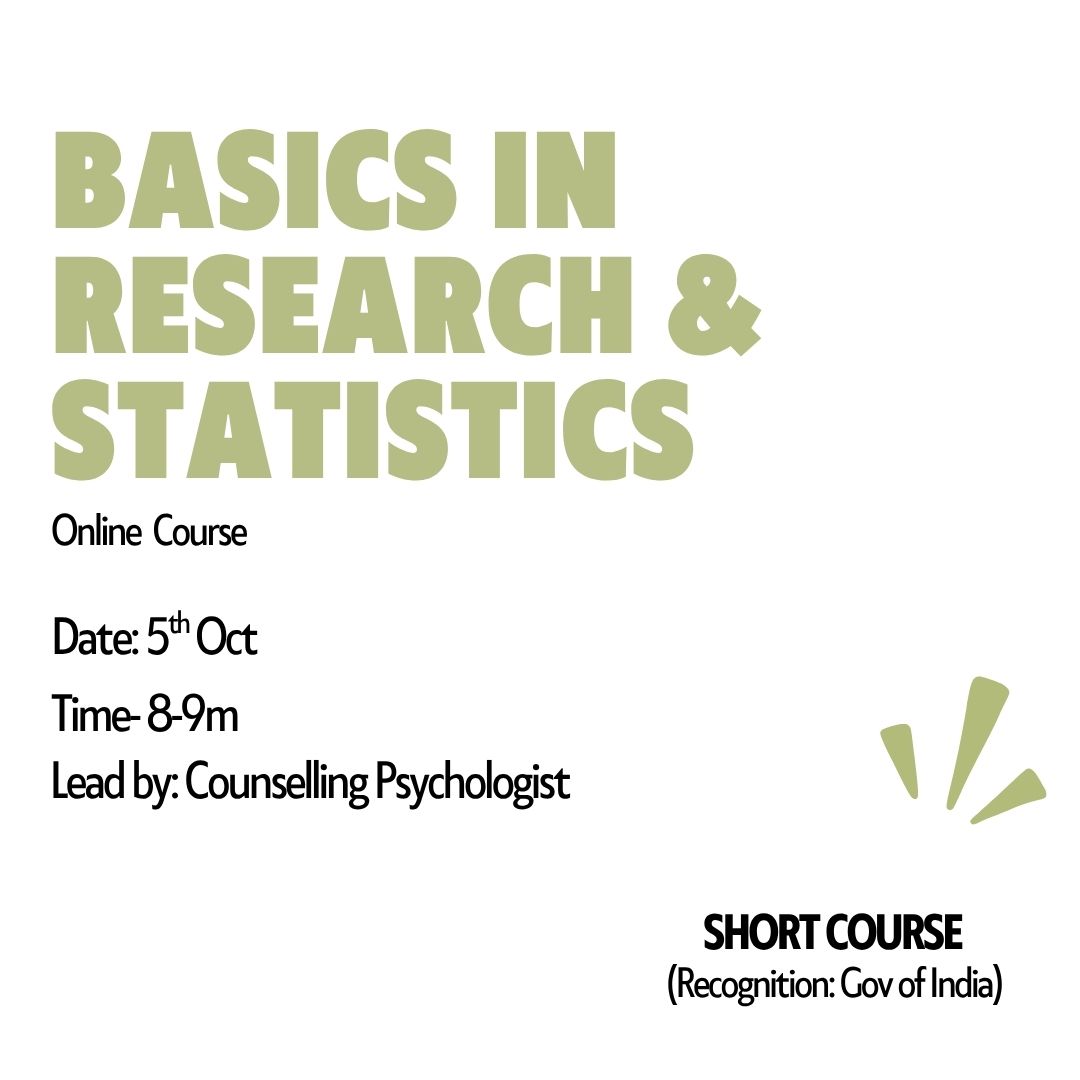
 Duration- 1 month
 Date- 5th October to 11th Dec
 Time- 8-9
 Mode- Google Meet