How to Become a Counsellor in India: Step-by-Step Guide
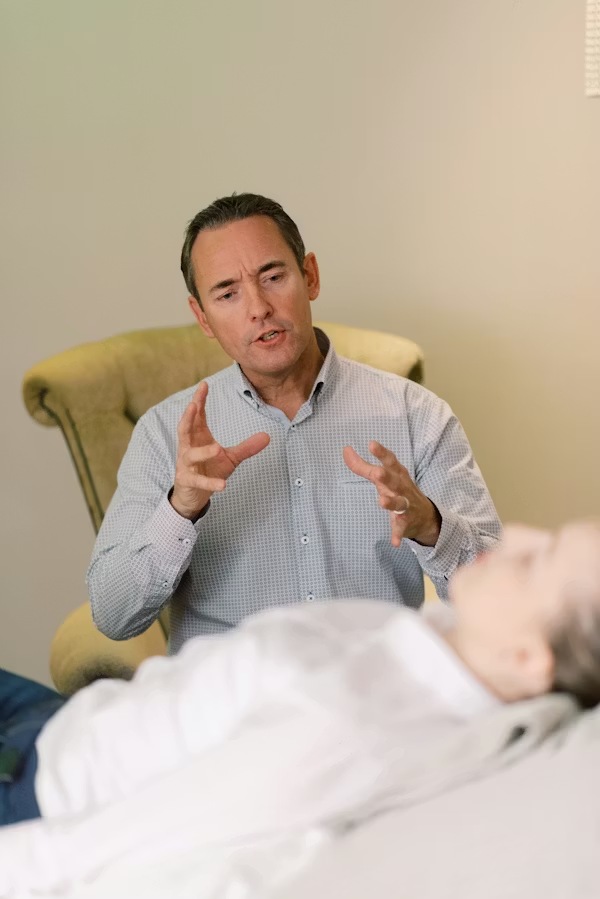
How to Become a Counsellor in India: Step-by-Step Guide Introduction: Why Learning How to Become a Counsellor Matters Today Mental health awareness in India has grown significantly over the past decade. Conversations around stress, anxiety, depression, relationships, trauma, and emotional well-being are becoming more open and socially accepted. As a result, the demand for trained mental health professionals, especially counsellors, has increased across schools, colleges, hospitals, workplaces, NGOs, and online platforms. This growing demand has led many students and working professionals to ask a crucial question: how to become a counsellor in India? Counselling is a profession rooted in empathy, ethical responsibility, and psychological skill. Counsellors help individuals navigate emotional challenges, improve coping strategies, and make meaningful changes in their lives. Unlike casual advice-giving, professional counselling requires structured education, supervised training, and ongoing skill development. With modern mental health platforms such as Psyquench services supporting counselling awareness and applied learning, aspiring counsellors today have more clarity and access than ever before. This article provides a detailed, step-by-step guide on how to become a counsellor in India, covering education pathways, certifications, skills, career options, and practical considerations. What Does a Counsellor Do? Understanding the Role Before exploring how to become a counsellor, it is important to understand what the role involves. A counsellor is a trained mental health professional who supports individuals dealing with emotional, psychological, and interpersonal concerns. Counsellors help clients explore thoughts and feelings, develop coping strategies, and work toward emotional well-being. Counsellors may work with concerns such as stress, anxiety, relationship difficulties, academic pressure, grief, self-esteem issues, and life transitions. Unlike psychiatrists, counsellors do not prescribe medication. Their work focuses on talk-based therapeutic approaches, emotional support, and behavioral change. Is Counselling the Same as Psychology or Psychiatry? Counselling is closely related to psychology but is distinct from psychiatry. Psychology is a broad academic and scientific discipline, while counselling is an applied professional role within mental health care. Psychiatry, on the other hand, is a medical specialty focused on diagnosis and medication. Understanding these distinctions helps clarify how to become a counsellor without confusion about medical or research pathways. Counsellors typically come from psychology, social work, or related backgrounds and specialize in therapeutic practice. For a general understanding of counselling psychology, this reference provides helpful background:https://en.wikipedia.org/wiki/Counseling_psychology Step 1: Choose the Right Subjects After 12th The first step in how to become a counsellor begins after completing 12th grade. Students from Arts and Science streams are both eligible to pursue psychology-related courses. Arts students commonly choose Bachelor of Arts (BA) in Psychology, while Science students may opt for Bachelor of Science (BSc) in Psychology. Both degrees provide foundational knowledge of human behavior, emotions, and mental processes, which are essential for counselling careers. Choosing psychology at the undergraduate level is not mandatory in every case, but it is highly recommended for a smooth counselling career pathway. Step 2: Complete a Bachelor’s Degree in Psychology or Related Field A bachelor’s degree is the academic foundation for becoming a counsellor. Undergraduate psychology programs typically last three years and cover subjects such as general psychology, developmental psychology, social psychology, abnormal psychology, and research methods. This stage helps students determine whether they are genuinely interested in therapeutic work. It also builds critical thinking, communication skills, and emotional awareness key competencies for future counsellors. Step 3: Pursue a Master’s Degree in Counselling or Psychology A master’s degree is a crucial step in how to become a counsellor in India. Most professional counselling roles require postgraduate education. Common options include MA or MSc in Psychology, MA in Counselling Psychology, or MA in Applied Psychology. These programs focus more deeply on counselling theories, therapeutic techniques, ethics, assessment methods, and supervised practice. Choosing a program with practical training and internships is especially important for developing real-world counselling skills. Step 4: Gain Supervised Practical Training Counselling is a practice-based profession. Academic knowledge alone is not sufficient. Supervised training allows aspiring counsellors to apply theory in real therapeutic settings under professional guidance. Training may include internships at schools, colleges, hospitals, clinics, NGOs, or mental health centers. Supervision ensures ethical practice, skill development, and emotional readiness for client work. This stage is critical in transforming theoretical learning into professional competence. Step 5: Obtain Certification or Diploma in Counselling (Optional but Valuable) In addition to formal degrees, many aspiring counsellors pursue specialized diplomas or certifications in counselling, psychotherapy, or specific therapeutic approaches. While India does not have a single mandatory licensing body for counsellors, certifications from recognized institutions enhance credibility and employability. These programs often focus on specific populations or techniques, such as child counselling, career counselling, or trauma-informed care. Step 6: Develop Core Counselling Skills Understanding how to become a counsellor also involves personal and professional skill development. Counselling requires more than academic achievement; it demands emotional intelligence, empathy, ethical awareness, and strong communication skills. Active listening, non-judgmental attitude, emotional regulation, and self-awareness are essential. Counsellors must also learn to manage boundaries and avoid emotional burnout. Skill development continues throughout a counsellor’s career through supervision, reflection, and ongoing education. Step 7: Choose a Specialization Area Counselling offers multiple specialization options. Some counsellors work with children and adolescents, others focus on adults, couples, families, or specific issues such as addiction, trauma, or career guidance. Specialization helps counsellors build expertise and align their work with personal interests. Choosing a focus area is an important step in shaping long-term career direction. Step 8: Start Working as a Counsellor After completing education and training, counsellors can begin working in various settings. Common workplaces include schools, colleges, corporate organizations, NGOs, hospitals, private clinics, and online counselling platforms. Early career roles may involve working under supervision or as part of a mental health team. With experience, many counsellors move into independent practice or leadership roles. Online Counselling and Modern Career Opportunities The rise of digital mental health platforms has expanded counselling opportunities significantly. Online counselling allows professionals to reach clients beyond geographic limitations and offers flexibility in work schedules. Platforms such as Psyquench services support accessible counselling