Understanding Anxiety in India
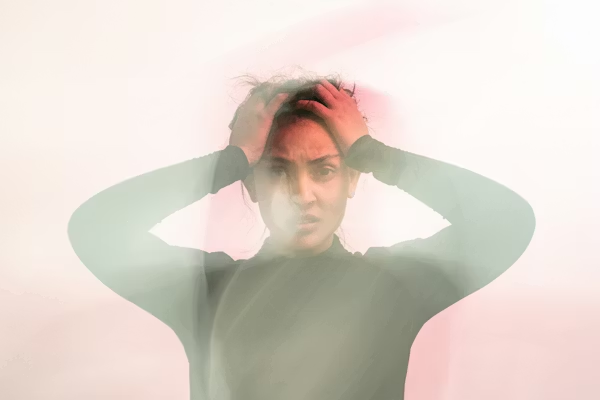
Understanding Anxiety in India A clear, in-depth guide to how anxiety shows up in the Indian lifestyle and how therapy helps. anxiety in India, mental health India, therapy for anxiety, stress treatment India, anxiety symptoms India, anxiety disorder India, anxiety therapy online India, counselling for anxiety India Introduction: Why Anxiety Needs an Indian Lens Anxiety is one of the most common yet misunderstood mental health concerns, and in the Indian context it is often hidden behind academic pressure, work stress, family expectations, financial uncertainty, and the cultural habit of normalising distress as “stress,” “tension,” or “overthinking.” From exam anxiety in students and career-related anxiety in working professionals to relationship stress and burnout, anxiety in India cuts across age groups and social backgrounds. Despite rising conversations around mental health in India and the growing availability of counselling for anxiety, anxiety therapy online, and stress treatment options, many people delay seeking help due to stigma and lack of awareness. What Is Anxiety? Anxiety is a natural human response to perceived threat or uncertainty. In short bursts, it can be adaptive, helping us prepare, stay alert, and respond to challenges. However, when anxiety becomes persistent, excessive, and disproportionate to the situation, it can interfere with daily functioning and overall quality of life. Clinically, anxiety disorders include conditions such as generalized anxiety disorder (GAD), panic disorder, social anxiety disorder, specific phobias, and trauma-related anxiety. These conditions are characterized by ongoing fear, worry, or unease that is difficult to control. In India, anxiety often goes undiagnosed because it does not always match Western textbook descriptions. Instead, it frequently appears through physical symptoms, behavioural changes, or silent emotional distress. How Anxiety Commonly Shows Up in India 1. Anxiety Disguised as “Normal Stress” One of the most defining features of anxiety in India is how normalized it is. Phrases such as “sabke saath hota hai” (this happens to everyone), “thoda stress toh rahega hi” (some stress is inevitable), or “adjust karna padta hai” (you have to adjust) often invalidate emotional distress. Many individuals function efficiently while constantly feeling restless, tense, and mentally overloaded. They may appear successful and capable from the outside, yet internally experience: Because high stress is often equated with ambition and responsibility, anxiety becomes a badge of normalcy rather than a signal for support. 2. Academic Pressure and Performance Anxiety Academic pressure is one of the earliest contributors to anxiety in India. Competitive entrance exams, ranking systems, parental expectations, and comparison with peers create a climate where worth is often tied to performance. Children and adolescents may experience: In adulthood, academic anxiety often transforms into career-related anxiety. Job insecurity, frequent evaluations, toxic work cultures, and fear of falling behind contribute to chronic stress, especially in fast-paced sectors such as IT, finance, healthcare, and education. 3. Career, Financial Stress, and Urban Living Rapid urbanization and economic shifts have changed the Indian work landscape. While opportunities have expanded, so have uncertainties. Long working hours, blurred work–life boundaries, rising living costs, and unstable employment conditions place individuals under constant pressure. Career-related anxiety may include: For many, financial responsibilities toward family add another layer of stress, making anxiety a chronic companion. 4. Family Expectations and Emotional Suppression Indian families often provide strong emotional and practical support, but they can also be a source of anxiety. Expectations around marriage, career choices, caregiving roles, and gender norms can feel overwhelming. Common anxiety triggers include: To preserve harmony, many individuals suppress their emotions, leading to internalized anxiety and guilt. 5. Somatic (Physical) Expression of Anxiety In India, emotional distress is frequently expressed through the body. Individuals may seek repeated medical consultations without recognizing anxiety as the underlying cause. Common physical symptoms include: This phenomenon is closely related to psychosomatic processes, explained here: Understanding this mind–body connection is crucial for early intervention. 6. Social Anxiety and Fear of Judgment The fear of social evaluation—often summed up as “log kya kahenge”—plays a significant role in anxiety. Social anxiety may manifest as: This is especially common among adolescents and young adults navigating identity, relationships, and independence. Stigma Around Mental Health in India Despite increasing awareness, stigma remains a major barrier to seeking help. Mental health struggles are often misunderstood as weakness, lack of willpower, or overreaction. Common myths include: How Therapy Helps with Anxiety Therapy provides a structured, confidential, and compassionate space to understand anxiety rather than fight or suppress it. 1. Understanding Triggers and Patterns Therapists help clients identify personal triggers, cognitive patterns, emotional responses, and behavioural cycles that maintain anxiety. 2. Evidence-Based Approaches Common therapeutic approaches used in India include: 3. Skill Building for Everyday Life Therapy equips individuals with practical tools such as: These tools are particularly helpful in high-pressure Indian lifestyles. 4. Working with Culture and Family Dynamics Culturally sensitive therapy respects Indian values while supporting emotional wellbeing. Therapy helps clients: Online Therapy and Mental Health Platforms in India Online therapy has significantly expanded access to mental health care. Notable platforms include: These platforms have helped normalize therapy for anxiety and stress treatment in India. Summary Anxiety in India is shaped by academic pressure, career uncertainty, family expectations, social judgment, and stigma. It often presents as physical symptoms or chronic stress rather than emotional distress. Understanding anxiety within its cultural context allows for earlier recognition and effective intervention. Conclusion Anxiety is not a personal failure or a lack of resilience. It is a human response shaped by biology, psychology, and environment. In India, where pressure and expectations are high, caring for mental health is essential. Therapy does not reject cultural values, it helps individuals live within them more healthily. Anxiety is treatable, and support is available. Book your anxiety relief session today with PsyQuench or connect on 9685121955.Taking the first step toward therapy can open the door to a calmer, more balanced life. Frequently Asked Questions (FAQs) Is anxiety common in India? Yes. Anxiety disorders are among the most common mental health concerns in India, though they are often underreported due to stigma, lack of awareness, and normalization of