Imposter Syndrome: Why High Achievers Struggle Silently

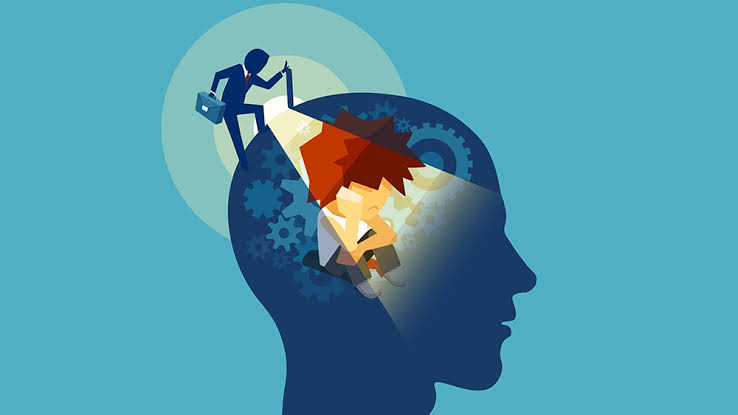
Imposter Syndrome: Why High Achievers Struggle Silently Introduction: Why Imposter Syndrome Counselling Is More Relevant Than Ever Many people assume that success brings confidence, self-belief, and emotional security. However, for a significant number of high achievers, success brings something very different, persistent self-doubt, fear of being exposed as a fraud, and an inability to internalize achievements. This experience is commonly known as imposter syndrome, and it affects students, professionals, creatives, leaders, and even experts at the top of their fields. The growing demand for imposter syndrome counselling reflects how deeply this issue impacts mental health and overall well-being. Imposter syndrome often operates quietly. Those affected may appear confident, competent, and accomplished on the outside while struggling internally with anxiety, perfectionism, and chronic self-criticism. Because high achievers are often praised for their success, their internal struggles are frequently overlooked or dismissed, both by others and by themselves. As mental health conversations become more open, platforms such as Psyquench services emphasize the importance of addressing invisible struggles like imposter syndrome through awareness, emotional support, and professional counselling. This article explores what imposter syndrome is, why high achievers are particularly vulnerable, and how imposter syndrome counselling plays a vital role in breaking the cycle of silent self-doubt. What Is Imposter Syndrome? Imposter syndrome is a psychological pattern in which individuals doubt their abilities, skills, or accomplishments and fear being exposed as a fraud despite objective evidence of competence. People experiencing imposter syndrome often attribute success to luck, timing, or external help rather than their own effort or ability. Although not a formal mental health diagnosis, imposter syndrome is widely recognized in psychological research and clinical practice. It is associated with anxiety, depression, burnout, and reduced self-esteem. Understanding imposter syndrome is the first step toward recognizing the value of imposter syndrome counselling. For a general overview of the concept, this reference provides helpful background:https://en.wikipedia.org/wiki/Impostor_syndrome Why High Achievers Are Especially Vulnerable High achievers often set exceptionally high standards for themselves. While ambition and drive can lead to success, they can also create a mindset where nothing ever feels “good enough.” Achievements are quickly discounted, and mistakes are magnified. In competitive academic and professional environments, constant comparison further fuels imposter syndrome. High achievers may believe that others are more capable or deserving, even when evidence suggests otherwise. This internal conflict explains why imposter syndrome counselling is particularly relevant for students, professionals, and leaders. The Silent Nature of Imposter Syndrome One of the most challenging aspects of imposter syndrome is how quietly it operates. Many individuals feel ashamed of their self-doubt, believing that admitting it would confirm their fears of inadequacy. As a result, they suffer in silence. This silence is reinforced by external expectations. High achievers are often seen as role models or success stories, making it harder to express vulnerability. Over time, this emotional isolation intensifies anxiety and self-criticism, making imposter syndrome counselling an essential outlet for support. Common Signs and Symptoms of Imposter Syndrome Imposter syndrome manifests in various ways. Emotionally, individuals may experience persistent self-doubt, fear of failure, or anxiety about being “found out.” Cognitively, they may engage in negative self-talk or discount positive feedback. Behaviorally, imposter syndrome can lead to overworking, perfectionism, procrastination, or avoidance of new opportunities. Physically, chronic stress associated with imposter syndrome may contribute to fatigue, sleep disturbances, or tension-related symptoms. Recognizing these patterns helps individuals understand when imposter syndrome counselling may be beneficial. Different Types of Imposter Syndrome Psychological research suggests that imposter syndrome can present in different forms. Some individuals are perfectionists who believe anything less than flawless performance equals failure. Others are “experts” who feel inadequate unless they know everything. There are also “soloists” who avoid asking for help, believing competence means independence, and “superpeople” who push themselves to excel in every role. Understanding these patterns allows counselling to be tailored to individual experiences of imposter syndrome. The Emotional Cost of Living With Imposter Syndrome Living with imposter syndrome is emotionally exhausting. Constant self-monitoring and fear of exposure keep the nervous system in a state of heightened stress. Over time, this can lead to burnout, emotional numbness, or chronic anxiety. Imposter syndrome also erodes self-trust. Individuals may hesitate to take risks, pursue opportunities, or celebrate achievements. Without support, this internal struggle can significantly limit personal and professional growth, highlighting the importance of imposter syndrome counselling. Why Reassurance Alone Does Not Work Well-meaning reassurance from friends or colleagues often fails to relieve imposter syndrome. Compliments may feel undeserved, and external validation is quickly dismissed. This happens because imposter syndrome is rooted in internal belief systems, not external feedback. Counselling focuses on addressing these deeper beliefs rather than relying solely on reassurance, making imposter syndrome counselling far more effective than surface-level encouragement. How Imposter Syndrome Affects Mental Health Imposter syndrome is closely linked to anxiety, depression, and chronic stress. The pressure to maintain an image of competence can lead to emotional suppression and reduced self-compassion. Over time, this emotional strain may contribute to burnout, reduced motivation, or feelings of emptiness despite success. Addressing imposter syndrome through counselling supports both emotional well-being and long-term mental health. The Role of Counselling in Addressing Imposter Syndrome Imposter syndrome counselling provides a safe, nonjudgmental space to explore self-doubt, fear, and internalized beliefs about worth and success. Counsellors help individuals identify patterns of thinking that sustain imposter feelings and replace them with healthier perspectives. Counselling also encourages emotional awareness and self-compassion. Rather than pushing individuals to “be more confident,” therapy helps them understand why confidence feels inaccessible and how to rebuild it authentically. Cognitive and Emotional Strategies Used in Counselling Counselling often incorporates cognitive strategies to challenge distorted thinking patterns, such as all-or-nothing thinking or discounting achievements. Emotional strategies focus on validating feelings and reducing shame. Through reflective dialogue, individuals learn to separate their identity from performance and develop a more balanced sense of self-worth. These approaches make imposter syndrome counselling a transformative process rather than a quick fix. How Counselling Helps High Achievers Specifically For high achievers, counselling addresses perfectionism, fear
Burnout or Depression? How Counselling Helps You Tell the Difference

Burnout or Depression? How Counselling Helps You Tell the Difference Introduction: Why Burnout Counselling Matters More Than Ever Feeling constantly exhausted, emotionally drained, and detached from work or life has become increasingly common in today’s fast-paced world. Many people describe themselves as “burnt out,” while others wonder if what they are experiencing is actually depression. Because the symptoms can look similar on the surface, it is easy to confuse the two. This confusion often delays seeking the right kind of help. Understanding the difference, and how burnout counselling can help, is essential for effective recovery. Burnout and depression are not the same, yet they often overlap. Burnout is typically linked to chronic stress, especially in work or caregiving roles, whereas depression is a broader mental health condition that affects multiple areas of life. Without proper support, burnout can evolve into depression, making early identification even more important. As mental health awareness grows, platforms such as Psyquench services emphasize the importance of counselling in helping individuals understand what they are experiencing and choose the right path forward. This article explores burnout and depression in depth and explains how burnout counselling plays a crucial role in telling the difference and guiding recovery. What Is Burnout? Understanding Emotional and Mental Exhaustion Burnout is a state of physical, emotional, and mental exhaustion caused by prolonged exposure to stress, most commonly related to work or long-term responsibilities. It develops gradually when demands consistently outweigh a person’s resources, recovery time, and sense of control. Burnout is characterized by emotional exhaustion, cynicism or detachment, and a reduced sense of accomplishment. People experiencing burnout often feel depleted rather than sad. Their motivation declines not because they lack interest in life, but because they are overwhelmed and overextended. The concept of burnout is widely discussed in occupational psychology and stress research. For a general overview, this reference provides helpful background:https://en.wikipedia.org/wiki/Occupational_burnout What Is Depression? A Broader Mental Health Condition Depression, clinically referred to as major depressive disorder, is a mental health condition that affects mood, thinking, behavior, and physical functioning. Unlike burnout, depression is not limited to one area of life and can persist even when external stressors are reduced. Depression often involves persistent sadness, loss of interest or pleasure, feelings of worthlessness, changes in sleep or appetite, fatigue, difficulty concentrating, and sometimes thoughts of death or suicide. It affects how a person experiences themselves, others, and the future. Because depression alters emotional processing at a deeper level, it requires careful assessment and appropriate mental health support. Counselling plays a central role in identifying whether symptoms reflect burnout, depression, or both. Why Burnout and Depression Are Often Confused Burnout and depression share several overlapping symptoms, including fatigue, reduced motivation, irritability, and difficulty concentrating. Both can lead to withdrawal from activities and strained relationships. The key difference lies in context and scope. Burnout symptoms are usually tied to specific stressors, most often work, while depression affects multiple areas of life, including personal relationships and self-esteem. However, when burnout becomes chronic, it can begin to resemble depression, making professional guidance essential. This overlap is exactly why burnout counselling is so important. Counselling helps clarify what is driving the symptoms rather than relying on self-diagnosis or labels. Key Signs That Point Toward Burnout Burnout typically develops in environments where expectations are high and recovery is limited. People experiencing burnout often feel emotionally exhausted and mentally “empty.” They may feel detached from their work, cynical about responsibilities, or disconnected from colleagues. A defining feature of burnout is that relief is often experienced when the stressor is removed. Taking time off, changing workloads, or improving boundaries can temporarily improve mood and energy. This pattern is an important clue explored during burnout counselling. Key Signs That Point Toward Depression Depression tends to affect emotional life more globally. People may feel hopeless, numb, or persistently low regardless of circumstances. Activities that once brought joy no longer feel meaningful, and rest does not restore energy. Self-critical thoughts are more prominent in depression than in burnout. Individuals may feel like a burden or believe they are inherently flawed. These internal experiences are central to how counselling differentiates depression from burnout. How Counselling Helps Clarify the Difference One of the primary roles of burnout counselling is assessment through conversation rather than checklists alone. Counsellors explore when symptoms began, what triggers them, and how they fluctuate across situations. Counselling looks at emotional patterns, stress history, belief systems, and coping strategies. This holistic approach helps identify whether symptoms are primarily stress-driven, mood-driven, or a combination of both. Exploring Work, Identity, and Meaning in Burnout Counselling Burnout counselling often focuses on the relationship between identity and productivity. Many people experiencing burnout tie their self-worth to achievement, performance, or external validation. Counselling helps individuals examine unrealistic expectations, perfectionism, and boundaries. This process not only reduces burnout symptoms but also prevents recurrence by reshaping how work and self-worth are connected. Addressing Emotional Depth in Depression Counselling When depression is present, counselling explores deeper emotional themes such as loss, unresolved grief, chronic self-criticism, or feelings of emptiness. Therapy helps individuals understand emotional patterns rather than simply reducing stress. Counselling also supports rebuilding motivation and meaning gradually, recognizing that depression recovery often takes time and patience. When Burnout Turns Into Depression Prolonged burnout can increase vulnerability to depression, especially when exhaustion is ignored or minimized. When burnout is left unaddressed, emotional depletion can evolve into hopelessness and withdrawal. Burnout counselling is especially valuable at this stage because it helps interrupt this progression. Early intervention can prevent burnout from deepening into a more pervasive depressive episode. Why Self-Diagnosis Often Falls Short Online quizzes and self-labels can raise awareness, but they rarely provide clarity. People may dismiss depression as “just burnout” or underestimate the seriousness of their emotional state. Counselling offers a nuanced understanding that self-assessment tools cannot provide. It focuses on individual experience rather than generic categories. The Role of Counselling in Recovery and Prevention Counselling is not only about diagnosis; it is also about recovery and
Panic Attacks vs Anxiety Attacks: How Are They Different?

Panic Attacks vs Anxiety Attacks: How Are They Different? Introduction: Why Understanding Panic Attack vs Anxiety Attack Is So Important Many people use the terms panic attack and anxiety attack interchangeably, often assuming they mean the same thing. While both experiences involve intense fear, physical discomfort, and emotional distress, they are not identical. Misunderstanding the difference between a panic attack vs anxiety attack can lead to confusion, unnecessary fear, and delays in seeking the right kind of help. For someone experiencing these symptoms for the first time, the experience can feel overwhelming and frightening. Rapid heartbeat, breathlessness, dizziness, and a sense of losing control may make people fear they are having a medical emergency. Others may worry that something is “seriously wrong” with them psychologically. Clear information about panic attacks and anxiety attacks helps normalize these experiences and reduces fear. As awareness of mental health grows, counselling platforms such as Psyquench services emphasize psychoeducation as a key step in recovery. This article provides a comprehensive, detailed explanation of panic attack vs anxiety attack, how they differ, why they happen, and how counselling can help individuals manage and recover from both. What Is Anxiety? The Foundation of Anxiety Attacks Anxiety is a natural emotional response to perceived threat or stress. It helps humans stay alert and prepared in challenging situations. However, when anxiety becomes excessive, persistent, or disproportionate to the situation, it can interfere with daily functioning. Anxiety often develops gradually and is linked to ongoing stressors such as work pressure, academic demands, relationship difficulties, health concerns, or uncertainty about the future. This prolonged state of worry and tension forms the background for what people commonly describe as anxiety attacks. Understanding anxiety as a spectrum is essential for making sense of the panic attack vs anxiety attack distinction. What Is an Anxiety Attack? An anxiety attack is an informal term used to describe a period of heightened anxiety that builds over time. Unlike panic attacks, anxiety attacks are not a formal diagnostic category in clinical manuals, but the experience is very real and widely recognized. Anxiety attacks are typically triggered by identifiable stressors. Symptoms may intensify gradually and include excessive worry, restlessness, muscle tension, difficulty concentrating, irritability, and physical discomfort such as a racing heart or shortness of breath. Because anxiety attacks are linked to ongoing stress or worry, they often last longer than panic attacks and fluctuate in intensity rather than peaking suddenly. What Is a Panic Attack? A panic attack is a sudden and intense surge of fear or discomfort that reaches its peak within minutes. Panic attacks often feel overwhelming and can occur without an obvious trigger, even when a person appears calm beforehand. Common symptoms include heart palpitations, chest pain, breathlessness, dizziness, trembling, sweating, nausea, chills or heat sensations, and a fear of losing control or dying. Panic attacks are a defining feature of panic disorder but can also occur in other anxiety disorders. For a clinical overview of panic attacks and panic disorder, this reference provides helpful background:https://en.wikipedia.org/wiki/Panic_attack The Core Difference: Panic Attack vs Anxiety Attack The most important difference between a panic attack vs anxiety attack lies in how they begin and how intense they are. Panic attacks are abrupt, intense, and peak quickly, often without warning. Anxiety attacks develop more slowly and are usually linked to identifiable stressors or worries. Panic attacks tend to be shorter but more severe, while anxiety attacks can last longer and feel more mentally exhausting. Understanding this distinction helps individuals make sense of their experiences and reduces fear of the unknown. Triggers: Identifiable vs Unexpected Anxiety attacks are usually triggered by something specific, such as an upcoming exam, work deadline, conflict, or health concern. The mind becomes caught in a loop of worry that gradually escalates into physical symptoms. Panic attacks, on the other hand, often feel “out of the blue.” Even when there is an underlying vulnerability, the immediate trigger may not be obvious. This unpredictability is one reason panic attacks are so frightening and why the panic attack vs anxiety attack distinction matters clinically. Intensity and Physical Sensations While both experiences involve physical symptoms, panic attacks are typically more intense. The body’s fight-or-flight response is activated abruptly, leading to dramatic physical sensations that mimic medical emergencies. Anxiety attacks involve physical symptoms too, but they are often less intense and more prolonged. Muscle tension, fatigue, and restlessness are common, reflecting sustained stress rather than sudden alarm. Duration and Recovery Panic attacks usually peak within 10 to 20 minutes and then gradually subside. Although the physical symptoms may resolve relatively quickly, emotional aftereffects such as exhaustion or fear of recurrence can last longer. Anxiety attacks may persist for hours or even days, waxing and waning depending on stress levels. Recovery is often slower because the underlying stressor remains present. Fear of Fear: The Panic Cycle One hallmark of panic attacks is the fear of having another attack. After experiencing a panic attack, individuals may become hyperaware of bodily sensations and interpret normal changes as signs of danger. This fear of fear can lead to avoidance behaviors, such as avoiding public places or situations associated with previous attacks. Understanding this cycle is crucial in panic attack vs anxiety attack education and treatment. How Anxiety Attacks Affect Daily Life Anxiety attacks are often embedded in everyday stress. They may interfere with concentration, productivity, sleep, and relationships. People experiencing anxiety attacks often feel mentally overwhelmed rather than acutely terrified. Because anxiety attacks are linked to ongoing stress, individuals may normalize them and delay seeking help, assuming they are “just stressed.” Counselling helps individuals recognize when anxiety has become unmanageable. Medical Concerns and Misinterpretation Both panic attacks and anxiety attacks are frequently mistaken for heart attacks or other medical emergencies, especially during a first episode. This leads many people to seek emergency medical care. While it is important to rule out medical conditions, repeated reassurance that “nothing is wrong” does not address the underlying anxiety. Understanding panic attack vs anxiety attack helps
How to Become a Counsellor in India: Step-by-Step Guide

How to Become a Counsellor in India: Step-by-Step Guide Introduction: Why Learning How to Become a Counsellor Matters Today Mental health awareness in India has grown significantly over the past decade. Conversations around stress, anxiety, depression, relationships, trauma, and emotional well-being are becoming more open and socially accepted. As a result, the demand for trained mental health professionals, especially counsellors, has increased across schools, colleges, hospitals, workplaces, NGOs, and online platforms. This growing demand has led many students and working professionals to ask a crucial question: how to become a counsellor in India? Counselling is a profession rooted in empathy, ethical responsibility, and psychological skill. Counsellors help individuals navigate emotional challenges, improve coping strategies, and make meaningful changes in their lives. Unlike casual advice-giving, professional counselling requires structured education, supervised training, and ongoing skill development. With modern mental health platforms such as Psyquench services supporting counselling awareness and applied learning, aspiring counsellors today have more clarity and access than ever before. This article provides a detailed, step-by-step guide on how to become a counsellor in India, covering education pathways, certifications, skills, career options, and practical considerations. What Does a Counsellor Do? Understanding the Role Before exploring how to become a counsellor, it is important to understand what the role involves. A counsellor is a trained mental health professional who supports individuals dealing with emotional, psychological, and interpersonal concerns. Counsellors help clients explore thoughts and feelings, develop coping strategies, and work toward emotional well-being. Counsellors may work with concerns such as stress, anxiety, relationship difficulties, academic pressure, grief, self-esteem issues, and life transitions. Unlike psychiatrists, counsellors do not prescribe medication. Their work focuses on talk-based therapeutic approaches, emotional support, and behavioral change. Is Counselling the Same as Psychology or Psychiatry? Counselling is closely related to psychology but is distinct from psychiatry. Psychology is a broad academic and scientific discipline, while counselling is an applied professional role within mental health care. Psychiatry, on the other hand, is a medical specialty focused on diagnosis and medication. Understanding these distinctions helps clarify how to become a counsellor without confusion about medical or research pathways. Counsellors typically come from psychology, social work, or related backgrounds and specialize in therapeutic practice. For a general understanding of counselling psychology, this reference provides helpful background:https://en.wikipedia.org/wiki/Counseling_psychology Step 1: Choose the Right Subjects After 12th The first step in how to become a counsellor begins after completing 12th grade. Students from Arts and Science streams are both eligible to pursue psychology-related courses. Arts students commonly choose Bachelor of Arts (BA) in Psychology, while Science students may opt for Bachelor of Science (BSc) in Psychology. Both degrees provide foundational knowledge of human behavior, emotions, and mental processes, which are essential for counselling careers. Choosing psychology at the undergraduate level is not mandatory in every case, but it is highly recommended for a smooth counselling career pathway. Step 2: Complete a Bachelor’s Degree in Psychology or Related Field A bachelor’s degree is the academic foundation for becoming a counsellor. Undergraduate psychology programs typically last three years and cover subjects such as general psychology, developmental psychology, social psychology, abnormal psychology, and research methods. This stage helps students determine whether they are genuinely interested in therapeutic work. It also builds critical thinking, communication skills, and emotional awareness key competencies for future counsellors. Step 3: Pursue a Master’s Degree in Counselling or Psychology A master’s degree is a crucial step in how to become a counsellor in India. Most professional counselling roles require postgraduate education. Common options include MA or MSc in Psychology, MA in Counselling Psychology, or MA in Applied Psychology. These programs focus more deeply on counselling theories, therapeutic techniques, ethics, assessment methods, and supervised practice. Choosing a program with practical training and internships is especially important for developing real-world counselling skills. Step 4: Gain Supervised Practical Training Counselling is a practice-based profession. Academic knowledge alone is not sufficient. Supervised training allows aspiring counsellors to apply theory in real therapeutic settings under professional guidance. Training may include internships at schools, colleges, hospitals, clinics, NGOs, or mental health centers. Supervision ensures ethical practice, skill development, and emotional readiness for client work. This stage is critical in transforming theoretical learning into professional competence. Step 5: Obtain Certification or Diploma in Counselling (Optional but Valuable) In addition to formal degrees, many aspiring counsellors pursue specialized diplomas or certifications in counselling, psychotherapy, or specific therapeutic approaches. While India does not have a single mandatory licensing body for counsellors, certifications from recognized institutions enhance credibility and employability. These programs often focus on specific populations or techniques, such as child counselling, career counselling, or trauma-informed care. Step 6: Develop Core Counselling Skills Understanding how to become a counsellor also involves personal and professional skill development. Counselling requires more than academic achievement; it demands emotional intelligence, empathy, ethical awareness, and strong communication skills. Active listening, non-judgmental attitude, emotional regulation, and self-awareness are essential. Counsellors must also learn to manage boundaries and avoid emotional burnout. Skill development continues throughout a counsellor’s career through supervision, reflection, and ongoing education. Step 7: Choose a Specialization Area Counselling offers multiple specialization options. Some counsellors work with children and adolescents, others focus on adults, couples, families, or specific issues such as addiction, trauma, or career guidance. Specialization helps counsellors build expertise and align their work with personal interests. Choosing a focus area is an important step in shaping long-term career direction. Step 8: Start Working as a Counsellor After completing education and training, counsellors can begin working in various settings. Common workplaces include schools, colleges, corporate organizations, NGOs, hospitals, private clinics, and online counselling platforms. Early career roles may involve working under supervision or as part of a mental health team. With experience, many counsellors move into independent practice or leadership roles. Online Counselling and Modern Career Opportunities The rise of digital mental health platforms has expanded counselling opportunities significantly. Online counselling allows professionals to reach clients beyond geographic limitations and offers flexibility in work schedules. Platforms such as Psyquench services support accessible counselling
ADHD in Adults: Signs, Diagnosis, and Counselling Support

ADHD in Adults: Signs, Diagnosis, and Counselling Support Introduction: Why Adult ADHD Counselling Is Gaining Attention For many years, Attention Deficit Hyperactivity Disorder (ADHD) was considered a childhood condition that people “outgrew” with age. Today, research and clinical experience clearly show that ADHD often persists into adulthood. However, because adult responsibilities look very different from childhood demands, ADHD in adults frequently goes unrecognized or misunderstood. This is why awareness around adult ADHD counselling has grown significantly in recent years. Adults with ADHD may struggle with focus, organization, emotional regulation, and time management while appearing outwardly functional. Many spend years believing they are lazy, careless, or simply “bad at adulting,” without realizing there is a neurodevelopmental explanation for their experiences. These internalized beliefs often lead to anxiety, low self-esteem, burnout, or depression. With improved understanding and accessible mental health platforms such as Psyquench services, adults are increasingly seeking clarity, diagnosis, and support for ADHD. This article provides a comprehensive guide to ADHD in adults, covering signs, diagnosis, and the vital role of adult ADHD counselling in building effective coping strategies and improving quality of life. What Is ADHD? A Brief Overview ADHD, or Attention Deficit Hyperactivity Disorder, is a neurodevelopmental condition that affects attention, impulse control, and activity regulation. It is not a lack of intelligence or motivation but a difference in how the brain processes information and manages executive functions. ADHD is typically categorized into three presentations: predominantly inattentive, predominantly hyperactive-impulsive, and combined type. While hyperactivity may be more visible in children, adult ADHD often manifests in subtler ways such as mental restlessness, distractibility, and difficulty managing daily responsibilities. For a general clinical overview of ADHD, this reference provides helpful background:https://en.wikipedia.org/wiki/Attention_deficit_hyperactivity_disorder Why ADHD Often Goes Undiagnosed in Adults Many adults with ADHD were never assessed in childhood, especially if they performed adequately in school or did not display disruptive behavior. Inattentive symptoms, particularly in girls and quiet children, were often overlooked. As adults, these individuals may develop coping mechanisms that mask symptoms, such as overworking, relying on external reminders, or avoiding challenging tasks. Over time, however, these strategies can become exhausting, leading people to seek adult ADHD counselling after years of unexplained struggle. Common Signs of ADHD in Adults Adult ADHD symptoms often differ from childhood presentations. Inattention may show up as difficulty sustaining focus, frequent distraction, forgetfulness, or trouble completing tasks. Adults may struggle to prioritize, manage time, or follow through on long-term goals. Hyperactivity in adults is often internal rather than physical. Individuals may experience constant mental chatter, restlessness, or difficulty relaxing. Impulsivity may appear as interrupting others, making quick decisions without considering consequences, or difficulty regulating emotions. Emotional and Psychological Impact of Adult ADHD Beyond practical difficulties, ADHD has a significant emotional impact. Many adults experience chronic frustration, shame, or self-doubt due to repeated struggles with organization, productivity, or consistency. Because ADHD is often misunderstood, individuals may internalize negative feedback from teachers, employers, or family members. This emotional burden makes adult ADHD counselling particularly important, as therapy addresses both symptoms and self-perception. ADHD vs Anxiety or Depression in Adults Adult ADHD is frequently misdiagnosed as anxiety or depression because symptoms overlap. Difficulty concentrating, restlessness, and emotional overwhelm are common to all three. However, in ADHD, these challenges are rooted in executive functioning differences rather than mood alone. Counselling and proper assessment help clarify whether ADHD is the underlying issue, a co-occurring condition, or both. The Role of Executive Functioning in Adult ADHD Executive functions include planning, organization, working memory, emotional regulation, and impulse control. In adults with ADHD, these functions may be underdeveloped or inconsistently accessible. This explains why intelligent, capable adults can still struggle with basic tasks like paying bills on time, keeping track of commitments, or starting projects. Adult ADHD counselling often focuses on strengthening executive functioning skills through practical strategies. How Adult ADHD Affects Work and Career In the workplace, ADHD can affect productivity, time management, and communication. Adults may struggle with deadlines, multitasking, or staying engaged in routine tasks. Despite these challenges, many adults with ADHD excel in creative, dynamic, or problem-solving roles. Counselling helps individuals identify strengths, manage challenges, and advocate for supportive work environments. How Adult ADHD Affects Relationships ADHD can impact relationships through forgetfulness, emotional reactivity, or inconsistent attention. Partners may feel unheard or unsupported, while individuals with ADHD may feel misunderstood or criticized. Adult ADHD counselling helps improve communication, emotional awareness, and relationship skills, benefiting both individuals and their loved ones. Diagnosis of ADHD in Adults Diagnosing ADHD in adults involves a comprehensive assessment rather than a single test. Mental health professionals gather information about childhood history, current symptoms, and functional impact across settings. Assessment may include clinical interviews, standardized questionnaires, and sometimes input from family members. Accurate diagnosis is essential for effective treatment and self-understanding. Why Self-Diagnosis Is Not Enough Many adults resonate with ADHD-related content online, which can be validating but also confusing. Self-diagnosis alone may overlook other conditions or lead to incomplete understanding. Professional assessment ensures clarity and guides appropriate intervention, including adult ADHD counselling, skill-building, and, when necessary, medical referral. How Adult ADHD Counselling Helps Adult ADHD counselling focuses on helping individuals understand their neurodivergent brain and develop practical coping strategies. Therapy is not about “fixing” ADHD but about working with it effectively. Counselling helps individuals build structure, manage time, regulate emotions, and reduce self-criticism. It also supports identity reconstruction, helping adults move from self-blame to self-compassion. Counselling Approaches Used for Adult ADHD Therapeutic approaches often include cognitive-behavioral strategies adapted for ADHD, psychoeducation, and skills training. Counsellors help clients break tasks into manageable steps, develop routines, and create external supports. Emotional support is equally important. Therapy addresses frustration, burnout, and the emotional impact of years of undiagnosed ADHD. Medication vs Counselling: What’s the Difference? Medication can be helpful for some adults with ADHD, particularly in improving focus and impulse control. However, medication alone does not teach skills or address emotional patterns. Adult ADHD counselling complements medical treatment by focusing on behavior, habits, self-awareness, and
Why PsyQuench is India’s Go-To Psychology Platform
Discover what makes PsyQuench a trusted name in psychology education and counselling. The world of psychology in India is growing faster than ever and with it, so is the need for learning spaces that feel both professional and human. For students, early-career professionals, and anyone seeking mental wellness, choosing where to study or seek support isn’t just about certificates or sessions; it’s about trust, guidance, and authenticity.At PsyQuench, we’ve worked to become more than an online portal. We’ve built a space where people come to learn deeply, heal safely, and grow confidently. Here’s why so many call us the best psychology course platform in India and why thousands have chosen to start, or restart, their psychology journey here. Bridging Learning and Practice Many psychology students share a similar frustration: plenty of theory, but limited real-world application. At PsyQuench, our philosophy is simple: knowledge should meet practice. Our courses don’t stop at slides or recorded lectures. Instead, we offer: This approach helps learners move beyond memorisation, into real skills they can bring to internships, workplaces, or private practice. Designed for Every Step of the Journey Whether you’re just discovering psychology, finishing your master’s, or already working in the field, PsyQuench has built offerings for you. By bringing education and therapy onto one platform, we help users not just understand psychology, but experience its benefits first-hand. Expertise That Feels Human What truly sets PsyQuench apart isn’t only content, but the people behind it. Our trainers and therapists are: For students, this means mentorship that feels supportive, not intimidating. For therapy clients, it means sessions grounded in empathy and expertise. Flexible, Yet Personal India’s learners and clients come from diverse cities, towns, and schedules. That’s why PsyQuench offers: Despite being digital, the heart of PsyQuench remains personal connection; real conversations, real feedback, and real community. Community That Grows With You Learning psychology shouldn’t be a solo journey. At PsyQuench, students and clients often describe finding more than a course or session, they find peers who share questions, doubts, and victories. Through discussion groups, reflective assignments, and alumni networks, our community keeps growing, turning isolated learners into connected professionals. Quality You Can Trust As a platform built specifically for psychology, PsyQuench prioritises: This commitment to quality is why so many call us the best psychology course platform India, and why our alumni recommend us forward. Also Read: Upskilling in 2025: Beyond Traditional Academics Impact Beyond the Screen PsyQuench isn’t only about individual growth; it’s about shaping the field itself. Many of our students and interns go on to: By making psychology accessible, practical, and culturally relevant, we hope to help mental wellness ripple outward into families, teams, and society. Summary PsyQuench has become India’s trusted psychology platform by staying true to three promises: learn deeply, with courses that combine theory and practice; heal safely, through professional, confidential counselling; and grow confidently, supported by mentors and a learning community.It’s more than a platform; it’s a space where curiosity meets compassion, and passion becomes purpose. Conclusion In a crowded world of online courses and quick solutions, PsyQuench stands out by putting people first, students, clients, and the communities they’ll serve. If you’re seeking knowledge that goes beyond exams, therapy that feels truly human, and growth that lasts beyond the classroom, PsyQuench is here to walk the journey with you. Ready to start? Explore our platform today – Learn. Heal. Grow. FAQs Q1: Are PsyQuench courses recognised?Yes. Certificates are issued by PsyQuench and valued by NGOs, schools, wellness centres, and internships across India. Q2: Do I need a psychology degree to join?Not always. Many short-term courses are beginner-friendly; some advanced modules may require prior study. Q3: Is therapy available only to students?No. Anyone, student, professional, or parent can book counselling sessions. Q4: Are classes live or recorded?Both. Live sessions ensure interaction; recordings help revision. Q5: Can I combine multiple courses?Absolutely. Many learners build a customised pathway, e.g., counselling + child psychology. Q6: Is PsyQuench only online?Currently, yes making it accessible anywhere in India.