
Applied Psychology Courses Online: Skills for Practice

Applied Psychology Courses Online: Skills for Practice Psychology is often introduced through textbooks, theories, and academic discussions. While theoretical knowledge is essential, many students and professionals realize that real-world psychological work requires practical skills. Understanding human behavior in everyday contexts, responding to emotional concerns, and applying therapeutic techniques all require hands-on learning. This has led to growing interest in applied psychology courses online that focus on practical skill-building rather than theory alone. With mental health awareness increasing globally, individuals from diverse backgrounds are exploring applied psychology as a career or skill set. Students preparing for counselling roles, teachers supporting students, HR professionals managing workplace well-being, and healthcare workers interacting with patients all benefit from applied psychology training. Applied psychology courses online provide flexible and accessible learning opportunities that help individuals translate psychological knowledge into real-world practice. The rise of digital education has made it easier to access high-quality training without relocating or leaving existing commitments. However, learners often wonder whether online courses can truly provide practical experience. Understanding what applied psychology involves and how these courses are structured can help learners choose programs that align with their goals. To understand how psychology is applied in real-life contexts, you can watch this introductory overview: Fields of Modern Psychology | Major Branches and Applications Explained What Is Applied Psychology? Applied psychology focuses on using psychological principles to solve real-world problems. It involves applying theories of behavior, cognition, and emotion in practical settings such as counselling, education, healthcare, and organizations. Applied psychology uses research and theory to address everyday challenges. This includes areas such as clinical psychology, organizational psychology, and educational psychology. Applied psychology courses online introduce learners to practical applications of psychological concepts. They help individuals understand how to communicate effectively, manage stress, support others, and apply interventions in real-life contexts. Also Read: Psychology – Wikipedia Why Applied Psychology Courses Online Are Popular The popularity of applied psychology courses online has grown due to increased awareness of mental health and emotional well-being. Many individuals want to develop skills that help them support others and improve communication. Online courses provide accessible learning opportunities for people from different backgrounds. Flexibility is a major advantage. Learners can attend sessions from home and manage their schedules. This makes it easier for working professionals and students to continue learning. Accessibility is another factor. Online programs allow learners from different regions to access quality training. Another reason for their popularity is career development. Applied psychology skills are valuable in many fields, including counselling, education, HR, and healthcare. Certification programs help individuals enhance their skills and expand career opportunities. Structure of Applied Psychology Courses Online Most applied psychology courses online include modules that cover practical skills and real-world applications. Topics may include communication skills, emotional regulation, counselling techniques, and ethical practice. Courses often combine lectures with interactive elements such as case discussions and role plays. Assignments and practical exercises are common. These help learners apply theoretical concepts to real-life scenarios. Some programs also include supervised practice or mentorship sessions. Interactive learning is essential for developing practical skills Skills Developed Through Applied Psychology Courses One of the main benefits of applied psychology courses online is skill development. Communication and active listening are central to psychological practice. Learners develop the ability to understand and respond to emotional concerns effectively. Emotional intelligence is another key skill. Courses help learners recognize emotions, manage stress, and build empathy. Problem-solving and critical thinking skills are also emphasized. Learners analyze case scenarios and develop intervention strategies. Ethical awareness is an important component. Understanding boundaries, confidentiality, and professional responsibility ensures safe and effective practice. Self-reflection is also encouraged, helping learners understand their own responses and biases. Career Opportunities After Applied Psychology Courses Completing applied psychology courses online can open various career pathways. In education, teachers and school staff can use psychological skills to support students. In corporate settings, HR professionals can apply psychological knowledge to employee well-being and conflict resolution. For those interested in counselling, applied psychology courses provide foundational skills that complement formal education. Many learners use these courses as a stepping stone toward postgraduate degrees in psychology or counselling. Challenges of Online Applied Psychology Learning While applied psychology courses online offer flexibility, they also have limitations. Practical skills develop through real interaction and supervision. Courses without interactive components may provide limited exposure. Learners must also stay motivated and disciplined. Without classroom structure, it can be easy to postpone assignments or sessions. Choosing structured programs with live sessions can help maintain engagement. Understanding professional requirements is important. Applied psychology courses provide valuable skills but may not replace formal degrees required for clinical roles. The Importance of Practical Exposure Practical exposure is essential for applying psychological knowledge. Courses that include case discussions, role plays, and feedback sessions provide valuable learning experiences. Combining applied psychology courses online with internships or workshops enhances skill development. Programs like Dhairyada focus on bridging the gap between theory and practice. Such exposure helps learners understand real-world psychological work. How to Choose the Right Course Choosing the right applied psychology courses online requires clarity about your goals. Beginners may start with general courses. Those interested in counselling should look for programs with practical components. Check course credibility, curriculum, and trainer experience. Look for programs that include interactive sessions and assignments. Consider how the course aligns with your long-term career plans. Summary The rise of applied psychology courses online has made psychology education more accessible and practical. These programs provide structured learning, practical skills, and foundational knowledge. They are suitable for individuals exploring psychology careers or seeking personal growth. While online courses offer valuable learning, combining them with practical exposure and advanced study enhances career opportunities. With the right training and commitment, learners can build meaningful skills and pursue rewarding careers. Conclusion Applied psychology connects theory with real-world practice. The availability of applied psychology courses online has made it easier for individuals to develop practical skills and explore psychology careers. Whether you are a student, professional, or someone interested in mental health, applied
Why Practical Training Matters More Than Theory in Psychology

Why Practical Training Matters More Than Theory in Psychology Discover why practical training matters more than theory for a psychology career. In the fields of counselling, clinical psychology, research, and wellness services, there is a question that every aspiring practitioner eventually asks themselves: “Will knowing the theory be enough to help someone who is suffering?” In India today with an increasing awareness of mental health challenges and a rapidly expanding demand for psychology professionals the answer is clear: knowledge alone won’t suffice. What truly matters is the ability to apply that knowledge, to connect with humans in distress, and to work with nuance, sensitivity and skill. At PsyQuench, we believe psychology is not only something you study, but something you do. That’s why our training emphasises practical psychology training India, focusing on building real-world psychology skills courses that go beyond lectures and exams. In this article, we explore why hands-on training matters more than theory, how it shapes competent professionals, and how you can choose training that prepares you for real work. Why Practical Training Matters More Than Theory Textbooks open up frameworks like cognitive-behavioural therapy (CBT), psychodynamic theory or developmental psychology. They tell us why people behave the way they do, and they give us labels and models. But when you are sitting in a therapy room, listening to the pause between words, witnessing someone’s silent tears, or noticing the subtle tension in their body, textbook knowledge doesn’t always prepare you for what happens next. Research supports this gap in skill application: as one study from the NIH concluded, skills acquired through repeated experience show more stability and utility than motivation alone. In other words, knowing what to do is different from being able to do it well and reliably. Practical training bridges that divide. In India, the demand for applied psychology is growing rapidly. Institutions emphasise that students gain real-world exposure, skill sets and readiness for diverse settings. Yet many traditional academic programs still lean heavily on theory. This mismatch often leaves graduates confident in their knowledge but unsure in client-facing settings. From Knowing to Doing: Bridging the Real Gap Consider this scenario: You’ve studied CBT in theory. You know that challenging cognitive distortions can reduce anxiety. But your first session? Your client turns quiet. You ask a question, they nod. They walk out leaving you wondering: What’s next? This moment is where many new helpers stall. Theory taught you what CBT is. Practical training helps you learn how to invite the client’s story, choose an intervention dynamically, sense resistance, adapt your style, manage silence, and reflect on your responses. It teaches you to read the room, something textbooks rarely cover. Students who undergo practice-based training report feeling equipped, rather than frozen. One blog on experiential learning in Indian psychology programs emphasises that practical exposure gives confidence, competence and competitive edge. At PsyQuench, this translates into simulated client work, supervised role-plays, real case discussions and feedback loops. Students don’t simply watch, they do, reflect, adjust and again. That cycle turns theory into responsive skill. Also Read: wellbeinghelp.com What You Learn Through Hands-On Psychology Training When we talk about practical training, we aren’t just referring to “doing something instead of listening.” It’s about deep integration of experience, reflection and skill development. In our psychology skills course at PsyQuench, learners engage in: This is not about memorising models, it’s about internalising a way of working. For example, you may learn about active listening in a class, but in role-play you will feel the temptation to jump ahead and give advice. Practical training helps you resist that, to sit with the client’s pace, to use questions instead of quick solutions. According to global literature, psychologists require not only theoretical knowledge but a range of soft and hard skills to succeed: communication, ethical reasoning, patience, self-awareness, problem-solving and research competence. Practical training cultivates these in contextualised, real settings. The Challenges of Relying Solely on Theory Relying solely on theory leaves certain gaps that only practice exposes. Graduates often share that they felt academically sound but emotionally uncertain when first faced with a client in distress. Why? Put simply, theory gives you a map; practical experience teaches you how to drive when the road is foggy. For psychology professionals in India who wish to make an impact, skill-based readiness is more than a bonus—it is essential. The PsyQuench Approach: Experience That Builds Confidence At PsyQuench, our training model is built on three pillars: Application, Supervision, Reflection. We believe that to become a competent practitioner you must: We tailor this to the Indian context where culture, family systems, language, and stigma play complex roles. We emphasise practical psychology training India that incorporates Indian realities, like working with multilingual clients, understanding joint-family influences, and managing societal stigma around therapy. Students engage in live sessions, role-plays, case clinics and personal development work. They learn to adapt models not only theoretically, but culturally, contextually and ethically. By the end of our psychology skills course, many say they feel ready for client work, not in six months or a year, but immediately following the training. Real-World Impact: Why Skills Lead to Career Growth In India’s job market, what employers and clients often value most is readiness—can you walk into a session and skilfully respond? The theory may be expected; the ability to adapt, empathise, respond and think on your feet sets you apart. Research on skills and competence suggests that individuals whose behaviour becomes automatic and stable through repeated experience perform better over time. In psychology, this means that the therapist who has been guided, supervised and practised becomes more consistent, reliable and grounded. Graduates of training programmes emphasising hands-on experience are more confident stepping into roles in hospitals, counseling centres, schools or private practice. They become the practitioners who say: “I’ve seen this before,” rather than “What do I do now?” The ripple effect is straightforward: better-prepared professionals lead to better outcomes for clients, fewer ethical slips, stronger therapeutic alliances, and sustained careers in psychology. Summary
Essential Skills You’ll Learn in a Psychology Training Program

Essential Skills You’ll Learn in a Psychology Training Program Learn key skills from practical psychology training that every future therapist needs. Introduction Psychology is no longer limited to lecture halls and textbooks. In India, where mental health awareness is steadily growing, students in cities like Delhi, Mumbai, Bangalore, and Pune are realizing the importance of practical psychology training. While theory offers the foundation, true transformation into a competent therapist comes from mastering real-world applied psychology tools. A well-designed psychology training program equips you with essential skills that go beyond memorizing theories. These programs prepare you for actual client interactions, psychological assessments, ethical dilemmas, and diverse cultural contexts. Whether you’re planning to pursue counselling, clinical psychology, or applied research, these psychology skills trainings in India form the backbone of your career. Why Psychology Skills Training Matters in India The Indian education system has traditionally leaned heavily on theory. Students often graduate with strong academic knowledge but limited practical exposure. This creates a gap when they step into professional roles. For example: This shows why skill-based training is crucial for employability and professional growth. Core Skills You’ll Learn in a Psychology Training Program 1. Active Listening and Empathy Therapists must master the art of listening deeply. Training helps you practice how to reflect back emotions, pick up on unspoken cues, and create a safe space for clients. 2. Counselling Micro-Skills From paraphrasing to asking open-ended questions, micro-skills make counselling effective. These cannot be learned through books alone but require role-play and supervised practice. 3. Psychological Assessment Tools You’ll learn to administer and interpret psychological assessments like personality inventories, intelligence scales, and projective tests. In cities like Pune, interns often get exposure to tools used in school counselling and clinical setups. 4. Case Conceptualization Training teaches you how to link client symptoms with psychological theories and plan appropriate interventions. 5. Ethical Decision-Making India’s cultural and familial dynamics make ethics a central part of practice. Programs train you in confidentiality, informed consent, and professional boundaries. 6. Cultural Sensitivity Working in diverse Indian contexts, from urban Mumbai to smaller towns requires adapting approaches to different belief systems and values. 7. Applied Psychology Tools From stress management techniques to CBT worksheets, training introduces practical tools therapists can use with clients. 8. Research and Documentation Maintaining client records, preparing reports, and contributing to research projects are critical skills, especially for students planning higher studies abroad. Applied Psychology Tools in Action Applied tools give therapists the ability to translate concepts into real interventions. Some examples include: During psychology skills training in India, students practice these tools through supervised exercises, ensuring they are ready to use them with clients. The PsyQuench Advantage: Bridging Theory and Practice PsyQuench has designed its training programs to ensure students gain exposure to both theory and practice. Explore PsyQuench’s psychology training programs here Internships and Skill-Building Internships are often integrated into training, allowing students to test their skills in real-world contexts. For instance: These city-specific opportunities enrich skill-building with local relevance. The Role of Counselling Services in Training One of the most valuable aspects of training is observing and engaging with real counselling sessions. PsyQuench integrates access to its counselling services into training, ensuring students understand how therapy unfolds in practice. Discover PsyQuench counselling services Global Perspective: Why Practical Training Matters The World Health Organization (WHO) emphasizes the importance of skill-based learning for mental health professionals. Similarly, institutes like NIMHANS in Bangalore have consistently highlighted that supervised training is essential to building competence. Read WHO’s guidelines on mental health workforce training Key Takeaways for Students Summary Conclusion Psychology training programs are not just academic add-ons—they are the foundation of a successful practice. From counselling micro-skills to applied psychology tools, the right training empowers students to move confidently into professional roles. If you are serious about building a strong foundation for your career, now is the time to act. Build your skillset and enroll in PsyQuench’s training today. FAQs 1. Why is psychology skills training important in India?Because the education system is theory-heavy, students need practical training to be ready for real-world practice. 2. What applied psychology tools are taught in training?CBT worksheets, stress management exercises, relaxation techniques, and role-play activities are common. 3. Do I need training before a psychology internship?Yes, training prepares you with basic skills that make internships more meaningful and less overwhelming. 4. Is training city-specific in India?While training content remains similar, opportunities in cities like Delhi, Mumbai, Bangalore, and Pune often vary by focus. 5. Can online psychology training be effective?Yes, especially when supervised practice and interactive tools are included, as offered by PsyQuench. 6. How does PsyQuench training differ from others?It integrates counselling service exposure, applied tools, and mentorship, ensuring students are job- and practice-ready.
Why Internships Matter More Than Theory in Psychology

Why Internships Matter More Than Theory in Psychology Discover why internships matter more than theory in shaping a successful psychology career. Introduction Psychology is one of the most dynamic fields in India today. With increasing awareness about mental health in cities like Delhi, Mumbai, Bangalore, and Pune, more students are choosing psychology as their career path. However, a common problem arises: while universities emphasize theory, students often graduate without enough practical psychology training. Textbooks and lectures provide the foundation, but real growth happens when students step into hospitals, counselling centers, NGOs, or private clinics. This is why psychology internships in India are becoming more critical than ever. They bridge the gap between classroom learning and professional application, equipping students with confidence, practical skills, and real-world insights. Why Theory Alone Is Not Enough Psychology students in India spend years studying theories of Freud, Piaget, or Beck. While these frameworks are essential, they often remain abstract without practice. For example, a psychology student in Delhi may excel in exams but feel unprepared when faced with a client discussing trauma. This highlights why practical psychology training is a non-negotiable part of the learning journey. How Internships Transform a Psychology Career 1. Bridging the Academic-Professional Gap Internships allow students to apply their knowledge in real settings—be it schools in Bangalore, NGOs in Pune, or hospitals in Mumbai. 2. Developing Core Counselling Skills Skills like active listening, reflection, and non-judgmental presence can’t be memorized. They are learned through practice with guidance from supervisors. 3. Building Confidence Handling real cases under supervision helps students trust their instincts and reduces performance anxiety. 4. Networking and Mentorship Internships introduce students to professionals, creating opportunities for mentorship and career guidance. 5. Career Clarity By experiencing clinical, counselling, and research settings, students can identify which path resonates most with their strengths. The Indian Psychology Education System: The Gap Most universities in India emphasize exams, dissertations, and theory-heavy curriculums. While research is crucial, the lack of structured internship opportunities often leaves students underprepared. In cities like Delhi and Bangalore, students frequently report difficulty in finding reliable internships. This demand has led to platforms like PsyQuench stepping in to offer structured programs with supervision and mentorship. PsyQuench Internships: Practical Exposure for Future Psychologists PsyQuench provides specialized internship programs that focus on hands-on training. Students don’t just shadow professionals, they engage in activities like case discussions, mock counselling, role-play, and guided research. Apply for PsyQuench internships here Practical Training vs. Theoretical Learning: A Comparative View Aspect Theory Internship/Practical Training Knowledge Concepts, models, definitions Applied understanding Skills Memorization of frameworks Client handling, communication Confidence Often low in real situations Builds with supervised exposure Employability Limited without practice Significantly increases opportunities Global and Indian Guidelines on Training The World Health Organization (WHO) and Indian institutions like NIMHANS emphasize supervised training as a critical part of psychology education. Without practical exposure, professionals risk being ill-prepared for real-world challenges. Read WHO’s guidance on mental health training Real-World Applications: City-Specific Examples These examples show how internships open varied doors for students in different cities. The Role of Counselling Services in Training Practical training is not just about observing therapists but engaging with counselling practices directly. PsyQuench integrates internships with counselling exposure, helping students understand how sessions work, how progress is tracked, and how ethical principles are maintained. Explore PsyQuench counselling services Summary Conclusion Internships are no longer optional, they are essential. For psychology students in India, the real learning begins when theory meets practice. Whether you’re in Delhi, Bangalore, Mumbai, or Pune, the opportunities for growth multiply when you step out of the classroom and into real-world settings. Apply for PsyQuench internships and gain real-world exposure. FAQs 1. Why are psychology internships important in India? Internships provide hands-on skills, mentorship, and confidence that theory alone cannot offer. 2. Can I do a psychology internship if I’m still an undergraduate?Yes. Many organizations, including PsyQuench, offer internships for undergraduate students. 3. How do I find psychology internships in India?You can apply through university tie-ups, NGOs, hospitals, or platforms like PsyQuench. 4. Do internships help with future job opportunities?Absolutely. Employers and postgraduate programs prefer candidates with real-world exposure. 5. Are internships in psychology paid in India?Some are paid, but many focus on training and supervision. The primary benefit is skill-building. 6. What kind of roles can interns expect?Roles include assisting with assessments, counselling observations, research, and community outreach.
What Makes Our Internship Unique: Real Clients, Real Growth

What Makes Our Internship Unique: Real Clients, Real Growth Interns at PsyQuench get more than theory – they gain client-facing experience. Introduction: Why Internships Should Be More Than Observation Every psychology student dreams of helping people. Yet, too often, internships become passive: taking notes, listening to lectures, and never actually sitting across from someone in pain. At PsyQuench, we believe learning to be a therapist requires more than memorising theories. It needs real clients, real supervision, and real reflection. As the demand for skilled mental health professionals grows, the need for immersive, culturally relevant clinical training in India has never been greater. In this blog, discover what makes the PsyQuench psychology internship 2025 India not just another line on your CV, but a transformative journey where textbooks meet real lives, and interns grow into confident, compassionate practitioners. From Classroom to Clinic: Why Hands-On Training Matters Reading about anxiety in DSM-5 isn’t the same as recognising it in someone’s voice. Discussing overthinking in a seminar feels different than helping a client untangle it. Real growth happens when interns learn to: Build trust with real clientsNotice unspoken feelings behind wordsReflect on personal biases and triggersAdapt tools to cultural and individual contexts At PsyQuench, we don’t believe interns should wait until “one day” to gain these skills. You begin learning them from day one. Anxiety or Just Overthinking? Learning to Tell the Difference One of the most common struggles interns face: knowing if a client’s distress is clinical anxiety or situational overthinking. Through live supervision and real client sessions, our interns learn: It’s not about labelling; it’s about understanding what the client truly needs. What Sets PsyQuench’s Psychology Internship 2025 India Apart? Real Client Exposure (with Supervision) Interns don’t just shadow therapists. You observe live or recorded sessions, learn how to take clinical notes, and participate in case discussions, always under professional supervision. This makes your learning authentic and safe. Structured Clinical Training India Beyond observation, interns receive: Cultural Sensitivity Interns learn how Indian family structures, spirituality, and social stigma influence clients’ experiences of anxiety, depression, and trauma. You explore: Reflective Practice Clinical skills grow best through self-awareness. Interns are encouraged to: This process nurtures therapists who are skilled and self-aware. Flexible & Accessible Designed for students and early-career professionals across India, the internship combines online modules with optional in-person components, ensuring you can learn even while studying elsewhere. Beyond Technique: Growing as a Therapist Our interns tell us the biggest shift isn’t just “knowing” more, but being different: This human growth is what transforms a psychology student into a future clinician. Why Clinical Training India Must Evolve Historically, Indian psychology internships often focused on observation, theory-heavy lectures, and limited feedback. But as mental health needs rise, so must the standards of training: Real client exposureStructured supervisionFocus on cultural competenceEmphasis on self-care for therapists PsyQuench’s psychology internship 2025 India is built to meet these modern needs. A Glimpse Into a Week as an Intern This blend of theory, practice, and reflection keeps learning dynamic and grounded. Also Read: Why Psychology Internships & Hands-On Training Matter Summary Helping people requires more than knowing theories. It requires listening, reflecting, and growing alongside clients. The PsyQuench psychology internship 2025 India gives interns a rare chance: real clients, real supervision, and real personal transformation. Conclusion If you want to do more than watch from the sidelines, if you want to truly learn what therapy feels like from the inside this internship is your invitation. Beyond certificates and grades, it offers what really matters: confidence, compassion, and clinical depth. Enroll now and start your clinical journey. Join PsyQuench’s unique internship and gain the real-world skills and cultural insight every future therapist needs.Apply now → Psychology Internship: Practical Training FAQs Q1: Is the internship only for final-year students?No. Students, fresh graduates, and early-career professionals can apply. Some modules may be adapted to your level. Q2: Will I get to interact directly with clients?Yes, through supervised observation, note-taking, and case discussions. Direct client work may depend on readiness and ethical guidelines. Q3: Is it completely online?The core program is online for accessibility across India. Optional in-person workshops may be offered in select cities. Q4: What certificate will I get?You’ll receive a completion certificate highlighting clinical exposure and supervised training, a valuable addition to your CV.
Learn Existential & Interpersonal Therapy Tools in Our Certificate Course

Learn Existential & Interpersonal Therapy Tools in Our Certificate Course Master practical tools from Existential and Interpersonal therapy in this intensive short course. Introduction: Why Techniques Alone Aren’t Enough for Therapists In the heart of every therapeutic conversation lies something deeper than methods and manuals: the courage to sit with uncertainty, the skill to explore life’s most profound questions, and the empathy to see clients beyond diagnoses. While many psychology courses focus on techniques to “fix” symptoms, the real art of therapy is about helping people rediscover meaning, navigate relationships, and live more authentically. At PsyQuench, our existential therapy course India blends timeless existential insights with interpersonal tools that therapists can use immediately — making your practice both grounded and deeply human. If you’re a psychology student, intern, or mental health professional seeking practical psychology training that truly transforms the therapy room, this certificate course is designed for you. Beyond Textbooks: Why Existential & Interpersonal Therapies Matter Existential and interpersonal approaches stand apart because they look at why clients feel stuck — not just what symptoms they report. Existential Therapy: Asking the Big Questions Existential therapy invites clients to explore: These aren’t abstract discussions. With the right tools, therapists can help clients transform anxiety about uncertainty into curiosity and courage. Interpersonal Therapy: Understanding Relationship Patterns Most psychological distress shows up and often starts in relationships. Interpersonal therapy focuses on: Together, these approaches help clients move from feeling powerless to seeing new possibilities. Also Read: Managing Mental Health During Life Changes Inside Our Certificate Course: What You’ll Actually Learn Unlike purely theoretical lectures, the PsyQuench existential therapy course India is built around practical psychology training so you can use what you learn right away. You’ll explore: The course is filled with real-life case studies, live demonstrations, and experiential learning turning complex theories into real, usable interventions. Why This Course Is Especially Relevant in India Therapists working in India face unique client challenges: Our certificate course integrates these cultural nuances. You’ll learn how to: This makes your practice more responsive, ethical, and deeply relevant to Indian clients. Who Should Join? This course is perfect for: Whether you’re early in your journey or already practicing, this practical psychology training will enrich your skill set and confidence. Why Practical Psychology Training Matters In therapy, it isn’t enough to know about concepts. You need to know: That’s what makes this certificate course stand out: it bridges academic theory with hands-on tools and real practice. Course Structure and What You’ll Take Away The PsyQuench certificate course combines: By the end, you’ll gain: Summary Therapy at its best isn’t just about managing symptoms; it’s about helping people live more freely, love more honestly, and find meaning even in suffering. The PsyQuench existential therapy course India offers practical psychology training that helps you bring this depth to every client conversation. Conclusion Existential and interpersonal tools remind us why therapy is transformative: because it touches life’s deepest questions and our most vulnerable connections. If you’re ready to deepen your therapeutic presence and impact, this course is your next step. Get certified and deepen your therapeutic skills. Join PsyQuench’s certificate course and learn existential and interpersonal tools you can use right away to enrich your sessions and support your clients more deeply.Enroll now → Existential Therapy – psychology FAQs Q1: Do I need prior clinical experience to join this course?No. While basic knowledge of counselling helps, the course is designed to be accessible to students, interns, and early-career professionals too. Q2: Is this course purely theoretical?Not at all. It blends theory with live practice, role plays, and casework to make it deeply experiential. Q3: Is the training culturally adapted for Indian clients?Yes. The course discusses how existential and interpersonal tools can be sensitively used within Indian cultural contexts. Q4: Will I get a certificate?Yes. All participants who complete the course receive a certificate from PsyQuench.
Short-Term Psychology Courses That Can Launch Your Career
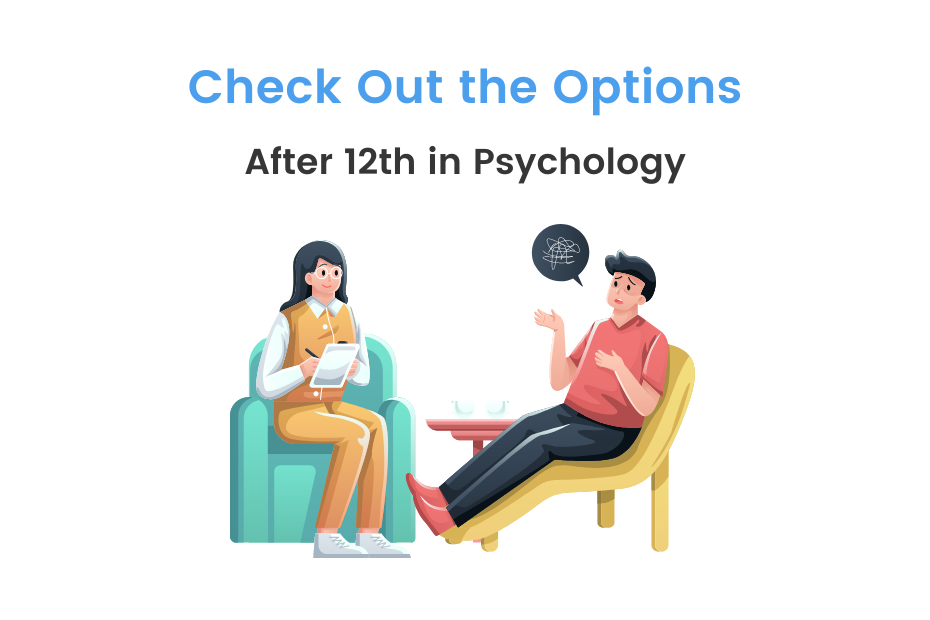
Explore short-term psychology courses that are practical, affordable, and career-oriented. In a world where mental health awareness is finally stepping into the spotlight, more students and professionals across India are exploring psychology, not only as a subject of study but as a career path that helps people live better lives. Yet, not everyone can spend years on traditional degrees before starting to make an impact. That’s where short psychology course India options come in: practical, focused, and designed to fit around real life.At PsyQuench, we believe that meaningful education doesn’t always have to take years. Our certification psychology programs are created to help learners step into the field quickly, with skills they can use from day one. Why Short-Term Courses Are Gaining Popularity The idea that only a full-time degree can lead to a career in psychology is slowly changing. More students and mid-career professionals are choosing short-term courses because they are: In today’s competitive environment, adding a certification psychology credential signals to employers that you’re serious about the field, and ready to contribute. What You Really Learn: Beyond Textbook Knowledge One common myth about short courses is that they’re “just theory.” But at PsyQuench, each short psychology course India is built around real-world scenarios, client stories, and applied exercises. You don’t just read about empathy, you practice it through role plays. You don’t just memorize counseling models, you apply them in simulated client sessions. For example, in our Certificate in Counseling Skills course, students learn to: It’s training designed not for exams, but for actual people and situations. Featured Courses at PsyQuench: Practical & Focused Let’s explore a few of our most popular offerings, each carefully designed to give you tools you can use immediately. Certificate in Counseling Skills Perfect for psychology students, educators, or HR professionals. Learn to conduct basic counseling sessions, handle client resistance, and maintain ethical practice. The course combines theory with supervised practice, so you don’t just “know” counseling, you can actually do it. Child and Adolescent Psychology India has a growing need for trained child counselors, school psychologists, and educators with mental health awareness. This course covers: By the end, you’ll feel confident talking about child mental health in schools, NGOs, or even community projects. Projective Tests: Rorschach and TAT One of our most specialized courses, ideal for those leaning toward clinical practice. Learn to: While these tests are advanced, our hands-on training helps even newcomers gain practical confidence. This course bridges academic knowledge with real therapeutic practice—helpful for anyone planning a career in clinical psychology, counseling, or mental health support. Each short psychology course India by PsyQuench blends practical tools, case discussions, and live demonstrations—turning learning into real-world readiness. Who Can Join? You Might Be Surprised One misconception is that short-term courses are only for full-time psychology students. In reality, our students include: At PsyQuench, what matters most isn’t your background, it’s your interest and commitment to learn. How Learning Happens at PsyQuench We know your time is valuable. That’s why each short psychology course India we offer is designed to fit real lives: Learning isn’t just about attending; it’s about practicing, reflecting, and applying. Real Impact: What Our Learners Say Many of our students share how short-term courses changed their careers: “The counseling course gave me skills I use every day as a teacher—not just with students, but even with parents.” – Sneha, Chennai “Learning projective testing made my clinical internship so much more meaningful. I could actually assist with assessments.” – Akash, Delhi These stories show how even a few weeks of focused training can create lasting confidence. Why Choose Certification Psychology Courses? Beyond knowledge, these courses give you: Also Read: How to Choose the Right Psychology Course – Expert Guide Summary Short psychology course India options at PsyQuench combine affordability, flexibility, and real-world application. From counseling basics to child psychology, projective testing, and therapeutic techniques, these certification psychology programs help students and professionals alike turn curiosity into confidence, and passion into purpose. Conclusion A fulfilling career in psychology doesn’t always start with a years-long degree. At PsyQuench, our certification psychology courses focus on what matters: hands-on learning, real conversation, and tools you can use immediately. Whether you’re stepping into the field or adding skills to your profile, a short course can launch your journey faster than you might think. Browse our certification programs designed for real-world application. Whether you dream of counseling young minds, exploring projective tests, or guiding clients through therapeutic conversations, our short-term courses at PsyQuench make it possible without putting your life or studies on hold. FAQs Q1: How long are PsyQuench’s short-term courses?Most range from 4–12 weeks, designed for part-time study alongside work or college. Q2: Are certificates recognized?Yes! Certificates are issued by PsyQuench and valued in NGOs, schools, HR departments, and internship applications. Q3: Do I need prior experience?Not always, many courses are beginner-friendly. Some specialized topics recommend basic psychology understanding. Q4: Are classes online or offline?Primarily live online, so you can join from anywhere in India. Q5: Will I get practical training?Absolutely! Role-plays, case discussions, and supervised practice are core parts of every course. Q6: Can I combine multiple courses?Yes! Many students build a customized learning path, e.g., Counseling Skills + Child Psychology.


