Psychology Certification Courses for Career Advancement

Psychology Certification Courses for Career Advancement The field of psychology is expanding rapidly as awareness about mental health, emotional well-being, and behavioral science continues to grow. Students, graduates, and working professionals are increasingly exploring psychology certification courses to strengthen their knowledge and improve career prospects. Whether someone is interested in counselling, human resources, education, research, or mental health support, certification programs provide structured learning and skill development. The growing demand for mental health professionals has also made continuing education essential. Even individuals who already hold psychology degrees often pursue additional certifications to stay updated with new approaches and techniques. Psychology certification courses offer a flexible way to learn new skills, specialize in specific areas, and build confidence in applying psychological concepts. With online learning becoming more accessible, professionals can now enroll in certification programs without interrupting their work or academic schedules. This guide explores how psychology certification courses support career advancement, what skills they offer, and how to choose programs that align with long-term goals. To understand how psychology certifications can support career growth, you can watch this overview: AI_CH_AI635_UV_YS _Podcast_Highest Paid People in 2026_16:9 What Are Psychology Certification Courses? Psychology certification courses are structured training programs designed to provide focused knowledge and practical skills in specific areas of psychology. These programs may cover counselling skills, therapy approaches, psychological assessment, or applied psychology topics. They are typically shorter than degree programs but offer targeted learning that supports career development. Psychology involves the scientific study of behavior and mental processes. Certification courses build on this foundation and focus on applying psychological principles in real-world settings. These courses are suitable for psychology students, graduates, educators, HR professionals, and anyone interested in mental health or human behavior. While they do not replace advanced degrees required for clinical roles, they provide valuable skills and exposure. Why Professionals Pursue Certification Courses There are several reasons why individuals choose psychology certification courses. One major reason is skill enhancement. Certification programs help learners develop practical abilities such as communication, empathy, and intervention planning. These skills are valuable in counselling, teaching, and organizational roles. Another reason is career advancement. Certifications demonstrate commitment to professional growth and can strengthen resumes. They also help individuals specialize in areas such as child psychology, relationship counselling, or cognitive behavioral techniques. Flexibility is another advantage. Online certification programs allow learners to study at their own pace. This makes it easier for working professionals and students to continue learning without disrupting their schedules. Types of Psychology Certification Courses There are many types of psychology certification courses available. Introductory courses focus on basic psychological concepts and mental health awareness. Intermediate courses provide deeper training in counselling skills and therapy techniques. Advanced certifications focus on specialized areas such as trauma therapy or neuropsychology. Some programs include practical components such as case discussions and role plays. Others focus on theoretical knowledge. Choosing courses that include practical exposure is important for skill development. Skills Developed Through Certification Courses Enrolling in psychology certification courses helps learners develop several essential skills. Communication and active listening are central to psychological practice. Courses teach how to create supportive environments and respond to emotional concerns. Critical thinking and problem-solving skills are also emphasized. Learners analyze case scenarios and develop intervention strategies. Ethical awareness is another key component. Understanding confidentiality and professional boundaries is essential in mental health work. Self-reflection and emotional intelligence are often developed through assignments and discussions. These skills support both professional and personal growth. Career Opportunities After Certification Completing psychology certification courses can enhance career opportunities in various fields. In education, teachers and school staff can use counselling skills to support students. In corporate settings, HR professionals can apply psychological knowledge to employee well-being and conflict resolution. For those pursuing counselling careers, certification courses provide foundational skills that complement formal education. Many learners use certifications as a stepping stone toward postgraduate degrees. Challenges of Online Certification Learning While psychology certification courses offer flexibility, they also have limitations. Practical skills develop through real interaction and supervision. Courses without interactive components may provide limited exposure. Learners must also stay motivated and disciplined. Without classroom structure, it can be easy to delay assignments. Choosing structured programs with live sessions can help maintain consistency. Understanding professional requirements is important. Certification courses provide valuable skills but may not replace formal degrees required for certain roles. The Importance of Practical Exposure Practical exposure is essential for applying psychological knowledge. Courses that include case discussions, role plays, and feedback sessions provide valuable learning experiences. Combining psychology certification courses with internships or workshops enhances skill development. Programs like Dhairyada focus on bridging the gap between theory and practice. Such exposure helps learners understand real-world mental health work. How to Choose the Right Certification Course Choosing the right psychology certification courses requires clarity about career goals. Beginners may start with general psychology certifications. Those interested in counselling should look for courses with practical components. Check course credibility, curriculum, and trainer experience. Look for programs that include interactive sessions and assignments. Consider how the course aligns with your long-term career plans. Also Read: Psychology – Wikipedia Summary The demand for psychology professionals continues to grow, making continuous learning essential. Psychology certification courses provide accessible pathways to develop skills and advance careers. These programs offer focused training in counselling, communication, and applied psychology. While certification courses offer valuable learning, combining them with practical exposure and advanced education enhances career prospects. With the right training and commitment, learners can build meaningful skills and pursue rewarding careers. Conclusion Psychology is a field that combines scientific understanding with human connection. Certification courses offer flexible and structured ways to enhance knowledge and develop practical skills. Whether you are a student, professional, or career changer, psychology certification courses can support your growth and career advancement. However, long-term success in psychology requires continuous learning and practical experience. Certification programs can provide a strong foundation, but ongoing training and supervision are essential for professional roles. Explore structured and skill-focused courses at PsyQuench to begin advancing your psychology
Online Psychology Diploma Courses: Practical Learning Explained

Online Psychology Diploma Courses: Practical Learning Explained The growing interest in mental health awareness and psychology careers has led many students and professionals to explore online psychology diploma courses as a flexible and practical learning pathway. With the expansion of digital education, individuals can now access psychology training from anywhere while balancing work, studies, or personal commitments. These diploma programs offer structured learning that goes beyond basic awareness and provides a deeper understanding of human behavior, mental health, and counselling skills. However, one of the most common questions learners ask is whether online psychology diploma courses truly provide practical learning. Many people are interested in therapy or counselling careers but feel unsure about how online training translates into real-world skills. Understanding the structure, benefits, and limitations of these courses can help learners choose programs that align with their career goals. The increasing demand for mental health professionals has made psychology education more relevant than ever. Whether someone is exploring a career in counselling, working in education, or simply interested in understanding mental health, diploma courses offer a structured way to build knowledge and skills. This guide explains the practical relevance of online psychology diploma courses, what learners can expect, and how these programs support career development. To understand how psychology is applied in real-world settings, you can watch this introductory video: What Are Online Psychology Diploma Courses? Online psychology diploma courses are structured training programs that provide in-depth knowledge of psychological concepts, counselling skills, and applied mental health practices. Unlike short workshops or basic awareness sessions, diploma programs usually involve multiple modules, assignments, and assessments. They are designed to provide a comprehensive understanding of psychology and its applications. According to sources, psychology is the scientific study of behavior and mental processes. Diploma courses introduce learners to topics such as emotional development, cognitive processes, counselling techniques, and ethical practice. Many diploma programs are suitable for students, teachers, HR professionals, and individuals considering a career in mental health. While these courses do not replace advanced degrees required for clinical roles, they provide foundational knowledge and practical exposure. Can also read: Online degree – Wikipedia Why Online Psychology Diploma Courses Are Popular The popularity of online psychology diploma courses has grown for several reasons. Flexibility is a major factor. Learners can study from home and access recorded sessions at convenient times. This makes it easier for working professionals and students to continue learning without disrupting their routines. Accessibility is another reason. Online programs allow individuals from different regions to access quality education. This is especially valuable in areas where in-person psychology programs are limited. Another reason for their popularity is the growing awareness of mental health. Many individuals want to understand emotional well-being, improve communication skills, and support others. Diploma courses provide structured learning that helps build these skills. Watch the video to know more! Structure of Online Psychology Diploma Courses Most online psychology diploma courses include multiple modules covering key psychological concepts and counselling skills. These modules may include topics such as developmental psychology, cognitive psychology, emotional regulation, and therapy techniques. Assignments and case discussions are common components. These help learners apply theoretical knowledge to real-life scenarios. Some programs also include live sessions, group discussions, and supervised practice exercises. Interactive elements are especially important. Courses that include role plays, case studies, and feedback sessions provide more practical value than purely lecture-based programs. Practical Skills Developed Through Diploma Courses One of the main benefits of online psychology diploma courses is skill development. Learners gain communication skills, empathy, and emotional awareness. These skills are valuable in counselling, education, HR, and everyday interactions. Counselling techniques are often introduced. Students learn how to listen actively, ask open-ended questions, and support emotional expression. Ethical awareness is also emphasized, helping learners understand boundaries and confidentiality. Self-reflection is another important skill. Many courses encourage learners to reflect on their own experiences and biases. This helps build emotional intelligence and professional awareness. Career Opportunities After Completing Diploma Courses Completing online psychology diploma courses can open various career pathways. Entry-level roles may include mental health support positions, school support roles, or HR-related work. These roles provide exposure to applied psychology. Some learners use diploma courses as a stepping stone toward advanced degrees. They may pursue bachelor’s or master’s programs in psychology or counselling. Diploma courses help build foundational knowledge and confidence. Others apply their learning in existing careers. Teachers, HR professionals, and social workers often benefit from counselling skills and psychological understanding. Challenges of Online Diploma Learning While online psychology diploma courses offer flexibility, they also have limitations. Practical counselling skills develop through real interaction and supervision. Fully online programs without interactive components may provide limited exposure. Learners must also stay motivated and disciplined. Without classroom structure, it can be easy to postpone assignments or sessions. Choosing structured programs with live sessions can help maintain engagement. Understanding professional requirements is important. Diploma courses provide foundational knowledge but do not replace postgraduate training required for clinical roles. The Importance of Practical Exposure Practical exposure is essential for applying psychological knowledge. Courses that include case discussions, role plays, and feedback sessions provide valuable learning experiences. Combining online psychology diploma courses with internships or workshops enhances skill development. How to Choose the Right Diploma Course Choosing the right online psychology diploma courses requires clarity about your goals. Beginners may start with general psychology diplomas. Those interested in counselling should look for courses with practical components. Check course credibility, curriculum, and trainer experience. Look for programs that include interactive sessions and assignments. Consider how the course aligns with your long-term career plans. Organizations like Dhairyada also provide diploma: DhairyaDa Center for Psychological Well – Being I Online Therapy and Counselling Services I Nashik Summary The rise of online psychology diploma courses has made psychology education more accessible and flexible. These programs provide structured learning, practical skills, and foundational knowledge. They are suitable for individuals exploring mental health careers or seeking personal growth. While online diploma courses offer valuable learning, combining them with practical exposure
Why PsyQuench is India’s Go-To Psychology Platform
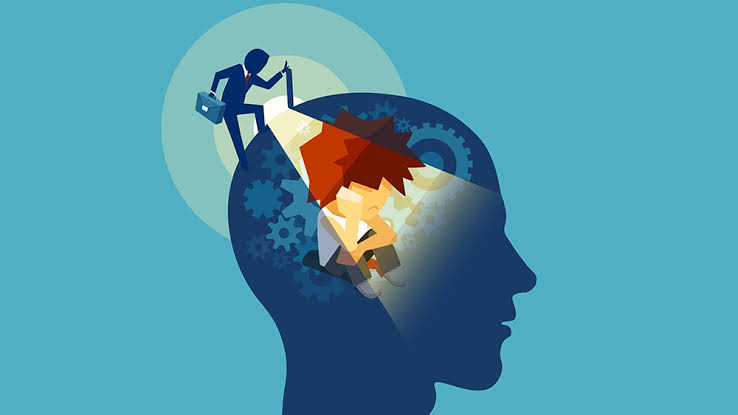
Discover what makes PsyQuench a trusted name in psychology education and counselling. The world of psychology in India is growing faster than ever and with it, so is the need for learning spaces that feel both professional and human. For students, early-career professionals, and anyone seeking mental wellness, choosing where to study or seek support isn’t just about certificates or sessions; it’s about trust, guidance, and authenticity.At PsyQuench, we’ve worked to become more than an online portal. We’ve built a space where people come to learn deeply, heal safely, and grow confidently. Here’s why so many call us the best psychology course platform in India and why thousands have chosen to start, or restart, their psychology journey here. Bridging Learning and Practice Many psychology students share a similar frustration: plenty of theory, but limited real-world application. At PsyQuench, our philosophy is simple: knowledge should meet practice. Our courses don’t stop at slides or recorded lectures. Instead, we offer: This approach helps learners move beyond memorisation, into real skills they can bring to internships, workplaces, or private practice. Designed for Every Step of the Journey Whether you’re just discovering psychology, finishing your master’s, or already working in the field, PsyQuench has built offerings for you. By bringing education and therapy onto one platform, we help users not just understand psychology, but experience its benefits first-hand. Expertise That Feels Human What truly sets PsyQuench apart isn’t only content, but the people behind it. Our trainers and therapists are: For students, this means mentorship that feels supportive, not intimidating. For therapy clients, it means sessions grounded in empathy and expertise. Flexible, Yet Personal India’s learners and clients come from diverse cities, towns, and schedules. That’s why PsyQuench offers: Despite being digital, the heart of PsyQuench remains personal connection; real conversations, real feedback, and real community. Community That Grows With You Learning psychology shouldn’t be a solo journey. At PsyQuench, students and clients often describe finding more than a course or session, they find peers who share questions, doubts, and victories. Through discussion groups, reflective assignments, and alumni networks, our community keeps growing, turning isolated learners into connected professionals. Quality You Can Trust As a platform built specifically for psychology, PsyQuench prioritises: This commitment to quality is why so many call us the best psychology course platform India, and why our alumni recommend us forward. Also Read: Upskilling in 2025: Beyond Traditional Academics Impact Beyond the Screen PsyQuench isn’t only about individual growth; it’s about shaping the field itself. Many of our students and interns go on to: By making psychology accessible, practical, and culturally relevant, we hope to help mental wellness ripple outward into families, teams, and society. Summary PsyQuench has become India’s trusted psychology platform by staying true to three promises: learn deeply, with courses that combine theory and practice; heal safely, through professional, confidential counselling; and grow confidently, supported by mentors and a learning community.It’s more than a platform; it’s a space where curiosity meets compassion, and passion becomes purpose. Conclusion In a crowded world of online courses and quick solutions, PsyQuench stands out by putting people first, students, clients, and the communities they’ll serve. If you’re seeking knowledge that goes beyond exams, therapy that feels truly human, and growth that lasts beyond the classroom, PsyQuench is here to walk the journey with you. Ready to start? Explore our platform today – Learn. Heal. Grow. FAQs Q1: Are PsyQuench courses recognised?Yes. Certificates are issued by PsyQuench and valued by NGOs, schools, wellness centres, and internships across India. Q2: Do I need a psychology degree to join?Not always. Many short-term courses are beginner-friendly; some advanced modules may require prior study. Q3: Is therapy available only to students?No. Anyone, student, professional, or parent can book counselling sessions. Q4: Are classes live or recorded?Both. Live sessions ensure interaction; recordings help revision. Q5: Can I combine multiple courses?Absolutely. Many learners build a customised pathway, e.g., counselling + child psychology. Q6: Is PsyQuench only online?Currently, yes making it accessible anywhere in India.