
Why Practical Exposure Matters in Indian Psychology Education

Why Practical Exposure Matters in Indian Psychology Education Find out why practical exposure is key in Indian psychology education. Introduction In the evolving landscape of psychology education in India, one question consistently arises: Does theory alone prepare students for the real world?The answer, resoundingly, is no. Across universities in cities like Delhi, Mumbai, Bangalore, and Pune, psychology students graduate every year with impressive theoretical knowledge. They understand cognitive processes, personality theories, and research design yet many struggle to apply these concepts when faced with real human experiences. What’s missing is not knowledge, but practical exposure, the opportunity to see theory come alive in real settings, through observation, assessment, and therapeutic engagement. In India, the gap between what students learn in classrooms and what they need in clinical or counselling practice is wide. Employers, clients, and even supervisors now emphasize hands-on learning as the foundation for competence and confidence. This is where practical exposure and clinical training step in as the bridge between academic excellence and professional readiness. The Current Scenario of Psychology Education in India Over the past decade, psychology has seen tremendous growth in India, both as an academic discipline and as a professional field. Universities and colleges now offer undergraduate, postgraduate, and specialized programs, with a surge of interest among young people inspired by mental health awareness campaigns and digital advocacy. Yet, even in prestigious universities like Delhi University, Christ University (Bangalore), and Fergusson College (Pune), a recurring concern among students is the lack of real-world exposure.Most curriculums focus heavily on theoretical modules, covering core areas like developmental, cognitive, and social psychology. However, fieldwork, supervised internships, and live case studies are often limited or optional leaving students unprepared for the professional world. When these graduates step into internships or entry-level counselling roles, many feel uncertain about how to handle a client’s anxiety, how to write a case formulation, or how to ethically manage confidentiality in real practice. This mismatch between theory and application becomes a barrier to employability and professional confidence. Why Practical Exposure Is Essential in Psychology Training Psychology is not just about understanding the mind — it’s about interacting with people, observing behaviors, and interpreting experiences in context. That cannot be mastered through textbooks alone. Practical exposure enables students to: 1. Develop Professional Competence Through direct observation and supervised practice, students learn how to build rapport, use therapeutic techniques, and respond to diverse client needs. For example, a psychology student in Mumbai who shadows a practicing therapist gains exposure to client communication that no classroom lecture can replicate. 2. Build Confidence and Ethical Awareness Real-world training helps students develop confidence in their professional abilities. They learn how to apply ethical principles in real scenarios from handling sensitive disclosures to managing dual relationships. 3. Integrate Theory with Practice Students who have field exposure can connect academic concepts with lived experiences. A concept like “transference,” for instance, becomes clearer when observed in therapy sessions rather than studied abstractly. 4. Prepare for Employability Employers in India increasingly look for candidates with demonstrable experience. Whether applying to a hospital, NGO, or wellness startup, students with practical exposure stand out.This is particularly evident in Bangalore, where mental health startups often recruit trainees who have completed supervised internships or specialized clinical training. The Gap Between Theory and Practice While Indian universities deliver strong theoretical foundations, most programs don’t provide structured clinical training. In contrast, countries like the U.S. and U.K. mandate supervised practicum hours as part of their psychology curriculum.In India, the situation is inconsistent. Some colleges include internships, but these are often short-term, unstructured, or lack supervision. A NIMHANS report highlights that India’s mental health workforce is still developing, with fewer structured training opportunities for students. This gap emphasizes the need for applied, supervised learning environments that equip future psychologists to deliver ethical, evidence-based care. What Practical Exposure Looks Like Practical exposure can take various forms, depending on the level of education and specialization. Some of the most effective forms include: These experiences shape a well-rounded professional one who is not just academically sound but capable of handling real human complexity. The Role of Clinical Training Institutions in India Clinical training institutions play a crucial role in bridging the gap between university learning and practical readiness.Organizations like PsyQuench have developed specialized short-term and intensive clinical training programs to help psychology students gain supervised exposure across domains such as counselling, assessments, and psychotherapy skills. For example, PsyQuench’s Clinical Internship Program provides students with real case exposure, supervision, and hands-on assignments that simulate professional scenarios. Through this structured mentorship, learners practice applying theories in controlled, ethical environments. Additionally, PsyQuench’s Counselling Services page gives insights into how their therapy model blends empathy with structured techniques – a valuable framework for students aspiring to become counsellors or therapists. By learning within such systems, students from cities like Delhi or Pune gain the competitive advantage of field-based learning that complements their academic degree. Case Example: How Practical Exposure Transforms Learning Consider two students pursuing a Master’s in Psychology in Bangalore. Both excel academically, but only one completes a supervised internship at a counselling center.The difference becomes evident during job applications — the student with field experience demonstrates: Employers in organizations, schools, and private practices prefer candidates who have already navigated these real scenarios. This example illustrates how practical exposure converts learning into capability. Benefits of Practical Exposure in Psychology Education 1. Skill Development Beyond the Classroom Practical training cultivates soft skills such as empathy, communication, and active listening – vital for client rapport and therapeutic success. 2. Increased Employability Many Indian organizations now require at least 3–6 months of applied experience for entry-level psychology roles. Field exposure helps students meet that benchmark early. 3. Ethical and Cultural Sensitivity Practical settings teach students how to adapt interventions to diverse cultural backgrounds – an essential skill in India’s multicultural context. 4. Networking and Mentorship Exposure allows students to interact with professionals, build mentor relationships, and explore different subfields like school counselling, organizational psychology, and clinical practice. 5.
From Student to Practitioner: Real Internship Stories

From Student to Practitioner: Real Internship Stories Hear real stories of students who turned internships into professional practice. Introduction For many psychology students in India, the shift from classroom learning to professional practice can feel daunting. Theories and textbooks provide foundational knowledge, but the real transformation happens when you step into a counsellor’s chair, observe your first client, conduct an assessment, or write your first case report.Internships are the bridge between student and practitioner. They offer exposure to real clients, actual sessions, supervised practice and they change trajectories. In cities like Delhi, Mumbai, Bangalore and Pune, internship opportunities are expanding, and so are the success stories of students turning those experiences into meaningful careers.This blog features real internship journeys, covers what makes an internship truly successful in India, and shows how organisations such as PsyQuench create pathways for psychology graduates to become confident practitioners. Why Internships Matter for Psychology Students in India The gap between theory and practice Students often complete their degrees with a firm grasp of psychological theories, diagnostic categories, and therapeutic models but when faced with a real client, many feel underprepared. Internship experiences fill this gap. Academic requirements and professional readiness Many universities in India, including major institutions in Delhi and Pune require documented internships before award of degrees or entry into postgraduate programs. Developing professional identity An internship isn’t simply a résumé item, it helps the student become a professional: refine ethical behavior, understand client boundaries, navigate cultural contexts, and build confidence with assessments and interventions. What Defines a Successful Internship? Before diving into individual stories, it’s helpful to clarify what separates a successful internship from a routine one. PsyQuench offers internships that follow these criteria giving students both practical exposure and professional documentation. For understanding client work and services: PsyQuench Counselling Services Real Student Success Stories Story 1: A Delhi Graduate’s Journey from Internship to Clinic Arjun (name changed) completed a psychology degree in Delhi and joined an internship with PsyQuench’s Delhi-based team. His tasks included assisting in student counselling, administering assessments, and co-facilitating group therapy for exam stress. By the end of his internship he had written detailed case formulations and developed comfort with client-facing work. Arjun used this experience to secure a junior psychologist role in a Delhi mental health clinic and eventually began building his own private practice. Story 2: A Mumbai Student’s Transition to Corporate Wellness Priya (name changed), based in Mumbai, completed an internship focused on workplace stress and corporate wellness with a PsyQuench partner organisation. Her exposure to adult clients, role-plays, and assessments enabled her to model her future as a corporate wellness coach. Within a year she was hired by a multi-national company’s HR division and today runs wellness workshops in Mumbai and Navi Mumbai. Story 3: Bangalore Intern Turns Practitioner in Student Counselling Ritika (name changed) studied in Bangalore and interned with PsyQuench’s Bangalore-wing, focusing on college-student issues such as adjustment, social anxiety and career indecision. Her hands-on exposure, supervision and use of psychological tools allowed her to develop a niche. She launched her own private practice in Bengaluru and also facilitates peer supervision groups across Karnataka. Story 4: Pune Intern Sets Up Regional Private Practice Amit (name changed) from Pune used his internship which included assessment training, school-based counselling and community mental health work to start a regional private practice covering smaller towns around Pune. His success illustrates how internship grounding enables geography-flexible practice. What Each Internship Story Teaches Us For broader context on mental health training standards, refer to NIMHANS How to Choose the Right Internship for Success Location and context If you are based in a metropolitan area like Mumbai or Delhi, internships with urban-client exposure (e.g., corporate, adult, technology-workers) may suit you. In places like Pune or smaller towns, school-counselling and community-mental-health settings may provide rich learning. Supervision and structure Ensure the program offers supervised sessions, detailed feedback, tasks beyond observation, and realistic client work. Documentation Check that the internship will issue both certificate and experience letter detailing your roles, skills, hours completed and supervision. Career fit Look for internships aligned with your career goals: private practice, organisational wellness, student counselling, clinical assessments, etc. Duration and commitment Quality internships often run several weeks to months and include defined objectives rather than minimal hours just to tick a box. How PsyQuench Supports Intern Success PsyQuench’s internship programs in India are designed with the transition from student to practitioner in mind. Their model includes: Explore PsyQuench’s internships and training here: PsyQuench Courses Summary Internships are the launching pad for psychology students turning into practitioners. Success comes from structured supervision, relevant exposure, documentation and alignment with career goals. Real stories from Delhi, Mumbai, Bangalore and Pune illustrate how internships can lead directly to practice, employment and professional identity formation. With organisations such as PsyQuench providing high-quality training, aspiring psychologists in India can confidently move from student to practitioner. Conclusion If you are a psychology student or early-career professional in India, don’t underestimate the power of a quality internship. It’s more than an academic requirement—it’s your stepping stone into professional practice. Choose an internship that offers real client work, supervision, clear documentation and alignment to your goals. Be the next success story — Apply for internships now. FAQs 1. What distinguishes a good psychology internship from a basic one?A good internship includes supervised client interaction, applied tasks (assessments, reports, sessions), structured feedback, and proper documentation. 2. How important is an experience letter compared to the internship certificate?The certificate confirms participation, while the experience letter describes your work quality and skills. Both are important for employment, postgraduate studies and private practice. 3. Can an internship in a smaller city be as valuable as one in a metro city?Yes. What matters most is the quality of exposure and supervision, not just the city. Smaller cities may offer niche experiences (school counselling, community mental health) that are extremely valuable. 4. How long should a psychology internship be to count as meaningful experience?While duration varies, an internship of several
Internship Certificate vs Experience Letter: The Basics

Internship Certificate vs Experience Letter: The Basics Understand the difference between internship certificates and experience letters.IntroductionIn the field of psychology, practical exposure is as valuable as theoretical understanding. For students and early-career professionals, internships provide the first real opportunity to apply classroom concepts in real-world settings, working with clients, conducting assessments, writing reports, and engaging in supervised training. However, once the internship period ends, many interns encounter a common confusion: What is the difference between an internship certificate and an experience letter?The distinction may seem minor at first, but in professional and academic contexts, these documents carry very different purposes. Understanding what each represents, how they are used, and when they are required can save you from miscommunication, academic delays, or professional setbacks.For psychology students in India, where structured internships and supervised training are increasingly becoming mandatory for graduate and postgraduate programs, these two documents play a vital role in building credibility. Institutions like PsyQuench, which provide applied psychology training and supervised internships, ensure that students receive both documentation and practical exposure that aligns with professional standards.This article explores the detailed differences between internship certificates and experience letters, why both are important, how they affect your professional credibility, and how to obtain and use them effectively in your psychology career.Understanding What an Internship Certificate IsAn internship certificate is an official document that verifies that you have completed a specific internship under a particular institution, organization, or supervisor. It serves as proof that you participated in structured learning or training activities for a designated period.In psychology, this certificate typically includes details such as your name, the title of the internship program, the duration of your internship, and the area of focus (for instance, counselling, clinical assessment, research, or organizational behavior). It may also mention the number of hours completed, the name of your supervisor, and a general statement about your participation or performance.For example, a student completing an internship at PsyQuench may receive a certificate stating:“[Name] successfully completed a 2-month Psychology Internship in Counselling and Applied Psychology under the supervision of licensed professionals at PsyQuench. The internship covered modules on assessment, case formulation, and therapy skills.”This document is essential for both academic and professional purposes. Most universities in India require an internship certificate to award course credit or allow students to appear for final examinations. It acts as official confirmation that the student has fulfilled their practical training requirements.However, the internship certificate typically does not go into detail about specific projects or skills acquired. It is a formal acknowledgment of completion, not a comprehensive performance record.Understanding What an Experience Letter IsAn experience letter, on the other hand, goes one step beyond the internship certificate. While a certificate merely acknowledges completion, an experience letter evaluates and validates the quality and nature of your work. It highlights your role, responsibilities, contributions, and sometimes even your strengths and achievements during the internship period.Experience letters are more detailed documents often used in professional contexts. They help future employers, supervisors, or graduate schools understand what kind of work you have done and how well you performed. In the psychology field, where the nature of practical work varies significantly from counselling clients to conducting psychometric testing or engaging in research experience, letters provide valuable context that a certificate alone cannot convey.For example, a psychology student’s experience letter from PsyQuench might include descriptions such as:“During the internship, [Name] demonstrated a strong understanding of clinical ethics, effective client communication, and applied knowledge of therapy tools. They assisted in conducting case discussions, preparing session notes, and engaging in peer-supervised practice sessions.”Such details help organizations and academic institutions assess the depth of your experience rather than simply knowing that you completed an internship.The Key Differences Between the TwoAlthough both documents are related to internship completion, their purposes, structure, and usage differ significantly.An internship certificate primarily functions as a proof of participation. It validates that the student was part of a program for a specific time frame. It is often short, formal, and standardized in format.An experience letter, however, serves as a proof of skill and contribution. It provides a qualitative description of what the intern actually did during the internship and how effectively they performed.For psychology interns in India, the difference becomes particularly important during postgraduate admissions, job applications, or licensing procedures. Many universities, organizations, and certification boards look for both documents to verify not only that the student completed an internship but also that the internship involved meaningful, skill-based engagement.Another key distinction lies in the issuer. An internship certificate is often generated automatically by the HR or academic coordination team. An experience letter, however, is typically written by a direct supervisor or senior psychologist who personally oversaw the intern’s work.The Academic Importance of an Internship CertificateIn most academic institutions across India, an internship certificate is an official requirement for course completion. Bachelor’s and Master’s programs in psychology often include internship credits that contribute to the final grade. Universities such as Delhi University, Jamia Millia Islamia, and Christ University require documented proof of internship completion to validate fieldwork experience.An internship certificate is also essential when applying for higher studies abroad. Many international universities require proof that you have engaged in practical work, especially if you are applying for programs in clinical or counselling psychology.In short, the internship certificate serves as a formal validation that you have transitioned from theory to practice, even if only for a short period. It helps institutions verify your engagement in real-world learning, which is crucial in a field that deals directly with human behavior and well-being.The Professional Importance of an Experience LetterWhile the internship certificate supports your academic progression, the experience letter enhances your professional portfolio. When applying for jobs, freelance opportunities, or even client work, potential employers often look for documentation that highlights what you can do, not just where you have been.In psychology, where credibility and competence are built over time, an experience letter acts as a testimonial of your applied skills. It communicates to future supervisors or employers that you have worked
Psychology Internships in India: What to Expect

Psychology Internships in India: What to Expect Get real-world experience with psychology internships in India. Learn skills beyond textbooks. The journey from studying psychology to becoming a confident practitioner is one of growth, challenge, and discovery. While classroom learning provides the theoretical foundation, it is only through internships that aspiring psychologists truly begin to understand what working with people means. In a country like India, where mental health awareness is expanding and professional opportunities are increasing, psychology internships have become essential for students who want to bridge the gap between knowledge and experience. At PsyQuench, we see this transition as one of the most meaningful steps in a student’s professional journey. Internships are not just about observation or logging hours; they are about transformation. They turn abstract ideas into real human understanding. They help future therapists, counselors, and researchers see the depth, complexity, and sensitivity that psychology requires. This article explores what to expect from psychology internship India, why they are crucial for your career, and how clinical training psychology can help you find your professional voice. The Importance of Internships in a Psychology Career Psychology is as much an art as it is a science. You may learn about defense mechanisms, attachment theories, and counseling models in class, but applying them in a therapeutic setting is a completely different experience. Internships bridge this space by offering opportunities to observe, engage, and reflect in real-world contexts. For many students, this is the first time they step into hospitals, clinics, rehabilitation centers, schools, or counseling spaces where human stories unfold daily. The experience teaches empathy, adaptability, and professionalism, skills that can never be fully developed through textbooks alone. In India, psychology internships also introduce students to the diversity of clients, people from different backgrounds, ages, languages, and cultures. This exposure is invaluable. It helps aspiring psychologists learn to be sensitive to India’s social realities while practicing ethical and effective care. Also Read: The Power of the Internship: Why Internships Matter and How You Can Make the Most of Them | Post University Types of Psychology Internships Available in India The landscape of psychology internship India is diverse. Students can choose programs based on their career goals and interests. Some of the most common internship formats include: 1. Clinical Psychology Internships These internships usually take place in hospitals, private clinics, or mental health centers. Interns observe therapists and learn about assessment procedures, diagnostic criteria, and therapy techniques. Under supervision, they may also practice skills such as case history taking, rapport building, and behavioral observation. Clinical internships are vital for those planning to pursue advanced clinical training psychology, as they help students understand the ethical, emotional, and procedural aspects of therapy. 2. Counseling Psychology Internships These internships focus on non-pathological populations. Interns may assist in school counseling programs, community centers, or helplines. They learn to help clients deal with relationship issues, stress management, and career-related concerns. The emphasis here is on listening, empathy, and communication. Interns practice motivational interviewing, reflective questioning, and active listening, foundational skills for any counseling professional. 3. Research-Based Internships Students interested in academia or psychological research often opt for internships with universities, labs, or NGOs. These programs emphasize data collection, analysis, and research design. Interns gain insights into how research informs real-world interventions and policy decisions. 4. Organizational and HR Internships While not directly clinical, these internships teach applied psychology within corporate spaces. Interns learn about workplace motivation, conflict resolution, employee well-being, and team dynamics. What You Actually Learn During an Internship A good internship goes beyond shadowing a therapist. It’s about developing professional maturity. At PsyQuench, we design internships that blend observation with active participation, reflection, and guided supervision. During your experience, you can expect to learn: The internship experience teaches you to hold space to listen deeply, without judgment, and to reflect thoughtfully before responding. Challenges Interns Commonly Face Internships are rewarding, but they are not easy. Many students initially feel overwhelmed. Watching clients discuss deep personal issues or trauma can feel heavy. Others find it hard to manage their own expectations, fearing they might make mistakes or “say the wrong thing.” These feelings are normal. Every good therapist begins here. The key is supervision and reflection. At PsyQuench, supervisors guide interns through these experiences, helping them understand what went well, what could be improved, and what emotional reactions might be coming from their own history. This reflective practice transforms anxiety into learning. The PsyQuench Approach to Clinical Training Psychology PsyQuench internships are designed to be immersive. Unlike traditional observation-based programs, we prioritise hands-on experience supported by structured guidance. Students engage in live sessions, reflective journaling, feedback circles, and real-time skill-building exercises. Each internship module focuses on helping students apply theory through real interaction, whether through mock therapy sessions, supervised case studies, or role-play exercises. This ensures that when you step into your first real client session, you are confident, ethical, and equipped. What makes PsyQuench internships unique is their emphasis on combining clinical training psychology with self-development. We believe that great therapists are also self-aware individuals who continue to grow personally as they learn professionally. What Makes an Internship Successful A successful internship is not measured only by the number of hours completed, but by how deeply you engage with your learning. Students who ask questions, seek supervision, and reflect on feedback grow faster.Internships also offer a powerful opportunity to network with professionals, mentors, and peers. Many PsyQuench interns go on to work in hospitals, counseling centers, and schools after completing their training, armed with references and practical experience. Building Confidence for Future Practice One of the biggest transformations that happens during an internship is internal. As students gain real exposure, their self-doubt begins to ease. They start trusting their instincts, understanding the flow of a session, and developing their therapist voice. At PsyQuench, we often hear from alumni who say that their first internship marked a turning point in their journey and it gave them the courage to move from theory into practice. That
Hands-On Psychology Training in India: What to Expect

Hands-On Psychology Training in India: What to Expect Explore practical training in psychology: real skills for real clients in India. Introduction Psychology as a discipline has grown rapidly in India over the last decade. With rising awareness of mental health in cities like Delhi, Mumbai, Bangalore, and Pune, the demand for well-trained psychologists has never been higher. While theoretical knowledge provides a strong foundation, it is hands-on psychology training in India that prepares students to deal with real clients and real challenges. This kind of training bridges the gap between classrooms and counselling rooms. It equips future psychologists with not just academic insights but also practical skills that can only be learned through exposure, supervised practice, and structured psychology workshops in India. Why Hands-On Training Is Crucial for Psychology Students Many psychology students in India graduate with strong conceptual understanding but little real-world application. This creates difficulties when they transition into internships, private practice, or clinical work. For example: This is why practical psychology training in India is now an integral part of professional readiness. What to Expect in Hands-On Psychology Training 1. Exposure to Counselling Micro-Skills Students practice essential skills like empathy, active listening, and open-ended questioning. These are honed through role-plays, peer exercises, and supervised feedback. 2. Psychological Assessment Practice Training includes learning how to administer, score, and interpret assessments such as intelligence scales, personality inventories, and projective tests. In Pune schools, for instance, students often learn assessments tailored for child psychology. 3. Case Conceptualization Trainees are guided on how to interpret client issues, link them to theoretical frameworks, and build structured intervention plans. 4. Cultural Sensitivity in Indian Contexts India’s diversity makes cultural awareness critical. Training highlights how urban clients in Bangalore may present differently compared to those from semi-urban or rural backgrounds. 5. Applied Psychology Workshops Workshops provide experiential learning in areas like: 6. Supervised Clinical Practice Supervision ensures students learn to manage boundaries, apply ethics, and adapt interventions in safe, guided settings. City-Specific Training Opportunities Each city adds a unique dimension to hands-on training, preparing students for diverse career paths. The PsyQuench Advantage PsyQuench bridges the gap between theory and practice by offering structured psychology practical training in India. Explore PsyQuench’s psychology training programs here The Role of Counselling in Training Observing live sessions and participating in supervised counselling practice provides unparalleled insights. PsyQuench integrates its own counselling services into training, helping students learn the nuances of confidentiality, ethical challenges, and building therapeutic alliances. Discover PsyQuench counselling services Global Standards and Indian Practice International organizations like the World Health Organization (WHO) and Indian institutions such as NIMHANS stress the importance of supervised, practical training for building a competent mental health workforce. Read WHO’s recommendations on mental health workforce training Key Takeaways from Hands-On Training Summary Conclusion In India’s evolving mental health landscape, practical training is not optional—it is essential. From psychology workshops to supervised practice, students gain the skills needed to become confident, ethical, and effective professionals. If you’re ready to move beyond theory and step into real-world learning, PsyQuench is the right place to start. Join PsyQuench’s practical training and boost your clinical skills. FAQs 1. What is hands-on psychology training?It refers to practical training through role-plays, assessments, workshops, and supervised clinical exposure. 2. How is it different from theoretical learning?Theory gives concepts, while hands-on training teaches how to apply them with real clients. 3. Do Indian universities offer enough practical training?While some do, many students need additional structured programs like those offered by PsyQuench. 4. Are psychology workshops in India useful for beginners?Yes, workshops provide experiential exposure that is valuable at all career stages. 5. Can online practical training be effective?Yes, if it includes live supervision, interactive workshops, and real-case exposure. 6. Why choose PsyQuench for practical training?Because it combines applied workshops, counselling access, and expert mentorship, tailored to Indian students’ needs.
Essential Skills You’ll Learn in a Psychology Training Program

Essential Skills You’ll Learn in a Psychology Training Program Learn key skills from practical psychology training that every future therapist needs. Introduction Psychology is no longer limited to lecture halls and textbooks. In India, where mental health awareness is steadily growing, students in cities like Delhi, Mumbai, Bangalore, and Pune are realizing the importance of practical psychology training. While theory offers the foundation, true transformation into a competent therapist comes from mastering real-world applied psychology tools. A well-designed psychology training program equips you with essential skills that go beyond memorizing theories. These programs prepare you for actual client interactions, psychological assessments, ethical dilemmas, and diverse cultural contexts. Whether you’re planning to pursue counselling, clinical psychology, or applied research, these psychology skills trainings in India form the backbone of your career. Why Psychology Skills Training Matters in India The Indian education system has traditionally leaned heavily on theory. Students often graduate with strong academic knowledge but limited practical exposure. This creates a gap when they step into professional roles. For example: This shows why skill-based training is crucial for employability and professional growth. Core Skills You’ll Learn in a Psychology Training Program 1. Active Listening and Empathy Therapists must master the art of listening deeply. Training helps you practice how to reflect back emotions, pick up on unspoken cues, and create a safe space for clients. 2. Counselling Micro-Skills From paraphrasing to asking open-ended questions, micro-skills make counselling effective. These cannot be learned through books alone but require role-play and supervised practice. 3. Psychological Assessment Tools You’ll learn to administer and interpret psychological assessments like personality inventories, intelligence scales, and projective tests. In cities like Pune, interns often get exposure to tools used in school counselling and clinical setups. 4. Case Conceptualization Training teaches you how to link client symptoms with psychological theories and plan appropriate interventions. 5. Ethical Decision-Making India’s cultural and familial dynamics make ethics a central part of practice. Programs train you in confidentiality, informed consent, and professional boundaries. 6. Cultural Sensitivity Working in diverse Indian contexts, from urban Mumbai to smaller towns requires adapting approaches to different belief systems and values. 7. Applied Psychology Tools From stress management techniques to CBT worksheets, training introduces practical tools therapists can use with clients. 8. Research and Documentation Maintaining client records, preparing reports, and contributing to research projects are critical skills, especially for students planning higher studies abroad. Applied Psychology Tools in Action Applied tools give therapists the ability to translate concepts into real interventions. Some examples include: During psychology skills training in India, students practice these tools through supervised exercises, ensuring they are ready to use them with clients. The PsyQuench Advantage: Bridging Theory and Practice PsyQuench has designed its training programs to ensure students gain exposure to both theory and practice. Explore PsyQuench’s psychology training programs here Internships and Skill-Building Internships are often integrated into training, allowing students to test their skills in real-world contexts. For instance: These city-specific opportunities enrich skill-building with local relevance. The Role of Counselling Services in Training One of the most valuable aspects of training is observing and engaging with real counselling sessions. PsyQuench integrates access to its counselling services into training, ensuring students understand how therapy unfolds in practice. Discover PsyQuench counselling services Global Perspective: Why Practical Training Matters The World Health Organization (WHO) emphasizes the importance of skill-based learning for mental health professionals. Similarly, institutes like NIMHANS in Bangalore have consistently highlighted that supervised training is essential to building competence. Read WHO’s guidelines on mental health workforce training Key Takeaways for Students Summary Conclusion Psychology training programs are not just academic add-ons—they are the foundation of a successful practice. From counselling micro-skills to applied psychology tools, the right training empowers students to move confidently into professional roles. If you are serious about building a strong foundation for your career, now is the time to act. Build your skillset and enroll in PsyQuench’s training today. FAQs 1. Why is psychology skills training important in India?Because the education system is theory-heavy, students need practical training to be ready for real-world practice. 2. What applied psychology tools are taught in training?CBT worksheets, stress management exercises, relaxation techniques, and role-play activities are common. 3. Do I need training before a psychology internship?Yes, training prepares you with basic skills that make internships more meaningful and less overwhelming. 4. Is training city-specific in India?While training content remains similar, opportunities in cities like Delhi, Mumbai, Bangalore, and Pune often vary by focus. 5. Can online psychology training be effective?Yes, especially when supervised practice and interactive tools are included, as offered by PsyQuench. 6. How does PsyQuench training differ from others?It integrates counselling service exposure, applied tools, and mentorship, ensuring students are job- and practice-ready.
How PsyQuench Students Start Private Practices in India

How PsyQuench Students Start Private Practices in India Discover how PsyQuench equips psychology students in India to launch successful private practices. Learn practical steps, skills, and support for building a thriving counselling career. Starting a private therapy practice in India is a dream for many psychology graduates and early-career professionals. It represents not only independence but also the opportunity to impact mental health at a community level. Yet, this journey is rarely straightforward—students often wonder where to begin, how to navigate regulations, and what kind of support they truly need. At PsyQuench, we recognized these challenges and built programs that go beyond theory, equipping students with practical tools, mentorship, and hands-on experiences that help them confidently set up and run their own private practices. Across cities like Mumbai, Delhi, Bangalore, Pune, and Hyderabad, our alumni are already making an impact by creating therapy spaces that are professional, ethical, and client-focused. This blog explores how PsyQuench students transition from classrooms to consulting rooms, building practices that sustain both their professional ambitions and the growing mental health needs of India. Why Private Practice Appeals to Psychology Students in India The mental health field in India is evolving quickly. According to the World Health Organization, one in seven Indians lives with some form of mental health condition. Yet, India has fewer than one mental health professional per 100,000 people, far below global standards. This gap means clients are increasingly turning to private counsellors and psychologists for support. For students of psychology, this reality offers both responsibility and opportunity. Private practice appeals because: But the challenge lies in moving from “student” to “entrepreneurial psychologist.” This is where PsyQuench’s training ecosystem bridges the gap. How PsyQuench Prepares Students for Private Practice At PsyQuench, our programs are structured to make psychology students career-ready, not just exam-ready. Through courses, internships, and counselling exposure, we integrate skill-building with practical entrepreneurship. Here’s how: 1. Structured Courses in Therapy Approaches Students start with core training in therapeutic models like CBT, narrative therapy, family therapy, and existential therapy. These courses ensure that before entering practice, our students are confident in using evidence-based tools. Explore PsyQuench Courses 2. Internships with Real Clients Hands-on internships expose students to real-world counselling environments under supervision. Whether it’s working with students in Delhi schools or community organizations in Bangalore, the internship phase builds both clinical and professional confidence. 3. Entrepreneurship Workshops Beyond therapy skills, PsyQuench introduces business essentials: 4. Mentorship from Practicing Therapists Each student has access to mentors who run established practices in Mumbai, Pune, and Hyderabad. This guidance offers a clear view of daily challenges and proven strategies. 5. A Supportive Counselling Community Even after completing a course, PsyQuench alumni have continued access to peer groups, supervision circles, and networking spaces. This community support reduces the sense of isolation new private practitioners often face. The Step-by-Step Process: From PsyQuench to Private Practice To illustrate the journey, here’s how our students typically move from training to independent practice: City-Specific Success Stories Mumbai One of our students, Riddhi, completed the PsyQuench CBT and Family Therapy courses. Within six months, she began a part-time practice in Mumbai. Today, she runs full-time sessions in a shared office, specializing in relationship and family counselling. Delhi Arjun, a PsyQuench alumni, faced initial hesitation about whether clients would trust a young male counsellor. With the help of PsyQuench’s mentorship and structured internship, he now consults for college students dealing with exam stress and has built a thriving private practice in South Delhi. Bangalore In Bangalore’s tech-driven culture, online therapy is in high demand. Alumni like Shruti have combined PsyQuench’s training with digital tools to reach clients nationwide. Pune & Hyderabad Our alumni here are using their PsyQuench background to integrate counselling with workshops, offering stress management programs for students and corporate employees. Why PsyQuench Students Succeed in Private Practice Several factors explain why PsyQuench alumni stand out when launching private practices: Learn more about PsyQuench Counselling Services Challenges Faced by New Private Practitioners Starting a private practice in India is rewarding but not without challenges: PsyQuench addresses these through continuous peer support groups, supervisor check-ins, and business mentorship. How PsyQuench Bridges the Gap While traditional psychology degrees focus on theory, PsyQuench offers an integrated ecosystem where students can transition seamlessly into professional practice. By connecting education with entrepreneurship, we prepare psychologists not only to work but to thrive. For more on regulations, read the RCI Guidelines for Psychologists Summary PsyQuench students are building private practices across India, equipped with both therapeutic expertise and entrepreneurial skills. Through structured courses, internships, mentorship, and community support, they are confidently addressing India’s mental health gap while creating sustainable careers for themselves. Whether in Mumbai, Delhi, Bangalore, Pune, or Hyderabad, PsyQuench-trained psychologists are proving that private practice is achievable, impactful, and deeply rewarding. Conclusion The journey from being a psychology student to running a private practice in India is challenging, but with the right guidance, it’s possible. PsyQuench has become a launchpad for aspiring therapists who want more than just classroom knowledge. By combining counselling education, supervised exposure, and practice-building mentorship, we empower our students to step into private practice with clarity and confidence. If you’re aspiring to start your own private counselling setup in India, PsyQuench can provide the training, guidance, and community you need to succeed. Build your future — Join PsyQuench training programs now. FAQs 1. Can psychology students in India start private practice directly after graduation?Not always. Most students need practical training and internships to build client-handling confidence. PsyQuench bridges this gap. 2. Do I need to register with RCI to start private practice?It depends. Clinical psychology practice requires RCI approval, but counselling psychologists often work independently within ethical guidelines. 3. How long does it take to set up a private practice after PsyQuench training?On average, our students take 6–12 months from training to independent practice. 4. Can I start with online therapy instead of an office space?Yes. Many PsyQuench alumni begin with online therapy and later expand to physical spaces.
Course + Counselling: PsyQuench’s Complete Mental Health Ecosystem

Course + Counselling: PsyQuench’s Complete Mental Health Ecosystem Discover how PsyQuench combines counselling services and psychology education across India’s major cities, building an integrated ecosystem for mental health and professional growth. Introduction Mental health awareness in India has grown significantly over the past decade, yet accessibility to professional support and education continues to remain a challenge. Many individuals searching for therapy often struggle with finding the right counsellor, while psychology students and professionals face gaps in practical training and applied learning. This is where PsyQuench steps in with a unique model — building an ecosystem that integrates counselling services with psychology education and courses. Whether you are an individual seeking emotional support, a student aspiring to enter the mental health field, or a professional wanting to expand your skills, PsyQuench provides a complete platform that bridges therapy and education. In this blog, we’ll explore how PsyQuench has created this ecosystem across Indian cities, what it offers, and why it’s transforming how mental health is understood and accessed in the country. Why an Integrated Mental Health Ecosystem Matters Most platforms either provide counselling services or focus solely on psychology education. However, mental health in India requires a dual approach: By combining these two, PsyQuench ensures that therapy is not just a standalone service, but part of a larger support and learning environment. This integrated model means: Counselling Services by PsyQuench 1. Individual Counselling PsyQuench offers personalized one-on-one counselling sessions tailored to each client’s needs, whether it’s anxiety, depression, grief, relationship struggles, or stress management. Each session is designed to provide a safe and confidential space where individuals feel heard and supported. 2. Student Counselling With increasing academic pressure in India, especially in cities like Mumbai, Delhi, and Bangalore, PsyQuench has created specialized student counselling programs. These focus on exam stress, career confusion, and emotional well-being for both school and college students. 3. Relationship & Family Counselling Urban life often brings challenges in relationships and family dynamics. PsyQuench offers family therapy and couples counselling, helping clients navigate conflicts, communication gaps, and emotional distance. 4. Specialized Grief and Trauma Therapy For those experiencing hidden losses or trauma, PsyQuench provides grief therapy and trauma-focused sessions. This area is often overlooked in India, but with rising awareness, more individuals are seeking this support. Learn more about PsyQuench counselling services: Explore PsyQuench Counselling Courses and Psychology Education Parallel to therapy services, PsyQuench offers certificate courses, internships, and workshops that help students and professionals build their psychology knowledge and counselling skills. 1. Certificate Courses From CBT (Cognitive Behavioral Therapy) to Existential Therapy and Narrative Therapy, PsyQuench provides structured courses designed by experts. These courses are ideal for students pursuing psychology or professionals looking to specialize. 2. Projective Tests & Clinical Skills Training PsyQuench also conducts practical training in projective tests like RIBT and TAT, giving psychology students the hands-on experience often missing in academic programs. 3. Internships Internships with PsyQuench bridge the gap between theory and practice. Interns gain exposure to client cases under supervision, group discussions, and reflective learning. Explore upcoming psychology courses: PsyQuench Courses City-Specific Reach of PsyQuench Mental health needs in India vary across regions. PsyQuench has developed an approach that resonates with urban, semi-urban, and student-heavy cities. Mumbai In a city known for its fast-paced lifestyle, work stress, and academic competition, PsyQuench offers stress management counselling and courses in family therapy and counselling psychology. Delhi With its large student population, Delhi is a hub for exam stress counselling and student-oriented internships. PsyQuench has customized student wellness programs for this audience. Bangalore Known as India’s tech hub, Bangalore faces workplace burnout and relationship stress. PsyQuench caters with specialized services for young professionals while also offering career-focused psychology training. Pune & Hyderabad These cities, home to thousands of students, have seen high demand for student therapy sessions and internships in counselling psychology. By tailoring services city-wise, PsyQuench ensures that its ecosystem meets local needs while maintaining a global standard. The PsyQuench Difference External Perspective: Why Education + Counselling Works According to the American Psychological Association (APA), therapists who engage in continuous learning show higher effectiveness in treatment outcomes. Similarly, studies highlight that mental health literacy in India is still developing, and combining therapy with education ensures both awareness and application. Read more about the importance of integrating therapy and education: APA – Continuing Education in Psychology Summary PsyQuench is more than just a therapy service provider or an education platform. It’s a complete ecosystem that integrates counselling with psychology education, making mental health accessible, practical, and sustainable across Indian cities. Whether you are a client seeking healing, a student building your career, or a professional wanting to expand skills, PsyQuench provides a supportive and enriching environment. Conclusion Mental health in India is evolving, but challenges of access, awareness, and quality remain. By creating a city-specific, dual support system, PsyQuench is bridging the gap between therapy and education. Clients benefit from updated counsellors, students receive real-world learning, and professionals gain expertise to serve better. In a country where mental health stigma still lingers, PsyQuench is building a future where counselling and education walk hand-in-hand. Be part of the change — Explore PsyQuench today. FAQs 1. What makes PsyQuench unique compared to other therapy services in India?PsyQuench combines counselling and psychology courses, creating a one-stop ecosystem for both personal healing and professional growth. 2. Do PsyQuench courses provide certificates?Yes, all certificate courses and internships come with completion certificates, provided attendance and task requirements are met. 3. Can I access PsyQuench services online if I am not in a metro city?Yes, PsyQuench counselling services and most courses are available online, ensuring accessibility across India. 4. Is therapy at PsyQuench affordable?PsyQuench offers flexible plans for students, professionals, and individuals, making therapy and courses affordable without compromising quality. 5. How do I know which course or counselling service is right for me?You can explore course details on the PsyQuench Courses Page or connect with a counsellor for personalized guidance.
Can You Do a Psychology Course Without an MA in India?
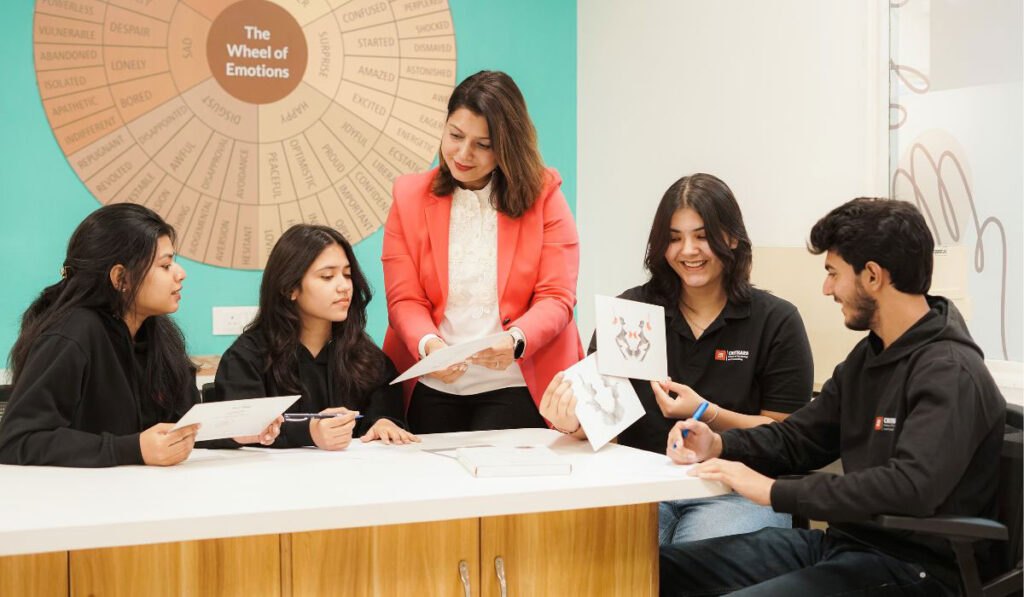
Can You Do a Psychology Course Without an MA in India? Find out if you can pursue psychology without an MA in India and explore alternative courses. Introduction Wondering if you can start your psychology journey without a Master’s degree? The good news is, you absolutely can! In cities like Mumbai, Delhi, Bangalore, and Pune, a growing range of diploma programs, internships, and short-term courses offer accessible pathways into the field, even for those who don’t hold an MA in psychology. Whether you’re a career-switcher, recent graduate, educator, or someone simply fascinated by the mind, these options can provide meaningful entry points. In this post, we’ll cover eligibility, course types, give city-specific context, and guide you toward the best alternatives. Eligibility & Pathways Without an MA 1. Diploma Programs Accessible Without an MA Certain universities offer diploma or certificate programs in psychology-related fields that accept students without an MA in psychology. 2. Master’s Programs Accepting Non-Psychology Graduates Some institutions allow applicants from different academic backgrounds to enroll in MA or M.Sc. Psychology, even without prior psychology coursework: 3. Internships, Certificates & Short-term Courses You don’t need a Master’s to enroll in short-term or skill-based courses: Also Read: Can a Non-Psychology Student pursue a Master’s in Psychology? – UPS Education City-Specific Snapshot Here’s how alternatives to an MA play out across Indian metros: You can also reach out to our counsellors, for expert guidance on the field: Online Counseling Services by PsyQuench Summary Conclusion An MA in psychology is a valuable degree but it’s not the only route into the field. Whether you’re exploring, testing your interest, or seeking practical credentials, short-term courses and diplomas offer meaningful, affordable, and city-adaptable alternatives. Platforms like PsyQuench offer skill-based training that helps you begin your journey now without waiting for a full-time degree. Explore your options — Join Psyquench for Top Psychology Certificate Courses Today FAQs 1. Can I enter psychology courses without a psychology MA?Yes, diplomas, certificate programs, and short-term courses often accept graduates from non-psychology backgrounds. 2. Are diplomas in clinical psychology available without an MA?Yes, for instance, Maharaja Sayajirao University’s diploma program in clinical/community psychology accepts non-psychology grads. 3. Can non-psychology graduates enroll in MA/M.Sc. Psychology?Yes. Several institutions like Delhi University among them allow graduates from other disciplines if they meet eligibility criteria. 4. What online or distance options are available?Nalanda Open University offers child psychology certificates and PG diploma programs via distance mode, accessible from anywhere. 5. Are short-term courses valid for career entry? Absolutely, they offer practical skills and experience through internships or workshops (e.g., projective tests) that are valuable for entry-level roles. 6. City-specific recommendations?
Course + Counselling: PsyQuench’s Complete Mental Health Ecosystem
Course + Counselling: PsyQuench’s Complete Mental Health Ecosystem Learn why combining education and therapy makes PsyQuench unique in India. Introduction: Beyond Single Solutions – The Need for a Complete Ecosystem The landscape of mental health support and training in India has evolved rapidly in recent years. More people are seeking therapy, more students want to train as mental health professionals, and awareness about emotional wellbeing is higher than ever. Yet, many find themselves asking: Where can I go that offers more than just a course or just therapy? At PsyQuench, we believe true transformation happens not in isolated parts, but in an integrated space where knowledge, practice, and personal growth come together. That’s why we’ve built what many call the best psychology platform India, an ecosystem that combines counselling + education so that learners, practitioners, and clients can grow in a holistic, interconnected way. In this article, we explore why this model matters, how it works, and what makes it unique in the Indian context. Why Education Alone Is Not Enough In traditional psychology education, students learn theories, diagnostic categories, and intervention models. But real therapeutic skill emerges when theory is tested against the complexity of real human stories. Common challenges students share with us include: By adding counselling + education, students learn to integrate personal insight with professional competence, moving from knowing about therapy to actually being able to do therapy. Why Counselling Alone Can Also Fall Short For clients, therapy can feel like relief, reflection, and growth. But many also say: “I wish I understood why my mind works this way” or “I want to learn skills and frameworks to help myself between sessions.” Education gives clients: When counselling is paired with structured learning, it becomes more sustainable and empowering. Building the PsyQuench Ecosystem: How It Works At PsyQuench, we designed our platform intentionally to be more than a course catalogue or a therapy listing. We call it an ecosystem because it combines: 1. Short-Term Certificate CoursesCovering practical tools in areas like Cognitive Behavioural Therapy, Existential Therapy, Narrative Therapy, family therapy, and more. Courses emphasise real application, not just theory. 2. Skill-Building WorkshopsFocused sessions on specialised topics: grief work, sexual dysfunction, trauma-informed care, and others. 3. Supervised Clinical InternshipsLive client interactions under supervision, turning theory into real experience. 4. Counselling ServicesProfessional therapy for students, practitioners, and the wider public — because those who help others also need support. 5. Peer Community & MentorshipLearning groups, discussion circles, and mentoring relationships to reduce isolation and deepen professional identity. Together, this creates the best psychology platform India because it doesn’t force people to choose: learn or heal. It invites them to do both. The Cultural Context: Why This Model Fits India’s Needs In India, therapy still carries stigma, and students often hesitate to admit when they feel anxious or unsure. Combining counselling + education normalises the truth: being a therapist doesn’t mean being immune to struggles. This holistic model aligns with India’s traditional view that true knowledge (gyan) includes self-knowledge, not only academic learning. Real Stories: How Integration Makes a Difference A student’s journey:A postgraduate psychology student joined a CBT course at PsyQuench while quietly struggling with burnout. Alongside training, she began individual counselling on the platform. Learning CBT skills helped her apply them to her own thoughts, while therapy gave space to process her doubts as an emerging therapist. By the end, she felt more resilient and confident, both as a learner and as a person. A client’s journey:A young professional began therapy for anxiety and then enrolled in a brief workshop on mindfulness and emotional regulation. The combination helped him understand both the why (through therapy) and the how (through structured learning), making progress more sustainable. Why It’s Called an Ecosystem, Not Just a Platform An ecosystem is living, interconnected, and constantly adapting. At PsyQuench, this means: This flexibility keeps the platform current, culturally sensitive, and deeply human. What Makes PsyQuench Stand Out Practical tools, not just theory: Every course ends with clear techniques you can apply the next day. Support for the helper: Therapists-in-training can access personal therapy through the same system. Mentorship mindset: Teachers see students as future colleagues, not passive recipients. Cultural grounding: Courses incorporate Indian case examples, local ethical dilemmas, and context-specific practices. Also Read: A Day in the Life of a PsyQuench Clinical Intern – psychology Summary At PsyQuench, we believe therapy and learning should never exist in silos. By blending counselling + education, we create an environment where learners grow professionally and personally, clients feel empowered, and the field of mental health becomes richer and more inclusive. Conclusion The question isn’t whether to choose therapy or education. In a deeply human field like psychology, the most transformative growth comes from both. This integration is what makes PsyQuench a unique and living mental health ecosystem and why many call it the best psychology platform India. Explore our platform where learning meets healing. Discover short courses, workshops, internships, and professional counselling, all in one place.Start your journey → PsyQuench: Psychology Courses & Therapy FAQs Q1: Do I have to be a student to use the counselling services?No. Counselling is open to anyone, whether or not you’re enrolled in a course. Q2: Are courses only for professionals?We offer beginner-friendly workshops alongside advanced certificates, so both students and practitioners can find something relevant. Q3: How does personal therapy help future therapists?Therapy helps you explore your blind spots, manage burnout, and become more empathetic to clients. Q4: Can I do therapy and training at the same time?Yes. Many find this combination especially powerful for personal insight and skill development.


