How to Convince Your Parents About Taking Therapy in India

How to Convince Your Parents About Taking Therapy in India Struggling to talk to your parents about therapy in India? Learn practical tips to overcome stigma, explain the benefits of counselling, and make mental health conversations easier with PsyQuench Introduction Talking to parents about therapy can feel like one of the hardest conversations in an Indian household. For many young people, the hesitation doesn’t come from their own belief in therapy, but from the stigma, myths, and generational differences that surround mental health in India. Parents often grew up in a cultural environment where therapy was seen as unnecessary, shameful, or only for people with “serious mental illness.” But times are changing. With rising awareness, increasing stress levels, and more accessible mental health services, therapy is becoming a normal and essential tool for wellbeing. Still, for students and young adults, convincing parents to support their decision to seek therapy can be challenging. This guide explores why Indian parents may resist the idea, and offers practical strategies to help you approach the conversation with empathy, clarity, and confidence. Why Parents in India Resist Therapy 1. Stigma and Cultural Beliefs In India, mental health issues have long been surrounded by stigma. For many parents, the idea of therapy is tied to “madness,” weakness, or family shame. This leads them to dismiss therapy as unnecessary, even when their child is struggling. 2. Lack of Awareness Most parents did not grow up with access to therapy. They may not understand how counselling works or the role of psychologists. Without knowledge, fear and skepticism naturally follow. 3. Generational Gap For many Indian parents, hardships were endured without professional support. They may believe in “toughening up” or relying solely on family, friends, or spirituality. Therapy, therefore, can feel foreign or unnecessary to them. 4. Financial Concerns The cost of therapy in India is another barrier. Parents may see it as an “extra expense” instead of an investment in wellbeing. 5. Fear of Judgment Some parents fear what relatives, neighbors, or community members will say if they discover their child is in therapy. This external pressure can deepen resistance. Steps to Convince Your Parents About Therapy 1. Educate Yourself First Before you start the conversation, understand therapy well enough to explain it in simple terms. Learn about: This will help you answer your parents’ questions with clarity. 2. Pick the Right Time Choose a calm, private moment when your parents are receptive. Avoid raising the topic during arguments, stressful situations, or family gatherings. 3. Start with Feelings, Not Labels Instead of saying, “I need therapy because I have depression,” you could say: This focuses the conversation on your experience rather than mental health labels that may alarm them. 4. Normalize Therapy with Examples Give them relatable examples: You can also share articles, videos, or resources that highlight therapy’s role in India. 5. Address Stigma Directly If parents say, “What will people think?” you can respond: Showing confidence helps reduce their fear of judgment. 6. Offer Reassurance Parents often worry that therapy means something “serious.” Reassure them that therapy is not only for crises, it can be preventive and supportive. 7. Highlight the Practical Benefits Explain how therapy can help with: Connecting therapy to real-life outcomes can make it more acceptable. 8. Share Stories and Success Cases Parents may trust real stories more than abstract explanations. Share examples of public figures, friends, or community members who benefitted from therapy. 9. Involve Them in the Process If they remain unsure, suggest: Involvement helps reduce their anxiety about the unknown. 10. Take Small Steps Sometimes, parents won’t agree immediately. Keep the conversation open, show consistency in your need, and allow time for them to adjust. The Role of Cultural Sensitivity in Therapy Indian parents value culture, traditions, and family deeply. When looking for therapy, you may want to seek therapists who are culturally aware and can bridge the gap between modern counselling practices and Indian family realities. Platforms like PsyQuench Counselling Services offer access to trained therapists who understand Indian contexts, from family dynamics to academic pressures. Cost and Accessibility Parents may be more open if therapy feels accessible and affordable. Options include: Breaking the Stigma Together Convincing parents is not just about your own therapy journey — it’s about starting a broader shift in how mental health is viewed in Indian families. By having these conversations, you’re helping normalize therapy for future generations. For additional perspective, you can also refer to the Ministry of Health and Family Welfare’s Mental Health Programme which acknowledges the importance of mental health services in India. Summary Convincing parents about therapy in India can be challenging due to stigma, generational differences, financial concerns, and lack of awareness. However, with empathy, patience, and education, you can create space for understanding. Key steps include: Conclusion While Indian parents may initially resist the idea of therapy, change is possible through open dialogue and persistence. Therapy is not a sign of weakness but a step toward resilience, growth, and wellbeing. By addressing stigma and presenting therapy as a normal, supportive tool, you can encourage your parents to see its value. If you are ready to take the step, platforms like PsyQuench can connect you with experienced counsellors who understand Indian cultural contexts and provide safe, confidential support. Take the step — Let PsyQuench support your journey. FAQs 1. How do I explain therapy to my parents who think it’s only for “serious” problems?You can tell them therapy is like coaching for the mind, it helps with stress, relationships, and decision-making, not just illness. 2. What if my parents refuse to support me?You can still explore online counselling, which gives you independence and privacy. Many therapists offer affordable sessions for students. 3. How do I handle financial barriers if my parents won’t pay?Look for low-cost therapy options, student counsellors, or online platforms offering sliding-scale fees. 4. Is it disrespectful to go to therapy without telling parents?Not at all. Taking care of your mental health is your right. While
Breaking the Stigma: Why Therapy Is Not Just for the ‘Mentally Ill’ in India

Breaking the Stigma: Why Therapy Is Not Just for the ‘Mentally Ill’ in India Therapy in India isn’t just for the mentally ill, it’s for growth, healing, and self-awareness. Break the stigma and explore how counselling can benefit everyone with PsyQuench. Introduction In India, mental health conversations are slowly gaining visibility, yet therapy continues to be clouded by myths and stigma. A common misconception is that therapy is only for people who are “mentally ill” or experiencing severe psychiatric disorders. This perception often prevents individuals from seeking help early, using therapy as a preventive or growth-oriented tool. In reality, therapy is not limited to crisis intervention. It is a supportive space where people can explore their emotions, relationships, identity, career stress, and personal goals. Just like physical health checkups, therapy can be a proactive step toward emotional well-being. This article explores why therapy is not just for the mentally ill in India, how stigma holds people back, and why creating awareness is crucial for building a healthier society. Why Therapy Is Stigmatized in India The stigma surrounding therapy in India is influenced by several cultural and social factors: This stigma not only prevents people from seeking help during times of distress but also discourages proactive emotional care. Therapy Beyond Illness: Everyday Reasons Indians Seek Help Therapy in India is expanding beyond treatment for depression, anxiety, or trauma. Today, individuals seek counselling for a wide range of issues, including: This shift reflects a growing recognition that therapy is a tool for growth, not just crisis. The Role of Awareness in Breaking the Stigma Awareness campaigns, workshops, and counselling services in cities like Mumbai, Delhi, and Bangalore are helping normalize therapy. Social media influencers and celebrities openly talking about therapy have also helped reduce shame associated with seeking professional help. Institutions and workplaces are introducing Employee Assistance Programs (EAPs), highlighting that therapy is not just about mental illness but also about enhancing well-being and productivity. How PsyQuench Helps Break the Stigma At PsyQuench, therapy is positioned as a holistic service that helps people across all walks of life. The platform offers: With experienced counsellors and a client-centered approach, PsyQuench creates a safe, judgment-free space for healing. Explore PsyQuench’s counselling services in India for accessible and reliable support. Global Perspectives: How Other Countries Normalize Therapy In many Western countries, therapy is viewed as routine self-care, much like going to the gym. People attend sessions not only when distressed but also when they want to improve communication, relationships, or self-awareness. India is gradually moving in this direction, but more awareness is needed to normalize therapy as a preventive and developmental practice. For a broader perspective, the World Health Organization (WHO) emphasizes mental health as an integral part of overall health — underscoring that therapy is for everyone, not just those diagnosed with mental illness. Benefits of Therapy for All Even if you’re not struggling with a diagnosed mental illness, therapy offers several benefits: Therapy empowers individuals to live more fulfilling lives by developing skills that go beyond symptom management. Taking the First Step Breaking stigma requires individuals to take brave first steps. If you are unsure whether therapy is for you, consider starting with a consultation. Sometimes, a single session can help you decide whether ongoing support is needed. You can also explore learning opportunities through platforms like PsyQuench’s courses and workshops, which help both professionals and individuals deepen their understanding of mental health. Summary Therapy in India is often misunderstood as something meant only for the “mentally ill.” In reality, it is a supportive tool for anyone seeking personal growth, emotional well-being, or healthier relationships. Stigma, fear of judgment, and cultural barriers still prevent many from seeking help, but awareness campaigns and trusted platforms like PsyQuench are helping to change this narrative. Conclusion Therapy is not just about fixing what is “broken.” It is about learning, growing, and investing in your well-being. As India takes steps toward mental health acceptance, it is vital to normalize therapy as a resource for everyone, not just for those in crisis. By challenging misconceptions, starting conversations, and seeking help when needed, we can collectively break the stigma around therapy in India. Break free — Start your healing with PsyQuench counselling. FAQs 1. Is therapy only for people with mental illness?No. Therapy is for anyone who wants to improve their emotional health, relationships, or personal growth. 2. How is therapy in India changing?Awareness is growing, with more people seeking therapy for stress, relationships, and career issues, not just mental illness. 3. Can therapy help even if I don’t feel “sick”?Yes. Therapy helps with self-awareness, confidence, communication, and overall well-being. 4. Is therapy confidential in India?Yes, professional therapists maintain strict confidentiality. 5. Where can I find therapy services in India?You can explore trusted services like PsyQuench counselling for personalized, confidential therapy support.
Online vs In-Person Therapy in India: Which Is Better for You?

Online vs In-Person Therapy in India: Which Is Better for You? Confused between online and in-person therapy in India? Learn the pros, cons, and costs of each option to choose the best counselling format for your needs with PsyQuench Introduction Mental health support in India is undergoing a major transformation. With the rise of online therapy platforms alongside traditional in-person counselling, people now face an important question: Which type of therapy is right for me? Online therapy has opened access for people across cities like Delhi, Mumbai, Bangalore, and even smaller towns where mental health resources were once scarce. Meanwhile, in-person therapy continues to hold its ground, providing face-to-face interaction and a familiar sense of connection. This blog explores online vs in-person therapy in India, highlighting the advantages, limitations, and best-fit scenarios for each, so you can make an informed choice. The Rise of Online Therapy in India The COVID-19 pandemic accelerated the adoption of online counselling in India, but even after lockdowns lifted, demand has continued to rise. Platforms like PsyQuench’s Online Therapy Services offer flexible and affordable counselling, making professional help more accessible. Several reasons explain the popularity of online therapy: In-Person Therapy: The Traditional Approach In-person therapy remains the gold standard for many clients and therapists. Sitting face-to-face with a counsellor in a safe, confidential space builds trust and fosters deep connections. Benefits of in-person therapy in Indian cities include: For individuals in urban hubs like Delhi or Hyderabad, where therapy centers are more available, this remains a strong option. Comparing Online and In-Person Therapy in India Factor Online Therapy In-Person Therapy Accessibility Available anywhere with internet access Limited to where therapists are located Affordability Often lower fees Typically higher costs due to overheads Convenience No travel, flexible scheduling Requires commuting and fixed schedules Privacy Can be done from home, discreet Privacy depends on clinic location Effectiveness Research shows outcomes comparable to in-person therapy Long-established effectiveness Connection May feel less personal due to screen limitations Stronger face-to-face bond Emergency Response Limited during crises Better immediate support Effectiveness: What Does Research Say? Studies worldwide, including in India, show that online therapy is as effective as in-person therapy for conditions such as: For example, a report published in the Indian Journal of Psychological Medicine highlighted that online therapy significantly improved accessibility and outcomes for young adults and working professionals. That said, in-person therapy may be preferable for severe mental health conditions requiring psychiatric intervention or where crisis management is needed. City-Specific Considerations Choosing What’s Best for You The decision depends on your needs, lifestyle, and comfort level. Here’s a quick guide: If you’re unsure, you can always start with online therapy and transition to in-person if you feel the need. Getting Started with Therapy At PsyQuench, we provide both online and offline therapy options across India. Whether you’re a student struggling with exam stress, a professional battling burnout, or someone navigating personal challenges, you can find a safe space to heal. You may also explore this Mental Health Foundation article on therapy types for additional insights into therapy approaches. Summary Conclusion The debate of online vs in-person therapy in India isn’t about which is universally better — it’s about what works for you. Both approaches have their strengths, and both can lead to healing, growth, and better mental health. The important step is not the format you choose, but the fact that you choose to start therapy. Choose your way — Book online or in-person at PsyQuench. FAQs 1. Is online therapy as effective as in-person therapy in India?Yes. Research shows online therapy is equally effective for many concerns like anxiety, depression, and stress. 2. Which is more affordable — online or in-person therapy?Online therapy is generally more affordable since it avoids overhead costs like office space. 3. Can I switch from online to in-person therapy?Absolutely. Many clients begin online and move to in-person when they feel comfortable. 4. Is online therapy safe and private?Yes, platforms like PsyQuench ensure confidentiality through secure systems. 5. Which cities in India have better access to in-person therapy?Metro cities like Mumbai, Delhi, Bangalore, and Hyderabad have more options, while smaller towns rely heavily on online therapy.
Grief Is Not Just About Death: Understanding Hidden Losses

Grief Is Not Just About Death: Understanding Hidden Losses Grief comes in many forms; explore therapy options for hidden losses in life. Introduction When most people think of grief, they immediately associate it with the death of a loved one. While bereavement is indeed one of the most profound and painful forms of grief, it is not the only one. In India, where family, community, and career carry immense cultural value, losses related to relationships, health, career, migration, and even identity can evoke grief just as deeply. Yet, these experiences are often dismissed or minimized as “not real grief,” leaving individuals to silently struggle. This blog explores the many faces of grief, why it extends beyond death, and how grief counselling in India can support individuals navigating hidden losses. We’ll also highlight city-specific insights and therapy options available, so you can understand both the universality and cultural nuances of grief. What Is Grief? Grief is the natural emotional response to loss. It involves a complex interplay of emotions such as sadness, anger, guilt, confusion, and sometimes even relief. Importantly, grief is not just about losing someone to death, it is about losing something meaningful, whether that’s a relationship, a sense of stability, or even an unfulfilled dream. In Indian society, while death rituals like the antim sanskar (final rites) provide communal acknowledgment of grief, hidden losses are rarely given such validation. Without recognition, these types of grief can remain unresolved, intensifying emotional pain over time. Types of Hidden Losses That Cause Grief 1. Relationship Breakdowns Divorce, breakups, or estrangement from family can cause grief similar to bereavement. In cities like Delhi and Mumbai, where nuclear families and independent living are more common, individuals often face the emotional fallout of relationship breakdowns alone. 2. Career and Academic Setbacks Losing a job, failing an exam, or not securing admission to a desired university is deeply tied to identity in India. Students in Bangalore or Pune pursuing psychology or engineering often experience hidden grief when academic goals are disrupted. 3. Migration and Cultural Loss Many Indians who move abroad for work or education grieve the loss of cultural familiarity, family connections, and daily rituals. Similarly, moving from small towns to metros like Hyderabad or Chennai creates a sense of cultural dislocation. 4. Health-Related Loss Chronic illness, disability, or infertility can bring grief over the loss of health, independence, or life plans. Yet, these struggles are often minimized with phrases like “at least you’re alive” or “don’t worry, be positive.” 5. Identity and Role Loss Retirement, empty-nest syndrome, or shifts in self-identity (such as gender or sexual orientation) can trigger profound grief. In India’s traditional settings, such changes may not be fully acknowledged, leaving people to mourn silently. Why Hidden Grief Hurts More Unlike bereavement, where rituals and social support are provided, hidden grief is often disenfranchised—meaning society does not recognize it as “valid.” This lack of acknowledgment intensifies emotional pain because: This makes therapy for grief and loss especially vital, as it creates a safe space to validate and process these emotions. For an external perspective, the American Psychological Association (APA) resource on grief provides a deeper understanding of how grief manifests across contexts. How Grief Counselling in India Helps Grief counselling provides structured support to navigate hidden losses. A trained therapist helps clients: In cities like Mumbai, professionals often seek grief counselling to cope with work-related losses, while in Kolkata, family therapists support individuals struggling with relationship or cultural grief. If you are navigating hidden grief, PsyQuench’s counselling services provide safe, affordable, and accessible therapy with trained professionals. City-Specific Insights: Where People Seek Grief Support These examples highlight how hidden grief takes on unique forms depending on the local culture and lifestyle. Explore PsyQuench’s grief therapy programs and short-term psychology courses to build skills in helping others through loss. Summary Grief is not limited to death. Hidden losses like career setbacks, health challenges, migration, or broken relationships can trigger equally profound emotions. However, these experiences often go unacknowledged in Indian society, making therapy essential for healing. City-specific challenges, from Delhi’s academic stress to Mumbai’s career struggles—show the widespread relevance of grief counselling. Learn more about PsyQuench’s counselling services in India designed for different kinds of grief, including hidden and disenfranchised losses. Conclusion Grief is a deeply personal experience that deserves validation, regardless of its source. Hidden losses are often invisible but can weigh heavily on mental and emotional well-being. Counselling provides a safe space to recognize, process, and eventually heal from these experiences. In India, where therapy is becoming more accessible both online and in-person, it’s possible to find compassionate support tailored to your needs. If you or someone you know is silently struggling with grief, reaching out for professional help can make all the difference. Begin your journey with PsyQuench counselling and reclaim emotional strength. FAQs 1. Is grief counselling only for people who have lost someone to death?No, grief counselling also helps with hidden losses such as divorce, job loss, or health-related issues. 2. How long does grief therapy take in India?The duration varies, some people may benefit from a few sessions, while others may need long-term support depending on the intensity of the loss. 3. Is online grief counselling effective in India?Yes. Online therapy platforms, including PsyQuench, provide accessible and effective grief counselling across different Indian cities. 4. Can grief affect physical health?Yes. Suppressed grief can lead to fatigue, headaches, sleep disturbances, and even weakened immunity. 5. How do I know if I need grief counselling?If your feelings of loss interfere with daily functioning, persist for a long time, or leave you feeling isolated, therapy can be a helpful step.
Course + Counselling: PsyQuench’s Complete Mental Health Ecosystem

Course + Counselling: PsyQuench’s Complete Mental Health Ecosystem Learn why combining education and therapy makes PsyQuench unique in India. Introduction: Beyond Single Solutions – The Need for a Complete Ecosystem The landscape of mental health support and training in India has evolved rapidly in recent years. More people are seeking therapy, more students want to train as mental health professionals, and awareness about emotional wellbeing is higher than ever. Yet, many find themselves asking: Where can I go that offers more than just a course or just therapy? At PsyQuench, we believe true transformation happens not in isolated parts, but in an integrated space where knowledge, practice, and personal growth come together. That’s why we’ve built what many call the best psychology platform India, an ecosystem that combines counselling + education so that learners, practitioners, and clients can grow in a holistic, interconnected way. In this article, we explore why this model matters, how it works, and what makes it unique in the Indian context. Why Education Alone Is Not Enough In traditional psychology education, students learn theories, diagnostic categories, and intervention models. But real therapeutic skill emerges when theory is tested against the complexity of real human stories. Common challenges students share with us include: By adding counselling + education, students learn to integrate personal insight with professional competence, moving from knowing about therapy to actually being able to do therapy. Why Counselling Alone Can Also Fall Short For clients, therapy can feel like relief, reflection, and growth. But many also say: “I wish I understood why my mind works this way” or “I want to learn skills and frameworks to help myself between sessions.” Education gives clients: When counselling is paired with structured learning, it becomes more sustainable and empowering. Building the PsyQuench Ecosystem: How It Works At PsyQuench, we designed our platform intentionally to be more than a course catalogue or a therapy listing. We call it an ecosystem because it combines: 1. Short-Term Certificate CoursesCovering practical tools in areas like Cognitive Behavioural Therapy, Existential Therapy, Narrative Therapy, family therapy, and more. Courses emphasise real application, not just theory. 2. Skill-Building WorkshopsFocused sessions on specialised topics: grief work, sexual dysfunction, trauma-informed care, and others. 3. Supervised Clinical InternshipsLive client interactions under supervision, turning theory into real experience. 4. Counselling ServicesProfessional therapy for students, practitioners, and the wider public — because those who help others also need support. 5. Peer Community & MentorshipLearning groups, discussion circles, and mentoring relationships to reduce isolation and deepen professional identity. Together, this creates the best psychology platform India because it doesn’t force people to choose: learn or heal. It invites them to do both. The Cultural Context: Why This Model Fits India’s Needs In India, therapy still carries stigma, and students often hesitate to admit when they feel anxious or unsure. Combining counselling + education normalises the truth: being a therapist doesn’t mean being immune to struggles. This holistic model aligns with India’s traditional view that true knowledge (gyan) includes self-knowledge, not only academic learning. Real Stories: How Integration Makes a Difference A student’s journey:A postgraduate psychology student joined a CBT course at PsyQuench while quietly struggling with burnout. Alongside training, she began individual counselling on the platform. Learning CBT skills helped her apply them to her own thoughts, while therapy gave space to process her doubts as an emerging therapist. By the end, she felt more resilient and confident, both as a learner and as a person. A client’s journey:A young professional began therapy for anxiety and then enrolled in a brief workshop on mindfulness and emotional regulation. The combination helped him understand both the why (through therapy) and the how (through structured learning), making progress more sustainable. Why It’s Called an Ecosystem, Not Just a Platform An ecosystem is living, interconnected, and constantly adapting. At PsyQuench, this means: This flexibility keeps the platform current, culturally sensitive, and deeply human. What Makes PsyQuench Stand Out Practical tools, not just theory: Every course ends with clear techniques you can apply the next day. Support for the helper: Therapists-in-training can access personal therapy through the same system. Mentorship mindset: Teachers see students as future colleagues, not passive recipients. Cultural grounding: Courses incorporate Indian case examples, local ethical dilemmas, and context-specific practices. Also Read: A Day in the Life of a PsyQuench Clinical Intern – psychology Summary At PsyQuench, we believe therapy and learning should never exist in silos. By blending counselling + education, we create an environment where learners grow professionally and personally, clients feel empowered, and the field of mental health becomes richer and more inclusive. Conclusion The question isn’t whether to choose therapy or education. In a deeply human field like psychology, the most transformative growth comes from both. This integration is what makes PsyQuench a unique and living mental health ecosystem and why many call it the best psychology platform India. Explore our platform where learning meets healing. Discover short courses, workshops, internships, and professional counselling, all in one place.Start your journey → PsyQuench: Psychology Courses & Therapy FAQs Q1: Do I have to be a student to use the counselling services?No. Counselling is open to anyone, whether or not you’re enrolled in a course. Q2: Are courses only for professionals?We offer beginner-friendly workshops alongside advanced certificates, so both students and practitioners can find something relevant. Q3: How does personal therapy help future therapists?Therapy helps you explore your blind spots, manage burnout, and become more empathetic to clients. Q4: Can I do therapy and training at the same time?Yes. Many find this combination especially powerful for personal insight and skill development.
Can Therapy Help You Heal From Trauma? A Client’s Perspective

Can Therapy Help You Heal From Trauma? A Client’s Perspective Anxiety or Just Overthinking? Let a Therapist Help You Know the DifferenceHealing from emotional pain is possible. Read one client’s honest story. Introduction: Why Emotional Pain Doesn’t Always Go Away On Its Own Many people believe time heals everything. But for those who’ve faced trauma whether it’s childhood neglect, emotional abuse, a breakup, or a major life event, time alone often isn’t enough. The memories remain, triggered by moments we least expect. Doubt, anxiety, or overwhelming emotions can quietly follow us into relationships, work, and daily life. At PsyQuench, we hear this question often: “Can therapy really help me heal, or is it just talking?” This blog shares a real therapy success story told from a client’s perspective to show how trauma counselling India can turn silent pain into understanding, self-compassion, and freedom. A Client’s Journey: “I Thought I Was Just Overthinking” “For years, I blamed myself for feeling anxious. People told me, ‘You’re too sensitive,’ or ‘Stop overthinking.’ I believed them. I hid my panic attacks, convinced that being strong meant keeping it all inside.” “What I didn’t realise was that my mind wasn’t ‘weak’ it was carrying pain I’d never acknowledged. Old memories of growing up unseen and unheard, being shamed for crying, and always trying to please everyone. These weren’t just random worries, they were trauma responses.” “Starting therapy was terrifying. I thought: what if the therapist judges me? What if I cry and can’t stop? But from the first session, something felt different. It wasn’t about fixing me, it was about finally being heard.” How Therapy Helped Me See the Difference Between Anxiety and Overthinking Through trauma counselling India, my therapist helped me understand: Overthinking is often our mind’s attempt to stay in control, analysing every detail to feel safe.Anxiety is what happens when past emotional wounds shape how we react to present situations.Some fears weren’t irrational; they were echoes from past experiences I’d never processed. The biggest relief was realising: my reactions had a reason. And healing wasn’t about “snapping out of it,” but gently exploring those reasons with support. Tools and Insights That Changed My Healing Journey Therapy wasn’t just talking. It included: For the first time, I learned that feeling sad, angry, or scared wasn’t weakness. It was human. Also Read: 6 Signs You May Benefit from Trauma Counseling – psychology Why Trauma Counselling India Feels Different Before therapy, I worried: “Will my therapist understand what it means to grow up in an Indian family? To face shame, guilt, and expectations?” What helped most was working with a therapist who understood: How cultural messages like “log kya kahenge” (what will people say) can deepen shameThe pressure of balancing family duty with personal needsThat trauma isn’t always about a single “big” event, sometimes it’s years of silence, criticism, or neglect This cultural sensitivity made me feel truly seen. How Life Looks Today: A Therapy Success Story I still feel anxious sometimes but now, I notice it sooner and respond with kindness instead of shame.I can set small boundaries without guilt.I’m not free from pain but I’m free from believing the pain defines me. To me, that’s the real therapy success story: not becoming perfect, but becoming real, present, and kinder to myself. Summary Healing from trauma doesn’t mean forgetting what happened. It means giving your story space, understanding how it shaped you, and learning healthier ways to cope. Trauma counselling India offers culturally sensitive tools, empathy, and guidance for this journey. Conclusion If you’ve wondered, “Is this anxiety or am I just overthinking?” I know you don’t have to figure it out alone. Therapy isn’t about proving your pain is ‘big enough.’ It’s about giving yourself the chance to heal, no matter where the hurt began. Talk to someone today. Confidential sessions available. At PsyQuench, our therapists listen without judgment and help you explore your past and present with compassion. Healing is possible and you don’t have to do it alone.Start your journey → Online Counseling Services by PsyQuench FAQs Q1: Is trauma only about major events?No. Trauma can come from ongoing criticism, emotional neglect, or situations where your feelings were invalidated. Q2: How long does trauma therapy take?It varies. Some clients see changes in weeks; deeper healing may take months. It’s a personal journey, not a race. Q3: What if I cry or can’t talk in therapy?That’s completely okay. Therapists are trained to support you gently through silence, tears, or overwhelm. Q4: Is trauma counselling India culturally sensitive?Yes. Our therapists understand Indian family dynamics, societal pressures, and the cultural stigma around mental health.
Therapy for Working Professionals: Your Mental Health Matters

Therapy for Working Professionals: Your Mental Health Matters Job pressure and burnout are real. Learn why professionals are turning to therapy. Introduction: Success Doesn’t Mean Stress-Free In today’s fast-paced world, having a stable job, a good salary, and a busy workday often hides something deeper: chronic stress, emotional exhaustion, or silent self-doubt. Many working professionals in India feel guilty for struggling despite “having it all.” But mental health challenges don’t ask for permission before showing up. At PsyQuench, we see more and more professionals choosing therapy for working adults India — not because they’re weak, but because they want to stay strong. In this blog, we explore why therapy has become an essential tool for managing work stress, burnout, and the pressure to “do it all.” If you’ve ever felt you don’t have time to take care of your mind, here’s why it might be the most important investment you can make. The Hidden Cost of Job Stress and Burnout Deadlines. Meetings. Targets. Family responsibilities after office hours. Many working adults carry invisible stress that slowly takes its toll: Over time, untreated stress can contribute to physical issues like headaches, blood pressure problems, and weakened immunity. Emotional exhaustion can also affect relationships and decision-making. Why More Professionals Are Choosing Therapy Earlier, therapy was seen as something only for “serious” mental illness. But there’s a growing realization: stress counselling isn’t a luxury, it’s preventive care. Therapy for working adults India offers: A confidential, non-judgmental space to speak freelyTools to manage anxiety, overthinking, and self-criticismPractical strategies to set healthy boundaries at workSupport to navigate workplace conflicts or career changesSpace to reflect on deeper questions of meaning and satisfaction Therapy doesn’t mean you’re failing, it means you’re choosing to care for your mental health proactively. How Therapy Helps Beyond Talking At PsyQuench, stress counselling is more than sharing worries. It includes: These tools don’t remove deadlines, but they change how you handle them. Flexible Support: Book a Session That Fits Your Work Schedule One barrier professionals often mention is time: “How can I fit therapy into my calendar?” At PsyQuench, we offer sessions that adapt to your schedule: When your mental health support fits your routine, consistency becomes possible. Why Working Professionals in India Need Specialised Support Indian professionals often face cultural and family pressures alongside work stress: A therapist experienced in therapy for working adults India understands these layers and tailors support to your cultural and professional context. Also Read: Mpower – Mental Health Care | Mental Health Services in India Summary Success and stress often travel together but burnout isn’t a badge of honour. Therapy offers tools to manage pressure, reconnect with purpose, and protect your emotional health. When you book a session that fits your work schedule, caring for your mind becomes as routine as checking emails. Conclusion Your career is important. But so are your feelings, relationships, and peace of mind. Therapy isn’t about weakness, it’s about sustainability, clarity, and growth. Investing in your mental health helps you show up better at work and in life. Book a session that fits your work schedule. At PsyQuench, we make therapy accessible for busy professionals. Flexible timings, online options, and expert therapists ready to help you manage stress and thrive.Start your journey today → Online Counseling Services by PsyQuench FAQs Q1: Is therapy only for people with severe burnout?No. Even mild but persistent stress or anxiety is a valid reason to start therapy. Early support often prevents deeper exhaustion. Q2: Can therapy really help with workplace issues?Yes! Therapists help you navigate office politics, communication challenges, and performance-related anxiety. Q3: What if I don’t have time for therapy?That’s why we offer early morning, evening, and weekend sessions. You can Book a session that fits your work schedule. Q4: Will therapy make me less ambitious?Not at all. It helps channel ambition in healthier, more sustainable ways — so success doesn’t cost your wellbeing.
Mental Health Red Flags Every College Student Should Know
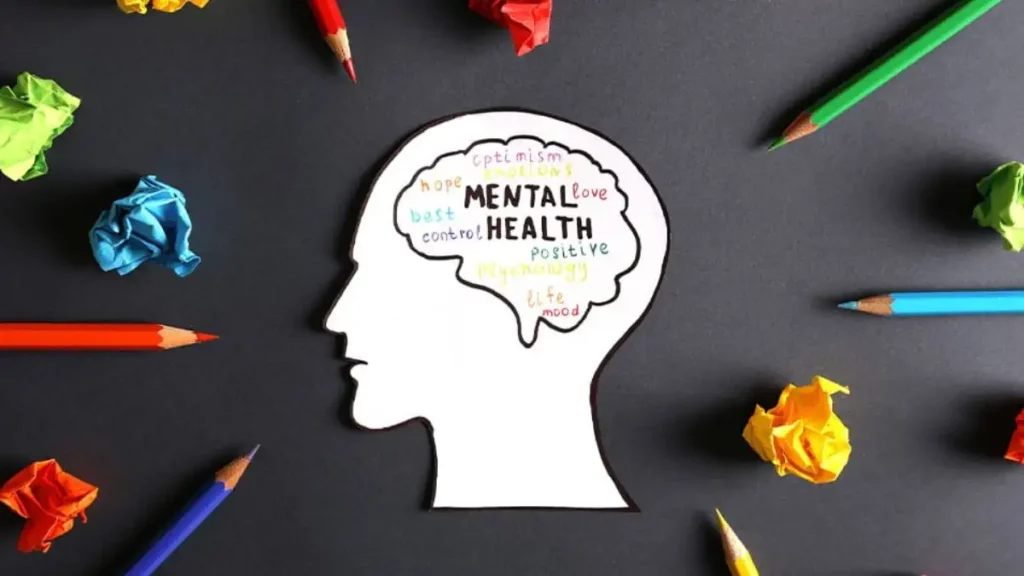
Stress, isolation, or fatigue? Spot mental health red flags early and take action. College life in India is often described as the “best years”, a time of freedom, discovery, and friendship. Yet behind this image, many students carry invisible burdens: academic pressure, homesickness, relationship struggles, and uncertainty about the future. At PsyQuench, we see daily how these challenges can slowly tip from normal stress into something deeper.Recognising the warning signs matters. By understanding the red flags of declining mental health, students can take action early, for themselves or for friends who might be silently struggling. Here’s what every student should know about student mental health India, and why awareness can truly save lives. Why Red Flags Are Hard to Notice College brings late nights, shifting schedules, and emotional ups and downs, all of which can blur the difference between “normal” stress and something more serious.Often, students don’t want to seem weak, dramatic, or “different,” so they brush off warning signs: “It’s just a phase,” or “Everyone feels this way.” But untreated, these signs can grow into anxiety disorders, depression, or even self-harm thoughts. At PsyQuench, we remind students: spotting a red flag doesn’t mean labelling yourself with a diagnosis. It simply means it’s time to pause, reflect, and consider seeking help like college stress therapy or talking to someone you trust. Persistent Exhaustion Beyond All-Nighters Yes, college life can be tiring. But if you notice constant fatigue, even after proper rest or you wake up already feeling drained, it could be more than workload.Chronic emotional fatigue often signals burnout, anxiety, or depression. It shows your mind is struggling to recharge, not just your body. Loss of Interest in Things You Once Enjoyed Skipping clubs or social events because of a test is normal. But if you consistently lose motivation for activities, hobbies, or even friendships that once mattered to you, it’s time to check in.This shift isn’t laziness; it can be an early symptom of depression or emotional overload. Isolation and Withdrawal Some students naturally prefer quiet or smaller circles. But if someone starts avoiding friends, meals, classes, or messages for weeks, this isolation can deepen distress.In Indian college culture, where shared meals and hostel chats are routine, sudden withdrawal is a red flag that deserves gentle attention. Frequent Mood Swings or Irritability College stress often brings mood changes especially around exams. But when mood swings become unpredictable, intense, or frequent, especially anger, sadness, or hopelessness without clear reason, it can reflect underlying emotional strain.At PsyQuench, students often tell us, “I don’t know why I’m so angry or sad all the time.” Therapy helps uncover these roots. Difficulty Concentrating or Falling Behind Academically If you catch yourself reading the same paragraph again and again, forgetting simple details, or missing deadlines despite effort, it may not just be poor time management.Stress and anxiety can cloud concentration; depression can sap motivation. Recognising this link helps students seek help rather than blame themselves. Physical Symptoms Without Medical Cause Persistent headaches, stomach aches, or body pain that doctors can’t fully explain often have psychological components. The mind and body are deeply connected; emotional stress can manifest physically, sometimes before students realise they’re struggling mentally. Why Early Action Matters Many students hesitate to speak up, fearing judgment, stigma, or believing “it’s not serious enough.” But seeking help early through college stress therapy often means: Therapy isn’t only for crises; it’s a proactive step toward mental wellness. How to Support a Friend You’re Worried About Sometimes, it’s easier to notice red flags in someone else. If you see these signs: Most importantly, listen without trying to “fix” everything. Presence matters more than perfect words. Normalising Help-Seeking in College At PsyQuench, we believe student mental health India needs open conversations in hostels, classrooms, and even WhatsApp groups.Counselling shouldn’t feel like failure; it’s as normal as seeking coaching for academics or fitness. Today, many Indian colleges partner with professionals to bring therapy on campus, but the first step still starts with awareness. Also Read: Mental Health Concerns in College Students Summary Mental health red flags like constant exhaustion, isolation, loss of interest, mood swings, and concentration issues aren’t weaknesses. They’re signs that your mind needs care, just like your body does.By noticing them early and reaching out to friends, family, or professional help, students can prevent deeper crises and rediscover balance. Conclusion College life should be challenging, but not overwhelming. Knowing mental health red flags empowers students to pause, reflect, and choose support instead of silence. At PsyQuench, we’re here to listen, guide, and walk with you, because your college years should be about growth, not just survival. Know someone struggling? Share this blog with them, and if you’re ready, book a mental health consultation today. No judgment, just support. FAQs Q1: Is it normal to feel stressed in college?Yes, but if stress becomes constant exhaustion or sadness, it’s time to check in. Q2: Will therapy label me with a diagnosis?Not necessarily. Therapy focuses on understanding feelings and building coping skills. Q3: Can I attend therapy sessions online?Absolutely. PsyQuench offers secure online sessions across India. Q4: How long does college stress therapy take?It varies. Some students benefit from a few sessions; others choose longer support. Q5: Will my college know if I’m in therapy?No. Sessions are confidential unless there’s a safety risk. Q6: Can therapy help with homesickness or academic pressure?Yes, therapy supports emotional wellbeing across many student challenges.
Job Rejection and Mental Health: A Real Therapy Journey

Job Rejection and Mental Health: A Real Therapy Journey Losing a job offer hurts. Read how therapy helped one individual bounce back stronger. Introduction: Why Job Rejection Hurts So Deeply It begins with excitement, picturing your first day, imagining the new role, and feeling hopeful about the future. Then comes that unexpected email: “We regret to inform you…” A simple line, yet it cuts deep. Job rejection isn’t just professional disappointment; it’s a personal pain that can shake your confidence and trigger anxiety. At PsyQuench, we’ve seen how deeply such setbacks affect mental health and how job stress counselling and anxiety therapy India can help transform hurt into healing. Here’s the story of how therapy supported one individual to bounce back. The Story: From Hope to Hurt and Healing Aarav (name changed), a 27-year-old marketing professional, had invested months preparing for what felt like the perfect opportunity. When he received the rejection email, it felt like his entire self-worth had been questioned. Thoughts like “I’m not good enough” quickly took over. What followed was anxiety that crept into daily life: trouble sleeping, a racing heart before checking emails, and an avoidance of new job applications out of fear of being rejected again. It was in this moment of feeling overwhelmed and stuck that Aarav decided to seek therapy at PsyQuench, a decision that became the start of real change. Inside Therapy: Tools and Breakthroughs Therapy wasn’t about pretending rejection didn’t hurt; it was about learning to manage it, reflect on it, and move forward stronger. Aarav’s therapist worked with him using: Normalizing rejection: Understanding that rejection is common and doesn’t reflect his entire worth.Cognitive restructuring: Challenging automatic negative thoughts and reframing them into balanced perspectives.Mindfulness and grounding techniques: Practical tools to manage anxiety symptoms and regain calm.Action-focused planning: Building an achievable job search plan, preparing with mock interviews, and regaining momentum. Slowly but surely, Aarav moved from self-doubt to self-awareness and from fear to action. Why Job Stress Counselling Is So Important Many assume therapy is only for severe mental illness or trauma. But professional rejection can deeply hurt mental wellbeing, leading to anxiety, low mood, and loss of motivation. Through job stress counselling, people process feelings of failure, rebuild confidence, and learn tools to handle future challenges without fear. It keeps rejection from becoming a barrier to growth. Also Read: How Therapy Helps Personal Growth & Goal Achievement Anxiety Therapy in India: Breaking the Stigma Even today, many in India hesitate to seek therapy for something like job rejection, thinking it’s “not serious enough.” But mental health isn’t just about crisis, it’s also about prevention and resilience. At PsyQuench, we offer anxiety therapy India that combines evidence-based approaches and empathetic guidance, helping clients navigate both professional and emotional stressors. Summary Rejection, while painful, doesn’t have to define your future. Aarav’s story shows how therapy can transform hurt into hope, anxiety into awareness, and setbacks into stepping stones. Job stress counselling and anxiety therapy India provide tools, perspective, and the emotional support needed to keep moving forward. Conclusion Job rejection hurts deeply, but it doesn’t have to leave a lasting scar. With therapy, it becomes possible to process disappointment, protect your mental health, and build resilience for the future. Facing rejection? Let our counsellors help you heal and grow. If you’re feeling overwhelmed after job rejection, know that you don’t have to face it alone. At PsyQuench, our experienced therapists are here to guide you through healing and growth.Start your therapy journey today → Online Counseling Services by PsyQuench FAQs Q1: Is it normal to feel depressed after a job rejection?Yes, it’s very common to experience sadness, hopelessness, or anxiety after rejection. Therapy helps you process these feelings and prevents them from becoming overwhelming. Q2: How long does job stress counselling usually take?It depends on each individual. Some clients feel relief in a few sessions, while others choose ongoing support if anxiety impacts daily life. Q3: Can anxiety therapy really help with future interviews?Absolutely! Therapy helps reduce anticipatory anxiety, teaches practical calming strategies, and boosts confidence for upcoming opportunities. Q4: Should I wait until my anxiety worsens before starting therapy?No, seeking help early can make recovery faster and prevent deeper distress.
What Happens in Your First Counselling Session at PsyQuench

What Happens in Your First Counselling Session at PsyQuench Nervous about therapy? Here’s a breakdown of what to expect in your first session. Starting therapy for the first time can feel overwhelming. Many people worry: “What will I say? Will I be judged? What if I cry?” At PsyQuench, we understand that stepping into a therapy room or logging into your first online session takes courage. That’s why we make sure your very first therapy session in India feels safe, welcoming, and pressure-free.In this blog, we’ll walk you through exactly what happens in that first session, so you can arrive feeling informed, supported, and ready to begin your counselling experience. Why the First Session Matters The first counselling session isn’t about fixing everything immediately. Instead, it sets the tone for your therapeutic journey. Think of it as a gentle orientation: meeting your therapist, sharing your story at your pace, and asking any questions you have.At PsyQuench, we see the first session as the beginning of a partnership, where you and your therapist decide together what feels important, what your goals might look like, and what support you truly need. A Warm Welcome, Not an Interrogation When you arrive (online or in person), the therapist’s first aim is to help you feel comfortable. You might be offered water, given a few moments to settle in, or asked how you’re feeling today.Your therapist may briefly introduce themselves, sharing their approach, confidentiality policy, and what therapy can (and can’t) offer. This isn’t about rushing into painful topics, but about building a space where trust can grow. Clients often say they were surprised at how relaxed the start felt, more like a conversation than a clinical exam. Exploring What Brought You Here Your therapist will gently ask what led you to book the session. You might share: If words feel hard, that’s completely normal. Therapists are trained to help you express thoughts and emotions, sometimes even through pauses, metaphors, or simply sitting quietly until you’re ready. Understanding Your Story Beyond current struggles, your therapist may explore: The goal isn’t to analyse or label you, but to see your challenges in context: where they come from, how they feel now, and how they affect daily life. Setting Goals Together Toward the end of the first therapy session in India, your therapist may ask what you hope to achieve. Goals might be clear (“manage panic attacks”) or broad (“feel less stuck”).Together, you’ll discuss what feels realistic: frequency of sessions, therapy style (CBT, person-centred, etc.), and how progress might look. These plans aren’t set in stone, therapy is flexible. But having a shared starting point can make the process feel more purposeful. Your Questions Are Welcome The first session is also your chance to ask: No question is too small. At PsyQuench, we encourage openness; because therapy isn’t something done to you; it’s something done with you. Also Read: Therapist vs Best Friend: Who Gives Better Advice? Emotions May Happen And That’s Okay It’s common to feel nervous, tearful, or even relieved during the first session. Some clients worry they’ll “overshare,” while others fear they won’t know what to say.Therapists expect this. Whatever shows up, laughter, tears, silence, all is welcome. Therapy is a space without judgment, where every emotion has room. Ending the First Session The therapist usually summarises what you’ve shared, reflects on themes they heard, and talks about possible next steps. You’ll also discuss practical details: timing, payment, and whether you’d like to continue.Most clients leave the first session feeling lighter, not because problems are solved, but because starting to talk feels like the first real step forward. Why the First Step Feels Hardest Booking that first appointment often feels harder than attending it. Many clients tell us later: “I almost cancelled because I was so anxious — but I’m glad I didn’t.” Knowing what to expect helps, but what helps most is remembering: therapy is for you, at your pace, and shaped by your voice. Summary The first counselling experience at PsyQuench isn’t about judgment, quick fixes, or medical checklists. It’s a conversation: meeting your therapist, exploring what’s brought you here, and deciding together what healing could look like.Whether you’re coming for anxiety, relationship stress, or just feeling lost, that first session is the start of understanding yourself with compassion. Conclusion Starting therapy can feel intimidating — but you don’t have to do it perfectly. Your first session at PsyQuench is a chance to be heard without pressure, ask questions without fear, and take a step toward mental clarity and emotional balance.In the end, it’s not about being ready; it’s about being willing to begin. Ready to experience therapy for yourself? Book your first session today – no judgment, just support from professionals who care. FAQs Q1: Do I need to prepare before my first session?No special prep is needed. Just bring yourself, and if you’d like, note a few things you want to discuss. Q2: Will I have to share everything in the first session?No. You decide what to share and when. Therapy respects your pace. Q3: Are online sessions different?The structure is the same: introduction, exploration, and planning, just via a secure video platform. Q4: Can I bring someone with me?Usually, individual sessions are one-on-one. If you feel very anxious, discuss it with your therapist first. Q5: How long is the first therapy session?Typically about 45–60 minutes. Q6: What if I don’t feel comfortable with my therapist?That’s okay. You can request a different therapist, your comfort is what matters most.