
Therapy for Women in India: Safe Spaces for Healing

Therapy for Women in India: Safe Spaces for Healing Women in India deserve safe spaces for therapy; learn how women-focused counselling supports mental health and empowerment. Introduction Women in India often juggle multiple roles like being a professional, caregiver, partner, mother, daughter, while navigating deeply rooted societal expectations. Alongside these responsibilities, they face unique challenges: gender discrimination, body image issues, relationship struggles, reproductive health concerns, and safety anxieties. Despite growing awareness, many women still hesitate to seek therapy due to stigma, lack of access, or fear of judgment. But the landscape is changing. Women-focused therapy in India is creating safe, confidential, and empowering spaces where women can express themselves freely, explore their struggles, and build resilience. Whether in Mumbai, Bangalore, Pune, or Delhi, access to therapy tailored for women is becoming more essential than ever. This blog explores why therapy for women matters, how safe spaces are cultivated, the unique issues addressed in women’s counselling, and where you can find trusted support in India. Why Women Need Dedicated Therapy Spaces Unlike general therapy settings, therapy designed for women acknowledges the intersection of gender, culture, and societal expectations. Some key reasons women-focused therapy is vital in India include: Key Issues Addressed in Women’s Therapy Therapy for women in India addresses a broad spectrum of issues. Some of the most common include: 1. Anxiety and Overthinking The pressures of balancing career, home, and personal identity can trigger anxiety disorders, often brushed off as “just stress.” 2. Depression and Loneliness Even women surrounded by family may feel emotionally isolated due to lack of support or suppressed voices. 3. Relationship and Marital Issues Therapists help women navigate conflicts, emotional neglect, or abuse, providing tools for healthier communication and boundary-setting. 4. Workplace Stress and Harassment Women in urban hubs like Bangalore and Delhi often seek therapy to cope with workplace harassment or toxic office cultures. 5. Trauma and Abuse Recovery Counselling provides structured support for survivors of sexual violence, domestic abuse, or childhood trauma. 6. Identity, Self-esteem, and Body Image Societal pressures around appearance and “ideal roles” often erode women’s self-worth. Therapy supports self-acceptance. How Safe Spaces Are Created in Therapy A “safe space” in therapy isn’t just about confidentiality, it’s about fostering trust, empathy, and empowerment. The Rise of Online Therapy for Women in India The pandemic accelerated online counselling in India, and women benefited significantly. Online therapy offers: Platforms like PsyQuench have made therapy more accessible by offering women-focused counselling sessions with trained professionals. Psychology Courses by PsyQuench – For students and professionals. Why Choose PsyQuench for Women’s Therapy PsyQuench provides women-centric counselling services designed for confidentiality, empathy, and empowerment. Women can book sessions with female therapists to address issues such as anxiety, depression, relationship struggles, workplace stress, and trauma recovery. Explore therapy for women at PsyQuench Additionally, PsyQuench offers courses and training for psychology students and professionals, ensuring a pipeline of well-trained therapists who understand women’s mental health challenges. Success Stories: Women Finding Healing These stories reflect how therapy creates transformative changes in women’s lives across Indian cities. NIMHANS Women’s Mental Health Programs – Bangalore-based government initiative. Summary Therapy for women in India is not just about addressing mental health challenges — it’s about creating safe, empowering spaces where women can reclaim their voice, identity, and well-being. From workplace struggles to hidden traumas, women’s counselling provides tailored care that resonates with cultural and personal realities. Conclusion As India’s social landscape evolves, more women are seeking therapy to navigate life’s challenges with strength and clarity. Whether in Mumbai’s fast-paced corporate culture, Bangalore’s tech-driven stress, or smaller towns battling stigma, women deserve spaces where they feel heard and validated. PsyQuench bridges this gap by providing accessible, safe, and empowering therapy options for women across India. Empower your healing — Book a session with PsyQuench FAQs 1. Do I need a female therapist for women’s therapy?Not necessarily, but many women prefer female therapists for comfort and relatability. 2. Is online therapy safe for women in India?Yes. Platforms like PsyQuench ensure confidentiality and privacy, making online therapy highly effective. 3. Can therapy help with postpartum depression?Absolutely. Therapy provides coping tools, emotional support, and strategies to rebuild confidence. 4. Is women-focused therapy different from general counselling?Yes, it addresses women-specific issues like reproductive health, abuse, workplace discrimination, and gender roles. 5. How do I book a session with PsyQuench?You can visit PsyQuench’s counselling services and schedule a session directly.
Therapy for Men in India: Why Talking Helps

Therapy for Men in India: Why Talking Helps Discover why therapy for men in India is essential to break stigma, manage stress, and improve mental health. Explore counselling options tailored for Indian men. Introduction In India, conversations around mental health have grown rapidly in the last decade. Yet, men continue to face unique challenges when it comes to seeking therapy. Deeply ingrained cultural expectations, societal norms, and gender stereotypes often prevent men from opening up about their struggles. Mental health issues such as depression, anxiety, work stress, relationship challenges, and even trauma often go unnoticed in men, not because they don’t exist, but because men are discouraged from talking about them. This blog explores why therapy for men in India is essential, the stigma they face, and how counselling can help break the silence. We’ll also highlight the role of city-specific therapy support, services offered by PsyQuench, and resources men can access to build healthier, more fulfilling lives. The State of Male Mental Health in India Despite advances in mental health awareness, Indian men are often reluctant to seek professional help. Research suggests that men are less likely than women to approach counsellors or psychologists. Several factors contribute to this gap: Why Therapy Matters for Men Therapy offers men a safe, confidential, and non-judgmental environment to explore their emotions. For Indian men, especially those living in urban centers where stress levels are high, therapy can be transformative. Here’s how: City-Specific Mental Health Realities Barriers Preventing Men from Seeking Therapy Even with these benefits, many men hesitate. Common barriers include: Breaking these barriers requires continued awareness, workplace mental health initiatives, and open conversations. Explore courses and therapy resources: PsyQuench Courses How PsyQuench Supports Men in Therapy At PsyQuench, therapy for men is designed with sensitivity to cultural nuances. Services include: Read more about men’s mental health challenges: WHO Mental Health and Gender Summary Therapy for men in India is not just about managing mental illness, it’s about creating safe spaces for men to express, heal, and grow. With societal pressure to always appear strong, many men bottle up emotions, leading to stress, relationship issues, and burnout. By seeking therapy, men can embrace vulnerability, improve emotional health, and break free from outdated stereotypes. Conclusion For Indian men, the silence around mental health is often heavier than the struggles themselves. Therapy provides an avenue to shed that weight. Whether you’re a professional in Bangalore, a student in Pune, or balancing family life in Delhi, therapy can help you find balance and strength. Talking does not make men weaker, it makes them human. The sooner men embrace therapy, the sooner society can embrace healthier, more authentic masculinity. Break the silence — Start therapy with PsyQuench today. FAQs 1. Why don’t men in India seek therapy easily?Because of cultural stigma, fear of judgment, and the perception that vulnerability is weakness. 2. How can therapy help men specifically?Therapy helps men manage stress, navigate relationships, and express emotions safely, improving overall well-being. 3. Is therapy affordable for working men in India?Yes. Many platforms, including PsyQuench, offer flexible and affordable online counselling options. 4. Can men access therapy online in smaller cities?Absolutely. Online therapy bridges the gap for men living outside metro cities, making support more accessible. 5. What’s the first step for men who want to try therapy?Booking a confidential session with a counsellor at PsyQuench is the easiest first step.
Do You Need a Psychiatrist or a Psychologist? A Guide for Indians

Do You Need a Psychiatrist or a Psychologist? A Guide for Indians Unsure whether to see a psychiatrist or psychologist? This guide helps Indians decide. Introduction In India, conversations about mental health are slowly becoming mainstream, yet confusion persists about whom to approach when struggling, a psychiatrist or a psychologist. Many people hesitate to seek help because they are unsure of the difference between the two. While both professionals play a vital role in mental healthcare, their training, approach, and treatment methods are different. Understanding these distinctions can help individuals make the right choice for their needs. This guide explores the roles of psychiatrists and psychologists in India, when to consult each, and how therapy or medication may be recommended. Whether you’re based in metro cities like Mumbai, Delhi, or Bangalore, or smaller towns where access is limited, knowing your options is the first step toward better mental health care. Who is a Psychiatrist? A psychiatrist is a medical doctor (MBBS + MD in Psychiatry) trained to diagnose, treat, and prevent mental illnesses. Since they come from a medical background, psychiatrists are authorized to prescribe medication for conditions like depression, anxiety, bipolar disorder, schizophrenia, and more. Key Responsibilities of Psychiatrists in India: In Indian cities, psychiatrists are typically available in hospitals, private clinics, and increasingly, through teleconsultations. For instance, in places like Delhi NCR, psychiatrists often collaborate with mental health centers offering both counselling and medication support. Who is a Psychologist? A psychologist is a trained mental health professional (usually with an MA/MSc in Psychology or a specialized diploma/PhD) who focuses on non-medical approaches to mental health. Psychologists cannot prescribe medication in India, but they provide psychological testing, counselling, and therapy to help individuals manage emotional, behavioral, and cognitive challenges. Key Responsibilities of Psychologists in India: In metros like Bangalore or Mumbai, psychologists are increasingly found in schools, corporate wellness programs, and online counselling platforms, making therapy more accessible. When to See a Psychiatrist vs. Psychologist Deciding whom to consult depends on your symptoms and concerns: When to See a Psychiatrist When to See a Psychologist In many cases, people benefit from collaborative care, psychiatrists manage medical treatment, while psychologists provide therapeutic support. The Indian Mental Health Landscape India faces a significant treatment gap in mental health, according to the WHO, nearly 80% of people with mental health issues do not receive proper care. Reasons include stigma, lack of awareness, and confusion about professionals. Therapy, Medication, or Both? A common question is: Do I need therapy, medication, or both? City-Specific Trends How PsyQuench Helps You Decide At PsyQuench, we understand that confusion about whether to see a psychiatrist or psychologist can delay care. That’s why we: Learn more about our certificate courses and psychology training that empower individuals and professionals to understand mental health better. WHO India: Mental Health – For global and national perspectives on mental health care Summary Understanding the difference between a psychiatrist and a psychologist is crucial for seeking the right mental health support in India. While psychiatrists handle diagnosis and medication for severe mental illnesses, psychologists provide therapy, testing, and coping strategies for emotional and behavioral issues. In many cases, a combination of both works best. Conclusion Mental health in India is at a turning point, with increasing awareness and accessibility of both psychiatrists and psychologists. By knowing whom to consult, you take the first step toward recovery. Remember, whether you choose therapy, medication, or both, seeking timely help is what truly matters. At PsyQuench, we provide safe, accessible, and professional counselling services to help you find clarity in your journey. Get clarity. Connect with PsyQuench experts now. FAQs 1. Can a psychologist prescribe medicines in India?No, psychologists cannot prescribe medication in India. Only psychiatrists, who are medical doctors, can prescribe medicines. 2. Should I start with a psychologist or psychiatrist?If you’re unsure, start with a psychologist. They can assess your needs and refer you to a psychiatrist if necessary. 3. Is therapy enough without medication?For many conditions like stress, grief, or mild anxiety, therapy alone is effective. However, severe conditions may need both therapy and medication. 4. How do I find the right mental health professional in my city?Look for verified psychologists or psychiatrists in local clinics, hospitals, or online platforms like PsyQuench. 5. Is online therapy effective in India?Yes, online therapy has been proven effective and makes mental health support more accessible, especially in smaller towns.
Family Therapy in India: Healing Relationships Together

Family Therapy in India: Healing Relationships Together Strengthen bonds and resolve conflicts with family therapy tailored for Indian families. Introduction Families in India are the heart of society. Whether you live in a joint family in Delhi, a nuclear household in Bangalore, or are navigating long-distance family relationships while working in Mumbai, family connections shape your emotional well-being. But like every relationship, family bonds can face challenges—miscommunication, unresolved conflicts, generational gaps, or stressors such as financial struggles and career pressures. Family therapy in India offers a structured, safe space to work through these challenges. It helps families improve communication, resolve conflicts, and strengthen emotional bonds. Unlike individual therapy, family therapy views the family as a system, meaning changes in one member can impact everyone else. In this blog, we’ll explore what family therapy looks like in the Indian context, the cultural dynamics that make it unique, the benefits of counselling for Indian families, and how you can access professional support across cities. What is Family Therapy? Family therapy is a form of psychotherapy that focuses on improving communication and resolving conflicts within families. It involves one or more family members working with a trained therapist to address challenges, heal wounds, and create healthier patterns. In India, family therapy often covers: Why Family Therapy Matters in India Indian families are often tightly knit, with strong cultural and emotional expectations. While this provides support, it can also create pressure. For instance, in Mumbai, young professionals may face conflict between their individual lifestyle and traditional family roles. In Delhi, joint family setups may bring intergenerational clashes. In Bangalore, nuclear families might struggle with work-life balance and parenting. Common Issues Addressed in Family Therapy in India 1. Communication Gaps Miscommunication is one of the biggest causes of conflict. Parents may feel unheard by children; children may feel misunderstood by elders. Family therapy provides tools to express feelings constructively. 2. Marriage and Couple Conflicts Many couples in cities like Delhi and Bangalore turn to marriage and family counselling in India to manage issues like financial stress, intimacy challenges, or in-law relationships. Therapy offers a neutral ground for both partners. 3. Parenting Challenges From academic pressure in cities like Pune to screen-time battles in tech hubs like Bangalore, parents often struggle to balance authority with empathy. Family therapy equips parents with skills to support children without conflict. 4. Intergenerational Differences Cultural shifts mean younger members often embrace independence, while elders emphasize tradition. In joint family setups, this can lead to power struggles. Family therapy bridges these generational values. 5. Impact of Work Stress on Families Long hours and workplace stress in Mumbai or Bangalore often spill into family life, leading to arguments or emotional distance. Family counselling helps families set boundaries and support each other. Also Read: Family Systems Approaches Used in Family Therapy Benefits of Family Therapy for Indian Families Accessing Family Therapy in India Delhi In Delhi, family therapy is often sought by joint families navigating generational differences. Professionals focus on balancing traditional expectations with modern aspirations. Mumbai In Mumbai, therapy often addresses work-life imbalance, financial pressures, and the impact of fast-paced lifestyles on families. Bangalore Bangalore families often seek therapy for parenting challenges and marital issues, especially among nuclear families with dual-career couples. Online Therapy Options Many families today prefer online therapy for convenience and privacy. Platforms like PsyQuench Counselling Services provide access to certified therapists who specialize in family therapy. How PsyQuench Supports Families PsyQuench offers structured Family Therapy and Counselling Services across India. With trained therapists, flexible online sessions, and city-specific guidance, PsyQuench makes professional help accessible. Whether you’re a family in Delhi facing generational clashes, a couple in Bangalore managing dual careers, or parents in Mumbai handling academic stress, PsyQuench provides tailored solutions. Also Checkout: Courses by PsyQuench Summary Family therapy in India is about more than resolving conflicts, it’s about strengthening emotional connections in a culturally nuanced way. From joint family dynamics in Delhi to nuclear family struggles in Bangalore, therapy provides the skills needed to heal relationships. Conclusion Indian families are evolving, but challenges remain universal—communication, parenting, marriage, and work stress. Family therapy offers a safe, structured space to navigate these issues while honoring cultural values. Choosing the right therapist, such as those available through PsyQuench, ensures families find support that fits their needs. Heal together — Schedule your family counselling now. FAQs 1. What is family therapy in India?Family therapy in India is a structured counselling process that helps families resolve conflicts, improve communication, and build stronger emotional bonds. 2. How long does family therapy take?It depends on the issue. Some families see improvements in 8–12 sessions, while others may require longer support. 3. Is family therapy effective for joint families?Yes, especially in India where joint families face unique intergenerational challenges. 4. Can family therapy be done online?Absolutely. Many families in cities like Delhi, Mumbai, and Bangalore choose online therapy through platforms like PsyQuench. 5. How do I choose the right family therapist?Look for certified professionals with experience in family systems and cultural sensitivity. PsyQuench provides trained therapists who specialize in Indian family contexts.
Is Online Therapy Really Effective in India?
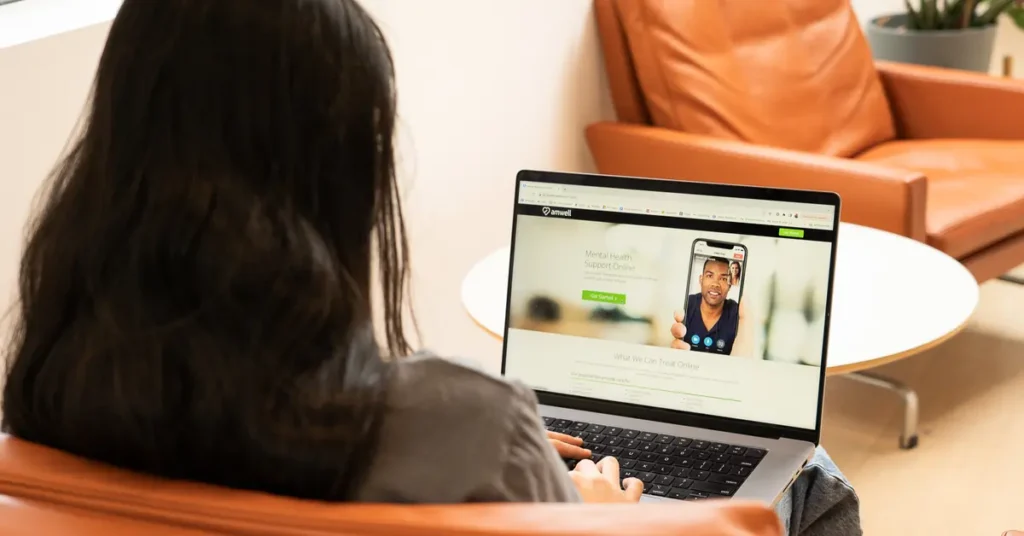
Is Online Therapy Really Effective in India? Introduction In the last few years, online counselling in India has shifted from being a niche option to a mainstream form of mental health care. With the rise of remote work, digital platforms, and increased awareness about mental health, more Indians are asking the same question: “Is online therapy really effective in India?” This blog explores the growth of online therapy in India, its effectiveness compared to traditional in-person counselling, and how it works across cities like Delhi, Mumbai, Bangalore, and Pune. Whether you are dealing with anxiety, workplace stress, relationship challenges, or just looking for clarity, this guide will help you understand whether online therapy is the right fit for you. The Rise of Online Therapy in India Changing attitudes toward mental health For decades, counselling was considered taboo in India. Families hesitated to talk about therapy, and mental health concerns were often brushed aside. But in recent years, especially after the pandemic, people have started seeking professional help without hesitation. Online therapy became a turning point, offering confidentiality, convenience, and affordability. Students in Delhi, corporate employees in Bangalore, and homemakers in Mumbai all found access to counselling from the comfort of their homes. Technology makes counselling accessible India’s internet penetration and affordable smartphones made platforms like PsyQuench possible. No longer do clients have to commute through traffic or wait weeks for appointments at big hospitals. With online therapy, anyone can schedule a session, whether they live in metro cities or small towns like Indore, Coimbatore, or Guwahati. Benefits of Online Counselling in India Challenges of Online Therapy While effective, online therapy also comes with certain limitations: For mild to moderate emotional concerns, such as anxiety, stress, relationship challenges, or overthinking – online therapy is just as effective as face-to-face counselling. Is Online Therapy Effective? The Research Studies show that online therapy can be as effective as in-person therapy for most mental health concerns, especially for: According to the World Health Organization (WHO), digital therapy platforms can bridge the treatment gap in countries like India, where the ratio of psychologists to population is still very low (WHO Report on Digital Health). Online Therapy in Different Indian Cities Delhi With fast-paced lifestyles and high stress levels, Delhi professionals often seek therapy for workplace burnout, anxiety, and family pressures. Online therapy allows them to connect with licensed counsellors without navigating long commutes. Mumbai The financial hub of India sees heavy demand for therapy for working adults. Online counselling provides much-needed flexibility for corporate employees and entrepreneurs juggling long hours. Bangalore Known as the IT capital, Bangalore has a young workforce prone to stress, loneliness, and tech-related burnout. Online therapy caters to these professionals with flexible slots and specialised counselling. Pune Students and early-career professionals in Pune benefit from affordable online therapy that balances academic stress, career decisions, and emotional well-being. How to Choose the Best Online Psychologist in India When selecting an online therapist, consider: You can explore trusted counselling services here: PsyQuench Counselling Services. Role of PsyQuench in Online Counselling PsyQuench provides both short-term psychology courses and online counselling services in India. For aspiring professionals, their training programs build practical skills in therapy. For clients, PsyQuench ensures trained psychologists, confidentiality, and affordable care. If you’re a student or professional seeking a course, explore: PsyQuench Courses. Summary Conclusion So, is online therapy really effective in India? The answer is yes. For most emotional and psychological challenges, online therapy offers the same effectiveness as face-to-face counselling. With growing awareness, technological support, and platforms like PsyQuench, more Indians now have access to professional help without barriers of distance or stigma. If you’re considering therapy, remember that taking the first step is the most important part of healing. Begin your journey — Try online counselling with PsyQuench. FAQs 1. Is online therapy legal in India?Yes. The Mental Healthcare Act, 2017 allows psychologists to provide therapy online. 2. How much does online counselling in India cost?It usually ranges from ₹500 to ₹2,000 per session, depending on experience and platform. 3. Can I choose my therapist in online therapy?Yes, platforms like PsyQuench allow you to select based on expertise and approach. 4. Is online therapy safe and confidential?Yes, sessions are encrypted and confidential, ensuring privacy. 5. Who should not opt for online therapy?People with severe psychiatric illnesses or those at risk of self-harm may require in-person care or hospitalization. Begin your journey with trusted professionals: PsyQuench Counselling Services
What Happens in Your First Counselling Session in India?

What Happens in Your First Counselling Session in India? Nervous about therapy? Learn what to expect in your first counselling session in India. Introduction: The Anxiety Before the First Step For many people in India, deciding to go for counselling is both a brave and intimidating choice. Mental health is slowly becoming a more open topic in cities like Delhi, Mumbai, Bangalore, and Pune, but walking into your first therapy session still comes with butterflies in the stomach. Questions like “What will my therapist ask?” or “Will I be judged?” often create unnecessary pressure. The truth is, your first counselling session is designed to be safe, confidential, and supportive. Instead of being thrown into solutions, you’ll spend time building trust with your therapist, clarifying your concerns, and understanding how therapy can help. In this blog, we’ll walk you through exactly what happens in a first counselling session in India, highlight the cultural and city-specific realities, and share how organizations like PsyQuench are making therapy accessible for everyone. Why People Seek Counselling in India Before diving into the session structure, it’s important to understand why people in India seek therapy in the first place. Common reasons include: According to a WHO report, India accounts for nearly 15% of the global mental health burden, yet therapy remains underutilized due to stigma and lack of awareness. The first counselling session often becomes the bridge between hesitation and healing. What Happens in the First Counselling Session A first therapy session in India typically lasts 45–60 minutes. While approaches vary slightly depending on the therapist, most sessions include these steps: 1. Initial Welcome & Building Rapport Your therapist will greet you warmly and explain what counselling is (and isn’t). This part is crucial in India, where many people still fear judgement or misunderstanding. In cities like Mumbai, where therapy is becoming trendy, this conversation often addresses misconceptions. In smaller cities, therapists spend more time reassuring clients that therapy is not only for “serious mental illness” but also for everyday challenges. 2. Confidentiality Assurance Therapists in India are legally and ethically bound to confidentiality. Your therapist will explain that everything you share is private, except in rare cases like risk of self-harm or legal obligations. This reassurance is especially important in Delhi and Bangalore, where young adults worry about parents, employers, or peers finding out. 3. Exploring Concerns The therapist invites you to share why you came. You don’t need to prepare a perfect story, even saying “I don’t know where to start” is fine. Therapists use open-ended questions to understand: For example, a college student in Pune might talk about exam pressure, while a professional in Bangalore may focus on work-life imbalance. 4. Assessment Tools (If Needed) Some therapists in India use short psychological assessments in the first session, like stress checklists or mood questionnaires. This helps structure future sessions, especially in clinical setups in Delhi or with online therapy through PsyQuench. 5. Goal Setting Together, you’ll outline what you want from therapy. Goals can be as broad as “I want to feel less anxious” or as specific as “I want to improve my relationship with my parents.” 6. Therapist’s Approach Explanation Your therapist may share their therapy style, whether it’s CBT (Cognitive Behavioural Therapy), Narrative Therapy, Existential Therapy, or Family Therapy. For instance: 7. Closing & Next Steps The session usually ends with: Most importantly, the therapist will check how you felt during the session, because comfort and trust are the foundation of therapy. The Emotional Experience: What You Might Feel Your first therapy session is not about “fixing” you immediately. Instead, it’s about beginning a journey. Clients often report mixed emotions after Session One: Whether you’re in Delhi traffic stress, Mumbai’s corporate rush, Bangalore’s startup burnout, or Pune’s academic grind, therapy normalizes your feelings and helps you process them without judgment. The Role of Culture in Indian Therapy Sessions Counselling in India has unique cultural aspects: Online vs. Offline Counselling in India Your first session may look different depending on whether it’s online or offline: You can explore PsyQuench’s counselling services here to see both online and hybrid options across major Indian cities. How PsyQuench Supports First-Time Clients PsyQuench has become one of India’s leading platforms offering courses, internships, and counselling services. For someone nervous about their first therapy session, PsyQuench provides: An Example: First Session in Different Indian Cities External Resource for Confidence For those still hesitant, you can explore trusted resources like the World Health Organization (WHO) Mental Health page, which reinforces that seeking therapy is a healthy and globally accepted step. Summary Your first counselling session in India is: Instead of fearing the unknown, think of it as the first page of your healing journey. Conclusion Starting therapy is an act of courage. While nervousness before the first session is normal, knowing what to expect can make the process easier. Whether you’re a student in Pune, a young professional in Bangalore, a working parent in Delhi, or balancing corporate chaos in Mumbai, counselling provides clarity and strength. PsyQuench ensures that no one has to walk alone into their first session. With its team of experienced counsellors and trainers, you can trust that you’re in safe hands. Take the first step — explore PsyQuench’s counselling services and begin your journey toward emotional well-being today. FAQs 1. How long is the first counselling session in India?Usually 45–60 minutes, depending on the therapist. 2. Do I need to prepare before my first session? No preparation is necessary. Just bring openness, you can even say “I don’t know where to start.” 3. Will my therapist share my information with anyone?No. Everything you share is confidential, except in rare cases involving safety concerns. 4. Can I do my first counselling session online?Yes. Platforms like PsyQuench offer flexible online sessions across India. 5. What if I don’t connect with my therapist in the first session?It’s okay, therapy is about fit. PsyQuench can help match you with another therapist if needed. 6. How much does a


