Trauma Awareness in India
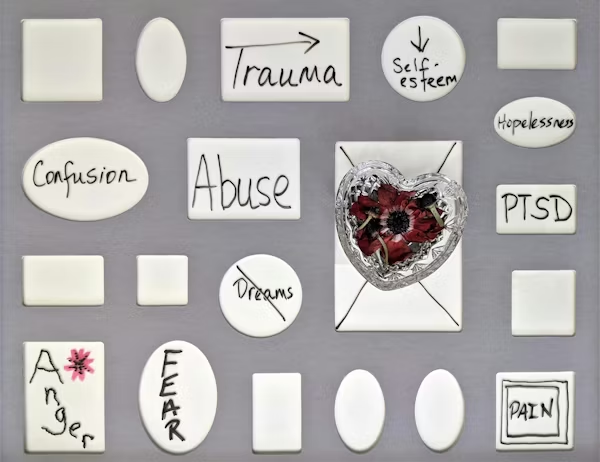
Trauma Awareness in India Trauma awareness in India is gradually increasing, yet many individuals continue to live with unrecognised and unaddressed traumatic experiences. Conversations around trauma therapy India, PTSD India, and trauma signs are becoming more visible as people begin to understand how deeply trauma can affect mental, emotional, and physical well-being. Trauma is not limited to extreme events; it can arise from accidents, abuse, medical experiences, loss, neglect, violence, or prolonged emotional stress. In India, trauma is often minimised, spiritualised, or pushed aside in favour of resilience narratives. However, unresolved trauma does not disappear, it shows up through anxiety, emotional numbness, relationship difficulties, and physical symptoms. Building trauma awareness is the first step toward healing and seeking appropriate support. What Is Psychological Trauma? Psychological trauma occurs when an individual experiences an event or series of events that overwhelm their ability to cope, leaving lasting emotional and physiological effects. According to the Wikipedia page on psychological trauma, trauma can disrupt memory, emotional regulation, and the nervous system’s sense of safety: https://en.wikipedia.org/wiki/Psychological_trauma. Trauma responses are highly individual what feels traumatic to one person may not feel the same to another. The key factor is how the experience is processed by the nervous system. Why Trauma Often Goes Unrecognised in India 1. Cultural Normalisation of Suffering Emotional pain is frequently dismissed with phrases like “be strong” or “move on,” discouraging people from acknowledging trauma. 2. Limited Mental Health Literacy Many people associate trauma only with extreme violence or war, overlooking everyday traumatic experiences such as emotional abuse, neglect, or chronic stress. 3. Stigma and Silence Fear of judgment, shame, or family repercussions prevents open conversations about trauma, especially when it involves abuse or family dynamics. 4. Focus on Physical Symptoms Trauma often manifests as headaches, fatigue, digestive issues, or sleep problems, leading individuals to seek medical help without addressing emotional roots. Common Trauma Signs and Symptoms Trauma signs may include intrusive memories, nightmares, hypervigilance, emotional numbness, irritability, difficulty trusting others, and avoidance of reminders. Some individuals experience dissociation or feel disconnected from their bodies and emotions. When left untreated, these symptoms can persist for years and significantly impact quality of life. PsyQuench offers support, helping you cope with the intrusive memories. Understanding PTSD in the Indian Context Post-Traumatic Stress Disorder (PTSD) is a condition that can develop after exposure to trauma. The Wikipedia page on PTSD explains how symptoms include re-experiencing, avoidance, negative mood changes, and heightened arousal: https://en.wikipedia.org/wiki/Post-traumatic_stress_disorder. In India, PTSD is often underdiagnosed, especially among survivors of accidents, violence, disasters, or long-term abuse. Many individuals continue functioning while silently struggling. Impact of Trauma on Daily Life and Relationships Unresolved trauma affects emotional regulation, self-worth, and relationships. Individuals may struggle with intimacy, boundaries, anger, or withdrawal. Trauma can also influence parenting patterns, work performance, and physical health. Recognising these patterns as trauma responses, not personal flaws, is a crucial step toward healing. Understanding Trauma Through Video This YouTube video explains how trauma affects the brain and body and why therapy plays a vital role in recovery: https://www.youtube.com/watch?v=95ovIJ3dsNk. It helps normalise trauma responses and emphasises that healing is possible with the right support. Why Trauma Therapy Is Essential 1. Nervous System Regulation Trauma therapy helps calm the nervous system and restore a sense of safety in the body. 2. Processing Traumatic Memories Therapy supports safe processing of traumatic experiences without re-traumatisation. 3. Reducing Trauma Symptoms Evidence-based approaches reduce flashbacks, anxiety, emotional numbness, and hypervigilance. 4. Rebuilding Identity and Control Therapy helps individuals reconnect with themselves, rebuild trust, and regain agency. PsyQuench offers trauma-informed therapy and psychological support for individuals seeking healing from past and ongoing traumatic experiences. Other Online Trauma Therapy Platforms in India Alongside PsyQuench, platforms such as BetterLYF (https://www.betterlyf.com), Amaha (https://www.amahahealth.com), MindPeers (https://www.mindpeers.co), Manochikitsa (https://manochikitsa.com), and YourDOST (https://yourdost.com) offer mental health and trauma-informed counselling services in India. Summary Trauma in India often goes unrecognised or unspoken, as emotional pain is frequently minimised, normalised, or suppressed. Trauma can result from a wide range of experiences, including accidents, abuse, loss, medical events, violence, or prolonged emotional stress, and it affects the mind and body long after the event has passed. Unresolved trauma may show up as anxiety, emotional numbness, hypervigilance, relationship difficulties, or physical symptoms. Building trauma awareness helps individuals understand that these reactions are natural responses, not personal weaknesses. Trauma-informed therapy plays a crucial role in helping individuals process experiences safely, regulate the nervous system, and move toward healing and emotional resilience. Conclusion Trauma awareness in India is essential for breaking cycles of silent suffering and emotional distress. Trauma is not a weakness—it is a natural response to overwhelming experiences. With awareness, compassion, and professional trauma therapy, healing is possible at any stage of life. Seeking help is a powerful act of self-care and courage. Start your healing journey today. Frequently Asked Questions (FAQs) 1. What are common signs of trauma? Common trauma signs include intrusive memories, emotional numbness, hypervigilance, avoidance, sleep problems, and difficulty trusting others. These symptoms may appear immediately or years after the traumatic experience. 2. Is trauma therapy effective? Yes, trauma therapy is highly effective when delivered using evidence-based, trauma-informed approaches. It helps regulate the nervous system, process experiences safely, and reduce long-term distress. 3. How is PTSD different from general trauma? PTSD is a diagnosable condition with specific symptom criteria, while trauma responses can exist without meeting PTSD criteria. Both benefit from trauma-informed therapeutic support. 4. Can childhood experiences cause trauma? Yes, childhood neglect, emotional abuse, or unstable environments can create lasting trauma that affects adult relationships and self-worth. PsyQuench offers practitioner courses in Trauma Informed Therapy, allowing you to enhance your skillset. 5. When should someone seek trauma therapy? If distressing symptoms persist, interfere with daily life, or affect relationships, seeking trauma therapy is strongly recommended. Online therapy can be a great way to start therapy, especially in cases where there is reluctance. 6. Does talking about trauma make it worse? When done safely with a trained therapist, discussing trauma does not make it
Can Therapy Help You Heal From Trauma? A Client’s Perspective

Can Therapy Help You Heal From Trauma? A Client’s Perspective Anxiety or Just Overthinking? Let a Therapist Help You Know the DifferenceHealing from emotional pain is possible. Read one client’s honest story. Introduction: Why Emotional Pain Doesn’t Always Go Away On Its Own Many people believe time heals everything. But for those who’ve faced trauma whether it’s childhood neglect, emotional abuse, a breakup, or a major life event, time alone often isn’t enough. The memories remain, triggered by moments we least expect. Doubt, anxiety, or overwhelming emotions can quietly follow us into relationships, work, and daily life. At PsyQuench, we hear this question often: “Can therapy really help me heal, or is it just talking?” This blog shares a real therapy success story told from a client’s perspective to show how trauma counselling India can turn silent pain into understanding, self-compassion, and freedom. A Client’s Journey: “I Thought I Was Just Overthinking” “For years, I blamed myself for feeling anxious. People told me, ‘You’re too sensitive,’ or ‘Stop overthinking.’ I believed them. I hid my panic attacks, convinced that being strong meant keeping it all inside.” “What I didn’t realise was that my mind wasn’t ‘weak’ it was carrying pain I’d never acknowledged. Old memories of growing up unseen and unheard, being shamed for crying, and always trying to please everyone. These weren’t just random worries, they were trauma responses.” “Starting therapy was terrifying. I thought: what if the therapist judges me? What if I cry and can’t stop? But from the first session, something felt different. It wasn’t about fixing me, it was about finally being heard.” How Therapy Helped Me See the Difference Between Anxiety and Overthinking Through trauma counselling India, my therapist helped me understand: Overthinking is often our mind’s attempt to stay in control, analysing every detail to feel safe.Anxiety is what happens when past emotional wounds shape how we react to present situations.Some fears weren’t irrational; they were echoes from past experiences I’d never processed. The biggest relief was realising: my reactions had a reason. And healing wasn’t about “snapping out of it,” but gently exploring those reasons with support. Tools and Insights That Changed My Healing Journey Therapy wasn’t just talking. It included: For the first time, I learned that feeling sad, angry, or scared wasn’t weakness. It was human. Also Read: 6 Signs You May Benefit from Trauma Counseling – psychology Why Trauma Counselling India Feels Different Before therapy, I worried: “Will my therapist understand what it means to grow up in an Indian family? To face shame, guilt, and expectations?” What helped most was working with a therapist who understood: How cultural messages like “log kya kahenge” (what will people say) can deepen shameThe pressure of balancing family duty with personal needsThat trauma isn’t always about a single “big” event, sometimes it’s years of silence, criticism, or neglect This cultural sensitivity made me feel truly seen. How Life Looks Today: A Therapy Success Story I still feel anxious sometimes but now, I notice it sooner and respond with kindness instead of shame.I can set small boundaries without guilt.I’m not free from pain but I’m free from believing the pain defines me. To me, that’s the real therapy success story: not becoming perfect, but becoming real, present, and kinder to myself. Summary Healing from trauma doesn’t mean forgetting what happened. It means giving your story space, understanding how it shaped you, and learning healthier ways to cope. Trauma counselling India offers culturally sensitive tools, empathy, and guidance for this journey. Conclusion If you’ve wondered, “Is this anxiety or am I just overthinking?” I know you don’t have to figure it out alone. Therapy isn’t about proving your pain is ‘big enough.’ It’s about giving yourself the chance to heal, no matter where the hurt began. Talk to someone today. Confidential sessions available. At PsyQuench, our therapists listen without judgment and help you explore your past and present with compassion. Healing is possible and you don’t have to do it alone.Start your journey → Online Counseling Services by PsyQuench FAQs Q1: Is trauma only about major events?No. Trauma can come from ongoing criticism, emotional neglect, or situations where your feelings were invalidated. Q2: How long does trauma therapy take?It varies. Some clients see changes in weeks; deeper healing may take months. It’s a personal journey, not a race. Q3: What if I cry or can’t talk in therapy?That’s completely okay. Therapists are trained to support you gently through silence, tears, or overwhelm. Q4: Is trauma counselling India culturally sensitive?Yes. Our therapists understand Indian family dynamics, societal pressures, and the cultural stigma around mental health.