
Trauma Awareness in India
Trauma awareness in India is gradually increasing, yet many individuals continue to live with unrecognised and unaddressed traumatic experiences. Conversations around trauma therapy India, PTSD India, and trauma signs are becoming more visible as people begin to understand how deeply trauma can affect mental, emotional, and physical well-being. Trauma is not limited to extreme events; it can arise from accidents, abuse, medical experiences, loss, neglect, violence, or prolonged emotional stress. In India, trauma is often minimised, spiritualised, or pushed aside in favour of resilience narratives. However, unresolved trauma does not disappear, it shows up through anxiety, emotional numbness, relationship difficulties, and physical symptoms. Building trauma awareness is the first step toward healing and seeking appropriate support.
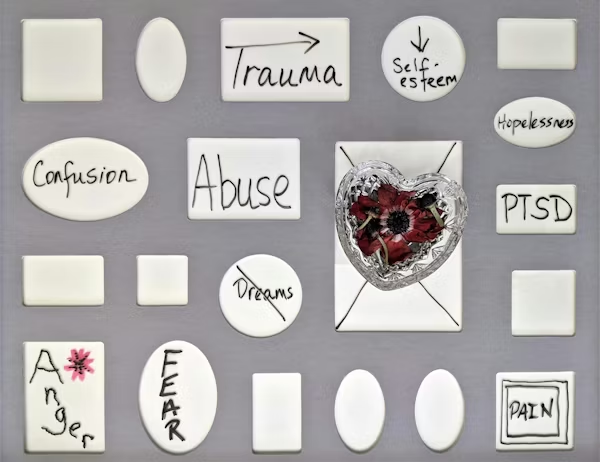
What Is Psychological Trauma?
Psychological trauma occurs when an individual experiences an event or series of events that overwhelm their ability to cope, leaving lasting emotional and physiological effects. According to the Wikipedia page on psychological trauma, trauma can disrupt memory, emotional regulation, and the nervous system’s sense of safety: https://en.wikipedia.org/wiki/Psychological_trauma.
Trauma responses are highly individual what feels traumatic to one person may not feel the same to another. The key factor is how the experience is processed by the nervous system.
Why Trauma Often Goes Unrecognised in India
1. Cultural Normalisation of Suffering
Emotional pain is frequently dismissed with phrases like “be strong” or “move on,” discouraging people from acknowledging trauma.
2. Limited Mental Health Literacy
Many people associate trauma only with extreme violence or war, overlooking everyday traumatic experiences such as emotional abuse, neglect, or chronic stress.
3. Stigma and Silence
Fear of judgment, shame, or family repercussions prevents open conversations about trauma, especially when it involves abuse or family dynamics.
4. Focus on Physical Symptoms
Trauma often manifests as headaches, fatigue, digestive issues, or sleep problems, leading individuals to seek medical help without addressing emotional roots.
Common Trauma Signs and Symptoms
Trauma signs may include intrusive memories, nightmares, hypervigilance, emotional numbness, irritability, difficulty trusting others, and avoidance of reminders. Some individuals experience dissociation or feel disconnected from their bodies and emotions.
When left untreated, these symptoms can persist for years and significantly impact quality of life. PsyQuench offers support, helping you cope with the intrusive memories.
Understanding PTSD in the Indian Context
Post-Traumatic Stress Disorder (PTSD) is a condition that can develop after exposure to trauma. The Wikipedia page on PTSD explains how symptoms include re-experiencing, avoidance, negative mood changes, and heightened arousal: https://en.wikipedia.org/wiki/Post-traumatic_stress_disorder.
In India, PTSD is often underdiagnosed, especially among survivors of accidents, violence, disasters, or long-term abuse. Many individuals continue functioning while silently struggling.
Impact of Trauma on Daily Life and Relationships
Unresolved trauma affects emotional regulation, self-worth, and relationships. Individuals may struggle with intimacy, boundaries, anger, or withdrawal. Trauma can also influence parenting patterns, work performance, and physical health.
Recognising these patterns as trauma responses, not personal flaws, is a crucial step toward healing.
Understanding Trauma Through Video
This YouTube video explains how trauma affects the brain and body and why therapy plays a vital role in recovery: https://www.youtube.com/watch?v=95ovIJ3dsNk. It helps normalise trauma responses and emphasises that healing is possible with the right support.
Why Trauma Therapy Is Essential
1. Nervous System Regulation
Trauma therapy helps calm the nervous system and restore a sense of safety in the body.
2. Processing Traumatic Memories
Therapy supports safe processing of traumatic experiences without re-traumatisation.
3. Reducing Trauma Symptoms
Evidence-based approaches reduce flashbacks, anxiety, emotional numbness, and hypervigilance.
4. Rebuilding Identity and Control
Therapy helps individuals reconnect with themselves, rebuild trust, and regain agency.
PsyQuench offers trauma-informed therapy and psychological support for individuals seeking healing from past and ongoing traumatic experiences.
Other Online Trauma Therapy Platforms in India
Alongside PsyQuench, platforms such as BetterLYF (https://www.betterlyf.com), Amaha (https://www.amahahealth.com), MindPeers (https://www.mindpeers.co), Manochikitsa (https://manochikitsa.com), and YourDOST (https://yourdost.com) offer mental health and trauma-informed counselling services in India.
Summary
Trauma in India often goes unrecognised or unspoken, as emotional pain is frequently minimised, normalised, or suppressed. Trauma can result from a wide range of experiences, including accidents, abuse, loss, medical events, violence, or prolonged emotional stress, and it affects the mind and body long after the event has passed. Unresolved trauma may show up as anxiety, emotional numbness, hypervigilance, relationship difficulties, or physical symptoms. Building trauma awareness helps individuals understand that these reactions are natural responses, not personal weaknesses. Trauma-informed therapy plays a crucial role in helping individuals process experiences safely, regulate the nervous system, and move toward healing and emotional resilience.
Conclusion
Trauma awareness in India is essential for breaking cycles of silent suffering and emotional distress. Trauma is not a weakness—it is a natural response to overwhelming experiences. With awareness, compassion, and professional trauma therapy, healing is possible at any stage of life. Seeking help is a powerful act of self-care and courage.
Start your healing journey today.
Frequently Asked Questions (FAQs)
1. What are common signs of trauma?
Common trauma signs include intrusive memories, emotional numbness, hypervigilance, avoidance, sleep problems, and difficulty trusting others. These symptoms may appear immediately or years after the traumatic experience.
2. Is trauma therapy effective?
Yes, trauma therapy is highly effective when delivered using evidence-based, trauma-informed approaches. It helps regulate the nervous system, process experiences safely, and reduce long-term distress.
3. How is PTSD different from general trauma?
PTSD is a diagnosable condition with specific symptom criteria, while trauma responses can exist without meeting PTSD criteria. Both benefit from trauma-informed therapeutic support.
4. Can childhood experiences cause trauma?
Yes, childhood neglect, emotional abuse, or unstable environments can create lasting trauma that affects adult relationships and self-worth. PsyQuench offers practitioner courses in Trauma Informed Therapy, allowing you to enhance your skillset.
5. When should someone seek trauma therapy?
If distressing symptoms persist, interfere with daily life, or affect relationships, seeking trauma therapy is strongly recommended. Online therapy can be a great way to start therapy, especially in cases where there is reluctance.
6. Does talking about trauma make it worse?
When done safely with a trained therapist, discussing trauma does not make it worse. Therapy focuses on stabilisation and pacing to prevent re-traumatisation.
7. How can PsyQuench support trauma recovery?
PsyQuench provides trauma-informed therapy tailored to individual needs, helping clients process experiences safely and move toward emotional healing and resilience.


