
Understanding Anxiety Disorders: Symptoms, Causes, and Counselling Support
Anxiety is a natural emotional response to stress, uncertainty, or perceived danger. However, when anxiety becomes persistent, overwhelming, or interferes with daily functioning, it may develop into an anxiety disorder. Many individuals silently struggle with excessive worry, racing thoughts, physical tension, and avoidance of situations that trigger fear. This is where anxiety disorder counselling plays a crucial role. It provides structured psychological support that helps individuals understand their symptoms, manage distress, and build long-term coping strategies.
In India and across the world, awareness of anxiety disorders has increased significantly. Students, working professionals, caregivers, and even high-performing individuals report symptoms that go beyond everyday stress. While anxiety disorders are common, they are also highly treatable. Counselling, when provided by trained professionals, can help people regain a sense of control, improve emotional regulation, and reduce the intensity of anxious patterns.
To understand how anxiety works in the brain and body, you can watch this educational overview: How to cope with anxiety | Olivia Remes | TEDxUHasselt
This guide explores the symptoms, causes, and treatment of anxiety disorders, with a strong focus on how anxiety disorder counselling supports recovery and emotional well-being.
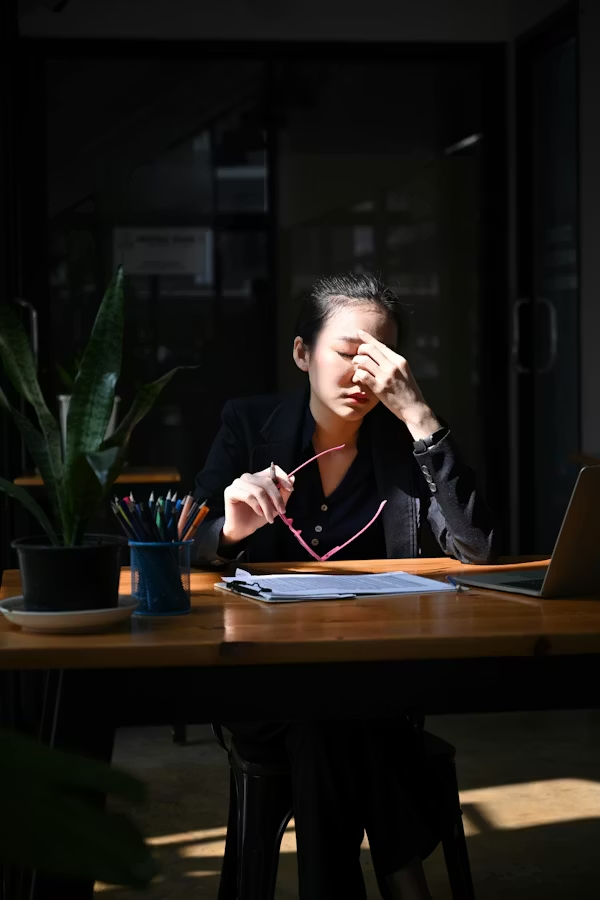
What Are Anxiety Disorders?
Anxiety disorders are a group of mental health conditions characterized by excessive fear, worry, or nervousness that persists over time. Unlike temporary stress, anxiety disorders often continue even when there is no immediate threat. They can affect sleep, concentration, relationships, and physical health.
Anxiety disorders are among the most common mental health conditions worldwide. They include generalized anxiety disorder, social anxiety disorder, panic disorder, and specific phobias.
While each type of anxiety disorder has unique features, all involve heightened fear responses and difficulty regulating worry. Anxiety disorder counselling focuses on understanding these patterns and helping individuals develop healthier ways of responding to stress and fear.
Common Symptoms of Anxiety Disorders
Symptoms of anxiety can be both emotional and physical. Emotional symptoms often include persistent worry, fear of the worst happening, irritability, and difficulty concentrating. Physical symptoms may include a racing heart, muscle tension, sweating, restlessness, or fatigue.
Many people also experience sleep disturbances, overthinking, and avoidance of situations that trigger anxiety. For example, someone with social anxiety may avoid gatherings, while someone with generalized anxiety may worry excessively about everyday tasks.
These symptoms can vary in intensity and frequency. Some individuals experience occasional episodes, while others feel anxious most days. Anxiety disorder counselling helps individuals identify patterns, triggers, and underlying beliefs that contribute to these symptoms.
Types of Anxiety Disorders
Understanding the different types of anxiety disorders can help individuals recognize their experiences more clearly.
Generalized anxiety disorder involves persistent and excessive worry about multiple areas of life such as work, health, or relationships. Social anxiety disorder centers around fear of judgment or embarrassment in social situations. Panic disorder involves sudden episodes of intense fear known as panic attacks. Specific phobias involve intense fear of particular objects or situations such as heights or flying.
Each type of anxiety disorder requires tailored support. Counselling helps individuals understand their specific patterns and learn coping strategies suited to their needs.
Causes of Anxiety Disorders
Anxiety disorders do not have a single cause. They usually develop due to a combination of biological, psychological, and environmental factors.
Biological factors include genetics and brain chemistry. Individuals with a family history of anxiety may be more likely to experience similar patterns. Psychological factors include personality traits such as perfectionism or sensitivity to stress. Environmental factors include life events, trauma, chronic stress, or major transitions.
For many people, anxiety develops gradually. What begins as occasional worry may become persistent over time. Anxiety disorder counselling helps individuals explore these contributing factors and understand how their experiences shape their current emotional patterns.
How Anxiety Affects Daily Life
Anxiety disorders can impact various aspects of life. Individuals may struggle with concentration at work or school, experience tension in relationships, or avoid opportunities due to fear. Physical symptoms such as headaches, fatigue, or digestive issues may also occur.
Over time, untreated anxiety can lead to burnout, low self-esteem, or depression. Early intervention through anxiety disorder counselling can help prevent symptoms from worsening and support healthier coping strategies.
How Counselling Helps Anxiety Disorders
Counselling is one of the most effective approaches for managing anxiety disorders. It provides a safe and supportive space to explore thoughts, emotions, and behaviors. Through therapy, individuals learn to identify triggers, challenge unhelpful thinking patterns, and develop coping tools.
Cognitive behavioral therapy is widely used in anxiety treatment. It helps individuals understand the connection between thoughts, feelings, and actions. Relaxation techniques, mindfulness, and exposure strategies are also commonly used.
Anxiety disorder counselling focuses not only on symptom relief but also on building long-term emotional resilience. Over time, individuals learn to respond to stress with greater confidence and clarity.
Online Counselling for Anxiety
Online therapy has become increasingly popular, especially for anxiety disorders. Many individuals feel more comfortable discussing their concerns from home. Online sessions offer flexibility and accessibility while maintaining confidentiality.
Platforms like Dhairyada provide structured online sessions that focus on understanding anxiety triggers, improving emotional regulation, and developing coping strategies.
Online anxiety disorder counselling can be particularly helpful for individuals who feel overwhelmed by in-person sessions or have busy schedules. Consistent sessions and practical exercises support gradual improvement.
Lifestyle Strategies Alongside Counselling
While counselling is central to treatment, lifestyle changes can also support anxiety management. Regular sleep, balanced routines, physical activity, and reduced caffeine intake can help regulate the nervous system. Mindfulness and relaxation practices can reduce physical tension.
However, lifestyle changes alone may not address deeper thought patterns or emotional triggers. Combining these strategies with anxiety disorder counselling often leads to better outcomes.
When to Seek Counselling
It may be time to seek counselling if anxiety feels persistent, overwhelming, or interferes with daily functioning. Early support can prevent symptoms from intensifying and help individuals develop coping skills.
Many people wait until anxiety becomes severe before seeking help. However, counselling can be beneficial even for mild symptoms. Learning to manage anxiety early can improve long-term well-being.
Summary
Anxiety disorders are common but manageable mental health conditions. Symptoms may include persistent worry, physical tension, and avoidance behaviors. Causes often involve a mix of biological, psychological, and environmental factors.
Anxiety disorder counselling provides structured support that helps individuals understand their experiences, develop coping strategies, and regain a sense of control. With consistent therapy and self-care, many people experience significant improvement in emotional well-being.
Conclusion
Living with anxiety can feel overwhelming, but support is available. Understanding symptoms, triggers, and coping strategies is the first step toward recovery. Counselling offers a safe and effective way to address anxiety and build resilience.
If you are experiencing persistent worry or emotional strain, consider seeking professional support. Early intervention can make a meaningful difference in how anxiety affects your life.
Explore structured and supportive counselling structure by PsyQuench to begin your journey toward emotional balance and well-being.
Frequently Asked Questions (FAQs)
1. What is anxiety disorder counselling and how does it work?
Anxiety disorder counselling involves working with a trained mental health professional to understand and manage anxiety symptoms. Sessions typically focus on identifying triggers, exploring thought patterns, and learning coping strategies such as relaxation techniques and cognitive restructuring. Over time, counselling helps individuals respond to stress with greater confidence and reduce the intensity of anxious reactions.
2. Can PsyQuench services help with different types of anxiety disorders?
Yes. PsyQuench services provide structured counselling support for various anxiety concerns, including generalized anxiety, social anxiety, and stress-related anxiety. Sessions are tailored to individual needs and focus on practical tools that support emotional regulation and daily functioning.
3. Are PsyQuench services suitable for first-time therapy clients?
Yes. PsyQuench services are designed to be accessible and supportive for individuals seeking counselling for the first time. Professionals guide clients through the process gently, helping them understand anxiety and build coping strategies without pressure.
4. How long does anxiety disorder counselling take to show results?
The duration varies depending on the individual and severity of symptoms. Some people notice improvements within a few weeks of consistent sessions, while others may benefit from longer-term support. Progress often involves gradual changes in thought patterns, behavior, and emotional regulation.
5. Is online anxiety counselling effective?
Yes. Online counselling can be very effective for anxiety disorders. It allows individuals to access support from a comfortable environment and maintain regular sessions. Many therapy techniques used in person can also be applied successfully in online formats.
6. Can anxiety disorders be cured completely?
While some individuals experience long periods without significant symptoms, anxiety can sometimes return during stressful times. Counselling helps individuals develop tools to manage anxiety effectively and reduce its impact on daily life.
7. Do I need medication along with counselling?
Some individuals benefit from a combination of medication and counselling, especially if symptoms are severe. A psychiatrist can evaluate whether medication is appropriate. Many people manage anxiety effectively through counselling alone.
8. When should I seek professional help for anxiety?
You should consider seeking help if anxiety feels persistent, overwhelming, or interferes with daily activities such as work, sleep, or relationships. Early support can prevent symptoms from worsening and help you develop healthier coping strategies for the future.


