

Relationship Conflicts in Gen Z: Why Counselling Helps From boundaries to communication find out how therapy helps Gen Z resolve relationship struggles. In a world of instant messaging, reels, and online dating, Gen Z is navigating love and relationships in ways no generation ever has before. On the outside, it might look like they’re more connected than ever but many young people today feel more confused, anxious, and emotionally burnt out by relationships than they’d like to admit.At PsyQuench, we see it often: students and young professionals who care deeply about love but keep getting stuck in cycles of overthinking, miscommunication, and fear of rejection. This blog unpacks why Gen Z faces these unique relationship challenges and how relationship counselling India and couple therapy India are helping turn conflict into connection. Why Gen Z Feels Relationships Differently Growing up with smartphones and social media, Gen Z learned to express affection through likes, quick replies, and digital check-ins. But while this creates closeness, it also invites constant comparison and anxiety: Offline, relationships also look different: traditional labels feel restrictive, expectations shift quickly, and conversations about boundaries and mental health come earlier and yet still feel hard. This mix of modern tools and emotional openness means relationships can feel both deeply rewarding and deeply exhausting. Also Read: Emotional Intelligence in Love: Strengthen Your Relationships The Hidden Weight of Overthinking One of the most common struggles Gen Z brings to therapy is overthinking, playing conversations on loop, doubting every message, and fearing they’ve said too much or too little.What makes it harder is that online communication often lacks tone and nuance, so silence feels like rejection. Over time, these thought patterns can drain emotional energy, lead to frequent fights, or push partners away.In relationship counselling India, therapists help clients notice these patterns, explore why they happen, and replace self-blame with healthier coping strategies. Boundaries: A Word Everyone Knows, Few Understand For many Gen Z clients, the idea of boundaries sounds logical, but setting them feels terrifying. They worry that saying “no” means losing someone, or that asking for space makes them seem cold.In therapy, setting boundaries becomes less about keeping someone out, and more about protecting emotional wellbeing. Clients learn to: This shift transforms relationships from anxious guessing games into balanced connections. When Small Disagreements Turn into Big Conflicts Without strong communication skills, even small misunderstandings, a late reply, a forgotten plan can trigger arguments or cold silences. Many Gen Z couples say fights start over nothing but spiral into talk of breaking up.In couple therapy India at PsyQuench, we teach practical skills: how to pause rather than react, use “I” statements to share feelings without blame, and listen to truly understand rather than just reply. Over time, these tools turn arguments into conversations. Relationship Counselling Isn’t Only for Couples It surprises many young people that you can go to therapy even if you’re not in a relationship. Individual sessions help clients explore: Understanding these patterns can make future relationships healthier and break cycles of hurt. How Therapy Changes Relationships At PsyQuench, young clients often start therapy feeling frustrated and defeated. Over time, they discover: Instead of trying to “fix” partners or force perfection, clients learn to build connections rooted in honesty, respect, and emotional balance. Why Gen Z Is Choosing Therapy It’s not a secret anymore: therapy has become a trusted tool among young Indians. Instead of waiting until things fall apart, Gen Z increasingly sees therapy as part of self-care like going to the gym for your emotional health.At PsyQuench, our relationship counselling India and couple therapy India programs fit modern needs: flexible scheduling, online or offline sessions, and therapists who understand cultural nuances and modern dating challenges. Summary Gen Z relationships face pressures that older generations never imagined: digital anxiety, rapid social changes, and blurred boundaries. But help exists. Through relationship counselling India and couple therapy India, young people are learning to communicate better, set healthy limits, and build love that feels safe, real, and sustainable. Conclusion Healthy relationships aren’t about perfection, they’re about growth, empathy, and honesty. Whether you’re single, dating, or part of a couple, therapy helps you step back from conflict and see yourself, your partner, and your patterns more clearly. At PsyQuench, we believe every generation deserves relationships built on understanding and Gen Z is proving that it starts with courage to ask for help. Feeling stuck in cycles of overthinking, conflict, or fear? Schedule a couple or individual session with our relationship experts and take the first step toward more balanced, honest, and fulfilling connections. FAQs Q1: Do I need to be in a long-term relationship to try couple therapy?Not at all! Even new couples can benefit, especially when challenges come up early. Q2: Will therapy tell me whether to stay or leave?Therapy won’t decide for you, it helps you see patterns, feelings, and choices more clearly so you can decide what’s healthiest. Q3: Are sessions confidential?Absolutely. Everything you share stays private, except in rare situations involving safety. Q4: How long does it take to notice change?Some clients feel lighter after a few sessions; deeper patterns may take longer. The process is gradual but real. Q5: Can therapy help with jealousy about social media?Yes. Therapists help explore why it happens and teach healthier ways to cope. Q6: Do both partners have to attend every time?No. Sometimes individual and joint sessions are combined, depending on needs.
From Intern to Therapist: A PsyQuench Student’s Success Story
From Intern to Therapist: A PsyQuench Student’s Success Story See how PsyQuench’s hands-on internship helped one student land clients and confidence. Every journey into mental health practice starts with a first session, a first client, and that first real feeling of “I can do this.” For many psychology students across India, that first step can be the hardest. But guided mentorship, real client exposure, and a supportive learning space can transform an anxious intern into a confident therapist.At PsyQuench, our internship program isn’t just about observing sessions, it’s about doing, reflecting, and growing. Today, we share a real therapist success story from our program: how one student went from classroom theories to real client conversations, and discovered her path as a professional. Meet Komal: From Classroom to Clinical Confidence Komal, a postgraduate psychology student, always dreamed of becoming a therapist. Yet like many students, she felt nervous about moving from theory to practice. “I’d read case studies and memorized models, but the thought of sitting with an actual client terrified me,” she shared.When she found PsyQuench’s psychology internship India, she hoped for exposure. What she didn’t expect was transformation. Hands-On Learning, Not Just Observation At PsyQuench, Koaml didn’t just watch from the corner of the room. Instead, her internship included: These experiences turned abstract theories into living skills, helping Komal understand how to listen deeply, respond empathetically, and structure sessions. Also Read: A Day in the Life of a PsyQuench Clinical Intern – psychology Facing the First Client: Overcoming Fear When Komal first assisted in a real client session, she worried: “What if I say the wrong thing?” But her mentor encouraged her to see mistakes not as failures, but as learning. Slowly, Komal realized therapy isn’t about perfect words, but about presence, trust, and compassion. “After that first session, I wasn’t less nervous, but I was braver,” she recalled. This shift is what many interns at PsyQuench describe: moving from fear of mistakes to curiosity about clients’ stories. Learning Beyond Technique: Self-Reflection & Growth A key part of the psychology internship India at PsyQuench is self-reflection. Through supervision, journaling, and group discussions, Riya: This process helped her feel grounded, especially during challenging client conversations. Building Client Trust and Real-World Confidence After weeks of training and supervised practice, Komal began to see real change, not just in clients, but in herself: Komal’s story isn’t unique at PsyQuench, but it shows why hands-on exposure matters so deeply. Books teach theory, but only practice teaches presence. Why Real-World Exposure Matters Many psychology students graduate with knowledge, but feel lost when it’s time to see clients. At PsyQuench, internships bridge this gap by offering: These are skills employers and clients value, and what turns a student into a professional. What Makes PsyQuench’s Internship Unique This isn’t about passive observation, it’s about becoming part of the therapeutic process. Komal Today: From Intern to Therapist After completing her internship, Komal began offering part-time counseling sessions under supervision, and now works as an associate therapist. “Clients trust me, not because I’m perfect, but because I’m present,” she says. For her, PsyQuench’s internship was more than a line on her CV, it was the start of a lifelong vocation. Summary The journey from student to therapist isn’t just about degrees—it’s about real conversations, supported practice, and growth through mentorship. Riya’s therapist success story shows how PsyQuench’s psychology internship India helps students transform fear into confidence, and theory into compassionate practice. Conclusion At PsyQuench, we know that every great therapist starts as a nervous intern. What makes the difference isn’t just knowledge, but guided exposure, honest reflection, and supportive mentors. If you’re ready to step beyond books and into real-world practice, our internship could be your turning point, from student to therapist. Ready to start your own success story? Enroll in our internship and get real-world client exposure, mentorship, and the confidence to begin your professional journey. FAQs Q1: Is the internship only for postgraduate students?Mostly, but motivated undergraduates in final years can apply, especially those with some counseling coursework. Q2: Are internships in-person or online?We offer both, so students from across India can join. Q3: Will I interact with real clients?Yes, with consent and always under supervision. Q4: How long is the internship?Typically 8–12 weeks, designed to balance study or work schedules. Q5: Do I get a certificate?Yes! Upon successful completion, you’ll receive a recognized certificate from PsyQuench. Q6: Can this help me get jobs or private practice later?Definitely—practical experience is highly valued by employers and essential if you plan to see clients.
5 Emotional Signs of Burnout You Shouldn’t Ignore
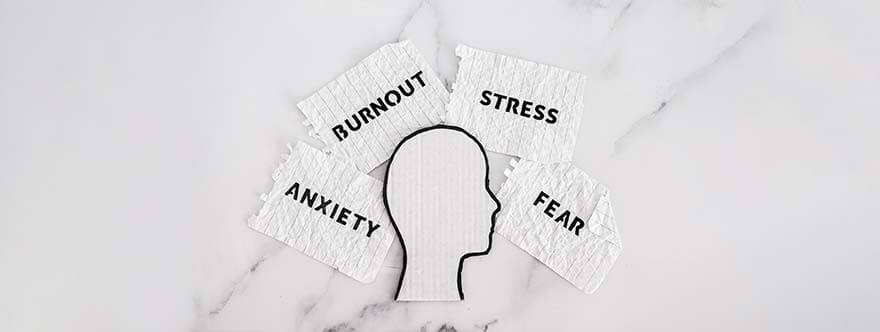
5 Emotional Signs of Burnout You Shouldn’t Ignore Burnout isn’t just physical. Learn how to recognize emotional signs and how therapy can help. In today’s always-on culture, burnout has quietly become one of the most common mental health challenges among students, working professionals, and even caregivers. While most people recognize burnout by its physical symptoms, like fatigue and headaches, it often starts long before in the form of emotional exhaustion. At PsyQuench, we believe early awareness is key: by noticing emotional warning signs, you can seek help sooner, protect your mental health, and recover faster.This blog dives deep into five emotional signs of burnout you shouldn’t ignore, why they matter, and how burnout therapy India and counselling for stress can help. Why Emotional Signs Matter Burnout isn’t a switch that flips overnight. It’s a slow erosion of emotional energy, motivation, and resilience. Recognizing emotional signs early gives you a chance to step back, seek support, and prevent deeper mental and physical consequences.Ignoring them, on the other hand, can lead to anxiety disorders, depression, and chronic stress-related health issues. Feeling Detached or Cynical One of the first emotional warning signs of burnout is a creeping sense of detachment—from your work, studies, or even people you usually care about. You might catch yourself thinking: This isn’t about being lazy or careless; it’s a protective mechanism your mind uses to avoid further stress. Over time, this cynicism can isolate you from colleagues, friends, and family—making recovery harder. Irritability and Emotional Outbursts Burnout often makes emotional regulation harder. You might notice: This irritability isn’t a character flaw—it’s a sign your emotional reserves are running low. If you find yourself apologizing often for your mood or reactions, it may be time to explore counselling for stress. Persistent Sense of Failure or Inadequacy Even successful students and professionals can feel like they’re never doing enough. Burnout twists perception, so achievements feel empty, and criticism feels overwhelming. Thoughts like: This relentless self-criticism doesn’t just drain motivation—it deepens burnout and can trigger anxiety or depression. Loss of Enjoyment or Motivation Burnout can steal joy from activities that once excited you. Whether it’s work, hobbies, or socializing, everything can feel like an obligation rather than something to look forward to.When even weekends or breaks don’t help, and you feel emotionally numb, it’s more than just stress, it’s a deeper sign of burnout. Feeling Overwhelmed, Even by Small Tasks What once felt manageable starts to feel impossible. Daily tasks, replying to emails, making calls, attending class, can feel like climbing a mountain. This emotional overwhelm often comes with physical tension, racing thoughts, or avoidance behavior.At this stage, seeking burnout therapy India can help prevent chronic anxiety or depression. How Burnout Therapy Can Help At PsyQuench, we see burnout as a signal, not a personal failure. Therapy offers: Most importantly, therapy helps you reconnect with what matters, so you don’t just “keep going,” but start living fully again. Also Read: Burnout | Psychology Today Why Early Support Matters The earlier you notice emotional signs, the sooner you can intervene. Many clients tell us they wish they’d started therapy before burnout reached its peak. Early counselling for stress can mean: Burnout doesn’t have to define your story, and help is closer than you think. Also Read: Therapy for Anxiety and Burnout: What Actually Helps | by Dimitrios Pexaras | Medium Summary Burnout is much more than feeling tired. Emotional signs like detachment, irritability, chronic self-doubt, loss of joy, and feeling overwhelmed signal that your mind is under strain. Recognizing these signs early and seeking help through burnout therapy India can protect your mental health, improve relationships, and restore balance. Conclusion Ignoring emotional signs of burnout won’t make them disappear, but acknowledging them can open the door to healing. At PsyQuench, our goal isn’t just to manage stress but to help you rebuild resilience and rediscover purpose. Whether you’re a student, professional, or caregiver, it’s never too early, or too late, to get support. Feeling emotionally exhausted or overwhelmed? Book a consultation with PsyQuench and get support from licensed professionals. Start your journey toward balance and wellbeing today. FAQs Q1: Is burnout therapy only for severe cases?No, therapy is most effective when started early, even if you’re “just” feeling overwhelmed or unmotivated. Q2: How do I know if it’s burnout or something else?A licensed therapist can help differentiate burnout from anxiety, depression, or other conditions during assessment. Q3: Is online counselling for stress effective?Yes! Many clients in India benefit from online sessions, they’re accessible, confidential, and flexible. Q4: Can therapy really help with work-related burnout?Absolutely. Therapists help you explore causes, set boundaries, and build coping skills. Q5: How long does burnout therapy take?It varies, some people feel better after a few sessions, others prefer ongoing support. Q6: Do I have to stop working or studying to recover?Not necessarily. Therapy often helps you adjust habits so you can keep going without burning out further.
Short-Term Psychology Courses That Can Launch Your Career
Explore short-term psychology courses that are practical, affordable, and career-oriented. In a world where mental health awareness is finally stepping into the spotlight, more students and professionals across India are exploring psychology, not only as a subject of study but as a career path that helps people live better lives. Yet, not everyone can spend years on traditional degrees before starting to make an impact. That’s where short psychology course India options come in: practical, focused, and designed to fit around real life.At PsyQuench, we believe that meaningful education doesn’t always have to take years. Our certification psychology programs are created to help learners step into the field quickly, with skills they can use from day one. Why Short-Term Courses Are Gaining Popularity The idea that only a full-time degree can lead to a career in psychology is slowly changing. More students and mid-career professionals are choosing short-term courses because they are: In today’s competitive environment, adding a certification psychology credential signals to employers that you’re serious about the field, and ready to contribute. What You Really Learn: Beyond Textbook Knowledge One common myth about short courses is that they’re “just theory.” But at PsyQuench, each short psychology course India is built around real-world scenarios, client stories, and applied exercises. You don’t just read about empathy, you practice it through role plays. You don’t just memorize counseling models, you apply them in simulated client sessions. For example, in our Certificate in Counseling Skills course, students learn to: It’s training designed not for exams, but for actual people and situations. Featured Courses at PsyQuench: Practical & Focused Let’s explore a few of our most popular offerings, each carefully designed to give you tools you can use immediately. Certificate in Counseling Skills Perfect for psychology students, educators, or HR professionals. Learn to conduct basic counseling sessions, handle client resistance, and maintain ethical practice. The course combines theory with supervised practice, so you don’t just “know” counseling, you can actually do it. Child and Adolescent Psychology India has a growing need for trained child counselors, school psychologists, and educators with mental health awareness. This course covers: By the end, you’ll feel confident talking about child mental health in schools, NGOs, or even community projects. Projective Tests: Rorschach and TAT One of our most specialized courses, ideal for those leaning toward clinical practice. Learn to: While these tests are advanced, our hands-on training helps even newcomers gain practical confidence. This course bridges academic knowledge with real therapeutic practice—helpful for anyone planning a career in clinical psychology, counseling, or mental health support. Each short psychology course India by PsyQuench blends practical tools, case discussions, and live demonstrations—turning learning into real-world readiness. Who Can Join? You Might Be Surprised One misconception is that short-term courses are only for full-time psychology students. In reality, our students include: At PsyQuench, what matters most isn’t your background, it’s your interest and commitment to learn. How Learning Happens at PsyQuench We know your time is valuable. That’s why each short psychology course India we offer is designed to fit real lives: Learning isn’t just about attending; it’s about practicing, reflecting, and applying. Real Impact: What Our Learners Say Many of our students share how short-term courses changed their careers: “The counseling course gave me skills I use every day as a teacher—not just with students, but even with parents.” – Sneha, Chennai “Learning projective testing made my clinical internship so much more meaningful. I could actually assist with assessments.” – Akash, Delhi These stories show how even a few weeks of focused training can create lasting confidence. Why Choose Certification Psychology Courses? Beyond knowledge, these courses give you: Also Read: How to Choose the Right Psychology Course – Expert Guide Summary Short psychology course India options at PsyQuench combine affordability, flexibility, and real-world application. From counseling basics to child psychology, projective testing, and therapeutic techniques, these certification psychology programs help students and professionals alike turn curiosity into confidence, and passion into purpose. Conclusion A fulfilling career in psychology doesn’t always start with a years-long degree. At PsyQuench, our certification psychology courses focus on what matters: hands-on learning, real conversation, and tools you can use immediately. Whether you’re stepping into the field or adding skills to your profile, a short course can launch your journey faster than you might think. Browse our certification programs designed for real-world application. Whether you dream of counseling young minds, exploring projective tests, or guiding clients through therapeutic conversations, our short-term courses at PsyQuench make it possible without putting your life or studies on hold. FAQs Q1: How long are PsyQuench’s short-term courses?Most range from 4–12 weeks, designed for part-time study alongside work or college. Q2: Are certificates recognized?Yes! Certificates are issued by PsyQuench and valued in NGOs, schools, HR departments, and internship applications. Q3: Do I need prior experience?Not always, many courses are beginner-friendly. Some specialized topics recommend basic psychology understanding. Q4: Are classes online or offline?Primarily live online, so you can join from anywhere in India. Q5: Will I get practical training?Absolutely! Role-plays, case discussions, and supervised practice are core parts of every course. Q6: Can I combine multiple courses?Yes! Many students build a customized learning path, e.g., Counseling Skills + Child Psychology.
Breaking the Stigma: Real Stories of Therapy in Indian Homes

Indian families are slowly opening up to therapy. Read how real people overcame generational resistance. For decades, therapy in India was often whispered about, dismissed, or met with fear. Phrases like “log kya kahenge” (what will people say) and “bas sab theek ho jayega” (everything will be fine) kept countless families from seeking help. But times are changing. Across cities and small towns, more Indians are bravely challenging the silence around mental health, choosing therapy not just for themselves, but sometimes as entire families.In this blog, we explore real stories of families confronting therapy stigma India and how family therapy became a bridge—not a barrier. Why Stigma Runs Deep in Indian Homes Therapy stigma India is rooted in cultural ideas: These beliefs can make the first step toward therapy feel impossible, even for highly educated or urban families. Real Stories: Breaking Barriers, Finding Healing Ananya, 27 – A Daughter Leads the Way After years of anxiety and burnout, Ananya started individual therapy. At first, her parents called it “overthinking.” But when they noticed her calmer mood and better communication, curiosity replaced criticism. Months later, her mother joined family therapy to address long-standing resentments, and mother and daughter found a new way to talk without blame. “Therapy didn’t break our family. It taught us to listen,” Ananya shared. Rohan, 35 – Healing Sibling Rivalry Growing up, Rohan and his younger brother barely spoke. Encouraged by a counselor, they attended family therapy sessions. Initially defensive, they soon discovered their anger hid years of misunderstandings. Today, they still argue, but without the same bitterness. “I wish we’d done this ten years earlier,” Rohan admitted. The Mehra Family – Beyond the Perfect Image The Mehras, an upper-middle-class family in Delhi, sought therapy when their teenage daughter struggled with depression. At first, they feared neighbors finding out. But after a few sessions, they realized therapy isn’t about blame—it’s about healing. Today, they openly recommend counseling to friends. “We learned it’s not a weakness to ask for help,” Mr. Mehra said. How Family Therapy Helps Break Stigma By involving the whole family, therapy feels less like an “individual problem” and more like collective growth. Also Read: Family Therapy: Definition, Types, Techniques, and Efficacy Signs Your Family Might Benefit from Therapy Family therapy doesn’t mean the family is “broken” it means you care enough to repair and strengthen it. Why Talking Helps Sharing real stories chips away at the shame around therapy stigma India: Normalizes therapy as part of health careEncourages others to ask for help soonerHelps younger generations explain therapy to eldersShows that healing is possible, even in traditional homes Summary Indian families are slowly dismantling therapy stigma in India, one conversation at a time. From daughters leading parents to therapy, to siblings reconnecting, and entire families discovering new ways to communicate—real stories prove that family therapy isn’t a threat to tradition, but a tool for understanding and compassion. Change begins when even one person decides silence is no longer an option. Conclusion Breaking the stigma around therapy in India isn’t easy, but it’s happening, story by story, home by home. Whether it’s your family, your partner, or yourself, choosing therapy can transform relationships rooted in silence into ones built on trust and empathy. As these real stories show, seeking help isn’t about weakness; it’s about courage—and love. Want to start therapy but unsure how to begin? We’re here to guide you. Reach out today and take the first step toward healthier, more open conversations at home. Our qualified mental health professionals are here to support you. FAQs Q1: Is family therapy common in India?It’s becoming more accepted, especially in cities, but stigma still exists, especially among older generations. Q2: Can family therapy work if only one member wants it?Yes! Change often begins with one person willing to speak up. Therapists can help invite others gradually. Q3: Will therapy blame my parents?No. Family therapy focuses on understanding patterns, not blaming individuals. Q4: Is therapy private?Absolutely. Ethical therapists keep sessions confidential unless safety is at risk. Q5: How do I explain therapy to older family members?Use familiar words: “guidance,” “talking to someone neutral,” or “helping us understand each other better.” Q6: How long does family therapy last? It varies. Some families need just a few sessions; others may choose ongoing support.
Evaluating the Impact of KMS Tools on Software Licensing
Software license management is a critical aspect of IT administration, requiring careful tracking and compliance. Among various tools that have emerged to simplify this process, KMS tools like kms pico have gained significant attention. These tools promise to activate software without the need for original licenses, but their use raises numerous questions regarding legality, ethics, and security. As organizations strive to balance operational costs with compliance obligations, understanding the intricacies of such tools becomes essential. Understanding KMS Pico KMS Pico is a well-known tool used for activating unlicensed copies of Microsoft products such as Windows and Office. It mimics Microsoft’s Key Management Services (KMS), which corporations use to manage large-scale software activations internally. By emulating this service, kms pico effectively fools the operating system into thinking it has been legitimately activated. This functionality is especially popular among those seeking a windows 10 activator free download or solutions for office activation. Despite its popularity, the true nature and implications of using kms pico remain a topic of debate among IT professionals and legal experts alike. KMS Pico and Windows Activation The widespread interest in kms pico stems largely from its ability to activate versions of Windows without an official product key. Many users seek this tool under the guise of activating Windows 10 or exploring kmspico for windows 11. However, while it provides a route to bypass Microsoft’s licensing, potential users must consider the risks involved—not only legal repercussions but also exposure to malware. The ease with which kms pico can be obtained online further complicates matters, as users may inadvertently download compromised versions that include malicious software. Technical Mechanics of KMS Pico Technically, KMS Pico works by replacing a trial or non-genuine status with a permanent activation state using fake volume license keys. This is achieved through scripts that modify system files and redirect activation requests to localhost (127.0.0.1). One commonly referenced tool in this context is the “net stop sppsvc” command, used within activation scripts to halt the Software Protection Platform service temporarily. This process allows kms pico to intercept and manipulate activation signals without detection by standard security protocols. The Legal Landscape The legality of kms pico and similar tools is a gray area in many jurisdictions. While some argue they exploit technical loopholes rather than break laws outright, using such software typically violates Microsoft’s End User License Agreement (EULA). Businesses found using unlicensed software risk fines and damage to their reputation. Moreover, legal precedents in some regions have established punitive measures against entities caught using unauthorized activation methods, highlighting the potential for serious financial consequences. Security Implications Security experts caution against using unauthorized activation tools like kms pico due to potential risks. These include spyware, adware, ransomware, and other malicious software bundled with unofficial downloads. A controlled environment test showed that systems activated with unauthorized tools experienced increased vulnerability incidents by approximately 30% compared to properly licensed counterparts. Running these tests within a VM configured with 2 vCPU and 4 GB RAM ensures safety during analysis. Such findings underscore the importance of maintaining robust cybersecurity practices in conjunction with legitimate licensing strategies. Impact on Software Vendors The proliferation of kms pico poses challenges for software vendors like Microsoft by undermining revenue streams dedicated to research and development. The unauthorized use of their products can lead to higher prices for legitimate customers as companies offset losses incurred through piracy. Consequently, consumers may face increased costs for goods and services as businesses attempt to recover from financial shortfalls caused by widespread piracy. KMS Pico vs Legitimate Activation Tools While kms pico offers a quick fix for activation issues, it lacks the security and reliability of legitimate methods such as using official product keys or Microsoft’s Volume Licensing Service Center. These authorized solutions provide continuous updates and security patches—a crucial factor given that about 5-7% of systems running pirated software face update errors leading to performance issues. Furthermore, legitimate activation options contribute positively to overall system stability and user satisfaction by ensuring compatibility across diverse hardware configurations. Alternatives to KMS Tools For those seeking genuine alternatives to kms pico activators, Microsoft provides several options: OEM keys bundled with new devices, retail keys from authorized sellers, or subscriptions like Microsoft 365 that ensure compliance across platforms including Windows 11 activator functions and beyond. These alternatives not only guarantee legal adherence but also offer added benefits such as customer support services and access to exclusive features designed to enhance productivity in both personal and professional environments. Conclusion: Balancing Cost with Compliance The allure of free activation tools such as kms pico can be tempting; however, businesses and individuals must weigh the short-term gains against potential long-term consequences. Legal risks aside, the integrity of systems could be compromised along with sensitive data protection—an unacceptable trade-off in today’s digital landscape where cyber threats are increasingly sophisticated. Ultimately, organizations should prioritize ethical practices over cost-cutting measures that compromise security and corporate integrity. Opting for legitimate licensing not only aligns with compliance but also supports the ongoing innovation within the software industry—a critical driver of technological advancement worldwide. By investing in proper licensing solutions, companies contribute to sustainable growth within the tech sector while safeguarding their digital assets against unauthorized access or manipulation. The decision-making process surrounding software activation tools like kms pico requires careful consideration by both individuals seeking personal use solutions and enterprises managing large-scale IT environments. For personal users drawn by cost-saving prospects, understanding the broader implications on system health and data privacy is crucial before proceeding with any form of unofficial activation method. Meanwhile, enterprises need comprehensive policies governing software use that address both immediate operational needs and long-term strategic goals related to technology investments. This involves not only adhering strictly to licensing agreements but also fostering an organizational culture that values ethical technology usage as part of its core principles. This approach ultimately ensures business continuity while minimizing legal exposure—a critical aspect in today’s regulatory environment where compliance requirements continue evolving alongside technological advancements at an unprecedented pace globally.
What is the best australian online casino
primeinstant casinos ≡ Perks Slots Log In Guide What is the best australian online casino Here we explore what is the best australian online casino, highlight trusted choices, and discuss how these platforms work in Australia. Useful if you want a safe and enjoyable gaming experience. Skip if not interested in online gambling. By the end, you will know what to look for and how to make a smart pick. Author: Declan Rogers Last Update: Top Australian Online Casinos to Try 1 4.8 ★★★★★ 24Casino Big Win Bonus: 100% Up to $1,000 + 150 Free Spins JOIN NOW 2 4.7 ★★★★★ Betiton Your Welcome Package: 100% to $1500 & 20 Bonus Spins JOIN NOW 3 4.6 ★★★★★ Bodog Real Money Slots: 110% Bonus Up to $300 + 80 FS JOIN NOW 4 4.6 ★★★★★ Casino Luck Monday Reload: 20% Match to $50 & 250 Spins JOIN NOW 5 4.5 ★★★★★ Casinonic VIP Bonus: 100% Match to $750 + 100 Free Spins JOIN NOW 6 4.5 ★★★★★ GDay Intro Offer: 250% Bonus Up to $400 & 250 Free Spins JOIN NOW 7 4.4 ★★★★★ Grand Ivy Exclusive Launch: 150% Bonus Up to $300 & 25 FS JOIN NOW 8 4.4 ★★★★★ High5 Live Blackjack & Roulette: 250% to $3000 + 80 FS JOIN NOW 9 4.4 ★★★★★ Jackpot Jill Start Winning: 50% Bonus Up to $400 & 75 Spins JOIN NOW 10 4.4 ★★★★★ 24Casino Jump In: 175% Bonus Up to $1500 & 150 Free Spins JOIN NOW 11 4.3 ★★★★★ NeoSpin Spring into Wins: 150% to $600 & 60 FS JOIN NOW 12 4.3 ★★★★★ Professional RakeBack Hot Pokies Offer: 100% Up to $2000 Plus 150 Free Spins JOIN NOW 13 4.3 ★★★★★ Silver Oak Mustang Gold Welcome: 80% Match Up to $1000 + 75 Spins JOIN NOW 14 4.3 ★★★★★ SlotoCash Bet Bold: 125% Welcome Up to $1500 & 120 FS JOIN NOW 15 4.2 ★★★★★ SlottyWay Spin the Best Pokies: 200% to $2000 + 120 FS JOIN NOW 16 4.2 ★★★★★ Sportaza Top Aussie Pokies: 100% Bonus Up to $150 + 60 FS JOIN NOW 17 4.2 ★★★★★ ThePokies Real Money Blackjack: 50% to $750 + 15 Free Spins JOIN NOW 18 4.1 ★★★★★ True Fortune Aussie New Casino: 75% Bonus to $250 + 60 FS JOIN NOW 19 4.1 ★★★★★ WPT G’day Casino: 110% Welcome Up to $3000 & 100 Spins JOIN NOW 20 4.1 ★★★★★ Wild Fortune AU Exclusive: 300% Bonus Up to $2500 & 120 Spins JOIN NOW If you are interested in learning more about payments, bonuses, and support for Australian players, you should check the complete Wazamba Australia Review Payments Bonuses and Support covering all the key details. Popular new releases on what is the best australian online casino Online slots and pokies are digital versions of the classic poker machines found in Aussie clubs. Easy to play and featuring exciting graphics, they attract beginners and pros alike. Browse below, choose a game, and start spinning your favourite reels for real or demo money instantly. PLAYPLAYPLAYPLAYPLAYPLAYPLAYPLAYPLAYPLAYPLAYPLAY Games and Features at Australian Casinos Licensed Australian casinos give you access to slots, live dealer games, blackjack, poker, roulette and more. They focus on fairness and security. If you’re searching what is the best australian online casino, check their game library and provider credentials for the best experience. Table Roulette casinoSTARTDemo Blackjack UltimateSTARTDemo Poker TableSTARTDemo Slots EliteSTARTDemo Top Australian Online Casinos to Try Key Features of a Top Casino Safety and Licensing Explained Deposits and Withdrawals Guide Bonuses and Promotions Overview Games and Features at Australian Casinos Top Game Providers in AU Popular Online Pokies and Slots FAQ Top Australian Online Casinos to Try Australian online casinos stand out for safety, speedy payouts, and a wide choice of pokies. Choosing what is the best australian online casino is about reputation, games, support, and bonuses. Here are names leading among players in 2024: House of Pokies Casino King Johnnie Casino SkyCrown Casino Pokie Place Casino PlayAmo Casino Key Features of a Top Casino Wondering what makes what is the best australian online casino? Check these must-have features for any site aiming for the top spot among Aussies: Full licensing by trusted bodies Fast withdrawals (under 48 hours) Big welcome bonuses Wide variety of pokies and table games 24/7 Australian support Both mobile and desktop friendly Easy-to-use website Safety and Licensing Explained Trust is key in online gambling. Look for casinos licensed by renowned authorities like Curacao or Malta. SSL encryption and provably fair games are standard for a site aiming to be the answer to what is the best australian online casino. Avoid any casino that cannot show proof of licensing or data security. Name License Min Deposit Support House of Pokies Curacao $10 24/7 Live King Johnnie Curacao $20 Live Chat SkyCrown Malta $10 Email/Chat PlayAmo Curacao $10 24/7 Deposits and Withdrawals Guide Banking flexibility is vital. The best Australian online casinos let you use credit cards, e-wallets, crypto, or direct bank transfer. Withdrawal times vary per method. E-wallets and crypto give the fastest access to winnings, usually under 24-48 hours while bank transfers may take longer. Bonuses and Promotions Overview For many players, big bonuses set a casino apart. Look for generous welcome offers, free spins, cashback, and ongoing promotions. Always check wagering requirements and expiry dates before claiming. The top sites make terms clear and achievable. Games and Features at Australian Casinos Modern online casinos in Australia offer hundreds if not thousands of real money pokies, live dealer tables, blackjack, roulette, and sports betting options. Instant play and mobile compatibility are now standard. Some even feature exclusive Aussie games. Top Game Providers in AU Choosing what is the best australian online casino often means picking those with trusted software. Major brands include: Aristocrat Pragmatic Play Microgaming NetEnt Evolution IGT Red Tiger Play’n GO Popular Online Pokies and Slots Pokies and slots make up over 80% of the Australian market. To find what is the best australian online casino, always check for the latest
Therapy in Pop Culture: What Movies & TV Get Right (and Wrong!)

Table of Contents Introduction How Therapy is Presented in Pop Culture? Summary FAQs Conclusion Introduction From dramatic couch confessions to intense breakthrough moments, therapy has become a common scene-stealer in movies and TV shows. Whether it’s Tony Soprano baring his soul to Dr. Melfi, or Robin Williams’ powerful portrayal of a therapist in Good Will Hunting, pop culture has shaped how we think therapy should look and feel. But how accurate are these portrayals? Do they reflect real therapeutic relationships, or are they just dramatic storytelling devices? Let’s dive into how therapy is presented in pop culture—what it gets right, what it exaggerates, and what we as viewers (and future therapists) can take away from it. How Therapy is Presented in Pop Culture? The Wise, All-Knowing Therapist TropeOne of the most common depictions of therapists in media is the “guru-like” figure—calm, collected, and armed with life-changing one-liners. Think of Sean Maguire in Good Will Hunting or Dr. Paul Weston in In Treatment. While many therapists are empathetic and insightful, therapy isn’t about handing out perfect advice in poetic quotes.Reality check: Therapy is more collaborative than prescriptive. Real-life therapists help clients explore, reflect, and discover solutions themselves rather than delivering answers like fortune cookies. Therapy as a Fast FixIn many shows, characters attend just a few therapy sessions and emerge dramatically transformed. Cue the emotional breakthrough, a single tear, and an inspiring monologue.Reality check: Real therapy takes time. Change often unfolds gradually, and progress can be nonlinear. While breakthroughs happen, they’re usually built on weeks—or months—of trust, work, and reflection. The Over-Involved or Boundary-Crossing TherapistSome portrayals make therapists cross serious ethical lines. From therapists dating their clients (Gypsy) to becoming overly involved in clients’ personal lives (13 Reasons Why), these storylines blur professional boundaries.Reality check: Licensed therapists follow strict ethical guidelines. Maintaining boundaries, confidentiality, and professionalism is critical. These dramatic entanglements are more about storytelling than standard practice. Therapy as a Space for HumorShows like The Mindy Project or BoJack Horseman use therapy sessions as a backdrop for humor, showcasing quirky therapists or awkward client moments. While these scenes are entertaining, they can also trivialize the importance of the therapeutic process.Reality check: While laughter can be a part of therapy, it’s a space for vulnerability, growth, and healing. Real sessions are rooted in empathy, not entertainment. Representation Matters: Therapy for EveryoneRecently, media has started showing more inclusive and culturally diverse therapy experiences. Shows like Never Have I Ever and Sex Education explore therapy from a teen perspective, while also highlighting therapy across different races, cultures, and identities.Reality check: This shift is important. It normalizes therapy for a wider audience and breaks down stereotypes that therapy is only for the privileged or specific demographics. Summary Pop culture has brought therapy into the mainstream—which is great for reducing stigma and encouraging open conversations about mental health. But it also brings myths, glamorized breakthroughs, and ethically questionable portrayals. Understanding what’s real and what’s dramatized helps us appreciate the power of therapy without falling for fictional shortcuts. FAQ Are therapy sessions in movies realistic? – Not always. While some scenes capture the emotional depth of therapy, many are dramatized for effect. Real sessions are usually more subtle and focused on long-term change. Is therapy supposed to deliver instant breakthroughs like in movies? – Rarely. Breakthroughs can happen, but they’re often the result of consistent work over time, not one magical session. Has pop culture helped reduce the stigma around therapy? – Absolutely. Despite the dramatization, increased representation has made therapy more visible and normalized, encouraging more people to seek help. Conclusion Therapy in movies and TV is often shaped for emotional impact or entertainment, but real therapy is quieter, slower, and deeply human. It’s a space where healing happens through presence, not punchlines. So, while we can appreciate our favorite on-screen therapy scenes, it’s essential to remember that real-life mental health support is far more nuanced—and powerful—than what makes it to the screen. If you’re considering becoming a therapist or simply exploring therapy for yourself, look beyond the screen. The real experience might not come with dramatic music or perfect monologues—but it does come with genuine connection, growth, and lasting change. Our experts are here to hear you, support you and guide you. For more information, visit: Get Counselling – psychology
Therapist vs. Best Friend: Who Gives Better Advice?

Table of Contents Introduction Therapist vs. Best Friend: What’s the Difference, Really? Summary FAQs Conclusion Introduction You’ve had a rough week. Your mind is a mess. You text your best friend and pour your heart out. Or maybe, you decide to schedule a therapy session. But somewhere in the middle of this emotional rollercoaster, a question pops up: “Why see a therapist when I can just talk to my best friend?” Or the flip side: “Can my therapist ever feel like a friend?” It’s a common thought—and a fair one. Both therapists and friends can be incredible sources of support, insight, and comfort. But they serve very different roles, and understanding that difference can help you decide when to lean on whom. In this blog, we’ll break down how therapists and best friends differ when it comes to giving advice, the unique value each brings, and why it’s not about choosing one over the other—but knowing what you need and when. Therapist vs. Best Friend: What’s the Difference, Really? Emotional Involvement vs. Objective Support Best Friend: Your bestie is emotionally invested. They love you. They’ve seen you at your best and worst. They may cheer for you, take your side, or tell you what you want to hear. Sometimes, this bias is comforting—but it can also limit their ability to give you an honest or neutral perspective. Therapist: A therapist is trained to support you without personal bias. They don’t have a stake in your life the way a friend does. This distance allows them to challenge your thoughts, explore patterns, and guide you in ways a friend might not dare to. Their advice (if given) is grounded in psychology, not emotion. Venting vs. Healing Best Friend: Friends are amazing for venting. They’ll listen to you rant, cry, laugh, or spiral over that late-night text. This emotional release is valid and valuable, but it often stays on the surface. Therapist: Therapy goes deeper. A therapist doesn’t just listen to what happened—they help you explore why it affected you, how your past may be influencing your present, and what patterns are repeating. Therapy isn’t just about feeling better—it’s about getting better. Advice-Giving Styles Best Friend: Your best friend might jump in with personal stories, opinions, or solutions: “You should totally quit that job.” “I think you’re overthinking.” “Remember when I did the same thing?”While well-intentioned, this kind of advice is often based on their experience, not necessarily what’s right for you. Therapist: Therapists rarely give direct advice. Instead, they ask questions, help you reflect, and empower you to find your own answers. Their focus is to build your emotional awareness, not to “fix” your problems for you. Boundaries and Consistency Best Friend: While supportive, friends have their own lives, limits, and emotions. Sometimes they’re available, sometimes they’re not. And in certain situations, if the emotional load gets too heavy, friendships can feel strained. Therapist: Therapists offer consistent, structured support in a safe, confidential space. You don’t have to worry about “burdening” them, being judged, or damaging the relationship. That container is specifically built for your emotional growth. Summary It’s not about who’s better—it’s about who’s better suited for what you need at the moment. Need someone to vent to over wine at 11 PM? Call your best friend. Struggling with a recurring relationship pattern that’s draining your self-esteem? Talk to a therapist. Need encouragement before a big life decision? Maybe both! Therapists and friends are complementary, not interchangeable. You don’t have to pick a side—you just have to tune into what you need: empathy, emotional safety, insight, perspective, or healing. FAQ Can my therapist be my friend? – Therapists follow strict ethical guidelines that prevent dual relationships—including becoming friends with clients. This boundary isn’t rejection—it’s there to protect the therapy process, ensuring it stays focused on you, without emotional entanglements. Why does my therapist not give me direct advice like my friend does? – Therapists are trained to guide, not instruct. They believe that lasting change comes from within, not from someone else’s opinion. Instead of telling you what to do, they help you figure out what you want to do and what’s holding you back. Can therapy replace friendship? – No. Therapy is a professional, one-way relationship focused on your growth. While deeply supportive, it doesn’t offer the mutual give-and-take that friendships do. Both relationships are important and serve different emotional needs. What if I trust my friend more than a therapist? – That’s completely valid—especially if you’re new to therapy or had a bad experience. Trust in therapy builds over time. With the right therapist, many clients find they can open up in ways they couldn’t even with close friends. Conclusion In the end, the best friend vs. therapist question isn’t about better advice—it’s about different kinds of support. A friend walks beside you through life’s chaos, cheering you on and holding your hand. A therapist helps you understand why the chaos affects you the way it does—and teaches you how to navigate it with clarity and strength. So go ahead—text your best friend, and also book that therapy session. In a world where emotional connection is rare and healing is hard, you deserve both. Our experts are here to hear you, support you and guide you. For more information, visit: Get Counselling – psychology
The Psychology of Comfort Objects: Why a Blanket, Stuffed Animal, or Hoodie Can Feel Like Therapy
Table of Contents Introduction The Psychology Behind Comfort Objects Summary FAQs Conclusion Introduction Ever noticed how slipping into your favorite hoodie or hugging an old stuffed toy can instantly make you feel better? Or how wrapping yourself in a cozy blanket seems to quiet your racing thoughts? These seemingly ordinary items—blankets, plushies, hoodies, or even a worn-out T-shirt—are what psychologists often refer to as comfort objects. And no, they’re not just for kids. Comfort objects have a unique ability to soothe us emotionally, helping us regulate our feelings, reduce anxiety, and reconnect with a sense of safety. In fact, there’s real science behind why these soft, familiar things can feel like mini therapy sessions. Let’s dive into the psychology of comfort objects and explore why they matter more than we think. The Psychology Behind Comfort Objects 1. Emotional Security and Attachment Comfort objects are deeply tied to attachment theory. Just like how a child may form a bond with a favorite blanket or toy during moments of separation or anxiety, adults can form attachments to familiar items that bring emotional grounding. These objects often serve as transitional items, helping us self-soothe when connection with others isn’t immediately available. They can represent: Safety Consistency Unconditional comfort Even a simple object like a hoodie worn by a loved one can offer symbolic connection during lonely or stressful moments. 2. Sensory Soothing and Regulation The physical sensation of a soft, warm, or weighted item can activate our parasympathetic nervous system, which is responsible for rest and relaxation. It’s the same reason weighted blankets help with anxiety or how wrapping yourself in something cozy can reduce your heart rate. Comfort objects can: Lower cortisol (stress hormone) levels Create a sense of predictability and ritual Help regulate emotions through tactile stimulation 3. Memory, Nostalgia, and Identity Comfort objects are often tied to meaningful memories. A stuffed animal from childhood. A hoodie from a loved one. A blanket gifted by someone special. These items become emotional anchors—reminders of people, places, or moments that made us feel safe or loved. They also serve as a quiet, non-verbal way to express and reclaim identity, especially during times of change or emotional turmoil. Summary Comfort objects might seem simple or even silly—but psychologically, they’re anything but. These blankets, stuffed animals, hoodies, or even mugs and journals serve as powerful tools of emotional regulation, attachment, and self-soothing. They help us feel anchored in a world that often feels chaotic. Whether you’re a child or an adult, finding comfort in familiar objects is not a sign of weakness—it’s a sign of your body and mind trying to take care of you. FAQ Is it normal for adults to have comfort objects? – Absolutely! Many adults use comfort objects like hoodies, weighted blankets, or keepsakes to manage stress and feel grounded. It’s a healthy form of emotional self-regulation. Why do I feel anxious without my comfort item? – This is often because the item is linked to feelings of safety or routine. Sudden absence can cause discomfort, especially during stressful periods. With time and awareness, this attachment can be gently explored if needed. Can comfort objects help with anxiety or trauma? – Yes, they can provide a grounding effect and help regulate emotions during anxious or overwhelming moments. They are commonly used in therapeutic settings, especially with trauma survivors and people with sensory sensitivities. Why do certain objects make us feel better? – These objects are usually tied to positive memories, familiarity, or sensory experiences (like touch or smell), which trigger the brain’s calming responses and create a sense of safety. Conclusion In a fast-paced world where we’re often told to “toughen up” or push through discomfort, comfort objects offer us something gentler: presence, safety, and emotional warmth. So, the next time you reach for your favorite hoodie or cuddle up with a soft toy, know this: you’re engaging in a form of self-care that’s deeply rooted in psychology and human connection. And sometimes, a blanket really can feel like therapy. Wanting to upskill and don’t know where to start? PsyQuench is here! To know more about our courses, visit here: Certificate Courses – psychology


