
What Makes Our Internship Unique: Real Clients, Real Growth

What Makes Our Internship Unique: Real Clients, Real Growth Interns at PsyQuench get more than theory – they gain client-facing experience. Introduction: Why Internships Should Be More Than Observation Every psychology student dreams of helping people. Yet, too often, internships become passive: taking notes, listening to lectures, and never actually sitting across from someone in pain. At PsyQuench, we believe learning to be a therapist requires more than memorising theories. It needs real clients, real supervision, and real reflection. As the demand for skilled mental health professionals grows, the need for immersive, culturally relevant clinical training in India has never been greater. In this blog, discover what makes the PsyQuench psychology internship 2025 India not just another line on your CV, but a transformative journey where textbooks meet real lives, and interns grow into confident, compassionate practitioners. From Classroom to Clinic: Why Hands-On Training Matters Reading about anxiety in DSM-5 isn’t the same as recognising it in someone’s voice. Discussing overthinking in a seminar feels different than helping a client untangle it. Real growth happens when interns learn to: Build trust with real clientsNotice unspoken feelings behind wordsReflect on personal biases and triggersAdapt tools to cultural and individual contexts At PsyQuench, we don’t believe interns should wait until “one day” to gain these skills. You begin learning them from day one. Anxiety or Just Overthinking? Learning to Tell the Difference One of the most common struggles interns face: knowing if a client’s distress is clinical anxiety or situational overthinking. Through live supervision and real client sessions, our interns learn: It’s not about labelling; it’s about understanding what the client truly needs. What Sets PsyQuench’s Psychology Internship 2025 India Apart? Real Client Exposure (with Supervision) Interns don’t just shadow therapists. You observe live or recorded sessions, learn how to take clinical notes, and participate in case discussions, always under professional supervision. This makes your learning authentic and safe. Structured Clinical Training India Beyond observation, interns receive: Cultural Sensitivity Interns learn how Indian family structures, spirituality, and social stigma influence clients’ experiences of anxiety, depression, and trauma. You explore: Reflective Practice Clinical skills grow best through self-awareness. Interns are encouraged to: This process nurtures therapists who are skilled and self-aware. Flexible & Accessible Designed for students and early-career professionals across India, the internship combines online modules with optional in-person components, ensuring you can learn even while studying elsewhere. Beyond Technique: Growing as a Therapist Our interns tell us the biggest shift isn’t just “knowing” more, but being different: This human growth is what transforms a psychology student into a future clinician. Why Clinical Training India Must Evolve Historically, Indian psychology internships often focused on observation, theory-heavy lectures, and limited feedback. But as mental health needs rise, so must the standards of training: Real client exposureStructured supervisionFocus on cultural competenceEmphasis on self-care for therapists PsyQuench’s psychology internship 2025 India is built to meet these modern needs. A Glimpse Into a Week as an Intern This blend of theory, practice, and reflection keeps learning dynamic and grounded. Also Read: Why Psychology Internships & Hands-On Training Matter Summary Helping people requires more than knowing theories. It requires listening, reflecting, and growing alongside clients. The PsyQuench psychology internship 2025 India gives interns a rare chance: real clients, real supervision, and real personal transformation. Conclusion If you want to do more than watch from the sidelines, if you want to truly learn what therapy feels like from the inside this internship is your invitation. Beyond certificates and grades, it offers what really matters: confidence, compassion, and clinical depth. Enroll now and start your clinical journey. Join PsyQuench’s unique internship and gain the real-world skills and cultural insight every future therapist needs.Apply now → Psychology Internship: Practical Training FAQs Q1: Is the internship only for final-year students?No. Students, fresh graduates, and early-career professionals can apply. Some modules may be adapted to your level. Q2: Will I get to interact directly with clients?Yes, through supervised observation, note-taking, and case discussions. Direct client work may depend on readiness and ethical guidelines. Q3: Is it completely online?The core program is online for accessibility across India. Optional in-person workshops may be offered in select cities. Q4: What certificate will I get?You’ll receive a completion certificate highlighting clinical exposure and supervised training, a valuable addition to your CV.
Can Therapy Help You Heal From Trauma? A Client’s Perspective

Can Therapy Help You Heal From Trauma? A Client’s Perspective Anxiety or Just Overthinking? Let a Therapist Help You Know the DifferenceHealing from emotional pain is possible. Read one client’s honest story. Introduction: Why Emotional Pain Doesn’t Always Go Away On Its Own Many people believe time heals everything. But for those who’ve faced trauma whether it’s childhood neglect, emotional abuse, a breakup, or a major life event, time alone often isn’t enough. The memories remain, triggered by moments we least expect. Doubt, anxiety, or overwhelming emotions can quietly follow us into relationships, work, and daily life. At PsyQuench, we hear this question often: “Can therapy really help me heal, or is it just talking?” This blog shares a real therapy success story told from a client’s perspective to show how trauma counselling India can turn silent pain into understanding, self-compassion, and freedom. A Client’s Journey: “I Thought I Was Just Overthinking” “For years, I blamed myself for feeling anxious. People told me, ‘You’re too sensitive,’ or ‘Stop overthinking.’ I believed them. I hid my panic attacks, convinced that being strong meant keeping it all inside.” “What I didn’t realise was that my mind wasn’t ‘weak’ it was carrying pain I’d never acknowledged. Old memories of growing up unseen and unheard, being shamed for crying, and always trying to please everyone. These weren’t just random worries, they were trauma responses.” “Starting therapy was terrifying. I thought: what if the therapist judges me? What if I cry and can’t stop? But from the first session, something felt different. It wasn’t about fixing me, it was about finally being heard.” How Therapy Helped Me See the Difference Between Anxiety and Overthinking Through trauma counselling India, my therapist helped me understand: Overthinking is often our mind’s attempt to stay in control, analysing every detail to feel safe.Anxiety is what happens when past emotional wounds shape how we react to present situations.Some fears weren’t irrational; they were echoes from past experiences I’d never processed. The biggest relief was realising: my reactions had a reason. And healing wasn’t about “snapping out of it,” but gently exploring those reasons with support. Tools and Insights That Changed My Healing Journey Therapy wasn’t just talking. It included: For the first time, I learned that feeling sad, angry, or scared wasn’t weakness. It was human. Also Read: 6 Signs You May Benefit from Trauma Counseling – psychology Why Trauma Counselling India Feels Different Before therapy, I worried: “Will my therapist understand what it means to grow up in an Indian family? To face shame, guilt, and expectations?” What helped most was working with a therapist who understood: How cultural messages like “log kya kahenge” (what will people say) can deepen shameThe pressure of balancing family duty with personal needsThat trauma isn’t always about a single “big” event, sometimes it’s years of silence, criticism, or neglect This cultural sensitivity made me feel truly seen. How Life Looks Today: A Therapy Success Story I still feel anxious sometimes but now, I notice it sooner and respond with kindness instead of shame.I can set small boundaries without guilt.I’m not free from pain but I’m free from believing the pain defines me. To me, that’s the real therapy success story: not becoming perfect, but becoming real, present, and kinder to myself. Summary Healing from trauma doesn’t mean forgetting what happened. It means giving your story space, understanding how it shaped you, and learning healthier ways to cope. Trauma counselling India offers culturally sensitive tools, empathy, and guidance for this journey. Conclusion If you’ve wondered, “Is this anxiety or am I just overthinking?” I know you don’t have to figure it out alone. Therapy isn’t about proving your pain is ‘big enough.’ It’s about giving yourself the chance to heal, no matter where the hurt began. Talk to someone today. Confidential sessions available. At PsyQuench, our therapists listen without judgment and help you explore your past and present with compassion. Healing is possible and you don’t have to do it alone.Start your journey → Online Counseling Services by PsyQuench FAQs Q1: Is trauma only about major events?No. Trauma can come from ongoing criticism, emotional neglect, or situations where your feelings were invalidated. Q2: How long does trauma therapy take?It varies. Some clients see changes in weeks; deeper healing may take months. It’s a personal journey, not a race. Q3: What if I cry or can’t talk in therapy?That’s completely okay. Therapists are trained to support you gently through silence, tears, or overwhelm. Q4: Is trauma counselling India culturally sensitive?Yes. Our therapists understand Indian family dynamics, societal pressures, and the cultural stigma around mental health.
Beyond Freud: The Rich Roots of Indian Psychology

Beyond Freud: The Rich Roots of Indian Psychology Discover how Indian traditions shaped psychology long before Western theories. Introduction: Psychology Didn’t Start in Vienna When most psychology textbooks open with Freud, Jung, and Pavlov, it can feel as though the study of the mind began in 19th-century Europe. But centuries earlier, Indian philosophers, scholars, and practitioners were already asking, and answering profound questions about human thought, suffering, and transformation. At PsyQuench, we believe exploring these eastern therapy techniques isn’t about choosing East over West, but about widening the lens. By rediscovering the rich, ancient roots of Indian psychology, therapists, students, and curious minds can deepen their understanding of why we think, feel, and act the way we do and how to heal. A Brief History: How Indian Thought Explored the Mind Long Before Modern Psychology The history of Indian psychology stretches back thousands of years, rooted in diverse philosophical traditions. Unlike the Western path that often separated mind and spirit, Indian thought viewed the psyche as interconnected with body, soul, and society. The Vedic and Upanishadic era (1500 BCE – 500 BCE): Early Vedic hymns and rituals already hinted at human desires, fears, and attachments. The Upanishads later offered deeper reflection on consciousness (chit), the mind (manas), intellect (buddhi), and the Self (atman). Thinkers asked: What is the true self? Why do humans suffer? questions that remain central to therapy today. Buddhist Psychology (5th century BCE onwards): Gautama Buddha’s teachings reframed suffering (dukkha) as a universal human condition, rooted in attachment, aversion, and ignorance. The Abhidhamma texts then systematically categorized mental states, creating one of the earliest psychological taxonomies in the world. Buddhist practice emphasized mindfulness (sati) and compassion (karuna), eastern therapy techniques now used in modern therapies like MBCT (Mindfulness-Based Cognitive Therapy) and ACT (Acceptance and Commitment Therapy). Yoga Sutras of Patanjali (around 2nd century BCE – 4th century CE):A cornerstone of Indian psychology, the Yoga Sutras described the mind’s fluctuations (chitta vritti) and offered an eightfold path (ashtanga yoga) to calm, observe, and ultimately transcend them. Beyond physical postures (asanas), this included: The aim wasn’t just stress relief but liberation from suffering (kaivalya), what we might today call profound psychological resilience and self-actualization. Classical Schools: Sankhya, Vedanta, Jain, Ayurveda: Each contributed unique perspectives: All saw psychology not just as study, but as practice, a path to healthier living. Also Read: AN INTRODUCTION TO INDIAN PSYCHOLOGY – Psychopedia – Psychology Coaching And Research Training Key Ideas That Shaped Indian Psychology While diverse, Indian traditions share common themes deeply relevant to modern therapy: Eastern Therapy Techniques: More Than Meditation Modern mindfulness-based therapies draw directly from Indian and Buddhist practices, often without full acknowledgment of their origins. Beyond mindfulness, Indian psychology offers: These techniques don’t aim only at symptom relief but at deep, long-term transformation. Why Indian Psychology Still Matters in Therapy Rooms Today In Indian and global contexts alike, clients often ask: Indian psychology, with its centuries-old insights, helps therapists address these universal questions. For Indian clients, it also feels culturally resonant making therapy more natural, less foreign, and more holistic. Bringing Ancient Wisdom to Modern Practice At PsyQuench, we don’t see ancient philosophy as dusty history. Instead, our courses help you apply eastern therapy techniques to: Complement cognitive-behavioural work with mindfulness and compassionExplore meaning, identity, and purpose beyond symptom managementRespect clients’ spiritual beliefs while guiding psychological growthSupport clients through cultural conflicts between modern life and traditional values This integration enriches therapy, making it deeper, more culturally relevant, and more transformative. Summary Long before Freud’s couch or Pavlov’s bell, Indian thinkers mapped the mind, classified mental states, and taught practical paths to reduce suffering. Indian psychology offers a holistic, ethical, and experiential approach as relevant today as it was millennia ago. Conclusion Psychology isn’t just something invented in the 19th century. It’s a human quest stretching across cultures and centuries. By reconnecting with Indian roots, therapists and students discover timeless tools for healing, self-awareness, and living fully. Take our Indian Psychology course to explore this further. Dive into ancient insights, mindfulness practices, and eastern therapy techniques that can transform your work and understanding. Learn how to apply Indian psychological wisdom in today’s world.Enroll today → Join Psyquench for Top Psychology Certificate Courses Today FAQs Q1: Do I need to know Sanskrit or philosophy to join?No. The course is designed for beginners and practitioners alike, explained in clear, accessible language. Q2: Will this course help my clinical work?Yes! It offers culturally sensitive tools that complement Western approaches — making therapy richer and more relevant. Q3: Is it purely theoretical?No. The course blends history with practical eastern therapy techniques you can use in practice and personal life. Q4: Will I get a certificate?Yes. On completion, you’ll receive a certificate from PsyQuench.
Your Questions Answered: PsyQuench Online Psychology Courses FAQ

Your Questions Answered: PsyQuench Online Psychology Courses FAQ Everything you need to know before enrolling in a psychology course with PsyQuench. Introduction: Why Choosing the Right Psychology Course Matters Psychology isn’t just about theories in a textbook; it’s about understanding human minds, relationships, and behaviour. For many students and professionals in India, an online psychology course India offers the chance to gain specialized knowledge, learn practical tools, and stand out in the growing mental health field. At PsyQuench, we know that before enrolling in any certificate course, you have real questions: Is it worth the investment? Will it be recognized? Is it too advanced or too basic for me? This blog answers the most common doubts and helps you decide if our courses match your learning goals. If you’re passionate about mental health and curious about what makes our courses unique, read on. Who Are PsyQuench Online Psychology Courses Designed For? Our courses are built for: Whether you’re just starting out or have years of experience, each certificate course is structured so you can apply new knowledge right away. What Makes PsyQuench Courses Different? There are many options for online courses today, but here’s what sets us apart: It’s about transforming how you practice and think, not just adding another line to your resume. Also Read: How Practical Training Boosts Psychology Careers What Topics Do the Courses Cover? PsyQuench offers a growing list of specialized courses, including: New topics and workshops are added regularly, keeping pace with trends and demands in the field. How Are the Courses Structured? Each online psychology course India typically includes: This blend of live and self-paced content helps balance learning with your college, work, or practice schedule. Will I Receive a Certificate? Yes. After successfully completing the course, you’ll get an e-certificate from PsyQuench. Many learners add this certificate course to professional portfolios, resumes, and postgraduate applications. While these are professional development courses (not university degrees), they show initiative, specialization, and commitment to lifelong learning. Are the Courses Fully Online? Can I Attend from Anywhere? Absolutely! Designed as an online psychology course India, you can join from any city or even while travelling. All you need is a stable internet connection and a device. This flexibility makes it easier for working professionals, students with packed timetables, and learners from outside metro cities to access quality training. How Do I Know if the Course Level Fits Me? Each course page clearly mentions whether it’s beginner, intermediate, or advanced. We also share a brief syllabus, so you know what to expect. If you’re unsure, our academic advisor is always available to help you choose a course matching your background and goals. Summary Choosing an online psychology course in India isn’t just about collecting certificates. At PsyQuench, we help you grow real skills, cultural insight, and professional confidence. Our courses blend global knowledge with Indian realities, making them relevant, practical, and transformative. Conclusion Learning psychology online shouldn’t feel distant or theoretical. It should feel personal, useful, and inspiring. PsyQuench courses help you learn at your pace, practice deeply, and bring your passion for mental health alive. Still have doubts? Chat with our academic advisor. If you’re unsure about which certificate course fits your journey, we are here to help.Explore our courses and start your journey now → Join Psyquench for Top Psychology Certificate Courses Today FAQs Q1: Do I need a psychology degree to enroll?Not always. Some courses welcome educators, HR professionals, or social workers too. Check each course page for prerequisites. Q2: Are the courses recognised by universities?These are professional development certificate courses, not formal degrees. They’re valued by employers and useful for building your profile. Q3: How long do the courses last? It varies: most run from a few days to several weeks, depending on depth. Q4: What if I miss a live session?All sessions are recorded, so you can watch later and keep learning.
Therapy for Working Professionals: Your Mental Health Matters

Therapy for Working Professionals: Your Mental Health Matters Job pressure and burnout are real. Learn why professionals are turning to therapy. Introduction: Success Doesn’t Mean Stress-Free In today’s fast-paced world, having a stable job, a good salary, and a busy workday often hides something deeper: chronic stress, emotional exhaustion, or silent self-doubt. Many working professionals in India feel guilty for struggling despite “having it all.” But mental health challenges don’t ask for permission before showing up. At PsyQuench, we see more and more professionals choosing therapy for working adults India — not because they’re weak, but because they want to stay strong. In this blog, we explore why therapy has become an essential tool for managing work stress, burnout, and the pressure to “do it all.” If you’ve ever felt you don’t have time to take care of your mind, here’s why it might be the most important investment you can make. The Hidden Cost of Job Stress and Burnout Deadlines. Meetings. Targets. Family responsibilities after office hours. Many working adults carry invisible stress that slowly takes its toll: Over time, untreated stress can contribute to physical issues like headaches, blood pressure problems, and weakened immunity. Emotional exhaustion can also affect relationships and decision-making. Why More Professionals Are Choosing Therapy Earlier, therapy was seen as something only for “serious” mental illness. But there’s a growing realization: stress counselling isn’t a luxury, it’s preventive care. Therapy for working adults India offers: A confidential, non-judgmental space to speak freelyTools to manage anxiety, overthinking, and self-criticismPractical strategies to set healthy boundaries at workSupport to navigate workplace conflicts or career changesSpace to reflect on deeper questions of meaning and satisfaction Therapy doesn’t mean you’re failing, it means you’re choosing to care for your mental health proactively. How Therapy Helps Beyond Talking At PsyQuench, stress counselling is more than sharing worries. It includes: These tools don’t remove deadlines, but they change how you handle them. Flexible Support: Book a Session That Fits Your Work Schedule One barrier professionals often mention is time: “How can I fit therapy into my calendar?” At PsyQuench, we offer sessions that adapt to your schedule: When your mental health support fits your routine, consistency becomes possible. Why Working Professionals in India Need Specialised Support Indian professionals often face cultural and family pressures alongside work stress: A therapist experienced in therapy for working adults India understands these layers and tailors support to your cultural and professional context. Also Read: Mpower – Mental Health Care | Mental Health Services in India Summary Success and stress often travel together but burnout isn’t a badge of honour. Therapy offers tools to manage pressure, reconnect with purpose, and protect your emotional health. When you book a session that fits your work schedule, caring for your mind becomes as routine as checking emails. Conclusion Your career is important. But so are your feelings, relationships, and peace of mind. Therapy isn’t about weakness, it’s about sustainability, clarity, and growth. Investing in your mental health helps you show up better at work and in life. Book a session that fits your work schedule. At PsyQuench, we make therapy accessible for busy professionals. Flexible timings, online options, and expert therapists ready to help you manage stress and thrive.Start your journey today → Online Counseling Services by PsyQuench FAQs Q1: Is therapy only for people with severe burnout?No. Even mild but persistent stress or anxiety is a valid reason to start therapy. Early support often prevents deeper exhaustion. Q2: Can therapy really help with workplace issues?Yes! Therapists help you navigate office politics, communication challenges, and performance-related anxiety. Q3: What if I don’t have time for therapy?That’s why we offer early morning, evening, and weekend sessions. You can Book a session that fits your work schedule. Q4: Will therapy make me less ambitious?Not at all. It helps channel ambition in healthier, more sustainable ways — so success doesn’t cost your wellbeing.
Learn Existential & Interpersonal Therapy Tools in Our Certificate Course

Learn Existential & Interpersonal Therapy Tools in Our Certificate Course Master practical tools from Existential and Interpersonal therapy in this intensive short course. Introduction: Why Techniques Alone Aren’t Enough for Therapists In the heart of every therapeutic conversation lies something deeper than methods and manuals: the courage to sit with uncertainty, the skill to explore life’s most profound questions, and the empathy to see clients beyond diagnoses. While many psychology courses focus on techniques to “fix” symptoms, the real art of therapy is about helping people rediscover meaning, navigate relationships, and live more authentically. At PsyQuench, our existential therapy course India blends timeless existential insights with interpersonal tools that therapists can use immediately — making your practice both grounded and deeply human. If you’re a psychology student, intern, or mental health professional seeking practical psychology training that truly transforms the therapy room, this certificate course is designed for you. Beyond Textbooks: Why Existential & Interpersonal Therapies Matter Existential and interpersonal approaches stand apart because they look at why clients feel stuck — not just what symptoms they report. Existential Therapy: Asking the Big Questions Existential therapy invites clients to explore: These aren’t abstract discussions. With the right tools, therapists can help clients transform anxiety about uncertainty into curiosity and courage. Interpersonal Therapy: Understanding Relationship Patterns Most psychological distress shows up and often starts in relationships. Interpersonal therapy focuses on: Together, these approaches help clients move from feeling powerless to seeing new possibilities. Also Read: Managing Mental Health During Life Changes Inside Our Certificate Course: What You’ll Actually Learn Unlike purely theoretical lectures, the PsyQuench existential therapy course India is built around practical psychology training so you can use what you learn right away. You’ll explore: The course is filled with real-life case studies, live demonstrations, and experiential learning turning complex theories into real, usable interventions. Why This Course Is Especially Relevant in India Therapists working in India face unique client challenges: Our certificate course integrates these cultural nuances. You’ll learn how to: This makes your practice more responsive, ethical, and deeply relevant to Indian clients. Who Should Join? This course is perfect for: Whether you’re early in your journey or already practicing, this practical psychology training will enrich your skill set and confidence. Why Practical Psychology Training Matters In therapy, it isn’t enough to know about concepts. You need to know: That’s what makes this certificate course stand out: it bridges academic theory with hands-on tools and real practice. Course Structure and What You’ll Take Away The PsyQuench certificate course combines: By the end, you’ll gain: Summary Therapy at its best isn’t just about managing symptoms; it’s about helping people live more freely, love more honestly, and find meaning even in suffering. The PsyQuench existential therapy course India offers practical psychology training that helps you bring this depth to every client conversation. Conclusion Existential and interpersonal tools remind us why therapy is transformative: because it touches life’s deepest questions and our most vulnerable connections. If you’re ready to deepen your therapeutic presence and impact, this course is your next step. Get certified and deepen your therapeutic skills. Join PsyQuench’s certificate course and learn existential and interpersonal tools you can use right away to enrich your sessions and support your clients more deeply.Enroll now → Existential Therapy – psychology FAQs Q1: Do I need prior clinical experience to join this course?No. While basic knowledge of counselling helps, the course is designed to be accessible to students, interns, and early-career professionals too. Q2: Is this course purely theoretical?Not at all. It blends theory with live practice, role plays, and casework to make it deeply experiential. Q3: Is the training culturally adapted for Indian clients?Yes. The course discusses how existential and interpersonal tools can be sensitively used within Indian cultural contexts. Q4: Will I get a certificate?Yes. All participants who complete the course receive a certificate from PsyQuench.
How Family Therapy is Bridging Generational Gaps in India

How Family Therapy is Bridging Generational Gaps in India Explore how therapy is resolving intergenerational conflicts in Indian households. Introduction: A Silent Struggle Inside Many Indian Homes Behind the laughter at family dinners and the togetherness of festivals, many Indian households carry silent tensions. Generational differences in beliefs, values, and life choices between parents, grandparents, and children, often spark misunderstandings, arguments, and emotional distance. In a culture where family is central, these conflicts can feel overwhelming. At PsyQuench, we’ve witnessed how family therapy India is helping families not just resolve surface-level fights, but truly understand each other’s worlds. This isn’t about forcing agreement, but about creating space for dialogue, empathy, and growth. Understanding the Generational Gap: Why It Feels So Wide Today Indian families today span worlds shaped by very different realities. Grandparents who grew up with limited choices often struggle to understand grandchildren navigating a digital age with global exposure. Parents who balanced tradition with modernity may feel caught in between. Typical conflicts arise over: These aren’t trivial arguments, they often reflect deeper fears: elders worry about losing cultural roots, while younger family members fear losing autonomy. What Happens Inside Family Therapy? A Closer Look Family therapy at PsyQuench isn’t about telling who is “right” or “wrong.” Instead, therapists create a structured space where everyone’s voice can be heard safely. Here’s what it can look like: Sharing stories: Family members talk about their upbringing and the beliefs they carry forward.Exploring patterns: Therapists help families see repeating cycles, like criticism turning into withdrawal or silence turning into resentment.Building communication tools: Instead of reactive arguments, families learn active listening, “I” statements, and ways to express disagreement respectfully.Creating shared meaning: Families reflect on what traditions matter most and how to adapt them meaningfully for newer generations. Through this process, families begin to see not just conflicts, but the love and concern hidden beneath. Why Indian Families Are Choosing Therapy Now For decades, therapy in India was seen as something “only for crises.” But growing awareness has shifted this view. Families now turn to therapy to: By seeking counselling for Indian families, households invest not just in problem-solving, but in nurturing long-term emotional health. The Unique Strength of Family Therapy in India Family therapy respects Indian values, the importance of elders, shared living, and collective decision-making while also encouraging healthy boundaries and individual growth. It offers: Families learn it’s possible to honour cultural roots and adapt to modern realities without choosing one over the other. Summary Generational gaps are real and often painful, but they don’t have to divide families permanently. Through family therapy India, households discover practical tools, deeper empathy, and renewed respect that bridge the space between tradition and change. Also Read: Family Therapy in India: Bridging Bonds and Healing Together Conclusion In a rapidly changing society, conflict between generations is natural. What matters is how families respond: by avoiding and escalating or by pausing, listening, and understanding. Therapy makes that second path possible, turning disagreement into dialogue and tension into trust. Book a session with our expert family counsellors. If your family is struggling to connect, talk, or simply understand each other, help is closer than you think. At PsyQuench, our experienced therapists guide families through healing conversations and practical strategies.Book your family therapy session today → Online Counseling Services by PsyQuench FAQs Q1: What kinds of families benefit from family therapy?Any family; nuclear, joint, blended, or separated can benefit, especially during life transitions or recurring conflicts. Q2: Will the therapist take sides?No. Family therapists create a neutral, respectful space where everyone can speak and be heard equally. Q3: Is therapy only for severe family problems?Not at all. Many families choose therapy to improve communication, understand each other better, or prevent conflicts from worsening. Q4: Does family therapy mean everyone must attend every session?Not always. Therapists sometimes meet with individuals or sub-groups when needed, then bring everyone together for joint sessions.
Why PsyQuench is India’s Go-To Psychology Platform
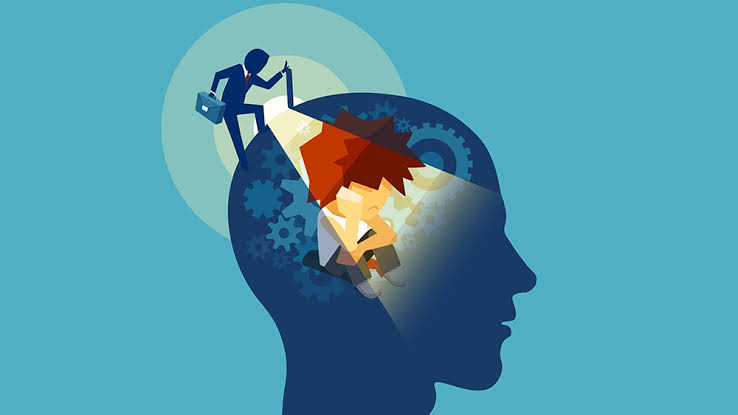
Discover what makes PsyQuench a trusted name in psychology education and counselling. The world of psychology in India is growing faster than ever and with it, so is the need for learning spaces that feel both professional and human. For students, early-career professionals, and anyone seeking mental wellness, choosing where to study or seek support isn’t just about certificates or sessions; it’s about trust, guidance, and authenticity.At PsyQuench, we’ve worked to become more than an online portal. We’ve built a space where people come to learn deeply, heal safely, and grow confidently. Here’s why so many call us the best psychology course platform in India and why thousands have chosen to start, or restart, their psychology journey here. Bridging Learning and Practice Many psychology students share a similar frustration: plenty of theory, but limited real-world application. At PsyQuench, our philosophy is simple: knowledge should meet practice. Our courses don’t stop at slides or recorded lectures. Instead, we offer: This approach helps learners move beyond memorisation, into real skills they can bring to internships, workplaces, or private practice. Designed for Every Step of the Journey Whether you’re just discovering psychology, finishing your master’s, or already working in the field, PsyQuench has built offerings for you. By bringing education and therapy onto one platform, we help users not just understand psychology, but experience its benefits first-hand. Expertise That Feels Human What truly sets PsyQuench apart isn’t only content, but the people behind it. Our trainers and therapists are: For students, this means mentorship that feels supportive, not intimidating. For therapy clients, it means sessions grounded in empathy and expertise. Flexible, Yet Personal India’s learners and clients come from diverse cities, towns, and schedules. That’s why PsyQuench offers: Despite being digital, the heart of PsyQuench remains personal connection; real conversations, real feedback, and real community. Community That Grows With You Learning psychology shouldn’t be a solo journey. At PsyQuench, students and clients often describe finding more than a course or session, they find peers who share questions, doubts, and victories. Through discussion groups, reflective assignments, and alumni networks, our community keeps growing, turning isolated learners into connected professionals. Quality You Can Trust As a platform built specifically for psychology, PsyQuench prioritises: This commitment to quality is why so many call us the best psychology course platform India, and why our alumni recommend us forward. Also Read: Upskilling in 2025: Beyond Traditional Academics Impact Beyond the Screen PsyQuench isn’t only about individual growth; it’s about shaping the field itself. Many of our students and interns go on to: By making psychology accessible, practical, and culturally relevant, we hope to help mental wellness ripple outward into families, teams, and society. Summary PsyQuench has become India’s trusted psychology platform by staying true to three promises: learn deeply, with courses that combine theory and practice; heal safely, through professional, confidential counselling; and grow confidently, supported by mentors and a learning community.It’s more than a platform; it’s a space where curiosity meets compassion, and passion becomes purpose. Conclusion In a crowded world of online courses and quick solutions, PsyQuench stands out by putting people first, students, clients, and the communities they’ll serve. If you’re seeking knowledge that goes beyond exams, therapy that feels truly human, and growth that lasts beyond the classroom, PsyQuench is here to walk the journey with you. Ready to start? Explore our platform today – Learn. Heal. Grow. FAQs Q1: Are PsyQuench courses recognised?Yes. Certificates are issued by PsyQuench and valued by NGOs, schools, wellness centres, and internships across India. Q2: Do I need a psychology degree to join?Not always. Many short-term courses are beginner-friendly; some advanced modules may require prior study. Q3: Is therapy available only to students?No. Anyone, student, professional, or parent can book counselling sessions. Q4: Are classes live or recorded?Both. Live sessions ensure interaction; recordings help revision. Q5: Can I combine multiple courses?Absolutely. Many learners build a customised pathway, e.g., counselling + child psychology. Q6: Is PsyQuench only online?Currently, yes making it accessible anywhere in India.
Mental Health Red Flags Every College Student Should Know
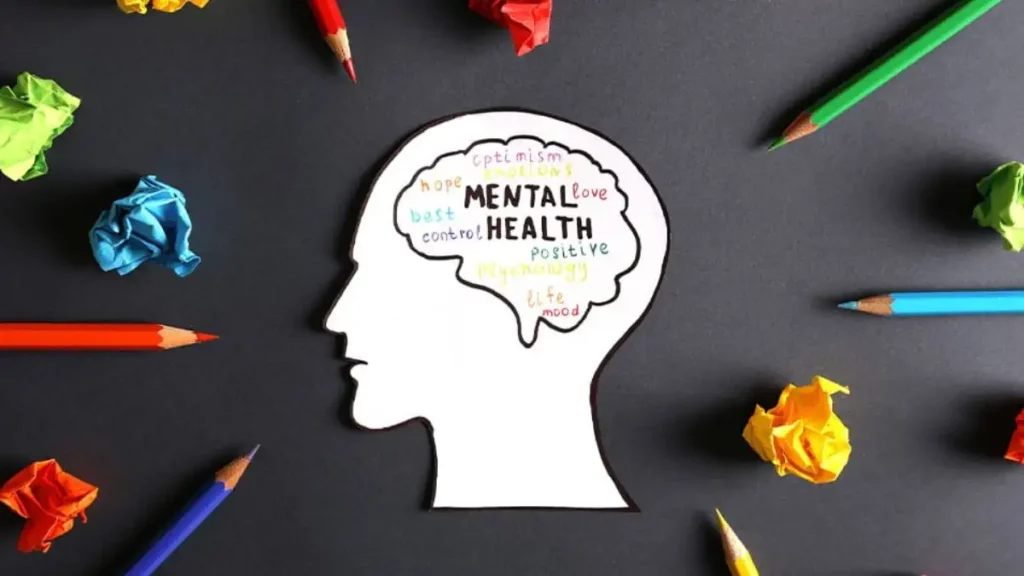
Stress, isolation, or fatigue? Spot mental health red flags early and take action. College life in India is often described as the “best years”, a time of freedom, discovery, and friendship. Yet behind this image, many students carry invisible burdens: academic pressure, homesickness, relationship struggles, and uncertainty about the future. At PsyQuench, we see daily how these challenges can slowly tip from normal stress into something deeper.Recognising the warning signs matters. By understanding the red flags of declining mental health, students can take action early, for themselves or for friends who might be silently struggling. Here’s what every student should know about student mental health India, and why awareness can truly save lives. Why Red Flags Are Hard to Notice College brings late nights, shifting schedules, and emotional ups and downs, all of which can blur the difference between “normal” stress and something more serious.Often, students don’t want to seem weak, dramatic, or “different,” so they brush off warning signs: “It’s just a phase,” or “Everyone feels this way.” But untreated, these signs can grow into anxiety disorders, depression, or even self-harm thoughts. At PsyQuench, we remind students: spotting a red flag doesn’t mean labelling yourself with a diagnosis. It simply means it’s time to pause, reflect, and consider seeking help like college stress therapy or talking to someone you trust. Persistent Exhaustion Beyond All-Nighters Yes, college life can be tiring. But if you notice constant fatigue, even after proper rest or you wake up already feeling drained, it could be more than workload.Chronic emotional fatigue often signals burnout, anxiety, or depression. It shows your mind is struggling to recharge, not just your body. Loss of Interest in Things You Once Enjoyed Skipping clubs or social events because of a test is normal. But if you consistently lose motivation for activities, hobbies, or even friendships that once mattered to you, it’s time to check in.This shift isn’t laziness; it can be an early symptom of depression or emotional overload. Isolation and Withdrawal Some students naturally prefer quiet or smaller circles. But if someone starts avoiding friends, meals, classes, or messages for weeks, this isolation can deepen distress.In Indian college culture, where shared meals and hostel chats are routine, sudden withdrawal is a red flag that deserves gentle attention. Frequent Mood Swings or Irritability College stress often brings mood changes especially around exams. But when mood swings become unpredictable, intense, or frequent, especially anger, sadness, or hopelessness without clear reason, it can reflect underlying emotional strain.At PsyQuench, students often tell us, “I don’t know why I’m so angry or sad all the time.” Therapy helps uncover these roots. Difficulty Concentrating or Falling Behind Academically If you catch yourself reading the same paragraph again and again, forgetting simple details, or missing deadlines despite effort, it may not just be poor time management.Stress and anxiety can cloud concentration; depression can sap motivation. Recognising this link helps students seek help rather than blame themselves. Physical Symptoms Without Medical Cause Persistent headaches, stomach aches, or body pain that doctors can’t fully explain often have psychological components. The mind and body are deeply connected; emotional stress can manifest physically, sometimes before students realise they’re struggling mentally. Why Early Action Matters Many students hesitate to speak up, fearing judgment, stigma, or believing “it’s not serious enough.” But seeking help early through college stress therapy often means: Therapy isn’t only for crises; it’s a proactive step toward mental wellness. How to Support a Friend You’re Worried About Sometimes, it’s easier to notice red flags in someone else. If you see these signs: Most importantly, listen without trying to “fix” everything. Presence matters more than perfect words. Normalising Help-Seeking in College At PsyQuench, we believe student mental health India needs open conversations in hostels, classrooms, and even WhatsApp groups.Counselling shouldn’t feel like failure; it’s as normal as seeking coaching for academics or fitness. Today, many Indian colleges partner with professionals to bring therapy on campus, but the first step still starts with awareness. Also Read: Mental Health Concerns in College Students Summary Mental health red flags like constant exhaustion, isolation, loss of interest, mood swings, and concentration issues aren’t weaknesses. They’re signs that your mind needs care, just like your body does.By noticing them early and reaching out to friends, family, or professional help, students can prevent deeper crises and rediscover balance. Conclusion College life should be challenging, but not overwhelming. Knowing mental health red flags empowers students to pause, reflect, and choose support instead of silence. At PsyQuench, we’re here to listen, guide, and walk with you, because your college years should be about growth, not just survival. Know someone struggling? Share this blog with them, and if you’re ready, book a mental health consultation today. No judgment, just support. FAQs Q1: Is it normal to feel stressed in college?Yes, but if stress becomes constant exhaustion or sadness, it’s time to check in. Q2: Will therapy label me with a diagnosis?Not necessarily. Therapy focuses on understanding feelings and building coping skills. Q3: Can I attend therapy sessions online?Absolutely. PsyQuench offers secure online sessions across India. Q4: How long does college stress therapy take?It varies. Some students benefit from a few sessions; others choose longer support. Q5: Will my college know if I’m in therapy?No. Sessions are confidential unless there’s a safety risk. Q6: Can therapy help with homesickness or academic pressure?Yes, therapy supports emotional wellbeing across many student challenges.
Why the Psychology Development Program (PDP) is a Must for Aspiring Therapists

Learn over 300 tools and techniques in the PDP course to avoid getting stuck with clients. Starting your journey to become a therapist is often equal parts exciting and intimidating. Many new psychology students and early professionals share a quiet fear: “What if my client shares something I don’t know how to handle?” It’s not a lack of passion, it’s the fear of sitting across from someone in pain and not knowing what to do next.At PsyQuench, we created the Psychology Development Program (PDP) to answer that fear to fill the space between what textbooks teach and what therapy truly demands. This isn’t just another online class; it’s an immersive psychology training India experience built to turn theory into action, curiosity into competence, and empathy into effective practice. The Real-World Gap Most Degrees Don’t Fill Academic psychology courses teach you why people behave the way they do, introduce theoretical frameworks, and give you research skills. These are vital. But when you’re in a real session, with a client whose voice trembles or whose silence stretches on, theory alone rarely feels enough. Many new therapists describe moments where: The PDP was designed to transform those moments. It helps you build a toolbox so full and versatile that you never feel entirely helpless again. More Than 300 Tools And Why That Matters You might ask: “Do I really need that many techniques?”Here’s why the answer is often yes: clients are as unique as their stories. One technique that works beautifully with one person may do little for another. Having over 300 practical tools means: These tools include methods from CBT, narrative therapy, solution-focused approaches, mindfulness, body-based interventions, and culturally adapted practices for the Indian context. They’re not memorised; they’re demonstrated, practised, and internalised until they become part of how you work. Therapist Skill-Building: Beyond Techniques But the PDP isn’t only about “what to do.” It’s also about “how to be.” Through reflective exercises and supervision, therapists learn to: True therapist skill-building is as much about emotional resilience and self-awareness as it is about technique. Also Read: How to Choose the Right Psychology Course – Expert Guide A Learning Space Rooted in Indian Reality Too often, psychology training in India imports Western case studies that don’t reflect Indian family structures, cultural values, or societal challenges.PDP bridges this gap by including: Therapists graduate better prepared not just to “apply” techniques, but to translate them sensitively. Practice, Not Just Theory Live sessions, role plays, and supervised practice are central to PDP. Students step into the therapist role early, experimenting, making mistakes safely, and learning from real-time feedback.Instead of memorising models, you experience what it feels like to: It’s this practice that turns nervous students into confident professionals. Who Finds PDP Transformative? Even experienced therapists find PDP refreshing because it sparks new creativity and broadens their toolkit. Confidence That Clients Can Feel Clients can sense when a therapist is grounded, curious, and not easily shaken by complexity. Alumni often share: “After PDP, I stopped fearing silence in sessions.”“My clients noticed the difference before I did, they felt heard and supported in a deeper way.”“Instead of feeling like I had to know everything, I learned to explore together with the client.” This isn’t about becoming a perfect therapist; it’s about becoming a present, responsive, and growing one. A Bridge to Lifelong Learning The PDP isn’t an end; it’s a beginning. It gives you a foundation to confidently explore further specialisations, like trauma therapy, child psychology, or couples counselling. Once you’ve built practical skill and self-awareness, any advanced course becomes more meaningful because you know how to apply what you learn. Why PsyQuench? PDP is built and taught by licensed therapists who: This blend of professional expertise and human warmth is why so many call PDP the most practical psychology training India offers today. Summary The Psychology Development Program (PDP) transforms aspiring therapists from “knowing the theory” to truly doing therapy. With over 300 tools, live practice, cultural grounding, and deep self-reflection, PDP prepares you not just for sessions that go smoothly but for the ones that feel messy, emotional, and deeply human. Conclusion Clients don’t need therapists who know everything; they need therapists willing to stay curious, steady, and creative when things get complex. The PDP helps you become that therapist: not by giving you all the answers, but by giving you the tools, confidence, and mindset to keep asking the right questions.At PsyQuench, we believe great therapy begins when knowledge meets courage and PDP is where that meeting starts. Ready to step into real-world therapy with confidence? Join our PDP program and transform the way you do therapy. FAQs Q1: Do I need prior clinical experience to join PDP?No, it’s open to final-year students, recent graduates, and early-career professionals. Q2: Is PDP online or offline?It’s delivered live online, with interactive classes and supervised practice. Q3: How is it different from a regular psychology degree?Degrees teach foundational theory; PDP focuses on real-life therapist skill-building. Q4: Will I receive certification?Yes, PsyQuench provides a certificate recognising your practical training. Q5: Can PDP help if I feel stuck in current therapy practice?Absolutely. Many practicing counselors join to expand their toolkit and refresh their approach. Q6: Are the tools applicable to Indian clients?Yes, all modules are designed with Indian cultural contexts in mind.


