
Job Rejection and Mental Health: A Real Therapy Journey

Job Rejection and Mental Health: A Real Therapy Journey Losing a job offer hurts. Read how therapy helped one individual bounce back stronger. Introduction: Why Job Rejection Hurts So Deeply It begins with excitement, picturing your first day, imagining the new role, and feeling hopeful about the future. Then comes that unexpected email: “We regret to inform you…” A simple line, yet it cuts deep. Job rejection isn’t just professional disappointment; it’s a personal pain that can shake your confidence and trigger anxiety. At PsyQuench, we’ve seen how deeply such setbacks affect mental health and how job stress counselling and anxiety therapy India can help transform hurt into healing. Here’s the story of how therapy supported one individual to bounce back. The Story: From Hope to Hurt and Healing Aarav (name changed), a 27-year-old marketing professional, had invested months preparing for what felt like the perfect opportunity. When he received the rejection email, it felt like his entire self-worth had been questioned. Thoughts like “I’m not good enough” quickly took over. What followed was anxiety that crept into daily life: trouble sleeping, a racing heart before checking emails, and an avoidance of new job applications out of fear of being rejected again. It was in this moment of feeling overwhelmed and stuck that Aarav decided to seek therapy at PsyQuench, a decision that became the start of real change. Inside Therapy: Tools and Breakthroughs Therapy wasn’t about pretending rejection didn’t hurt; it was about learning to manage it, reflect on it, and move forward stronger. Aarav’s therapist worked with him using: Normalizing rejection: Understanding that rejection is common and doesn’t reflect his entire worth.Cognitive restructuring: Challenging automatic negative thoughts and reframing them into balanced perspectives.Mindfulness and grounding techniques: Practical tools to manage anxiety symptoms and regain calm.Action-focused planning: Building an achievable job search plan, preparing with mock interviews, and regaining momentum. Slowly but surely, Aarav moved from self-doubt to self-awareness and from fear to action. Why Job Stress Counselling Is So Important Many assume therapy is only for severe mental illness or trauma. But professional rejection can deeply hurt mental wellbeing, leading to anxiety, low mood, and loss of motivation. Through job stress counselling, people process feelings of failure, rebuild confidence, and learn tools to handle future challenges without fear. It keeps rejection from becoming a barrier to growth. Also Read: How Therapy Helps Personal Growth & Goal Achievement Anxiety Therapy in India: Breaking the Stigma Even today, many in India hesitate to seek therapy for something like job rejection, thinking it’s “not serious enough.” But mental health isn’t just about crisis, it’s also about prevention and resilience. At PsyQuench, we offer anxiety therapy India that combines evidence-based approaches and empathetic guidance, helping clients navigate both professional and emotional stressors. Summary Rejection, while painful, doesn’t have to define your future. Aarav’s story shows how therapy can transform hurt into hope, anxiety into awareness, and setbacks into stepping stones. Job stress counselling and anxiety therapy India provide tools, perspective, and the emotional support needed to keep moving forward. Conclusion Job rejection hurts deeply, but it doesn’t have to leave a lasting scar. With therapy, it becomes possible to process disappointment, protect your mental health, and build resilience for the future. Facing rejection? Let our counsellors help you heal and grow. If you’re feeling overwhelmed after job rejection, know that you don’t have to face it alone. At PsyQuench, our experienced therapists are here to guide you through healing and growth.Start your therapy journey today → Online Counseling Services by PsyQuench FAQs Q1: Is it normal to feel depressed after a job rejection?Yes, it’s very common to experience sadness, hopelessness, or anxiety after rejection. Therapy helps you process these feelings and prevents them from becoming overwhelming. Q2: How long does job stress counselling usually take?It depends on each individual. Some clients feel relief in a few sessions, while others choose ongoing support if anxiety impacts daily life. Q3: Can anxiety therapy really help with future interviews?Absolutely! Therapy helps reduce anticipatory anxiety, teaches practical calming strategies, and boosts confidence for upcoming opportunities. Q4: Should I wait until my anxiety worsens before starting therapy?No, seeking help early can make recovery faster and prevent deeper distress.
Entrance Exam Guide: DU, TISS, Christ for MA Psychology 2025

Entrance Exam Guide: DU, TISS, Christ for MA Psychology 2025 Prepare for India’s top MA Psychology entrance exams with expert insights and tips. Introduction: Your First Step Toward a Career in Psychology For thousands of psychology students across India, getting into a top master’s program isn’t just about a degree, it’s about opening doors to careers in clinical practice, research, counselling, and academia. As MA psychology seats remain limited and competition grows each year, early, structured preparation becomes critical. Whether you’re aiming for Delhi University (DU), Tata Institute of Social Sciences (TISS), or Christ University, each entrance exam comes with its unique style, pattern, and expectations. At PsyQuench, we guide students not just to “study harder,” but to study strategically with deep understanding of what top institutes look for, and how to prepare mindfully. Here’s a comprehensive look at what to expect and how to prepare for the psychology entrance exam 2025 in India. Understanding the Big Three: DU, TISS & Christ Delhi University (DU) MA Psychology Entrance One of the most competitive and prestigious options for psychology students in India, DU’s entrance exam typically tests: Beyond factual knowledge, DU emphasizes conceptual clarity and analytical skills. A common challenge students face is relying solely on undergraduate notes without practicing enough application-based MCQs. Also Read: Tips & Tricks While Preparing Your Entrance Exam – Blog Tata Institute of Social Sciences (TISS) Entrance TISS offers specialized master’s programs in Applied Psychology, like clinical and counselling practice. The entrance process usually includes: TISS values students who can think critically about psychological theories and apply them to real-world social contexts. Reading about current events, mental health policies, and ethical dilemmas is as important as revising textbook chapters. Christ University Entrance Christ’s selection process generally consists of: Here, communication skills, clarity of thought, and confidence matter as much as subject knowledge. Many students underestimate the micro presentation, but it’s often where candidates truly stand out. Why Preparing Early Makes a Difference Each exam has overlapping topics, but different patterns and expectations. Students aiming for the psychology entrance exam 2025 should ideally start preparation by mid-2024 or earlier. Early preparation helps to: Beyond Books: The Role of Strategic Coaching While self-study forms the foundation, coaching programs like those offered at PsyQuench add significant value: Guided study plans tailored to DU, TISS, and ChristPractice tests reflecting real exam patternsMock interviews and micro presentations to build confidencePersonal mentorship to tackle anxiety and stay motivated Our goal isn’t just to help students “cover the syllabus,” but to help them think critically, answer smartly, and handle exam-day pressure. MA Psychology in India: Choosing What Fits You Best Beyond the name of the university, it’s essential to choose a program aligning with your long-term goals. Consider: Remember: the best choice isn’t always the “most popular” college, it’s the one where your interests and the program truly match. Summary The journey to MA Psychology India’s top institutes — DU, TISS, and Christ — is competitive, but far from impossible. With early, strategic preparation, self-awareness, and the right guidance, students can transform nervousness into clarity and uncertainty into success. Conclusion Entrance exams are more than memory tests; they’re about demonstrating understanding, curiosity, and readiness to enter the field of psychology professionally. Investing time to prepare deeply and mindfully today sets the foundation for your future career. Enroll in our MA entrance prep program and increase your chances of success. At PsyQuench, we help aspiring psychologists prepare confidently for DU, TISS, Christ, and more with expert mentorship, structured content, and mental readiness training.Start your preparation journey with us – Join Psyquench for Top Psychology Certificate Courses Today FAQs Q1: When should I start preparing for the psychology entrance exam 2025?Ideally, by mid-2024, this gives enough time to build conceptual clarity and practice application-based questions. Q2: Are entrance exams only about academic knowledge?No. Exams like TISS and Christ also assess communication, social awareness, and critical thinking through interviews and presentations. Q3: Do I need coaching to crack DU, TISS, or Christ?Many succeed through self-study, but coaching offers structure, mentorship, and realistic mock tests that can significantly improve performance. Q4: What resources should I use to prepare?Standard undergraduate textbooks, previous years’ question papers, mock tests, and staying updated on current psychological debates and research.
What Happens in Your First Counselling Session at PsyQuench

What Happens in Your First Counselling Session at PsyQuench Nervous about therapy? Here’s a breakdown of what to expect in your first session. Starting therapy for the first time can feel overwhelming. Many people worry: “What will I say? Will I be judged? What if I cry?” At PsyQuench, we understand that stepping into a therapy room or logging into your first online session takes courage. That’s why we make sure your very first therapy session in India feels safe, welcoming, and pressure-free.In this blog, we’ll walk you through exactly what happens in that first session, so you can arrive feeling informed, supported, and ready to begin your counselling experience. Why the First Session Matters The first counselling session isn’t about fixing everything immediately. Instead, it sets the tone for your therapeutic journey. Think of it as a gentle orientation: meeting your therapist, sharing your story at your pace, and asking any questions you have.At PsyQuench, we see the first session as the beginning of a partnership, where you and your therapist decide together what feels important, what your goals might look like, and what support you truly need. A Warm Welcome, Not an Interrogation When you arrive (online or in person), the therapist’s first aim is to help you feel comfortable. You might be offered water, given a few moments to settle in, or asked how you’re feeling today.Your therapist may briefly introduce themselves, sharing their approach, confidentiality policy, and what therapy can (and can’t) offer. This isn’t about rushing into painful topics, but about building a space where trust can grow. Clients often say they were surprised at how relaxed the start felt, more like a conversation than a clinical exam. Exploring What Brought You Here Your therapist will gently ask what led you to book the session. You might share: If words feel hard, that’s completely normal. Therapists are trained to help you express thoughts and emotions, sometimes even through pauses, metaphors, or simply sitting quietly until you’re ready. Understanding Your Story Beyond current struggles, your therapist may explore: The goal isn’t to analyse or label you, but to see your challenges in context: where they come from, how they feel now, and how they affect daily life. Setting Goals Together Toward the end of the first therapy session in India, your therapist may ask what you hope to achieve. Goals might be clear (“manage panic attacks”) or broad (“feel less stuck”).Together, you’ll discuss what feels realistic: frequency of sessions, therapy style (CBT, person-centred, etc.), and how progress might look. These plans aren’t set in stone, therapy is flexible. But having a shared starting point can make the process feel more purposeful. Your Questions Are Welcome The first session is also your chance to ask: No question is too small. At PsyQuench, we encourage openness; because therapy isn’t something done to you; it’s something done with you. Also Read: Therapist vs Best Friend: Who Gives Better Advice? Emotions May Happen And That’s Okay It’s common to feel nervous, tearful, or even relieved during the first session. Some clients worry they’ll “overshare,” while others fear they won’t know what to say.Therapists expect this. Whatever shows up, laughter, tears, silence, all is welcome. Therapy is a space without judgment, where every emotion has room. Ending the First Session The therapist usually summarises what you’ve shared, reflects on themes they heard, and talks about possible next steps. You’ll also discuss practical details: timing, payment, and whether you’d like to continue.Most clients leave the first session feeling lighter, not because problems are solved, but because starting to talk feels like the first real step forward. Why the First Step Feels Hardest Booking that first appointment often feels harder than attending it. Many clients tell us later: “I almost cancelled because I was so anxious — but I’m glad I didn’t.” Knowing what to expect helps, but what helps most is remembering: therapy is for you, at your pace, and shaped by your voice. Summary The first counselling experience at PsyQuench isn’t about judgment, quick fixes, or medical checklists. It’s a conversation: meeting your therapist, exploring what’s brought you here, and deciding together what healing could look like.Whether you’re coming for anxiety, relationship stress, or just feeling lost, that first session is the start of understanding yourself with compassion. Conclusion Starting therapy can feel intimidating — but you don’t have to do it perfectly. Your first session at PsyQuench is a chance to be heard without pressure, ask questions without fear, and take a step toward mental clarity and emotional balance.In the end, it’s not about being ready; it’s about being willing to begin. Ready to experience therapy for yourself? Book your first session today – no judgment, just support from professionals who care. FAQs Q1: Do I need to prepare before my first session?No special prep is needed. Just bring yourself, and if you’d like, note a few things you want to discuss. Q2: Will I have to share everything in the first session?No. You decide what to share and when. Therapy respects your pace. Q3: Are online sessions different?The structure is the same: introduction, exploration, and planning, just via a secure video platform. Q4: Can I bring someone with me?Usually, individual sessions are one-on-one. If you feel very anxious, discuss it with your therapist first. Q5: How long is the first therapy session?Typically about 45–60 minutes. Q6: What if I don’t feel comfortable with my therapist?That’s okay. You can request a different therapist, your comfort is what matters most.
RCI vs Non-RCI Psychology Courses: Which is Right for You?
RCI vs Non-RCI Psychology Courses: Which is Right for You? Confused about RCI approval? Learn the differences and choose the right course for your goals. Psychology as a career in India offers diverse and fulfilling paths, from clinical practice to teaching, research, and organizational roles. But for many students, one question often brings confusion and anxiety: “Should I choose an RCI-approved course or a non-RCI course?”At PsyQuench, we hear this daily from students unsure about what RCI means, why it matters, and how it affects their future as a licensed clinical psychologist India. This blog explains, in detail, the difference between RCI and non-RCI psychology courses, who they suit best, and how to decide what fits your career goals. What Is RCI and Why Does It Matter? The Rehabilitation Council of India (RCI) is a statutory body under the Ministry of Social Justice and Empowerment. Its role is to regulate training programs and professionals in fields like clinical psychology, rehabilitation, and special education to protect public interest and ensure ethical, standardized practice. In simple terms: RCI registration adds legal credibility, eligibility for specific jobs, and the right to use protected professional titles. RCI-Approved Courses: The Path to Licensed Clinical Practice If your goal is to work directly in clinical mental health settings, diagnosing, assessing, and providing therapy for psychiatric disorders, you need an RCI-approved qualification. The main pathways include: Graduates from these programs can register with RCI and officially practice as Clinical Psychologists — a legally protected title in India. This recognition is crucial if you plan to: Non-RCI Courses: For Counseling, Research, Teaching, and More India also offers many respected non-RCI psychology courses, like: These programs build deep theoretical understanding and practical skills, but they don’t grant eligibility to register as an RCI-certified clinical psychologist. With a non-RCI degree, you can: These roles are meaningful and growing in demand, especially as mental health awareness increases across India. Why the Confusion? Many students assume “clinical psychology” simply means doing therapy. In practice, therapy can be offered by both clinical psychologists (RCI-registered) and counselors (non-RCI, but with training). The key difference is: Understanding your career vision helps decide whether an RCI psychology course is essential or optional. Choosing the Right Course: Ask Yourself Before deciding, reflect on: At PsyQuench, we help students map these answers into real career plans. RCI Registration and the Title ‘Clinical Psychologist’ One of the biggest reasons students choose an RCI psychology course is the right to use the title Clinical Psychologist, which is legally protected. Only those registered with RCI after completing approved programs can: Without RCI registration, you can do counseling, but not practice as a Clinical Psychologist under law. Career Scope Beyond RCI It’s important to know:Not every fulfilling mental health career in India requires RCI registration. For instance: All these roles often come from non-RCI pathways, and are equally needed in India’s evolving mental health landscape. Why Guidance Helps Regulations and career paths can feel confusing, especially with misinformation online. Talking to a mentor, faculty, or professional counselor can clarify: At PsyQuench, we guide students daily through these choices, helping them move from confusion to clarity. Also Read: 80+ Psychology Jobs: What You Can Do With a Psychology Degree Summary Choosing between an RCI psychology course and a non-RCI course depends on your vision: Understanding the difference is the first step to building a career that fits your strengths and goals. Conclusion In psychology, there isn’t a single “best” path, only the path that matches who you are and how you want to help others. Whether you choose an RCI-approved program for clinical work or a non-RCI course for counseling and research, what matters most is dedication, empathy, and ongoing learning. At PsyQuench, we’re here to help you choose not just what looks right, but what feels right for your unique career journey. Still unsure about the right path? Talk to our experts at PsyQuench and get clarity on your psychology career path, before you invest your time and passion. FAQs Q1: Is RCI registration automatic after an MA in Clinical Psychology?No. You need to complete an RCI-approved M.Phil, PsyD, or PDCP to register. Q2: Can non-RCI graduates still offer therapy?Yes, as counselors or therapists, often focusing on less severe issues, relationship problems, stress, or life transitions. Q3: Is RCI registration lifelong?No. It requires renewal and proof of continued professional development. Q4: Can I teach with a non-RCI degree?Absolutely. Many teaching and research roles in universities don’t require RCI registration. Q5: Is the title ‘Counselor’ protected? No, unlike ‘Clinical Psychologist’, which is protected and regulated by RCI. Q6: Can I start with a non-RCI master’s and later do an RCI-approved M.Phil?Yes, if you meet the eligibility criteria of the specific M.Phil program.
How Our Projective Tests Course Equips You for Clinical Practice

Master Rorschach and TAT testing with PsyQuench’s hands-on Projective Test course. Learn tools used by professionals. Projective tests are among the most fascinating tools in psychology—they go beyond surface answers to explore deeper emotions, hidden conflicts, and personality dynamics. For students and early-career professionals in India, learning these tools isn’t just about passing exams: it’s about gaining practical clinical skills. That’s why our projective testing course at PsyQuench offers hands-on training in two of the most respected tools: the Rorschach Inkblot Test and the Thematic Apperception Test (TAT).This blog explores why these tools matter, how our course bridges theory with real practice, and why it could be the next step in your psychology journey. What Makes Projective Tests Unique? Unlike structured assessments that rely on fixed choices, projective tests use ambiguous stimuli, such as inkblots or story cards, to let respondents “project” their inner thoughts and feelings. This open-ended approach helps uncover: In clinical practice, these insights are invaluable. They guide diagnosis, treatment planning, and deepen therapeutic understanding beyond symptoms. Understanding the Rorschach and TAT Let’s look at the core tools in our Rorschach TAT training India: Rorschach Inkblot Test Thematic Apperception Test (TAT) Both tests are used by clinical psychologists worldwide to deepen case understanding and enrich therapeutic conversations. Why Practical Training Is Essential While reading about projective tests is useful, it’s hands-on training that truly builds competence. Our projective testing course focuses on: This approach ensures you’re not just familiar with the tools, you’re ready to use them responsibly and effectively in clinical settings. Course Highlights and What You’ll Learn Here’s what sets this Rorschach TAT training India apart: By the end, you’ll have the confidence to apply projective testing in clinical interviews, psychological evaluations, and therapeutic planning. Who Should Enroll? This course is designed for: If you’re looking to bridge the gap between theory and practice, this course is for you—even if you’re starting from scratch. Why Projective Tests Still Matter Some students ask, “Are projective tests outdated?”The answer: Not at all. While new tools like computer-based assessments are emerging, projective methods remain valued in: They offer a rich, qualitative perspective that complements quantitative tools—making your practice holistic and client-centered. Also Read: Upskilling in 2025: Beyond Traditional Academics Summary Projective tests like the Rorschach and TAT continue to be essential tools for clinical psychologists worldwide. Our projective testing course at PsyQuench blends theory with supervised practice, helping students and young professionals in India master administration, scoring, and interpretation. By learning these tools, you gain practical skills that go beyond textbooks and prepare you for real clinical work. Conclusion In today’s evolving mental health field, technical skills alone aren’t enough; depth, nuance, and cultural competence matter. Through our Rorschach TAT training India, you’ll learn to see beyond surface symptoms and understand your clients’ deeper stories. Whether your goal is clinical practice, academic research, or advanced studies, mastering projective tests makes your profile stronger and your practice richer. Join the course now and gain tools used by leading clinical psychologists. Join the course now and gain tools used by leading clinical psychologists. Master the art of Rorschach and TAT interpretation and bring depth to your practice. FAQs Q1: Do I need previous clinical experience to join?No—you just need an academic background in psychology and an interest in clinical work. Q2: Is the course recognized?Yes. You’ll receive a certificate of completion from PsyQuench, adding credibility to your CV. Q3: Will I learn to administer both Rorschach and TAT?Absolutely. The course covers step-by-step administration, scoring, and interpretation for both tests. Q4: Are the classes online or offline?Currently, the course is offered online with live, interactive sessions, making it accessible across India. Q5: Can this help with internships or job applications?Definitely. Knowledge of projective testing shows employers and supervisors that you’re prepared for advanced assessment tasks. Q6: What’s the duration of the projective testing course?Typically, the course spans 4 weeks, balancing theory and practical sessions. Lorem ipsum dolor sit amet, consectetur adipiscing elit. Ut elit tellus, luctus nec ullamcorper mattis, pulvinar dapibus leo.
7 Signs You Might Need Therapy as a Student or Young Adult

Feeling overwhelmed? Learn the emotional and mental signs that indicate therapy can help students and professionals. Many students and young adults in India push themselves to excel, academically, professionally, and socially. But somewhere along the way, the weight of expectations, comparisons, and silent struggles can become too much. Therapy for students India is not just for crises; it’s a proactive step to build resilience, emotional balance, and mental clarity. Here’s a detailed look at when seeking mental health help might actually be the healthiest choice you can make. Feeling Persistently Overwhelmed or Exhausted Everyone feels stressed during exams or deadlines. But if the stress never seems to fade, even after rest or breaks, it could be more than just temporary fatigue. You might: A therapist can help unpack the reasons behind this chronic overwhelm and guide you toward healthier coping strategies. Loss of Interest in Things You Used to Enjoy One of the clearest signs you might need therapy as a student or young adult is losing passion for hobbies, socializing, or even studies you once loved. This can look like: This loss of interest could signal emotional burnout or even early symptoms of depression. Talking to a professional can help you reconnect with your life. Difficulty Concentrating or Making Decisions When your mind feels constantly foggy, everyday decisions, big or small, can feel overwhelming. You might notice: Therapy can help identify whether this is linked to anxiety, ADHD, or stress, and teach practical strategies to manage it. Feeling Isolated Even When Surrounded by People You might be active on social media or attend classes regularly, yet feel deeply alone inside. Signs include: Professional therapy for students India can create a safe space where you feel heard without judgment. Unexplained Mood Swings or Emotional Outbursts If you find yourself: These can be signs of deeper emotional struggles. Therapy helps identify triggers and teaches emotional regulation techniques. Constant Negative Self-Talk or Feeling “Not Good Enough” Do you catch yourself thinking: Persistent negative self-talk erodes confidence and can deepen anxiety or depression. Therapy provides tools to challenge and reframe these thoughts. Avoiding Responsibilities or Turning to Unhealthy Coping Skipping classes, procrastinating important work, or relying on alcohol, binge-watching, or overeating to escape stress could be signs you’re silently struggling. Rather than guilt, see this as a sign you may need help. Also Read: 6 Signs You May Benefit from Trauma Counseling – psychology Summary Feeling overwhelmed, losing interest in life, struggling to focus, or isolating yourself are not things to brush aside. They are signs your mind and heart might need extra care. Therapy for students in India isn’t only about solving problems; it’s about learning to thrive despite them. Recognizing these signs early can protect your mental well-being and improve every part of your life, academics, friendships, and self-esteem. Conclusion In today’s competitive world, mental health challenges among students and young adults are more common than most realize. If you see yourself in any of these signs, persistent stress, loss of joy, isolation, mood swings, negative self-talk, or unhealthy coping, it may be time to reach out. Seeking mental health help isn’t weakness; it’s wisdom. Therapy can offer a safe, confidential space to understand your emotions and build healthier habits, so you can live, learn, and grow fully. Ready to put your mental well-being first? Book a confidential session with our licensed psychologists today and take the first step toward a calmer, healthier, and more confident you. FAQs Q1: Is it normal for students in India to need therapy?Yes! College and school life today comes with intense academic pressure, social media comparisons, and future career stress. Seeking therapy for students in India is becoming more common and is a healthy, proactive step, not a sign of weakness. Q2: What kind of mental health help can therapy offer students?Therapy can help students better manage anxiety, stress, procrastination, and negative self-talk. It also teaches coping strategies, improves emotional regulation, and boosts confidence and communication skills, beneficial for both personal and academic life. Q3: How do I know if my problems are “big enough” for therapy? If you’re consistently feeling overwhelmed, sad, isolated, or notice mood swings and negative thoughts affecting your daily life, it’s enough reason to talk to a professional. You don’t have to wait for a crisis to seek mental health help. Q4: Are student therapy sessions in India confidential?Yes. By law and professional ethics, therapists must keep your information private (except in rare emergencies where safety is at risk). Confidentiality helps you open up honestly without fear. Q5: Can online therapy help students as much as in-person sessions?Absolutely. Online therapy for students India has become popular, making mental health help more accessible, even for those in smaller towns or with busy schedules. What matters most is the quality of the therapist and your comfort with the process. Q6: How do I start therapy as a student?Begin by talking to your college counselor or student wellness center, or search for licensed psychologists who specialize in student and young adult mental health. Many platforms and clinics now offer affordable packages tailored for students.
Top Psychology Courses in India for 2025: A Complete Guide
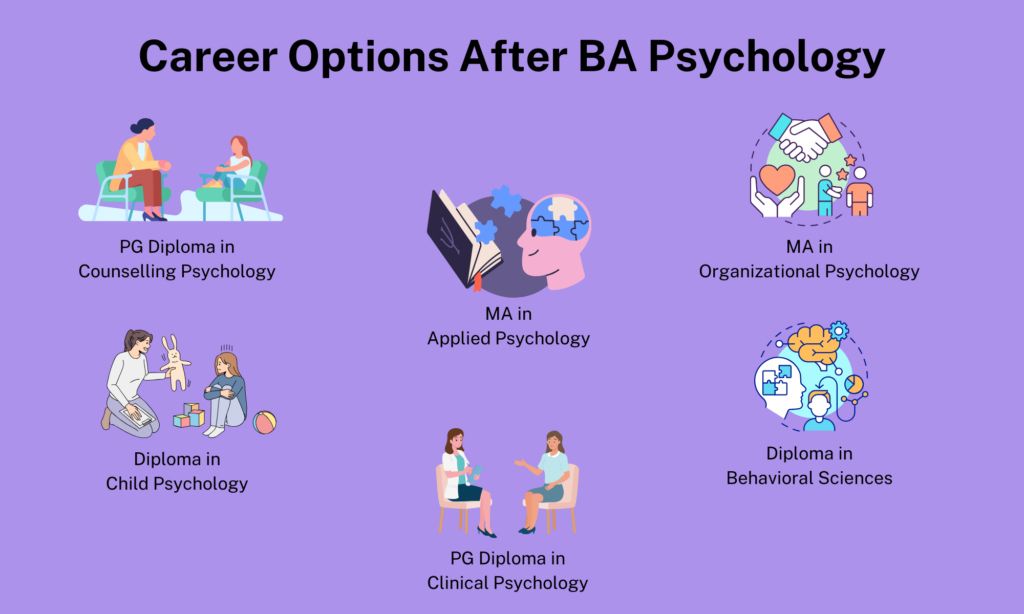
Discover the best psychology courses in India for 2025. Compare programs, certifications, and career scope. Start your psychology journey today! Psychology is more than a subject—it’s an exploration of the human mind, emotions, and behaviors. Over the past decade, psychology courses in India have become increasingly popular, thanks to the rising demand for mental health professionals, organizational psychologists, counselors, and researchers. Whether you’re a fresh high-school graduate, a working professional looking to reskill, or someone passionate about understanding human behavior, there’s a course tailored for you. Types of Psychology Courses Available: In India, psychology education covers different academic levels: Best Psychology Programs to Consider For 2025, India offers a variety of programs across renowned universities and institutes. Some of the top institutions include: These institutions are recognized by the University Grants Commission (UGC) and maintain strong placement records, experienced faculty, and excellent research facilities. Specializations & Certifications Apart from degree courses, short-term certifications can enhance your profile: These certifications often include practical training, workshops, and internships, offering real-world exposure that boosts employability. Career Scope and Opportunities The scope of psychology in India is growing rapidly: These diverse opportunities make psychology one of the most dynamic and rewarding fields to study. Choosing the Right Course Selecting the right psychology course India depends on your goals: Short-term Certificate Courses: Flexible, Practical & Career-Focused Short-term certificate courses in psychology have become increasingly popular among students, working professionals, and even career changers who wish to gain specialized knowledge without committing to a long-term degree. These courses, usually lasting anywhere from a few weeks to a year, are perfect for skill enhancement, niche specialization, or adding practical value to your resume. Also Read: Can Online Courses Make You a Better Therapist? Summary Psychology courses India are becoming increasingly popular in 2025, offering diverse pathways like certificate programs, undergraduate degrees, postgraduate specializations, and research-focused doctoral programs. Top institutions such as Delhi University, TISS, and Christ University provide quality education recognized by UGC, while flexible options like IGNOU make psychology accessible to working professionals. Students can specialize in fields like clinical, counseling, or organizational psychology, with growing career opportunities in healthcare, education, corporate, and research sectors. Choosing the right program involves considering accreditation, faculty expertise, practical training, and career scope. Overall, psychology promises a rewarding career built on curiosity, empathy, and the power to make a difference in people’s lives. Conclusion In summary, India offers a wealth of psychology courses for 2025, catering to different interests and career paths. From foundational BA/BSc degrees to specialized MA/MSc programs, and further to M.Phil and PhD opportunities, students can find courses suited to clinical practice, counseling, organizational roles, or research. Short-term certifications in niche areas add flexibility and depth to your profile. With growing demand for mental health professionals and expanding fields like sports and AI psychology, pursuing psychology in India today is both promising and future-proof. The key is to choose an accredited course, focus on practical exposure, and never stop exploring new developments in this ever-evolving field. Ready to start your psychology journey? Explore our certification courses now! FAQs Q1: Is psychology a good career in India? Yes! With growing mental health awareness, there’s demand across healthcare, education, corporate, and research sectors. Q2: What’s the difference between BA and BSc in Psychology? BA focuses more on humanities/social aspects, while BSc emphasizes scientific methods and biological foundations. Q3: Are online psychology courses recognized? Many universities offer UGC-approved online courses; always check accreditation. Q4: Can I become a clinical psychologist after an MA? You usually need an M.Phil in Clinical Psychology from an RCI-recognized institute. Q5: What are the fees for psychology courses in India? They vary: government colleges may charge ₹10,000–₹50,000/year; private universities can be higher. Q6: Do I need math for psychology? Basic statistics help, but you don’t need advanced math for most programs.
Internship Certificate vs Experience Letter: What Employers Look For

A guide for psychology students navigating early career proof and placements If you’re a psychology student or recent graduate in India, chances are you’ve worked hard to complete an internship—or maybe two. You’ve attended sessions, submitted assignments, and participated in supervision calls. Now, as the internship draws to a close, one question often looms: Will this help me get hired? For most, this translates to a debate between two documents: the internship certificate and the experience letter. Are they the same? Is one more valuable than the other? What do employers actually care about? In this blog, we break down the difference between an internship certificate and an experience letter, what hiring partners really look for, and how to make sure your credentials truly reflect your skills. Why This Matters: First Impressions in the Field of Psychology In psychology, unlike many other fields, there’s no universal licensure until you pursue M.Phil or professional counseling credentials. That means early-career opportunities are often based on: Whether you’re applying to work in a school, clinic, or wellness platform, your documentation speaks before you do. Read More: Internship Certificates, Meaning, Importance, Format, And Samples Internship Certificate vs Experience Letter: The Basics Let’s start by defining each term clearly: Internship Certificate This is a document issued at the end of your internship that confirms: It typically does not go into detail about the work you did, but serves as official proof that you were part of a structured program. Experience Letter An experience letter is usually more detailed and is issued by the supervisor or HR. It may include: Think of it as a mini recommendation letter—it vouches not just for your presence, but your impact. What Hiring Partners Actually Value To get real answers, we spoke to 3 professionals who regularly hire interns and early-career psychologists. Here’s what they had to say: “A certificate tells me the student showed up. An experience letter tells me what they actually learned.” — Niharika G., Mental Health Program Head, Delhi-based NGO “We ask for both. The certificate satisfies formal documentation needs. But the experience letter helps us judge role fit and readiness.” — Rehan A., HR Manager at a Wellness Startup “If a candidate includes session notes, mock work, or CBT forms from their internship along with these documents, it instantly sets them apart.” — Dr. Priya Menon, Clinical Supervisor and Hiring Consultant Why Both Documents Matter (But in Different Ways) Purpose Internship Certificate Experience Letter Proof of Participation Confirmed by institution/organization Typically signed by supervisor Skill Reflection Not included Includes tools, responsibilities, feedback Standard Format Usually one page, official template Can vary in tone and content Useful For Academic records, university submissions Job applications, SOPs, interview prep How PsyQuench Supports You With Both At PsyQuench, we don’t just give you a certificate—we equip you with a full career documentation pack, including: What to Include With Your Application (Beyond the Documents) Here’s what you can attach alongside your certificate and letter to impress potential employers or PG program heads: • A sample case formulation • CBT or counseling worksheets you’ve completed • Peer feedback or reflective learning logs • A short paragraph on what you learned and how you’d apply it • Contact of a supervisor willing to vouch for your work Real Student Stories “I got shortlisted for a school counselor role because I attached both my certificate and experience letter from PsyQuench. The hiring team said my letter showed initiative and clarity.” — Anjali R., M.A. Psychology “I didn’t have any other experience besides my internship. But the documentation and structured format made me stand out. I now freelance with an online platform.” — Sahil D., Psychology Graduate Frequently Asked Questions Q: Can I get an experience letter without a certificate? A: Technically yes, but most organizations issue both together. The certificate proves completion; the letter is a performance summary. Q: Will PsyQuench give an experience letter to all interns? A: Yes, provided you’ve completed the required modules, assignments, and attendance. We personalize your letter based on your effort and learning. Q: What if I’ve done multiple internships? A: Include the most relevant ones to the role you’re applying for, and highlight the skills gained, not just the number of internships. Final Thoughts: Your Documentation Is Your Digital Handshake In psychology, where much of your credibility is built through reputation, training, and supervised work, your internship certificate and experience letter carry real weight. They’re not just formalities. They’re a snapshot of your learning journey, your dedication to the field, and your readiness to take on real client work. Apply Before the Deadline Applications for the next Psychology Internship batch at PsyQuench are now open! • Get certified with a credible organization • Receive both Internship Certificate + Experience Letter • Build a job-ready skills portfolio under supervision • Receive career guidance and application templates Apply Now | Limited seats.
How PsyQuench Balances Therapy, Certification & Wellness

A new model for mental health education in India that integrates care, competence, and community In the growing landscape of mental health in India, services often fall into silos. Therapy happens in one place. Training in another. Wellness gets relegated to Instagram reels. But at PsyQuench, we asked a simple question: What if we created a space where everything you need for your mental health journey could live together—ethically, accessibly, and intentionally? The answer became our ecosystem: an integrated platform where therapy, certification, and wellness don’t just coexist—they inform and uplift each other. Whether you’re a student building your career, a therapist seeking supervision, or an individual navigating your healing journey, PsyQuench is designed to meet you where you are—with care and clarity. Mental Health Education in India: A Shifting Landscape The last decade has seen an increase in awareness around mental health—but gaps remain. PsyQuench emerged to respond to these real needs—with real structure. Explore All Our Services Therapy Rooted in Cultural Context At the heart of PsyQuench is our therapy offering. We believe therapy should be: We offer: • Individual counseling • Trauma-informed therapy • Grief and loss support • Body-based and integrative modalities • Couple and family sessions • Therapy for therapists Each therapist is rigorously vetted and supported through regular case discussions, supervisions, and continued learning—so you’re never navigating your healing alone. Read More: About PsyQuench: Mental Wellness Experts Certification That Goes Beyond Content In India, mental health education often focuses on theoretical knowledge. But practice? Supervision? Real-world casework? That’s where students feel unprepared. Our certification programs are different. MEPSC-aligned | Live + Self-paced | Therapist-led We offer flagship courses in: Each course includes: We don’t just certify—we support you until you’re confident. Wellness That’s Grounded in Psychology, Not Just Trends Wellness is more than a buzzword. For us, it means offering sustainable tools that respect your nervous system and emotional reality. That’s why our wellness services include: You don’t need to be in crisis to care for your mind. You just need space—and we help you make that space accessible. A Real Example of Integration Take Arjun, a psychology student from Dehradun who joined our CBT course. During the course, he realized he was personally struggling with unresolved grief. Instead of choosing between personal and professional healing, he was able to: “PsyQuench didn’t just teach me CBT—they taught me to care for myself as a therapist. That changed everything.” Our Model: Why Integration Matters We don’t see therapy, certification, and wellness as three services. We see them as three interconnected paths: YOU ARE… A therapy seeker Ethical, culturally rooted, and trauma-informed support A student Certification with supervision, reflection & career help A practitioner Peer spaces, mentorship, advanced workshops A human being Wellness tools, yoga, emotional processing resources Final Thoughts: The Future of Mental Health in India is Holistic We don’t believe in surface-level support. We believe in ecosystem thinking—where your healing, your career, and your daily life all have space to grow. Whether you’re a learner, a healer, or someone still figuring it out—PsyQuench is here for your whole self. Explore the PsyQuench Ecosystem Visit Our Homepage to See All ServicesBecause real mental health support doesn’t split you into roles.It helps you come home to yourself.
Clinical vs Counseling Internship: What’s the Difference?

Why Understanding the Difference Matters If you’re a psychology student in India searching for the right internship, chances are you’ve come across terms like “clinical internship” and “counseling internship”—often used interchangeably. But while they may look similar on the surface, they prepare you for distinct roles in the mental health field. So how do you decide which one is right for you? In this blog, we’ll break down the difference between clinical and counseling internships, what each path focuses on, and how to choose the one that aligns with your goals. You’ll also hear directly from supervisors at PsyQuench who have guided hundreds of students through both internship formats. Why Understanding the Difference Matters Internships are a bridge between theory and practice. Whether you’re pursuing your B.A., M.A., or a postgraduate diploma, choosing the right internship helps you: In short, it’s not just about completing hours—it’s about gaining clarity. Read More: Clinical Psychology vs. Counseling Psychology: What’s the Difference? – Psych Degree Starter Clinical vs Counseling Internship: At a Glance Feature Clinical Internship Counseling Internship Primary Focus Diagnosing and treating mental disorders Supporting everyday emotional and psychological issues Client Population Moderate to severe mental health concerns (e.g., depression, OCD, trauma) Mild to moderate concerns (e.g., stress, grief, relationships) Training Includes Case history taking, diagnosis, psychopathology, CBT, documentation Rapport building, empathy training, psychoeducation, CBT basics Therapist Role Focused on assessment, treatment planning, clinical intervention Focused on active listening, support, and goal-setting Ideal For Students aiming for Clinical Psychology or M.Phil Students pursuing Counseling Psychology or private practice Explore our Clinical Internship or Counseling Internship for detailed program structure. What to Expect in a Clinical Internship At PsyQuench, our Clinical Psychology Internship is designed for students who want to build advanced clinical skills and work with complex psychological conditions under supervision. You’ll learn to: “Clinical interns are taught to think diagnostically—not to label, but to understand,” says Dr. Kavya, Clinical Psychologist and Internship Supervisor at PsyQuench. Ideal For: Clinical internships are more intensive and expect a foundational understanding of psychopathology and ethics. What to Expect in a Counseling Internship Our Counseling Psychology Internship focuses on helping students master the humanistic side of therapy—building connection, safety, and trust. You’ll learn to: “Counseling interns learn to sit with discomfort—not solve it. That’s the essence of this work,” explains Rashi, Counseling Psychologist and Internship Mentor at PsyQuench. Ideal For: The counseling internship is ideal for those who want to develop warmth, presence, and basic therapeutic structure. Common Questions Students Ask 1. Can I do both internships? Yes! Many of our students complete both internships at different stages. We recommend starting with counseling if you’re early in your academic journey, and progressing to clinical if you plan to specialize or pursue licensing. 2. What’s the workload like? Both internships are structured but manageable. Each includes live sessions, assignments, observation hours, and supervision. Clinical internships tend to be slightly more intense in documentation and case conceptualization. 3. Do I need to have therapy experience before applying? No prior client experience is necessary, but a basic understanding of psychology principles is preferred—especially for clinical internship applicants. Voices from the Field “I did the clinical internship first, but struggled with client rapport. The counseling internship helped me connect better, and I now use both approaches together.” — Anjali G., M.Sc Psychology “The clinical internship gave me confidence to apply for M.Phil. The case exposure and supervisor feedback were gold.” — Vikram R., MA Clinical Psychology “As someone new to therapy, the counseling internship was exactly what I needed—it was warm, supportive, and made me fall in love with the field.” — Sana K., B.A. Psychology Graduate Final Thoughts Whether you choose the clinical or counseling internship, what matters most is the depth of your learning and the quality of your supervision. At PsyQuench, we offer both internships with equal care, rigor, and mentorship—designed to help you evolve into an ethical, confident, and competent therapist. No matter where you are in your journey, we’re here to support your next step. Explore Internships Book your counseling call Start the journey that shapes your therapeutic identity.


