Best Psychology Courses After 12th Arts and Science

Best Psychology Courses After 12th Arts and Science Introduction: Why Psychology Courses After 12th Are Gaining Popularity Over the last decade, psychology has emerged as one of the most sought-after career paths among students in India. With increasing awareness of mental health, emotional well-being, workplace stress, and behavioral science, students are exploring psychology not only as an academic subject but as a meaningful profession. This growing interest has made psychology courses after 12th an attractive option for students from both Arts and Science backgrounds. Earlier, psychology was often seen as a limited or unclear career choice. Today, it is recognized as a versatile field offering opportunities in mental health care, education, corporate sectors, research, human resources, and digital mental health platforms. Choosing the right psychology course after 12th is a critical step that shapes future specialization, career direction, and professional growth. With structured learning pathways and modern platforms such as Psyquench services supporting mental health education and exposure, students now have more clarity and resources than ever before. This article provides a detailed guide to the best psychology courses after 12th Arts and Science, eligibility criteria, course structure, and career prospects in India. Can You Study Psychology After 12th? Arts vs Science One of the most common questions students ask is whether psychology is available after 12th and which stream is eligible. The good news is that psychology courses after 12th are open to students from both Arts and Science streams, depending on the type of course. Arts students typically pursue Bachelor of Arts (BA) programs in psychology, which focus on theoretical understanding, social behavior, counseling foundations, and qualitative research. Science students often opt for Bachelor of Science (BSc) programs in psychology, which emphasize biological bases of behavior, neuroscience, statistics, and experimental research. Both pathways are valid and lead to similar postgraduate and career opportunities, making psychology a flexible and inclusive discipline. Why Choose Psychology as a Career After 12th Psychology offers a unique blend of science, social understanding, and human connection. Students who are curious about human behavior, emotions, relationships, and mental processes often find psychology deeply engaging. Choosing psychology courses after 12th also aligns with the growing demand for mental health professionals in India. Schools, hospitals, corporations, NGOs, and online platforms increasingly require trained psychology professionals. Additionally, psychology develops transferable skills such as communication, empathy, critical thinking, and research literacy, which are valuable across careers. Bachelor of Arts (BA) in Psychology After 12th BA in Psychology is one of the most popular psychology courses after 12th for Arts students. It is typically a three-year undergraduate degree offered by universities across India. The BA program focuses on foundational areas such as general psychology, social psychology, developmental psychology, abnormal psychology, and counseling basics. Students learn about human behavior in social and cultural contexts, making this course ideal for those interested in counseling, education, social work, or further academic study. BA psychology graduates can pursue higher studies such as MA in Psychology, MA in Clinical Psychology, counseling diplomas, or specialized certifications. Bachelor of Science (BSc) in Psychology After 12th BSc in Psychology is commonly chosen by Science students, especially those with a background in biology. This three-year undergraduate program emphasizes scientific and biological aspects of behavior. The curriculum often includes biopsychology, neuropsychology, cognitive psychology, research methodology, and statistics. BSc psychology is well-suited for students interested in research, clinical psychology, neuroscience, or experimental work. Despite differences in focus, BSc and BA psychology graduates have similar eligibility for postgraduate psychology programs in India. Integrated Psychology Courses After 12th Some universities offer integrated psychology programs that combine undergraduate and postgraduate study into a single five-year course. Examples include integrated BA-MA or BSc-MSc psychology programs. Integrated courses provide continuity and depth, allowing students to build strong foundations early and progress smoothly into advanced training. These programs are ideal for students who are confident about pursuing psychology long-term and want to save time. Diploma and Certificate Psychology Courses After 12th In addition to degree programs, students can explore diploma and certificate options in psychology after 12th. These courses are usually shorter in duration, ranging from a few months to one year. Diploma courses may focus on areas such as counseling skills, child psychology, mental health awareness, or applied psychology. While diplomas do not replace degree qualifications for clinical practice, they are useful for skill-building, career exploration, and enhancing understanding of psychology. Distance and Online Psychology Courses After 12th With the rise of digital education, many institutions now offer distance and online psychology courses. These options provide flexibility for students who cannot attend full-time programs. Online psychology courses may include undergraduate degrees, diplomas, or certifications. However, students should carefully check accreditation and recognition, especially if they plan to pursue clinical or licensed roles later. Digital mental health platforms such as Psyquench services also complement formal education by providing exposure to applied mental health contexts and skill development. Eligibility Criteria for Psychology Courses After 12th Eligibility requirements vary by institution and course type. Generally, students must have completed 12th grade from a recognized board. For BA psychology, most universities accept students from any stream, though Arts students may find the curriculum more aligned. For BSc psychology, some universities require a Science background with biology or related subjects. Entrance exams may be required by certain institutions, while others offer merit-based admission. Subjects You Will Study in Psychology Courses After 12th Psychology courses after 12th cover a wide range of subjects that build understanding of human behavior. Common subjects include general psychology, cognitive psychology, developmental psychology, social psychology, abnormal psychology, and research methods. As students progress, they may study counseling psychology, clinical psychology foundations, organizational behavior, and psychological assessment. Practical exposure through internships, projects, and fieldwork is increasingly emphasized. Career Options After Psychology Courses After 12th Completing psychology courses after 12th opens the door to diverse career pathways. However, most professional roles require postgraduate study. Graduates may pursue careers in counseling, clinical psychology (with proper licensing), human resources, education, research, social work, mental health advocacy, or corporate wellness. Psychology
Panic Attacks vs Anxiety Attacks: How Are They Different?

Panic Attacks vs Anxiety Attacks: How Are They Different? Introduction: Why Understanding Panic Attack vs Anxiety Attack Is So Important Many people use the terms panic attack and anxiety attack interchangeably, often assuming they mean the same thing. While both experiences involve intense fear, physical discomfort, and emotional distress, they are not identical. Misunderstanding the difference between a panic attack vs anxiety attack can lead to confusion, unnecessary fear, and delays in seeking the right kind of help. For someone experiencing these symptoms for the first time, the experience can feel overwhelming and frightening. Rapid heartbeat, breathlessness, dizziness, and a sense of losing control may make people fear they are having a medical emergency. Others may worry that something is “seriously wrong” with them psychologically. Clear information about panic attacks and anxiety attacks helps normalize these experiences and reduces fear. As awareness of mental health grows, counselling platforms such as Psyquench services emphasize psychoeducation as a key step in recovery. This article provides a comprehensive, detailed explanation of panic attack vs anxiety attack, how they differ, why they happen, and how counselling can help individuals manage and recover from both. What Is Anxiety? The Foundation of Anxiety Attacks Anxiety is a natural emotional response to perceived threat or stress. It helps humans stay alert and prepared in challenging situations. However, when anxiety becomes excessive, persistent, or disproportionate to the situation, it can interfere with daily functioning. Anxiety often develops gradually and is linked to ongoing stressors such as work pressure, academic demands, relationship difficulties, health concerns, or uncertainty about the future. This prolonged state of worry and tension forms the background for what people commonly describe as anxiety attacks. Understanding anxiety as a spectrum is essential for making sense of the panic attack vs anxiety attack distinction. What Is an Anxiety Attack? An anxiety attack is an informal term used to describe a period of heightened anxiety that builds over time. Unlike panic attacks, anxiety attacks are not a formal diagnostic category in clinical manuals, but the experience is very real and widely recognized. Anxiety attacks are typically triggered by identifiable stressors. Symptoms may intensify gradually and include excessive worry, restlessness, muscle tension, difficulty concentrating, irritability, and physical discomfort such as a racing heart or shortness of breath. Because anxiety attacks are linked to ongoing stress or worry, they often last longer than panic attacks and fluctuate in intensity rather than peaking suddenly. What Is a Panic Attack? A panic attack is a sudden and intense surge of fear or discomfort that reaches its peak within minutes. Panic attacks often feel overwhelming and can occur without an obvious trigger, even when a person appears calm beforehand. Common symptoms include heart palpitations, chest pain, breathlessness, dizziness, trembling, sweating, nausea, chills or heat sensations, and a fear of losing control or dying. Panic attacks are a defining feature of panic disorder but can also occur in other anxiety disorders. For a clinical overview of panic attacks and panic disorder, this reference provides helpful background:https://en.wikipedia.org/wiki/Panic_attack The Core Difference: Panic Attack vs Anxiety Attack The most important difference between a panic attack vs anxiety attack lies in how they begin and how intense they are. Panic attacks are abrupt, intense, and peak quickly, often without warning. Anxiety attacks develop more slowly and are usually linked to identifiable stressors or worries. Panic attacks tend to be shorter but more severe, while anxiety attacks can last longer and feel more mentally exhausting. Understanding this distinction helps individuals make sense of their experiences and reduces fear of the unknown. Triggers: Identifiable vs Unexpected Anxiety attacks are usually triggered by something specific, such as an upcoming exam, work deadline, conflict, or health concern. The mind becomes caught in a loop of worry that gradually escalates into physical symptoms. Panic attacks, on the other hand, often feel “out of the blue.” Even when there is an underlying vulnerability, the immediate trigger may not be obvious. This unpredictability is one reason panic attacks are so frightening and why the panic attack vs anxiety attack distinction matters clinically. Intensity and Physical Sensations While both experiences involve physical symptoms, panic attacks are typically more intense. The body’s fight-or-flight response is activated abruptly, leading to dramatic physical sensations that mimic medical emergencies. Anxiety attacks involve physical symptoms too, but they are often less intense and more prolonged. Muscle tension, fatigue, and restlessness are common, reflecting sustained stress rather than sudden alarm. Duration and Recovery Panic attacks usually peak within 10 to 20 minutes and then gradually subside. Although the physical symptoms may resolve relatively quickly, emotional aftereffects such as exhaustion or fear of recurrence can last longer. Anxiety attacks may persist for hours or even days, waxing and waning depending on stress levels. Recovery is often slower because the underlying stressor remains present. Fear of Fear: The Panic Cycle One hallmark of panic attacks is the fear of having another attack. After experiencing a panic attack, individuals may become hyperaware of bodily sensations and interpret normal changes as signs of danger. This fear of fear can lead to avoidance behaviors, such as avoiding public places or situations associated with previous attacks. Understanding this cycle is crucial in panic attack vs anxiety attack education and treatment. How Anxiety Attacks Affect Daily Life Anxiety attacks are often embedded in everyday stress. They may interfere with concentration, productivity, sleep, and relationships. People experiencing anxiety attacks often feel mentally overwhelmed rather than acutely terrified. Because anxiety attacks are linked to ongoing stress, individuals may normalize them and delay seeking help, assuming they are “just stressed.” Counselling helps individuals recognize when anxiety has become unmanageable. Medical Concerns and Misinterpretation Both panic attacks and anxiety attacks are frequently mistaken for heart attacks or other medical emergencies, especially during a first episode. This leads many people to seek emergency medical care. While it is important to rule out medical conditions, repeated reassurance that “nothing is wrong” does not address the underlying anxiety. Understanding panic attack vs anxiety attack helps
Psychology vs Psychiatry: Career and Practice Differences

Psychology vs Psychiatry: Career and Practice Differences Introduction: Why Understanding Psychology vs Psychiatry Matters When people think about mental health professionals, two terms often come up interchangeably: psychologist and psychiatrist. While both work to improve mental health and emotional well-being, they are fundamentally different in training, approach, and professional roles. Understanding psychology vs psychiatry is especially important for students considering mental health careers, as well as for individuals seeking the right kind of support for themselves or loved ones. The confusion between psychology and psychiatry often arises because both fields deal with similar concerns such as anxiety, depression, trauma, and stress. However, the methods they use, the education they undergo, and the way they practice are distinct. Choosing between psychology and psychiatry as a career, or deciding whom to consult for mental health support, requires clarity about these differences. As mental health awareness increases, platforms such as Psyquench services focus on educating people about different mental health roles so individuals can make informed academic and personal decisions. This article offers a comprehensive, detailed comparison of psychology vs psychiatry, covering education, scope of practice, career paths, and real-world applications. What Is Psychology? An Overview of the Field Psychology is the scientific study of human behavior, thoughts, emotions, and mental processes. Psychologists aim to understand how people think, feel, behave, and interact with their environment. The field of psychology is broad, encompassing areas such as clinical psychology, counseling psychology, social psychology, developmental psychology, cognitive psychology, and organizational psychology. Psychologists primarily focus on assessment, therapy, research, and behavioral interventions. They help individuals understand emotional patterns, cope with psychological difficulties, and develop healthier ways of thinking and behaving. Psychology emphasizes talk-based therapies, behavioral techniques, and evidence-based interventions rather than medical treatment. For a general overview of psychology as a discipline, this reference provides helpful background:https://en.wikipedia.org/wiki/Psychology What Is Psychiatry? An Overview of the Medical Approach Psychiatry is a branch of medicine that focuses on the diagnosis, treatment, and prevention of mental illnesses. Psychiatrists are medical doctors who specialize in mental health and understand the biological, neurological, and chemical aspects of mental disorders. Because psychiatry is rooted in medicine, psychiatrists are trained to assess how physical health, brain chemistry, and medications influence mental health. Treatment in psychiatry often involves medication management, though many psychiatrists also use psychotherapy as part of a comprehensive approach. For a general understanding of psychiatry, this reference provides useful context:https://en.wikipedia.org/wiki/Psychiatry The Core Difference Between Psychology vs Psychiatry The most fundamental difference in psychology vs psychiatry lies in their approach to mental health. Psychology is primarily a behavioral and emotional science, while psychiatry is a medical specialty. Psychologists focus on understanding and changing thoughts, emotions, and behaviors through therapy and psychological techniques. Psychiatrists focus on diagnosing mental disorders and treating them medically, often using psychiatric medications. Both professions aim to improve mental well-being, but they approach this goal from different angles, one through psychological understanding and therapy, the other through medical evaluation and pharmacological treatment. Educational Pathways: Psychology vs Psychiatry Education is one of the clearest distinctions in psychology vs psychiatry. To become a psychologist in India, students typically complete a bachelor’s degree in psychology, followed by a master’s degree, and then specialized training or doctoral study depending on the career path. Clinical psychologists require advanced training and licensing through recognized regulatory bodies. Psychiatrists, on the other hand, must complete an MBBS degree, followed by postgraduate specialization (MD or DNB) in psychiatry. This medical training includes extensive study of anatomy, physiology, pharmacology, and clinical medicine before focusing on mental health. As a result, the psychiatry pathway is longer and more medically intensive, while psychology emphasizes behavioral science and therapeutic skills. Training and Skill Development Psychology training focuses heavily on developing skills in assessment, counseling, psychotherapy, research methods, and ethical practice. Psychology students learn how to administer psychological tests, conduct therapy sessions, and interpret behavioral patterns. Psychiatry training includes medical diagnosis, pharmacological treatment, and management of severe mental illnesses. Psychiatrists are trained to identify medical conditions that may contribute to psychological symptoms and to prescribe medications safely. This difference in training shapes how professionals work with clients and explains many practical distinctions in psychology vs psychiatry. Scope of Practice for Psychologists Psychologists work in a wide range of settings, including hospitals, clinics, schools, universities, corporate organizations, NGOs, and private practice. Their work may involve individual therapy, group therapy, psychological assessments, academic research, or organizational consulting. Psychologists do not prescribe medication in most countries, including India. Instead, they focus on therapeutic interventions such as cognitive-behavioral therapy, counseling, behavioral modification, and psychoeducation. Their role is especially important in long-term emotional support, self-awareness, and behavioral change. Scope of Practice for Psychiatrists Psychiatrists typically work in hospitals, mental health clinics, private practice, and medical institutions. Their scope of practice includes diagnosing mental disorders, prescribing medication, monitoring treatment response, and managing complex psychiatric conditions. Psychiatrists often work with individuals experiencing severe mental health conditions such as schizophrenia, bipolar disorder, or major depressive disorder with high risk factors. Medication management is a central part of their role, though some also provide psychotherapy. Treatment Approaches: Therapy vs Medication One of the most practical differences in psychology vs psychiatry is treatment approach. Psychologists primarily use therapy-based methods that focus on emotional processing, behavioral change, and cognitive restructuring. Psychiatrists focus on medication-based treatment to address chemical imbalances or neurological factors contributing to mental illness. In many cases, therapy and medication are most effective when combined. Collaboration between psychologists and psychiatrists is common and often provides the best outcomes for individuals with complex mental health needs. Career Opportunities and Work Environments Psychology offers diverse career opportunities beyond clinical practice. Psychologists can work in education, research, human resources, user experience research, sports psychology, and community mental health. Psychiatry careers are more medically oriented and typically involve clinical practice in hospitals or private clinics. Psychiatrists often work closely with other medical professionals and manage patients with both physical and mental health concerns. Understanding these differences helps students decide which career aligns better with their interests
High-Functioning Anxiety: Symptoms People Often Miss

High-Functioning Anxiety: Symptoms People Often Miss Introduction: Why High-Functioning Anxiety Often Goes Unnoticed Anxiety is often imagined as visible distress, panic attacks, avoidance, or emotional breakdowns. However, many people experience anxiety in a much quieter and less obvious way. They continue to perform well at work or school, maintain relationships, and appear confident and composed on the outside. Internally, though, they may feel constantly tense, overworked, and mentally exhausted. This experience is commonly referred to as high functioning anxiety. High functioning anxiety is particularly difficult to recognize because it hides behind productivity, ambition, and apparent success. People with high functioning anxiety are often praised for being reliable, driven, and detail-oriented, even as they struggle with chronic worry, self-doubt, and fear of failure. Because they “function well,” their anxiety is frequently minimized, by others and by themselves. As awareness of mental health grows, counselling platforms such as Psyquench services highlight the importance of recognizing subtle forms of anxiety before they lead to burnout or more severe mental health challenges. This article explores high functioning anxiety in depth, focusing on symptoms people often miss, why it develops, and when professional therapy can help. What Is High-Functioning Anxiety? High functioning anxiety is not an official clinical diagnosis, but it is a widely used term to describe a pattern of anxiety where individuals appear capable and successful while experiencing significant internal distress. Unlike more visible anxiety disorders, high functioning anxiety does not usually disrupt daily responsibilities in obvious ways. People with high functioning anxiety often meet deadlines, achieve goals, and maintain social roles. However, their productivity is driven by fear rather than confidence. Anxiety becomes the engine behind performance, creating a cycle of overworking, perfectionism, and emotional exhaustion. Understanding high functioning anxiety requires looking beyond external behavior and examining internal emotional experiences. Why High-Functioning Anxiety Is Hard to Detect One reason high functioning anxiety is overlooked is that society tends to reward the behaviors it produces. Traits such as diligence, punctuality, and high standards are valued in academic and professional settings. Because individuals with high functioning anxiety often exceed expectations, their distress is rarely questioned. They may even doubt themselves, thinking, “If I’m doing well, I shouldn’t feel this way.” This disconnect between external success and internal struggle makes high functioning anxiety particularly isolating. Read More: Anxiety disorder – Wikipedia The Difference Between High-Functioning Anxiety and General Anxiety While high functioning anxiety shares features with generalized anxiety disorder (GAD), there are important differences. General anxiety often involves visible impairment, such as avoidance, difficulty functioning, or significant emotional distress. High functioning anxiety, by contrast, tends to be masked by achievement and busyness. Worry and fear are present, but they are channeled into productivity rather than avoidance. This distinction helps explain why high functioning anxiety often goes untreated. Subtle Symptom: Constant Overthinking One of the most common yet overlooked symptoms of high functioning anxiety is chronic overthinking. Individuals may replay conversations, anticipate problems that have not occurred, or mentally rehearse worst-case scenarios. This constant mental activity can be exhausting. Even during rest, the mind may feel “on,” scanning for potential mistakes or future threats. Over time, this mental load contributes to fatigue and emotional strain. Subtle Symptom: Perfectionism Disguised as High Standards Perfectionism is often mistaken for ambition or dedication. In high functioning anxiety, perfectionism is driven by fear of failure or criticism rather than healthy motivation. Individuals may set unrealistically high standards and feel intense distress when they fall short. Achievements bring only temporary relief, quickly replaced by anxiety about the next task. This cycle reinforces high functioning anxiety while appearing productive from the outside. Subtle Symptom: Difficulty Relaxing or “Switching Off” People with high functioning anxiety often struggle to relax without guilt. Rest may feel uncomfortable or unproductive, leading them to stay busy even when exhausted. This inability to disengage keeps the nervous system in a state of constant alertness. Over time, chronic stress accumulates, increasing the risk of burnout and emotional depletion. Subtle Symptom: Fear of Letting Others Down Another overlooked sign of high functioning anxiety is an intense fear of disappointing others. Individuals may say yes too often, take on excessive responsibility, or avoid setting boundaries. This people-pleasing behavior is driven by anxiety about rejection or negative evaluation. While it may strengthen relationships temporarily, it often leads to resentment and exhaustion. Subtle Symptom: Physical Tension and Stress-Related Symptoms High functioning anxiety frequently manifests physically. Common symptoms include muscle tension, headaches, digestive issues, fatigue, and sleep disturbances. Because these symptoms develop gradually, they are often attributed to lifestyle factors rather than anxiety. However, they reflect prolonged activation of the body’s stress response. Subtle Symptom: Self-Doubt Despite Competence People with high functioning anxiety often struggle with self-doubt even when evidence suggests they are capable. They may attribute success to luck or external factors and fear being “found out.” This internal insecurity can coexist with external confidence, making it difficult for others to recognize the anxiety beneath the surface. Subtle Symptom: Irritability and Emotional Reactivity Chronic anxiety can reduce emotional tolerance, leading to irritability or impatience. Small inconveniences may feel overwhelming, especially when individuals are already mentally overloaded. Because high functioning anxiety is often internalized, irritability may be one of the few visible signs that something is wrong. Why High Achievers Are Especially Vulnerable High functioning anxiety is common among high achievers, students, professionals, and caregivers. Competitive environments, performance-based validation, and constant comparison increase vulnerability. For many, anxiety becomes a coping mechanism that fuels success. Over time, however, this coping strategy becomes unsustainable, highlighting the need for awareness and support. The Cost of Ignoring High-Functioning Anxiety Because high functioning anxiety does not immediately disrupt functioning, people often delay seeking help. Unfortunately, chronic anxiety takes a cumulative toll. Left unaddressed, high functioning anxiety can lead to burnout, depression, physical health problems, and reduced quality of life. Recognizing early signs allows for timely intervention. How Therapy Helps with High-Functioning Anxiety Therapy provides a safe space to explore the internal experiences behind external success. In therapy, individuals
How to Become a Counsellor in India: Step-by-Step Guide

How to Become a Counsellor in India: Step-by-Step Guide Introduction: Why Learning How to Become a Counsellor Matters Today Mental health awareness in India has grown significantly over the past decade. Conversations around stress, anxiety, depression, relationships, trauma, and emotional well-being are becoming more open and socially accepted. As a result, the demand for trained mental health professionals, especially counsellors, has increased across schools, colleges, hospitals, workplaces, NGOs, and online platforms. This growing demand has led many students and working professionals to ask a crucial question: how to become a counsellor in India? Counselling is a profession rooted in empathy, ethical responsibility, and psychological skill. Counsellors help individuals navigate emotional challenges, improve coping strategies, and make meaningful changes in their lives. Unlike casual advice-giving, professional counselling requires structured education, supervised training, and ongoing skill development. With modern mental health platforms such as Psyquench services supporting counselling awareness and applied learning, aspiring counsellors today have more clarity and access than ever before. This article provides a detailed, step-by-step guide on how to become a counsellor in India, covering education pathways, certifications, skills, career options, and practical considerations. What Does a Counsellor Do? Understanding the Role Before exploring how to become a counsellor, it is important to understand what the role involves. A counsellor is a trained mental health professional who supports individuals dealing with emotional, psychological, and interpersonal concerns. Counsellors help clients explore thoughts and feelings, develop coping strategies, and work toward emotional well-being. Counsellors may work with concerns such as stress, anxiety, relationship difficulties, academic pressure, grief, self-esteem issues, and life transitions. Unlike psychiatrists, counsellors do not prescribe medication. Their work focuses on talk-based therapeutic approaches, emotional support, and behavioral change. Is Counselling the Same as Psychology or Psychiatry? Counselling is closely related to psychology but is distinct from psychiatry. Psychology is a broad academic and scientific discipline, while counselling is an applied professional role within mental health care. Psychiatry, on the other hand, is a medical specialty focused on diagnosis and medication. Understanding these distinctions helps clarify how to become a counsellor without confusion about medical or research pathways. Counsellors typically come from psychology, social work, or related backgrounds and specialize in therapeutic practice. For a general understanding of counselling psychology, this reference provides helpful background:https://en.wikipedia.org/wiki/Counseling_psychology Step 1: Choose the Right Subjects After 12th The first step in how to become a counsellor begins after completing 12th grade. Students from Arts and Science streams are both eligible to pursue psychology-related courses. Arts students commonly choose Bachelor of Arts (BA) in Psychology, while Science students may opt for Bachelor of Science (BSc) in Psychology. Both degrees provide foundational knowledge of human behavior, emotions, and mental processes, which are essential for counselling careers. Choosing psychology at the undergraduate level is not mandatory in every case, but it is highly recommended for a smooth counselling career pathway. Step 2: Complete a Bachelor’s Degree in Psychology or Related Field A bachelor’s degree is the academic foundation for becoming a counsellor. Undergraduate psychology programs typically last three years and cover subjects such as general psychology, developmental psychology, social psychology, abnormal psychology, and research methods. This stage helps students determine whether they are genuinely interested in therapeutic work. It also builds critical thinking, communication skills, and emotional awareness key competencies for future counsellors. Step 3: Pursue a Master’s Degree in Counselling or Psychology A master’s degree is a crucial step in how to become a counsellor in India. Most professional counselling roles require postgraduate education. Common options include MA or MSc in Psychology, MA in Counselling Psychology, or MA in Applied Psychology. These programs focus more deeply on counselling theories, therapeutic techniques, ethics, assessment methods, and supervised practice. Choosing a program with practical training and internships is especially important for developing real-world counselling skills. Step 4: Gain Supervised Practical Training Counselling is a practice-based profession. Academic knowledge alone is not sufficient. Supervised training allows aspiring counsellors to apply theory in real therapeutic settings under professional guidance. Training may include internships at schools, colleges, hospitals, clinics, NGOs, or mental health centers. Supervision ensures ethical practice, skill development, and emotional readiness for client work. This stage is critical in transforming theoretical learning into professional competence. Step 5: Obtain Certification or Diploma in Counselling (Optional but Valuable) In addition to formal degrees, many aspiring counsellors pursue specialized diplomas or certifications in counselling, psychotherapy, or specific therapeutic approaches. While India does not have a single mandatory licensing body for counsellors, certifications from recognized institutions enhance credibility and employability. These programs often focus on specific populations or techniques, such as child counselling, career counselling, or trauma-informed care. Step 6: Develop Core Counselling Skills Understanding how to become a counsellor also involves personal and professional skill development. Counselling requires more than academic achievement; it demands emotional intelligence, empathy, ethical awareness, and strong communication skills. Active listening, non-judgmental attitude, emotional regulation, and self-awareness are essential. Counsellors must also learn to manage boundaries and avoid emotional burnout. Skill development continues throughout a counsellor’s career through supervision, reflection, and ongoing education. Step 7: Choose a Specialization Area Counselling offers multiple specialization options. Some counsellors work with children and adolescents, others focus on adults, couples, families, or specific issues such as addiction, trauma, or career guidance. Specialization helps counsellors build expertise and align their work with personal interests. Choosing a focus area is an important step in shaping long-term career direction. Step 8: Start Working as a Counsellor After completing education and training, counsellors can begin working in various settings. Common workplaces include schools, colleges, corporate organizations, NGOs, hospitals, private clinics, and online counselling platforms. Early career roles may involve working under supervision or as part of a mental health team. With experience, many counsellors move into independent practice or leadership roles. Online Counselling and Modern Career Opportunities The rise of digital mental health platforms has expanded counselling opportunities significantly. Online counselling allows professionals to reach clients beyond geographic limitations and offers flexibility in work schedules. Platforms such as Psyquench services support accessible counselling
ADHD in Adults: Signs, Diagnosis, and Counselling Support

ADHD in Adults: Signs, Diagnosis, and Counselling Support Introduction: Why Adult ADHD Counselling Is Gaining Attention For many years, Attention Deficit Hyperactivity Disorder (ADHD) was considered a childhood condition that people “outgrew” with age. Today, research and clinical experience clearly show that ADHD often persists into adulthood. However, because adult responsibilities look very different from childhood demands, ADHD in adults frequently goes unrecognized or misunderstood. This is why awareness around adult ADHD counselling has grown significantly in recent years. Adults with ADHD may struggle with focus, organization, emotional regulation, and time management while appearing outwardly functional. Many spend years believing they are lazy, careless, or simply “bad at adulting,” without realizing there is a neurodevelopmental explanation for their experiences. These internalized beliefs often lead to anxiety, low self-esteem, burnout, or depression. With improved understanding and accessible mental health platforms such as Psyquench services, adults are increasingly seeking clarity, diagnosis, and support for ADHD. This article provides a comprehensive guide to ADHD in adults, covering signs, diagnosis, and the vital role of adult ADHD counselling in building effective coping strategies and improving quality of life. What Is ADHD? A Brief Overview ADHD, or Attention Deficit Hyperactivity Disorder, is a neurodevelopmental condition that affects attention, impulse control, and activity regulation. It is not a lack of intelligence or motivation but a difference in how the brain processes information and manages executive functions. ADHD is typically categorized into three presentations: predominantly inattentive, predominantly hyperactive-impulsive, and combined type. While hyperactivity may be more visible in children, adult ADHD often manifests in subtler ways such as mental restlessness, distractibility, and difficulty managing daily responsibilities. For a general clinical overview of ADHD, this reference provides helpful background:https://en.wikipedia.org/wiki/Attention_deficit_hyperactivity_disorder Why ADHD Often Goes Undiagnosed in Adults Many adults with ADHD were never assessed in childhood, especially if they performed adequately in school or did not display disruptive behavior. Inattentive symptoms, particularly in girls and quiet children, were often overlooked. As adults, these individuals may develop coping mechanisms that mask symptoms, such as overworking, relying on external reminders, or avoiding challenging tasks. Over time, however, these strategies can become exhausting, leading people to seek adult ADHD counselling after years of unexplained struggle. Common Signs of ADHD in Adults Adult ADHD symptoms often differ from childhood presentations. Inattention may show up as difficulty sustaining focus, frequent distraction, forgetfulness, or trouble completing tasks. Adults may struggle to prioritize, manage time, or follow through on long-term goals. Hyperactivity in adults is often internal rather than physical. Individuals may experience constant mental chatter, restlessness, or difficulty relaxing. Impulsivity may appear as interrupting others, making quick decisions without considering consequences, or difficulty regulating emotions. Emotional and Psychological Impact of Adult ADHD Beyond practical difficulties, ADHD has a significant emotional impact. Many adults experience chronic frustration, shame, or self-doubt due to repeated struggles with organization, productivity, or consistency. Because ADHD is often misunderstood, individuals may internalize negative feedback from teachers, employers, or family members. This emotional burden makes adult ADHD counselling particularly important, as therapy addresses both symptoms and self-perception. ADHD vs Anxiety or Depression in Adults Adult ADHD is frequently misdiagnosed as anxiety or depression because symptoms overlap. Difficulty concentrating, restlessness, and emotional overwhelm are common to all three. However, in ADHD, these challenges are rooted in executive functioning differences rather than mood alone. Counselling and proper assessment help clarify whether ADHD is the underlying issue, a co-occurring condition, or both. The Role of Executive Functioning in Adult ADHD Executive functions include planning, organization, working memory, emotional regulation, and impulse control. In adults with ADHD, these functions may be underdeveloped or inconsistently accessible. This explains why intelligent, capable adults can still struggle with basic tasks like paying bills on time, keeping track of commitments, or starting projects. Adult ADHD counselling often focuses on strengthening executive functioning skills through practical strategies. How Adult ADHD Affects Work and Career In the workplace, ADHD can affect productivity, time management, and communication. Adults may struggle with deadlines, multitasking, or staying engaged in routine tasks. Despite these challenges, many adults with ADHD excel in creative, dynamic, or problem-solving roles. Counselling helps individuals identify strengths, manage challenges, and advocate for supportive work environments. How Adult ADHD Affects Relationships ADHD can impact relationships through forgetfulness, emotional reactivity, or inconsistent attention. Partners may feel unheard or unsupported, while individuals with ADHD may feel misunderstood or criticized. Adult ADHD counselling helps improve communication, emotional awareness, and relationship skills, benefiting both individuals and their loved ones. Diagnosis of ADHD in Adults Diagnosing ADHD in adults involves a comprehensive assessment rather than a single test. Mental health professionals gather information about childhood history, current symptoms, and functional impact across settings. Assessment may include clinical interviews, standardized questionnaires, and sometimes input from family members. Accurate diagnosis is essential for effective treatment and self-understanding. Why Self-Diagnosis Is Not Enough Many adults resonate with ADHD-related content online, which can be validating but also confusing. Self-diagnosis alone may overlook other conditions or lead to incomplete understanding. Professional assessment ensures clarity and guides appropriate intervention, including adult ADHD counselling, skill-building, and, when necessary, medical referral. How Adult ADHD Counselling Helps Adult ADHD counselling focuses on helping individuals understand their neurodivergent brain and develop practical coping strategies. Therapy is not about “fixing” ADHD but about working with it effectively. Counselling helps individuals build structure, manage time, regulate emotions, and reduce self-criticism. It also supports identity reconstruction, helping adults move from self-blame to self-compassion. Counselling Approaches Used for Adult ADHD Therapeutic approaches often include cognitive-behavioral strategies adapted for ADHD, psychoeducation, and skills training. Counsellors help clients break tasks into manageable steps, develop routines, and create external supports. Emotional support is equally important. Therapy addresses frustration, burnout, and the emotional impact of years of undiagnosed ADHD. Medication vs Counselling: What’s the Difference? Medication can be helpful for some adults with ADHD, particularly in improving focus and impulse control. However, medication alone does not teach skills or address emotional patterns. Adult ADHD counselling complements medical treatment by focusing on behavior, habits, self-awareness, and
Is Psychology a Good Career in India in 2026?

Is Psychology a Good Career in India in 2026? Introduction: Why the Psychology Career in India Is Being Re-Evaluated in 2026 As India moves deeper into the post-pandemic era, mental health has shifted from a private concern to a national conversation. Stress, burnout, anxiety, academic pressure, workplace dissatisfaction, and emotional well-being are no longer fringe topics, they are central to how individuals, organizations, and policymakers think about health and productivity. Against this backdrop, many students and professionals are asking a timely question: Is a psychology career in India a good choice in 2026? Until a decade ago, psychology was often misunderstood in India. It was seen as a niche subject with unclear career paths, limited income potential, or relevance only for academia. However, this perception has changed dramatically. Increased awareness, digital mental health platforms, corporate wellness programs, educational reforms, and social acceptance of therapy have expanded both the scope and legitimacy of psychology as a profession. With evolving opportunities and platforms such as Psyquench services supporting modern mental health needs, psychology is no longer confined to clinics and classrooms. This article takes a comprehensive look at the psychology career in India in 2026, covering scope, salary trends, career paths, challenges, and future opportunities, to help you make an informed decision. Understanding Psychology as a Career, Not Just a Subject Psychology is the scientific study of human behavior, thoughts, emotions, and mental processes. As a career, it extends far beyond therapy. Psychology professionals work in healthcare, education, corporate organizations, research institutions, NGOs, sports, law, technology, and digital mental health platforms. A psychology career in India today is best understood as a spectrum of roles rather than a single job title. From clinical psychologists and counsellors to HR specialists, UX researchers, organizational consultants, and mental health educators, psychology offers diverse professional identities. For a general overview of psychology as a discipline, this reference provides helpful background:https://en.wikipedia.org/wiki/Psychology Why Psychology Careers Are Growing in India Several social and structural factors have contributed to the growth of psychology careers in India. One of the most significant is increased mental health awareness. Public figures, social media, educational institutions, and workplaces are openly discussing mental health, reducing stigma and increasing demand for psychological services. Another factor is lifestyle change. Urbanization, competitive education systems, long working hours, and digital overload have increased stress-related concerns. Organizations now recognize that employee well-being directly affects performance and retention, creating roles for psychologists in corporate settings. These trends make the psychology career in India more relevant and sustainable than ever before. Psychology Career Scope in India in 2026 In 2026, psychology careers in India span multiple sectors. Clinical and counselling psychology remain central, with growing demand in hospitals, clinics, schools, colleges, and private practice. Beyond healthcare, psychology is increasingly integrated into corporate HR, learning and development, talent management, and workplace wellness. Fields such as user experience (UX) research, behavioral science, marketing psychology, and sports psychology are also expanding. Digital mental health platforms, online counselling, and mental health startups have further broadened scope, allowing professionals to work remotely and reach wider populations. Clinical Psychology and Counselling Careers Clinical and counselling psychology remain among the most recognized psychology careers in India. Clinical psychologists work with individuals experiencing mental health disorders, while counsellors focus on emotional well-being, stress management, relationships, and life challenges. In 2026, demand for these roles continues to rise due to increased help-seeking behavior and integration of mental health services in educational and workplace settings. However, these roles require structured postgraduate education and supervised training. For those committed to long-term impact and direct client work, clinical and counselling roles remain a strong pillar of the psychology career in India. Psychology Careers Beyond Therapy One of the biggest misconceptions is that psychology careers are limited to therapy. In reality, many psychology graduates work outside clinical settings. Organizational psychologists apply psychological principles to improve workplace culture, leadership, and employee engagement. Educational psychologists support learning, assessment, and student well-being. UX researchers use psychology to improve digital product design and user experience. In 2026, interdisciplinary roles combining psychology with technology, business, and data analysis are becoming increasingly common. Salary Trends in Psychology Career in India Salary expectations are an important factor when evaluating any career. In psychology, income varies widely depending on specialization, experience, location, and work setting. Entry-level psychology graduates may earn modest salaries, particularly in early counselling or assistant roles. However, with postgraduate qualifications, experience, and specialization, income increases significantly. Clinical psychologists, experienced counsellors, organizational consultants, and professionals in corporate or private practice settings often earn competitive incomes. In 2026, digital platforms and private practice models are further improving earning potential for psychology professionals. Psychology Career in India: Education and Investment A psychology career requires long-term educational investment. Most professional roles require at least a master’s degree, and some require doctoral-level training. This extended education timeline can feel discouraging, but it also ensures professional credibility and ethical practice. Students who understand this early and plan strategically are more likely to succeed. Choosing the right undergraduate program, postgraduate specialization, and practical training opportunities is essential for building a sustainable psychology career in India. Is Psychology a Stable Career Choice in 2026? Career stability in psychology depends on adaptability. Traditional, rigid career paths may be limited, but flexible, skill-based roles are expanding. Psychology professionals who diversify skills, such as combining counselling with corporate training, research, or digital mental health, tend to have more stable and resilient careers. In 2026, psychology rewards professionals who are willing to learn continuously and adapt to emerging needs. Challenges in Psychology Careers in India Despite growth, psychology careers in India are not without challenges. Competition for quality training programs can be intense, and early-career roles may offer limited pay. Lack of standardized licensing for counsellors can create confusion, making it important for professionals to choose ethical, recognized training pathways. Emotional burnout is another risk, especially for those in helping roles without adequate supervision or self-care. Understanding these challenges allows aspiring psychologists to prepare realistically rather than idealistically. The Role of
Personality Disorders: Diagnosis and Counselling Support
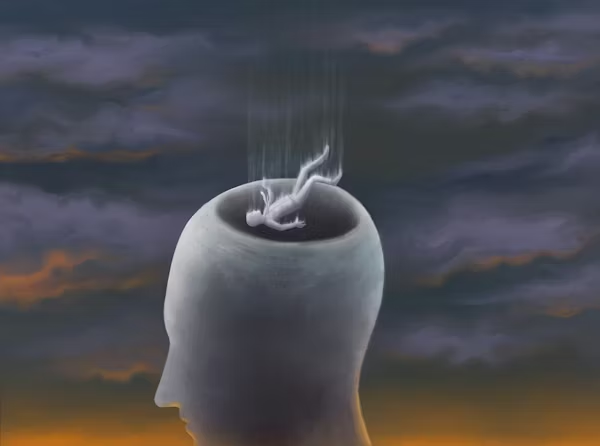
Personality Disorders: Diagnosis and Counselling Support Personality disorders are complex mental health conditions that affect how individuals think, feel, relate to others, and respond to everyday situations. Unlike temporary emotional challenges, personality-related patterns are deeply rooted and often develop over many years. These patterns can influence relationships, self-image, decision-making, and emotional regulation. Because of their long-term nature, professional support through personality disorder counselling is essential for understanding and managing these experiences. Many individuals with personality-related difficulties experience recurring relationship conflicts, emotional instability, or persistent distress. These patterns can also coexist with depression, anxiety, or trauma-related concerns. Without support, individuals may feel misunderstood or stuck in cycles of behavior that affect their well-being. Counselling provides structured guidance that helps individuals build insight, emotional regulation skills, and healthier relational patterns. Awareness of personality disorders has increased in recent years. Mental health professionals now emphasize long-term, compassionate, and structured approaches to care. Personality disorder counselling focuses on gradual change and emotional growth rather than quick solutions. With consistent support, individuals can develop healthier coping strategies and improve quality of life. To understand personality disorders and therapy approaches, you can watch this educational overview: Personality disorders | Behavior | MCAT | Khan Academy What Are Personality Disorders? Personality disorders involve enduring patterns of thinking, feeling, and behaving that differ from cultural expectations and cause distress or difficulty functioning. These patterns typically begin in adolescence or early adulthood and continue over time. According to personality disorders are grouped into clusters based on shared characteristics. These clusters include patterns such as emotional instability, social withdrawal, or rigid thinking. Understanding these patterns helps guide treatment and support. Personality disorder counselling focuses on exploring these patterns and understanding how they developed. Therapy helps individuals recognize triggers, develop coping strategies, and build healthier relationships. Common Types of Personality Disorders Personality disorders vary widely in presentation. Some individuals experience intense emotional reactions and fear of abandonment. Others may struggle with trust, social connection, or self-image. Each pattern requires a tailored approach to support. Borderline personality patterns may involve emotional instability and relationship difficulties. Avoidant patterns may involve fear of rejection and social withdrawal. Obsessive-compulsive personality patterns involve rigid thinking and perfectionism. Understanding these patterns helps reduce stigma and supports effective intervention. Personality disorder counselling helps individuals identify their unique experiences and develop personalized coping strategies. The Connection Between Personality Disorders and Depression Many individuals with personality-related concerns also experience depression. Persistent emotional distress, relationship difficulties, and self-criticism can contribute to low mood. Addressing both personality patterns and depressive symptoms is important for recovery. Counselling helps individuals understand how emotional patterns influence mood and relationships. Over time, therapy supports emotional regulation and self-compassion. Assessment and Diagnosis Assessment is an important step in understanding personality patterns. Mental health professionals evaluate emotional experiences, relationship patterns, and coping strategies. They may use structured interviews and psychological assessments. Diagnosis is not about labeling but about understanding patterns and guiding treatment. Personality disorder counselling often begins with exploring experiences and goals. This collaborative approach helps create a supportive and personalized plan. Read to Know More: Borderline personality disorder – Wikipedia Counselling Approaches for Personality Disorders Several therapy approaches are effective for personality-related concerns. Dialectical behavior therapy helps individuals develop emotional regulation and distress tolerance skills. Schema therapy focuses on identifying and changing deep-rooted patterns. Psychodynamic approaches explore early experiences and relational patterns. Cognitive behavioral techniques help individuals challenge unhelpful thoughts and behaviors. Counselling often integrates multiple approaches. Personality disorder counselling emphasizes consistency and trust. Building a therapeutic relationship is an important part of the process. Organizations like Dhairyada also support you through this journey. Long-Term Nature of Therapy Personality-related patterns develop over many years, so change often occurs gradually. Counselling focuses on small, consistent steps. Individuals learn to recognize triggers, manage emotions, and respond differently in relationships. Therapy may involve regular sessions over an extended period. Progress may include improved emotional awareness, healthier boundaries, and better coping strategies. Personality disorder counselling supports sustainable change rather than quick fixes. Online Counselling for Personality Disorders Online therapy has made personality disorder counselling more accessible. Individuals can attend sessions from home and maintain consistency. Online sessions provide flexibility and privacy. Online counselling allows ongoing support and can complement other treatments when needed. The Role of Support Systems Support systems play an important role in managing personality-related concerns. Friends, family, and professionals can provide encouragement and understanding. Counselling often includes guidance on communication and boundaries. Personality disorder counselling helps individuals build healthier relationships and support networks. Support systems contribute to long-term well-being. Long-Term Growth and Recovery Recovery from personality-related concerns involves gradual growth. Counselling helps individuals develop insight, emotional regulation, and healthier coping strategies. Over time, many people experience improved relationships and self-understanding. Self-care practices such as mindfulness, journaling, and stress management support progress. Continued therapy and check-ins help maintain growth. Summary Personality disorders involve long-standing patterns that affect emotions, relationships, and behavior. These patterns often coexist with depression and anxiety. Understanding these experiences and seeking support early can improve outcomes. Personality disorder counselling provides structured support that helps individuals explore patterns, develop coping strategies, and build healthier relationships. With consistent therapy and support, meaningful change is possible. Conclusion Personality-related challenges can feel overwhelming, but support and growth are possible. Counselling provides a safe and structured environment for exploring experiences and developing healthier patterns. Long-term support and patience are key to meaningful change. If you or someone you know is experiencing persistent emotional or relational difficulties, consider seeking professional support. With the right guidance, individuals can build insight, resilience, and improved well-being. Begin your journey toward emotional growth and stability today: PsyQuench: Psychology Courses & Therapy. Frequently Asked Questions (FAQs) 1. What is personality disorder counselling and how does it help?Personality disorder counselling involves working with a trained professional to understand long-standing emotional and behavioral patterns. Therapy focuses on building insight, developing coping strategies, and improving relationships. Over time, counselling supports emotional regulation and personal growth. 2. Can PsyQuench services support individuals with personality-related concerns?Yes. PsyQuench services provide structured
Advanced Psychology Courses Online for Therapists

Advanced Psychology Courses Online for Therapists Therapy and counselling are evolving fields that require continuous learning. Mental health professionals often discover that foundational degrees provide essential knowledge but real practice demands deeper specialization and skill refinement. Therapists encounter diverse client concerns such as depression, trauma, relationship issues, anxiety, and identity-related struggles. To respond effectively, many professionals pursue advanced psychology courses that expand their clinical understanding and therapeutic skills. With the rise of digital learning, advanced psychology courses are now widely available online. These programs allow therapists and counsellors to continue professional development without interrupting their clinical work. Online advanced training can include specialized therapy approaches, supervision-based learning, case discussions, and practical skill refinement. The demand for mental health services has increased globally. As a result, therapists are expected to stay updated with evidence-based practices and emerging therapeutic models. Continuing education helps professionals provide effective, ethical, and culturally responsive care. This guide explores the role of advanced psychology courses, what therapists can expect from online programs, and how ongoing training supports professional growth and client outcomes. To understand the importance of continuing education for therapists, you can watch this overview: CLC-Uploaded-TanyaAppachu-Acrobat-NA-INF-16×9 Why Advanced Training Matters for Therapists Therapists often begin their careers with foundational knowledge from degree programs. However, clinical practice involves complex emotional, relational, and ethical situations. Clients may present with overlapping concerns such as depression and trauma, or anxiety and relationship difficulties. Advanced psychology courses help therapists develop deeper understanding and refined intervention skills. Continuing education supports professional confidence and competence. Therapists learn new techniques, update their knowledge, and reflect on their practice. Advanced training also helps prevent professional stagnation and burnout. Engaging with new learning keeps therapists motivated and connected to evolving best practices. Types of Advanced Psychology Courses There are many types of advanced psychology courses available for therapists. Some focus on specific therapeutic approaches such as cognitive behavioral therapy, psychodynamic therapy, or trauma-informed care. Others focus on specialized populations such as children, couples, or individuals with substance use concerns. Advanced courses may include case-based learning, supervision sessions, and role plays. These components help therapists apply new techniques and receive feedback. Some programs also focus on assessment skills and intervention planning. You can explore structured training options through Dhairyada and PsyQuench which emphasize applied learning and supervision-based skill development. Benefits of Online Advanced Psychology Courses Online learning has made advanced psychology courses more accessible to therapists worldwide. Professionals can attend sessions from home and integrate learning into their schedules. This flexibility allows therapists to continue working while enhancing their skills. Online courses often include live sessions, recorded lectures, and interactive discussions. Many programs incorporate supervision and case consultation. This helps therapists apply learning directly to their clinical work. Another benefit is exposure to diverse perspectives. Online programs often include participants from different regions and backgrounds. This enhances understanding of cultural and contextual factors in therapy. Skills Developed Through Advanced Courses Enrolling in advanced psychology courses helps therapists develop specialized skills. These may include advanced assessment techniques, formulation skills, and intervention planning. Therapists learn how to tailor approaches to individual client needs. Emotional regulation and self-reflection are also emphasized. Therapists develop awareness of their own responses and biases. This supports ethical and effective practice. Advanced courses often include training in working with complex presentations such as trauma, personality concerns, or co-occurring disorders. These skills enhance the therapist’s ability to provide comprehensive care. Integrating Learning Into Clinical Practice One of the key goals of advanced psychology courses is practical integration. Therapists learn how to apply new techniques in sessions. Case discussions and supervision support this process. Reflective practice is an important component. Therapists review sessions, consider alternative interventions, and refine their approach. Ongoing learning helps therapists adapt to evolving client needs. Challenges of Advanced Online Training While advanced psychology courses offer flexibility, they also require commitment. Balancing clinical work and learning can be demanding. Choosing structured programs with clear schedules helps maintain consistency. Practical components are essential. Courses without interactive elements may provide limited skill development. Therapists should seek programs that include supervision and case-based learning. Understanding accreditation and recognition is also important. Choosing credible programs ensures meaningful professional development. The Role of Supervision Supervision is a key component of advanced training. It provides guidance, feedback, and support. Supervisors help therapists reflect on cases and develop intervention strategies. Many advanced psychology courses include supervision as part of their curriculum. Supervision supports ethical practice and professional growth. It helps therapists manage complex cases and maintain boundaries. Ongoing supervision is often recommended even after completing courses. Career Growth Through Advanced Training Completing advanced psychology courses can enhance career opportunities. Therapists may specialize in areas such as trauma therapy, couples counselling, or child psychology. Advanced training can also support leadership roles in mental health organizations. Continuing education demonstrates commitment to professional development. It helps therapists stay updated with evolving practices and build credibility. Clients and organizations often value therapists who engage in ongoing learning. Also Read: Psychology – Wikipedia Summary The field of mental health requires continuous learning and adaptation. Advanced psychology courses provide therapists with opportunities to deepen their knowledge and refine their skills. Online programs offer flexibility and access to diverse learning experiences. By combining theoretical knowledge with practical application, advanced courses support effective and ethical practice. Ongoing training helps therapists respond to complex client needs and maintain professional growth. Conclusion Therapy is a dynamic and evolving profession. To provide effective support, therapists must engage in ongoing learning and skill development. Advanced psychology courses offer structured pathways for professional growth and specialization. Whether you are a counsellor, psychologist, or mental health professional, investing in advanced training can enhance your practice and confidence. With the availability of online programs, continuing education is more accessible than ever. Start your training journey today with PsyQuench: Join Psyquench for Top Psychology Certificate Courses Today Frequently Asked Questions (FAQs) 1. What are advanced psychology courses and who should take them?Advanced psychology courses are specialized training programs designed for therapists and mental health professionals. They
Addiction and Substance Use Disorders: Counselling Interventions

Addiction and Substance Use Disorders: Counselling Interventions Addiction and substance use disorders affect millions of individuals and families across the world. These conditions are often misunderstood as issues of willpower or choice, but they are complex mental health concerns influenced by psychological, biological, and social factors. Substance use may begin as a way to cope with stress, trauma, or emotional pain. Over time, it can develop into patterns that are difficult to manage without professional support. This is where addiction counselling services play a crucial role in recovery and long-term well-being. Addiction does not only affect the individual. It impacts relationships, work, physical health, and emotional stability. Many individuals struggling with substance use also experience depression, anxiety, or trauma-related concerns. Addressing both the substance use and underlying emotional factors is essential for meaningful recovery. Addiction counselling services provide structured support that helps individuals understand their patterns, develop coping strategies, and build healthier habits. Recovery is not a single event but a process. Counselling supports individuals through different stages of change, from recognizing the problem to maintaining long-term recovery. With growing awareness of mental health, more people are seeking professional support for substance use concerns. This guide explores addiction, its causes, counselling interventions, and how structured support helps individuals and families navigate recovery. To understand addiction and recovery, you can watch this educational overview: MD YT Video Ads 17V1 – July 2025 Understanding Addiction and Substance Use Disorders Addiction is a chronic condition characterized by compulsive substance use despite harmful consequences. Substances may include alcohol, prescription medications, or illicit drugs. Over time, individuals may develop tolerance and dependence, making it difficult to stop without support. According to substance use disorders involve patterns of use that impair functioning and cause distress. These conditions affect brain chemistry, behavior, and emotional regulation. Addiction counselling services focus on understanding the underlying factors contributing to substance use. Therapy helps individuals identify triggers, develop coping strategies, and build healthier patterns. The Link Between Addiction and Depression Addiction and depression often occur together. Some individuals use substances to cope with emotional pain or stress. Over time, substance use can worsen mood and create cycles of dependence. Addressing both conditions simultaneously is important for recovery. Counselling helps individuals understand how emotional distress and substance use interact. By addressing underlying concerns, individuals can develop healthier coping mechanisms and reduce reliance on substances. Causes and Risk Factors Addiction develops due to a combination of biological, psychological, and environmental factors. Genetics and brain chemistry may influence vulnerability. Psychological factors such as trauma, stress, and low self-esteem can contribute to substance use. Environmental influences such as peer pressure, availability of substances, and social stressors also play a role. Understanding these factors helps reduce stigma and supports recovery. Addiction counselling services focus on identifying these influences and developing personalized strategies. Assessment and Diagnosis Assessment is an important step in addressing substance use concerns. Mental health professionals evaluate patterns of use, emotional concerns, and physical health factors. They may use structured interviews and questionnaires. Assessment helps determine the severity of substance use and appropriate treatment approaches. Addiction counselling services often begin with understanding the individual’s experiences and goals. This helps create a personalized recovery plan. Also Read: Addiction – Wikipedia Counselling Interventions for Addiction Several therapy approaches are effective in treating substance use disorders. Cognitive behavioral therapy helps individuals identify and change unhelpful thought patterns related to substance use. Motivational interviewing supports readiness for change and goal setting. Relapse prevention strategies are also important. Counselling helps individuals recognize triggers and develop coping skills. Mindfulness and stress management techniques support emotional regulation. Addiction counselling services often involve ongoing support. Recovery is a gradual process that requires consistent effort and guidance. Family and Social Support in Recovery Addiction affects families and relationships. Counselling often includes family involvement to improve communication and understanding. Support systems play an important role in recovery. Family members learn how to provide support without enabling substance use. They also learn how to manage their own emotional responses. Addiction counselling services help rebuild trust and strengthen relationships. Online Addiction Counselling Online therapy has made addiction counselling services more accessible. Individuals can attend sessions from home, reducing barriers such as travel or stigma. Online sessions provide flexibility and privacy. Platforms like Dhairyada offer structured support tailored to recovery. Sessions focus on coping strategies, emotional regulation, and relapse prevention. Online counselling allows consistent support and can complement medical treatment when needed. Relapse Prevention and Long-Term Recovery Recovery from addiction involves ongoing effort and support. Counselling helps individuals develop relapse prevention strategies. This includes identifying triggers, building support networks, and maintaining healthy routines. Self-care practices such as exercise, stress management, and healthy relationships support long-term recovery. Continued counselling and check-ins help maintain progress. Summary Addiction and substance use disorders are complex conditions that affect emotional and physical well-being. They often co-occur with depression and anxiety. Understanding addiction and seeking support early can improve recovery outcomes. Addiction counselling services provide structured support that helps individuals address underlying concerns, develop coping strategies, and build healthier habits. With consistent therapy and support, many individuals achieve meaningful recovery. Conclusion Addiction can feel overwhelming, but recovery is possible with the right support. Counselling provides practical tools and emotional guidance for managing substance use and rebuilding well-being. Early intervention and consistent support can make a significant difference. If you or someone you know is struggling with substance use concerns, consider seeking professional help. With the right guidance, individuals can move toward recovery and improved quality of life.Explore supportive PsyQuench Services to begin your journey toward recovery and emotional well-being. Frequently Asked Questions (FAQs) 1. What are addiction counselling services and how do they help?Addiction counselling services involve working with trained professionals to address substance use concerns and underlying emotional factors. Counselling helps individuals identify triggers, develop coping strategies, and build healthier habits. Over time, therapy supports recovery and emotional stability. 2. Can PsyQuench services support individuals with substance use concerns?Yes. PsyQuench services provide structured counselling support tailored to addiction and recovery. Sessions