
Grief & Loss Support: Understanding Grieving Patterns in the Indian Context

Grief & Loss Support: Understanding Grieving Patterns in the Indian Context Discussions around grief counselling India, access to loss support, and pathways toward emotional healing are becoming increasingly important as Indian families navigate bereavement, separation, illness, and sudden life changes. In India, grief is often experienced within strong cultural, religious, and familial frameworks, yet emotional expression around loss is frequently restricted. Individuals are expected to be resilient, spiritual, or “move on” quickly, leaving many to grieve silently. When loss is not emotionally processed, it can resurface as anxiety, depression, physical symptoms, or prolonged emotional distress. Understanding how grief manifests in the Indian context is essential for supporting healthy coping and long-term psychological wellbeing. Understanding Grief from a Psychological Perspective What Is Grief? Grief is a natural psychological response to loss. While commonly associated with death, grief can also follow the loss of relationships, health, identity, employment, or life expectations. It involves emotional, cognitive, physical, and behavioural reactions that vary widely across individuals and cultures. Psychologically, grief reflects the process of adjusting to a world that has been altered by loss. There is no single “correct” way to grieve, and attempts to suppress grief often intensify emotional pain over time. A foundational explanation of grief and bereavement can be explored here:https://en.wikipedia.org/wiki/Grief Grieving Patterns in the Indian Context Cultural and Religious Influences Indian grieving practices are deeply influenced by religion and tradition. Rituals, mourning periods, and spiritual beliefs often provide structure and meaning. While these practices can be comforting, they may also discourage open emotional expression, especially when grief does not align with cultural expectations. Family Roles and Emotional Suppression Many individuals feel pressure to remain strong for their families, particularly eldest children, parents, or caregivers. Emotional expression is often postponed or suppressed to fulfil responsibilities. Gendered Experiences of Grief Men are frequently discouraged from expressing vulnerability, while women may be expected to grieve quietly while managing household and caregiving roles. These expectations can complicate emotional healing. Common Myths About Grief in India “Time Heals All Wounds” Time alone does not heal unprocessed grief. Healing occurs through emotional integration, not avoidance. “Strong People Don’t Break Down” Grief does not indicate weakness. Emotional expression is a healthy response to loss. “Spirituality Should Eliminate Pain” Faith can coexist with grief. Emotional pain does not reflect spiritual failure. Psychological Impact of Unprocessed Grief Prolonged Grief and Depression When grief remains unresolved, individuals may experience persistent sadness, numbness, or hopelessness. Anxiety and Fear of Further Loss Loss can disrupt one’s sense of safety, leading to heightened anxiety and hypervigilance. Somatic and Physical Symptoms Headaches, fatigue, digestive issues, and sleep disturbances are common in unresolved grief. Identity and Meaning Crisis Loss often challenges beliefs about self, relationships, and the future, triggering existential distress. Case Scenario: A Common Experience of Loss Meera, a 35-year-old working professional, lost her father during the COVID-19 pandemic. As the eldest child, she assumed family responsibilities immediately and postponed her own grief. Months later, she began experiencing panic attacks, guilt, and emotional numbness. Therapy helped Meera understand that her symptoms were manifestations of delayed grief and guided her toward emotional expression and healing. How Grief Counselling Supports Emotional Healing Normalising the Grieving Process Grief counselling validates emotional reactions and removes pressure to grieve “correctly” or on a timeline. Processing Suppressed Emotions Therapy provides a safe space to express sadness, anger, guilt, and longing without judgment. Meaning-Making and Integration Counsellors help individuals integrate loss into their life narrative without erasing the bond. Culturally sensitive platforms like PsyQuench offer grief counselling services that address emotional, cultural, and familial dimensions of loss in India. One relevant service can be explored here:https://psyquench.com/services/counselling While platforms such as BetterHelp are often mentioned in global discussions on grief support, culturally grounded care remains especially important in the Indian context. Healthy Ways to Cope with Grief and Loss Here’s an expanded, therapy-informed explanation of each point, written in a gentle, validating tone you can directly use in blogs, psychoeducation material, or client handouts: Allowing Emotional Expression Grief brings a wide range of emotions: sadness, anger, guilt, confusion, numbness—and all of them deserve space. Crying, talking, journaling, or engaging in creative expression like art, music, or poetry allows these emotions to move instead of getting trapped inside. When emotions are suppressed, they often resurface later as anxiety, irritability, physical discomfort, or emotional burnout. Expressing grief does not mean “losing control”; it is a healthy release that helps the nervous system regulate itself. There is no correct way to express grief some people cry openly, others write privately, and some express emotions through silence or symbolism. What matters is permission: allowing feelings to exist without judgment or pressure to “be strong.” Maintaining Connection Grief can feel intensely lonely, even when people are physically present. Staying connected to trusted individuals, friends, family members, colleagues, or support groups helps reduce emotional isolation and reminds the grieving person that they are not alone in their pain. Connection does not always require deep conversations; sometimes shared silence, routine check-ins, or everyday interactions offer comfort. Social support acts as a protective factor during grief, buffering against depression and prolonged distress. While withdrawal is a natural part of grief, gentle reconnection at one’s own pace can restore a sense of safety, belonging, and emotional grounding. Honouring the Loss Honouring a loss allows the relationship to continue in a meaningful way, even after death or separation. Personal rituals lighting a candle, writing letters, visiting meaningful places, observing anniversaries, or creating memory books help keep emotional bonds intact without denying reality. Legacy projects, such as volunteering in the loved one’s name, sharing their stories, or carrying forward their values, can transform pain into purpose. These acts validate that the loss mattered deeply and that love does not disappear with absence. Honouring the loss is not about “moving on,” but about learning how to carry the memory with compassion rather than overwhelming pain. Seeking Support Without Shame Reaching out for professional support during grief is an act of courage, not weakness.
Loneliness in Urban India: Understanding Isolation in a Hyperconnected World
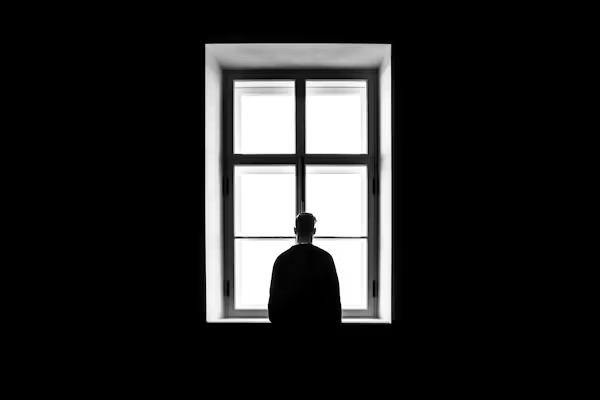
Loneliness in Urban India: Understanding Isolation in a Hyperconnected World In recent years, concerns around loneliness India, mental health urban India, and growing isolation issues have gained significant attention, particularly among individuals living in metropolitan cities. Despite living in densely populated spaces and being constantly connected through social media, many urban Indians report feeling emotionally disconnected, unseen, and alone. Long working hours, nuclear families, frequent relocation, and digitally mediated relationships have transformed how people connect, often replacing depth with accessibility. This paradox being surrounded by people yet feeling isolated has made loneliness one of the most pressing mental health challenges in urban India today. Understanding Loneliness from a Psychological Perspective What Is Loneliness? Loneliness is a subjective emotional experience that arises when a person perceives a gap between desired and actual social connection. It is not defined by being physically alone; rather, it reflects a lack of meaningful emotional bonds. Individuals can feel lonely even while being socially active or living with others. Psychologically, loneliness is linked to unmet attachment needs, emotional invalidation, and lack of perceived belonging. Over time, chronic loneliness affects emotional regulation, self-worth, and mental health outcomes. A foundational explanation of loneliness and its psychological dimensions can be explored here:https://en.wikipedia.org/wiki/Loneliness Why Loneliness Is Increasing in Urban India Urbanisation and Fragmented Communities Rapid urbanisation has altered traditional Indian community structures. Joint families and neighbourhood-based social support systems have been replaced by nuclear households and transient living arrangements. While cities offer opportunity, they often lack emotional continuity. Work Culture and Time Poverty Urban professionals frequently work long hours, commute extensively, and experience performance pressure. Emotional relationships are deprioritised, not by choice, but by exhaustion and lack of time. Digital Connection vs Emotional Intimacy Social media creates an illusion of connection without emotional depth. Likes, comments, and constant updates often replace vulnerability, shared presence, and genuine support. An accessible explainer on loneliness in the digital age can be viewed here:https://www.youtube.com/watch?v=n3Xv_g3g-mA Loneliness Across Different Urban Groups Young Professionals and Students Frequent relocation for education or work disrupts stable relationships. Many young adults struggle to build meaningful connections in unfamiliar cities. Married Individuals and Parents Loneliness is not limited to single individuals. Emotional disconnect within marriages, lack of adult companionship, and role overload contribute significantly. Older Adults in Cities Urban elderly individuals often experience loneliness due to reduced family interaction, retirement-related identity loss, and limited social engagement. Psychological Impact of Chronic Loneliness Anxiety and Low Mood Loneliness increases rumination and emotional vulnerability, often contributing to anxiety and depressive symptoms. Reduced Self-Worth Prolonged isolation can lead individuals to internalise beliefs such as “I am unimportant” or “I don’t belong.” Emotional Numbness and Withdrawal Over time, loneliness may result in emotional shutdown and avoidance of social opportunities. Physical Health Consequences Research links chronic loneliness to sleep disturbances, weakened immunity, and increased stress hormones. Case Scenario: An Urban Reality Amit, a 29-year-old IT professional living in Bengaluru, reports feeling persistently lonely despite a busy schedule and active social media presence. After relocating for work, his friendships became superficial, limited to office conversations and online interactions. Over time, Amit began experiencing low mood, irritability, and a sense of emptiness. Therapy helped him recognise that while he was socially surrounded, his emotional needs for understanding and connection were unmet. How Therapy Helps with Loneliness and Isolation Understanding Emotional Needs Therapy helps individuals identify what kind of connection they are missing—emotional safety, validation, companionship, or belonging. Addressing Internal Barriers Loneliness often coexists with fear of rejection, social anxiety, or emotional suppression. Therapy works through these blocks. Rebuilding Meaningful Connections Clients learn how to foster emotionally nourishing relationships rather than focusing solely on increasing social contact. Culturally sensitive platforms like PsyQuench offer counselling services designed for urban Indian clients dealing with loneliness, life transitions, and emotional disconnection. One relevant service can be explored here:https://psyquench.com/services/counselling While platforms like BetterHelp are often referenced in global mental health conversations, local cultural understanding remains especially important in addressing loneliness in Indian cities. Practical Strategies to Reduce Loneliness Shifting from Quantity to Quality of Connection Fewer meaningful relationships are more protective than many superficial ones. Creating Intentional Social Rituals Scheduling regular check-ins, shared activities, or community involvement fosters consistency. Developing Emotional Expression Learning to articulate emotions reduces internal isolation even before external connection improves. Seeking Support Without Shame Normalising help-seeking breaks the cycle of silent suffering common in urban environments. Role of Society, Workplaces, and Mental Health Professionals Urban loneliness is not just an individual issue but a systemic one. Workplaces can promote wellbeing through community-building initiatives, while mental health professionals provide safe spaces for emotional exploration. Societal narratives that equate independence with emotional self-sufficiency need re-evaluation. Summary This blog explored why loneliness is rising in urban India despite increased digital connectivity, highlighting how urbanisation, work culture, nuclear families, and social media contribute to emotional isolation. It explained loneliness as a subjective psychological experience rather than physical aloneness and examined its impact on mental health, self-worth, and emotional wellbeing. Through case scenarios and clinical insights, the blog emphasised the role of therapy in addressing unmet emotional needs, reducing isolation issues, and rebuilding meaningful human connection within the context of mental health in urban India. Conclusion Loneliness in urban India is a quiet yet profound mental health concern, often hidden behind productivity, social media activity, and busy lifestyles. Recognising loneliness as a legitimate emotional experience not a personal failure is the first step toward healing. With increased awareness, intentional relationship-building, and appropriate therapeutic support, individuals can move from emotional isolation toward connection, belonging, and psychological wellbeing, even within fast-paced urban environments. Speak to a counsellor today. Explore PsyQuench counselling services to address loneliness, emotional isolation, and urban stress with culturally sensitive support. Frequently Asked Questions (FAQs) 1. Why is loneliness increasing in urban India? Urbanisation has disrupted traditional community structures and family systems. Busy work schedules and frequent relocation reduce emotional continuity. Digital interaction often replaces meaningful connection. Together, these factors intensify loneliness. 2. Can someone feel lonely even with friends and family? Yes,
Self-Worth & Comparison Culture: Understanding the Psychological Impact on Indian Youth

Self-Worth & Comparison Culture: Understanding the Psychological Impact on Indian Youth In contemporary conversations around mental health, themes such as self worth India, comparison culture India, and the increasing need for self confidence counselling have become deeply relevant, particularly for Indian youth navigating academic competition, social expectations, and constant digital exposure. From early schooling to professional life, individuals are repeatedly evaluated by marks, salaries, marriage timelines, and online visibility making self-worth feel conditional rather than inherent. As comparison becomes a habitual lens through which people assess their progress, many experience persistent dissatisfaction, anxiety, and self-doubt despite objective achievements. Understanding how comparison culture shapes self-worth within the Indian socio-cultural framework is essential for promoting psychological wellbeing and long-term emotional resilience. Understanding Self-Worth from a Psychological Perspective What Is Self-Worth? Self-worth refers to the internal sense of being valuable simply because one exists, not because of accomplishments, approval, or social status. It is a foundational psychological construct that influences emotional regulation, relationships, motivation, and mental health. Unlike confidence or self-esteem, which may fluctuate with success or failure, self-worth is meant to remain stable across circumstances. Psychological research highlights that self-worth develops through early attachment experiences, reinforcement patterns, cultural narratives, and internalised beliefs. When individuals grow up receiving conditional validation/praise only for performance or obedience, their self-worth becomes fragile and externally driven. A foundational explanation of self-esteem and self-evaluation can be explored here:https://en.wikipedia.org/wiki/Self-esteem What Is Comparison Culture? Defining Comparison Culture in India Comparison culture refers to a social environment where individuals continuously evaluate themselves in relation to others. In India, this phenomenon is deeply normalised. From comparing academic ranks and entrance exam results to professional success, income, marriage, and lifestyle milestones, comparison is embedded in everyday conversations. Earlier, comparisons were limited to families, classrooms, or neighbourhoods. Today, social media platforms have expanded the comparison pool to thousands of peers and influencers, creating unrealistic benchmarks for success, happiness, productivity, and appearance. Social Comparison Theory Social Comparison Theory suggests that individuals evaluate their abilities and worth by comparing themselves with others. While occasional comparison can be motivating, frequent upward comparison especially on distorted platforms like social media often leads to feelings of inadequacy, envy, and diminished self-worth. An educational explainer on social comparison and mental health can be viewed here:https://www.youtube.com/watch?v=HjYp0pJ3g3Y Why Comparison Culture Affects Indian Youth Intensely Academic Pressure and Competitive Identity India’s education system places disproportionate emphasis on ranking, marks, and entrance examinations. From a young age, children internalise the belief that academic performance determines personal value. This creates a mindset where worth is earned, not inherent. Family Expectations and Social Conditioning Well-meaning family comparisons often framed as motivation can unintentionally reinforce inadequacy. Phrases like “Why can’t you be like them?” subtly communicate that acceptance depends on outperforming others. Social Media and Curated Reality Indian youth are constantly exposed to highlight reels of success, travel, relationships, and productivity. These curated narratives omit struggle, failure, and emotional distress, leading individuals to believe they are falling behind in life. Psychological Impact of Comparison Culture Low Self-Worth and Self-Criticism Repeated comparison shifts focus toward perceived shortcomings, leading to harsh self-judgment and internalised inadequacy. Anxiety and Chronic Stress Fear of lagging behind peers creates persistent anxiety, particularly among students and early-career professionals. Perfectionism and Burnout Comparison-driven self-worth often results in maladaptive perfectionism, where rest and self-acceptance are postponed indefinitely. Depression and Emotional Exhaustion When individuals feel they can never “catch up,” they may experience hopelessness, emotional numbness, or loss of meaning. Case Scenario: A Common Experience Riya, a 22-year-old college student, reports feeling persistently behind despite strong academic performance. Scrolling through social media intensifies her belief that others are more successful, productive, and fulfilled. Her internal dialogue revolves around constant self-criticism and pressure to do more. Over time, she experiences anxiety, sleep difficulties, and reduced motivation. In counselling, Riya learns that her self-worth is entirely comparison-based, and therapeutic work focuses on separating intrinsic value from external milestones. Role of Self Confidence Counselling Identifying Core Beliefs Counselling helps individuals uncover deeply held beliefs such as “I am only worthy if I succeed.” Rebuilding Internal Validation Clients learn to shift from external approval to internal markers like effort, values, and emotional awareness. Developing Self-Compassion Therapy encourages kinder internal dialogue and emotional regulation during comparison triggers. Culturally sensitive platforms like PsyQuench provide counselling services tailored to Indian clients, addressing self-worth concerns through evidence-based psychological approaches. One such relevant service can be explored here:https://psyquench.com/services/counselling While platforms like BetterHelp are often mentioned in global mental health discussions, culturally contextualised counselling remains especially important in India. Practical Strategies to Rebuild Self-Worth Awareness of Comparison Triggers Identifying situations, platforms, or people that intensify comparison is the first step toward change. Redefining Success Personally Encouraging individuals to define success based on personal values rather than societal timelines. Digital Boundaries Intentional social media use reduces exposure to unrealistic standards. Expanding Identity Beyond Achievement Developing multiple sources of meaning such as relationships, interests, values buffers against comparison-driven distress. Role of Parents, Educators, and Mental Health Professionals Parents and educators can reduce harmful comparison by praising effort, individuality, and growth rather than outcomes alone. Counsellors play a vital role by providing safe spaces where individuals can explore identity, purpose, and self-worth without judgment. Summary This blog explored how self-worth in the Indian context is increasingly shaped by comparison culture arising from academic pressure, family expectations, and social media influence. It highlighted how constant comparison shifts self-worth from an internal sense of value to an externally measured standard, contributing to anxiety, perfectionism, burnout, and emotional distress among Indian youth. By explaining the psychology of self-worth and social comparison, the blog outlined practical ways to rebuild confidence, including redefining success, cultivating internal validation, setting digital boundaries, and seeking self confidence counselling. The importance of culturally sensitive therapeutic support was emphasised as a key factor in helping individuals move from comparison-driven self-evaluation to stable, intrinsic self-worth. Conclusion Self-worth is not built through comparison but eroded by it. In a society where achievement and social approval are deeply ingrained markers of success,
Sleep Problems & Mental Health

Sleep Problems & Mental Health Sleep problems in India are increasingly affecting mental and emotional well-being across age groups. Discussions around sleep problems India, insomnia help India, and mental health symptoms are becoming more relevant as irregular routines, screen exposure, work stress, and lifestyle changes disrupt healthy sleep patterns. Many people dismiss poor sleep as normal or temporary, unaware of its strong connection to anxiety, depression, irritability, and reduced functioning. Sleep is not a luxury, it is a biological necessity essential for emotional regulation, cognitive functioning, and resilience. When sleep problems persist, they both contribute to and worsen mental health difficulties. Understanding the link between sleep and mental health is the first step toward restoring balance and well-being. Understanding Sleep Problems Sleep problems include difficulty falling asleep, staying asleep, waking too early, or experiencing non-restorative sleep. According to the Wikipedia page on insomnia, chronic sleep difficulties can significantly impair physical health, emotional regulation, and daily functioning: https://en.wikipedia.org/wiki/Insomnia. In India, sleep issues are often overlooked or treated only with medication, without addressing underlying psychological and lifestyle factors. How Sleep and Mental Health Are Connected Sleep and mental health share a bidirectional relationship. Poor sleep increases vulnerability to anxiety, depression, and stress, while mental health conditions disrupt sleep quality and patterns. This creates a self-perpetuating cycle that becomes harder to break without intervention. Research consistently shows that improving sleep can significantly reduce emotional distress and improve overall mental health. Why Sleep Problems Are Rising in India 1. Work Stress and Long Hours Extended work hours, shift work, and job-related stress interfere with consistent sleep routines. 2. Screen Use and Digital Overload Late-night exposure to phones and laptops disrupts circadian rhythms and delay sleep onset. 3. Irregular Lifestyles Inconsistent meal times, lack of physical activity, and erratic schedules affect sleep quality. 4. Anxiety and Overthinking Worry, rumination, and mental hyperarousal make it difficult for the mind to rest. Common Mental Health Symptoms Linked to Poor Sleep Sleep problems often coexist with anxiety, low mood, irritability, emotional sensitivity, difficulty concentrating, and reduced stress tolerance. Over time, chronic sleep deprivation increases the risk of depression, burnout, and physical health issues. Recognising sleep disturbances as an early mental health signal allows for timely intervention. This YouTube video explains how sleep affects mental health and emotional regulation: https://www.youtube.com/watch?v=5MuIMqhT8DM. It highlights why improving sleep is foundational to managing stress, anxiety, and mood difficulties. How Sleep-Health Counselling Helps 1. Identifying Sleep-Disrupting Patterns Counselling helps uncover psychological, behavioural, and lifestyle factors affecting sleep. 2. Cognitive and Behavioural Strategies Therapy introduces evidence-based techniques such as CBT for insomnia to improve sleep habits. 3. Managing Anxiety and Stress Addressing underlying anxiety reduces mental hyperarousal that interferes with sleep. 4. Restoring Healthy Sleep Routines Counselling supports consistent, sustainable sleep–wake cycles. PsyQuench offers sleep-health counselling and psychological support to address insomnia, stress-related sleep problems, and mental health symptoms. Role of Therapy in Insomnia Treatment Psychological approaches are considered first-line treatments for chronic insomnia. Therapy focuses on behavioural change, cognitive restructuring, and nervous system regulation rather than reliance on long-term medication. The Wikipedia page on cognitive behavioural therapy for insomnia explains how structured interventions improve sleep outcomes: https://en.wikipedia.org/wiki/Cognitive_behavioral_therapy_for_insomnia. Alongside PsyQuench, platforms such as BetterLYF offer counselling support for sleep and mental health concerns. Summary Sleep problems are increasingly common in India and are closely linked to anxiety, depression, stress, and emotional dysregulation. Irregular routines, work pressure, excessive screen use, and persistent overthinking often disrupt healthy sleep patterns. Poor sleep not only worsens mental health symptoms but can also be an early warning sign of underlying emotional distress. When sleep issues become chronic, they affect mood, concentration, resilience, and overall functioning. Addressing sleep problems through structured counselling and psychological interventions can significantly improve both sleep quality and mental well-being, making sleep health a crucial foundation for emotional balance. Conclusion Sleep problems and mental health are deeply interconnected, and addressing one often improves the other. Chronic sleep difficulties are not just lifestyle issues, they are important signals of emotional and psychological stress. With awareness, structured counselling, and therapeutic support, healthy sleep can be restored. Prioritising sleep is an essential step toward better mental health, emotional stability, and overall well-being. Book a session for sleep-health counselling. Frequently Asked Questions (FAQs) 1. How common are sleep problems in India? Sleep problems are very common due to work stress, screen use, and irregular routines. Many people experience poor sleep without realising its impact on mental and emotional health. 2. Can sleep problems cause anxiety or depression? Yes, chronic sleep disturbances increase the risk of anxiety and depression. Poor sleep affects emotional regulation and stress tolerance, making mental health symptoms more severe. 3. Is counselling effective for insomnia? Yes, counseling—especially CBT for insomnia—is highly effective. PsyQuench offers sleep-health counselling that addresses both sleep patterns and underlying psychological factors. 4. Should sleep problems be treated without medication? In many cases, therapy is recommended as a first-line treatment. Psychological approaches create long-term improvements without dependence on medication. 5. When should someone seek help for sleep issues? If sleep problems persist for several weeks or affect daily functioning, mood, or health, professional support is advised. 6. How does stress affect sleep quality? Stress keeps the nervous system in a state of alertness, making it hard to fall or stay asleep. Managing stress often leads to better sleep. 7. How can PsyQuench support sleep health? PsyQuench provides counseling for insomnia, stress management, and emotional regulation to help clients restore healthy sleep and mental well-being.
Anger Issues in Indian Families

Anger Issues in Indian Families Anger issues in Indian families are more common than openly acknowledged and often deeply misunderstood. Conversations around anger management India, emotional regulation, and counselling India are gaining importance as families struggle with frequent conflicts, emotional outbursts, and strained relationships. In many Indian households, anger is normalised as discipline, authority, or stress response, while emotional expression and regulation are rarely taught. Over time, unresolved anger affects family harmony, mental health, and even physical well-being. Anger itself is not the problem—it is a natural human emotion. The challenge lies in how anger is expressed, suppressed, or passed on across generations. Understanding anger triggers and learning healthy regulation strategies is essential for building emotionally safe family environments. Understanding Anger as an Emotion Anger is a basic human emotion that arises in response to perceived threat, injustice, frustration, or unmet needs. According to the Wikipedia page on anger, anger becomes problematic when it is intense, frequent, or expressed in harmful ways: https://en.wikipedia.org/wiki/Anger. In Indian families, anger is often expressed indirectly, explosively, or through silence, rather than through healthy emotional communication. Why Anger Issues Are Common in Indian Families 1. Emotional Suppression and Social Conditioning Many individuals are raised without learning how to name, express, or regulate emotions, leading to bottled-up frustration. 2. Stress and Daily Pressures Financial stress, work pressure, caregiving responsibilities, and lack of rest often lower emotional tolerance. 3. Power and Hierarchy in Family Systems Hierarchical family structures can normalise anger as control, especially from elders or authority figures. 4. Intergenerational Patterns Children often learn anger expression by observing parents and caregivers, repeating unhealthy patterns in adulthood. Common Triggers of Anger in Families Typical triggers include feeling disrespected, misunderstood, criticised, overburdened, or ignored. Conflicts around money, parenting, household responsibilities, boundaries, and expectations often intensify anger responses. When these triggers remain unaddressed, anger can escalate into verbal aggression, emotional withdrawal, or physical symptoms. Speaking to a professional will help you identify these triggers. Impact of Unregulated Anger on Mental Health and Relationships Chronic anger is linked to anxiety, depression, relationship breakdowns, and health issues such as high blood pressure. In families, ongoing anger creates fear, emotional distance, and communication breakdowns, especially affecting children’s emotional security. Recognising anger as a signal rather than a flaw allows space for healing and change. Understanding Anger Through Video This YouTube video explains why anger feels overwhelming and how emotional regulation skills help manage it effectively: https://www.youtube.com/watch?v=BsVq5R_F6RA. It highlights that anger can be regulated with awareness, practice, and support. How Anger Management Therapy Helps 1. Identifying Emotional Triggers Therapy helps individuals recognise what fuels their anger beneath the surface. 2. Emotional Regulation Skills Counselling teaches techniques to calm the nervous system and respond rather than react. 3. Healthy Expression of Anger Therapy supports assertive communication instead of aggression or suppression. 4. Repairing Family Relationships Counselling helps rebuild trust, safety, and emotional connection within families. PsyQuench offers anger-management counselling and emotion regulation support tailored to individual and family needs. Role of Family Therapy in Managing Anger Family therapy addresses anger within the broader relational system. It helps family members understand each other’s emotional experiences, communication styles, and boundaries. The Wikipedia page on family therapy explains how systemic approaches improve emotional regulation and reduce conflict: https://en.wikipedia.org/wiki/Family_therapy. Alongside PsyQuench, platforms such as Amaha and Mindpeers offer counselling support for anger and emotional concerns. Summary Anger issues in Indian families often stem from chronic stress, emotional suppression, and long-standing communication patterns rather than intentional harm. In many households, anger is normalised as discipline or authority, while healthy emotional expression and regulation are rarely taught. Over time, unregulated anger can damage relationships, create fear or emotional distance, and affect mental and physical health, especially for children growing up in high-conflict environments. Understanding anger as a signal of unmet needs and emotional overload allows space for change. With awareness and anger-management counselling, individuals and families can learn healthier ways to regulate emotions, communicate needs, and rebuild trust and connection. Conclusion Anger issues in Indian families are often rooted in unexpressed emotions, chronic stress, and learned patterns rather than intentional harm. With awareness, emotional education, and professional counselling, anger can be understood, regulated, and expressed safely. Healing anger not only improves individual mental health but also restores trust and connection within families. Join anger-management counselling. Frequently Asked Questions (FAQs) 1. Is anger a mental health problem? Anger itself is not a disorder, but unregulated anger can affect mental health and relationships. When anger is frequent, intense, or harmful, professional support can help. 2. What causes anger issues in families? Anger issues often arise from stress, unmet emotional needs, poor communication, and learned family patterns. Cultural norms around emotional suppression can intensify these responses. 3. Can counselling really help with anger management? Yes, counselling helps individuals understand triggers, regulate emotions, and develop healthier ways to express anger. PsyQuench offers structured anger-management counselling. 4. How does anger affect children in families? Exposure to frequent anger can make children anxious, withdrawn, or aggressive. It affects their emotional security and shapes how they express emotions later in life. 5. How long does anger-management counselling take? The duration depends on individual needs and patterns. Many people notice improvement within a few sessions with consistent practice. 6. Is anger management only for people who shout or get aggressive? No. Suppressed anger, passive aggression, and emotional withdrawal are also forms of unhealthy anger expression that benefit from counselling. 7. How can PsyQuench support anger regulation? PsyQuench provides anger-management counselling, emotional regulation training, and family therapy to support healthier emotional expression and relationships.
Trauma Awareness in India

Trauma Awareness in India Trauma awareness in India is gradually increasing, yet many individuals continue to live with unrecognised and unaddressed traumatic experiences. Conversations around trauma therapy India, PTSD India, and trauma signs are becoming more visible as people begin to understand how deeply trauma can affect mental, emotional, and physical well-being. Trauma is not limited to extreme events; it can arise from accidents, abuse, medical experiences, loss, neglect, violence, or prolonged emotional stress. In India, trauma is often minimised, spiritualised, or pushed aside in favour of resilience narratives. However, unresolved trauma does not disappear, it shows up through anxiety, emotional numbness, relationship difficulties, and physical symptoms. Building trauma awareness is the first step toward healing and seeking appropriate support. What Is Psychological Trauma? Psychological trauma occurs when an individual experiences an event or series of events that overwhelm their ability to cope, leaving lasting emotional and physiological effects. According to the Wikipedia page on psychological trauma, trauma can disrupt memory, emotional regulation, and the nervous system’s sense of safety: https://en.wikipedia.org/wiki/Psychological_trauma. Trauma responses are highly individual what feels traumatic to one person may not feel the same to another. The key factor is how the experience is processed by the nervous system. Why Trauma Often Goes Unrecognised in India 1. Cultural Normalisation of Suffering Emotional pain is frequently dismissed with phrases like “be strong” or “move on,” discouraging people from acknowledging trauma. 2. Limited Mental Health Literacy Many people associate trauma only with extreme violence or war, overlooking everyday traumatic experiences such as emotional abuse, neglect, or chronic stress. 3. Stigma and Silence Fear of judgment, shame, or family repercussions prevents open conversations about trauma, especially when it involves abuse or family dynamics. 4. Focus on Physical Symptoms Trauma often manifests as headaches, fatigue, digestive issues, or sleep problems, leading individuals to seek medical help without addressing emotional roots. Common Trauma Signs and Symptoms Trauma signs may include intrusive memories, nightmares, hypervigilance, emotional numbness, irritability, difficulty trusting others, and avoidance of reminders. Some individuals experience dissociation or feel disconnected from their bodies and emotions. When left untreated, these symptoms can persist for years and significantly impact quality of life. PsyQuench offers support, helping you cope with the intrusive memories. Understanding PTSD in the Indian Context Post-Traumatic Stress Disorder (PTSD) is a condition that can develop after exposure to trauma. The Wikipedia page on PTSD explains how symptoms include re-experiencing, avoidance, negative mood changes, and heightened arousal: https://en.wikipedia.org/wiki/Post-traumatic_stress_disorder. In India, PTSD is often underdiagnosed, especially among survivors of accidents, violence, disasters, or long-term abuse. Many individuals continue functioning while silently struggling. Impact of Trauma on Daily Life and Relationships Unresolved trauma affects emotional regulation, self-worth, and relationships. Individuals may struggle with intimacy, boundaries, anger, or withdrawal. Trauma can also influence parenting patterns, work performance, and physical health. Recognising these patterns as trauma responses, not personal flaws, is a crucial step toward healing. Understanding Trauma Through Video This YouTube video explains how trauma affects the brain and body and why therapy plays a vital role in recovery: https://www.youtube.com/watch?v=95ovIJ3dsNk. It helps normalise trauma responses and emphasises that healing is possible with the right support. Why Trauma Therapy Is Essential 1. Nervous System Regulation Trauma therapy helps calm the nervous system and restore a sense of safety in the body. 2. Processing Traumatic Memories Therapy supports safe processing of traumatic experiences without re-traumatisation. 3. Reducing Trauma Symptoms Evidence-based approaches reduce flashbacks, anxiety, emotional numbness, and hypervigilance. 4. Rebuilding Identity and Control Therapy helps individuals reconnect with themselves, rebuild trust, and regain agency. PsyQuench offers trauma-informed therapy and psychological support for individuals seeking healing from past and ongoing traumatic experiences. Other Online Trauma Therapy Platforms in India Alongside PsyQuench, platforms such as BetterLYF (https://www.betterlyf.com), Amaha (https://www.amahahealth.com), MindPeers (https://www.mindpeers.co), Manochikitsa (https://manochikitsa.com), and YourDOST (https://yourdost.com) offer mental health and trauma-informed counselling services in India. Summary Trauma in India often goes unrecognised or unspoken, as emotional pain is frequently minimised, normalised, or suppressed. Trauma can result from a wide range of experiences, including accidents, abuse, loss, medical events, violence, or prolonged emotional stress, and it affects the mind and body long after the event has passed. Unresolved trauma may show up as anxiety, emotional numbness, hypervigilance, relationship difficulties, or physical symptoms. Building trauma awareness helps individuals understand that these reactions are natural responses, not personal weaknesses. Trauma-informed therapy plays a crucial role in helping individuals process experiences safely, regulate the nervous system, and move toward healing and emotional resilience. Conclusion Trauma awareness in India is essential for breaking cycles of silent suffering and emotional distress. Trauma is not a weakness—it is a natural response to overwhelming experiences. With awareness, compassion, and professional trauma therapy, healing is possible at any stage of life. Seeking help is a powerful act of self-care and courage. Start your healing journey today. Frequently Asked Questions (FAQs) 1. What are common signs of trauma? Common trauma signs include intrusive memories, emotional numbness, hypervigilance, avoidance, sleep problems, and difficulty trusting others. These symptoms may appear immediately or years after the traumatic experience. 2. Is trauma therapy effective? Yes, trauma therapy is highly effective when delivered using evidence-based, trauma-informed approaches. It helps regulate the nervous system, process experiences safely, and reduce long-term distress. 3. How is PTSD different from general trauma? PTSD is a diagnosable condition with specific symptom criteria, while trauma responses can exist without meeting PTSD criteria. Both benefit from trauma-informed therapeutic support. 4. Can childhood experiences cause trauma? Yes, childhood neglect, emotional abuse, or unstable environments can create lasting trauma that affects adult relationships and self-worth. PsyQuench offers practitioner courses in Trauma Informed Therapy, allowing you to enhance your skillset. 5. When should someone seek trauma therapy? If distressing symptoms persist, interfere with daily life, or affect relationships, seeking trauma therapy is strongly recommended. Online therapy can be a great way to start therapy, especially in cases where there is reluctance. 6. Does talking about trauma make it worse? When done safely with a trained therapist, discussing trauma does not make it
Exam Anxiety in Students

Exam Anxiety in Students Exam anxiety in India has become a widespread concern, affecting students across school, college, and competitive exam settings. Conversations around exam anxiety India, student stress, and academic counselling are increasingly relevant as academic pressure intensifies. High expectations from parents, comparison with peers, fear of failure, and the belief that exams determine one’s entire future contribute heavily to student stress. While some level of nervousness before exams is normal, persistent anxiety can impair concentration, memory, sleep, and emotional well-being. Unfortunately, exam anxiety is often dismissed as laziness, lack of preparation, or overthinking. Understanding exam stress in the Indian context and learning how to support students effectively is crucial for protecting their mental health and academic growth. What Is Exam Anxiety? Exam anxiety is a form of performance anxiety that occurs before or during assessments and interferes with a student’s ability to perform to their potential. According to the Wikipedia page on test anxiety, it includes emotional, cognitive, and physical symptoms such as worry, racing thoughts, nausea, and difficulty concentrating: https://en.wikipedia.org/wiki/Test_anxiety. In India, where academic achievement is strongly linked to self-worth and future security, exam anxiety can become overwhelming if not addressed early. Why Exam Anxiety Is So Common in India 1. High-Stakes Education System Board exams, entrance tests, and competitive exams are often portrayed as life-defining milestones, increasing fear and pressure. 2. Parental and Societal Expectations Well-meaning but intense parental expectations can unintentionally heighten anxiety and fear of disappointing others. 3. Comparison and Ranking Culture Frequent comparisons with peers, ranks, and marks reinforce the idea that worth is measured by performance. 4. Limited Emotional Support Many students lack safe spaces to express fear, self-doubt, or burnout, leading to internalised stress. As a school counsellor, it is important for you to help students deal with exam anxiety, and PsyQuench is here to equip you with the right skills. Common Signs of Exam Anxiety in Students Exam anxiety can show up differently across age groups. Common signs include excessive worry about exams, difficulty concentrating, blanking out during tests, sleep disturbances, irritability, frequent headaches or stomach aches, and avoidance of studying. Some students may become perfectionistic, while others disengage due to fear of failure. When these patterns persist, they can negatively affect both mental health and academic performance. Impact of Exam Anxiety on Student Mental Health Chronic exam anxiety can lead to burnout, low self-esteem, depression, and loss of motivation. Students may begin associating learning with fear rather than curiosity. Over time, this stress can affect emotional development, confidence, and long-term relationship with education. Early intervention plays a critical role in preventing long-term psychological distress. This YouTube video explains how exam stress affects students’ brains and offers practical strategies to manage anxiety: https://www.youtube.com/watch?v=K9cD8t7Wk6M. It helps parents and students recognise that anxiety is manageable with the right tools and support. Evidence-Based Ways to Support Students With Exam Anxiety 1. Academic Counselling and Therapy Academic counselling helps students understand stress patterns, build realistic goals, and develop effective coping strategies. Therapy also supports emotional regulation and confidence-building. PsyQuench offers academic counselling and student-focused mental health support to help manage exam anxiety and student stress. 2. Study Skills and Time Management Structured study plans, realistic schedules, and regular breaks reduce overwhelm and improve focus. 3. Emotional Regulation Techniques Breathing exercises, grounding techniques, and mindfulness practices help calm the nervous system during stress. 4. Supportive Parenting Approaches Encouraging effort over outcomes and maintaining open communication reduces fear-based pressure. Role of Parents and Schools in Reducing Exam Anxiety Parents and educators play a crucial role in shaping students’ attitudes toward exams. Creating emotionally safe environments, normalising mistakes, and focusing on learning rather than ranks can significantly reduce anxiety. Schools that integrate mental health education and counselling services help students build resilience alongside academic skills. Other Online Student Mental Health Platforms in India Apart from PsyQuench, platforms such as BetterLYF (https://www.betterlyf.com), Amaha (https://www.amahahealth.com), MindPeers (https://www.mindpeers.co), Manochikitsa (https://manochikitsa.com), and YourDOST (https://yourdost.com) offer student counselling and mental health support services in India. Summary Exam anxiety is a common and growing concern among Indian students due to high academic pressure, fear of failure, constant comparison, and strong parental and societal expectations. While mild nervousness is normal, persistent exam anxiety can interfere with concentration, memory, sleep, and emotional well-being. Students may experience excessive worry, physical symptoms, avoidance, or loss of confidence, which can negatively affect both mental health and academic performance. With timely emotional support, practical coping strategies, and academic counselling, students can learn to manage anxiety, build resilience, and approach exams with greater confidence and balance. Conclusion Exam anxiety in Indian students is common, real, and manageable. With the right emotional support, practical strategies, and professional guidance, students can learn to cope with stress and approach exams with confidence rather than fear. Addressing exam anxiety early protects not only academic performance but also long-term mental health and self-belief. Help your child with counselling support. Frequently Asked Questions (FAQs) 1. Is exam anxiety normal among Indian students? Yes, exam anxiety is very common due to high academic pressure in India. A mild level of nervousness is normal, but persistent anxiety that affects sleep, focus, or performance needs attention and support. 2. How can parents identify exam anxiety in their child? Parents may notice excessive worry, irritability, physical complaints, avoidance of studies, or fear of exams. Changes in sleep, appetite, or confidence are also important warning signs. 3. Can counselling help reduce exam anxiety? Yes, counselling helps students manage fear, build coping skills, and improve confidence. PsyQuench offers academic counselling tailored to exam stress and student mental health needs. 4. What techniques help students during exams? Breathing exercises, grounding techniques, positive self-talk, and structured revision plans can reduce anxiety during exams and improve concentration. 5. Does exam anxiety affect academic performance? Yes, high anxiety can impair memory, focus, and problem-solving. Managing anxiety often leads to better performance and healthier learning habits. 6. When should parents seek professional help? If anxiety persists despite preparation, affects daily functioning, or leads to emotional distress,
Body Image Issues in Indian Youth

Body Image Issues in Indian Youth Body image issues in Indian youth have intensified in recent years, shaped by social media, unrealistic beauty standards, and constant comparison. Conversations around body image India, self esteem India, and youth mental health are becoming increasingly urgent as adolescents and young adults report dissatisfaction with their appearance, low confidence, and emotional distress. From fairness ideals and body size expectations to filtered images and influencer culture, young people are exposed to powerful messages about how they should look. These pressures often lead to shame, anxiety, disordered eating, and withdrawal. Body image struggles are not superficial concerns, they are deeply connected to mental health, identity, and self-worth. Understanding their impact is essential for early intervention and emotional resilience. What Are Body Image Issues? Body image refers to how a person perceives, thinks, and feels about their physical appearance. According to the Wikipedia page on body image, negative body image involves dissatisfaction, distress, and distorted perceptions of one’s body: https://en.wikipedia.org/wiki/Body_image. In India, body image concerns often intersect with cultural ideals around skin colour, weight, gender norms, and social acceptance, making them particularly complex. Why Body Image Issues Are Rising Among Indian Youth 1. Social Media and Comparison Culture Platforms like Instagram and Snapchat promote idealised, edited images that create unrealistic appearance standards. 2. Cultural Beauty Norms Fairness, thinness, and specific body types are often glorified, leading to internalised shame. 3. Peer Pressure and Bullying Appearance-based teasing and comparison significantly affect self-esteem during adolescence. 4. Academic and Social Stress High achievement pressure combined with identity formation challenges increases vulnerability. Signs of Body Image and Self-Esteem Issues Warning signs include constant appearance checking, avoiding social situations, negative self-talk, extreme dieting, or compulsive exercise. Emotional symptoms may include shame, anxiety, and low mood. Left unaddressed, body image concerns can contribute to depression, anxiety, and eating disorders. Impact on Youth Mental Health Poor body image is strongly linked to low self-esteem, social withdrawal, and emotional distress. It affects confidence, relationships, academic engagement, and overall quality of life. Understanding Body Image Through Video This YouTube video explains how social media affects body image and self-esteem in young people: https://www.youtube.com/watch?v=EJg2Y0Y1JmY. How Counselling Supports Body Image and Self-Esteem 1. Challenging Negative Self-Beliefs Therapy helps youth identify and challenge harsh self-judgments. 2. Building Self-Compassion Counselling encourages kinder, more accepting relationships with one’s body. 3. Reducing Social Comparison Therapists support healthier social media use and boundary-setting. 4. Strengthening Identity and Confidence Counselling focuses on self-worth beyond appearance. PsyQuench offers confidence-building counselling and youth-focused mental health support to address body image and self-esteem concerns. In addition to PsyQuench, platforms such as BetterLYF (https://www.betterlyf.com), Amaha (https://www.amahahealth.com), MindPeers (https://www.mindpeers.co), Manochikitsa (https://manochikitsa.com), and YourDOST (https://yourdost.com) offer youth mental health support. Summary Body image issues among Indian youth are increasingly influenced by social media, unrealistic beauty standards, and constant comparison. Cultural ideals around skin colour, body size, and appearance often lead young people to develop low self-esteem, shame, and dissatisfaction with their bodies. These concerns can affect confidence, relationships, academic engagement, and overall mental health, sometimes contributing to anxiety, depression, and disordered eating patterns. Body image struggles are not superficial issues, they are closely tied to identity and emotional well-being. With awareness, supportive conversations, and professional counselling, young people can build self-acceptance, confidence, and a healthier relationship with their bodies. Conclusion Body image issues in Indian youth are deeply influenced by cultural and digital pressures, but they are not inevitable or permanent. With awareness, supportive conversations, and professional counselling, young people can build healthier self-esteem and emotional resilience. Seeking help is an empowering step toward self-acceptance. Book a confidence-building counselling session. Frequently Asked Questions (FAQs) 1. How common are body image issues among Indian youth? They are increasingly common, especially among adolescents and young adults exposed to social media. 2. Can counselling help with low self-esteem? Yes. Counselling helps individuals develop self-compassion and confidence. PsyQuench offers specialised support for self-esteem concerns. 3. Are body image issues linked to mental health disorders? Yes. They are associated with anxiety, depression, and eating disorders. 4. How does social media affect body image? It promotes unrealistic standards and constant comparison, which can harm self-worth. 5. When should someone seek help? If body image concerns affect daily functioning, relationships, or mood, professional support is recommended. 6. Is this only a teenage issue? No. Body image concerns can affect individuals across age groups. 7. How can PsyQuench support youth mental health? PsyQuench provides counselling focused on confidence-building, emotional regulation, and healthy self-image.
Relationship Conflicts in Indian Families

Relationship Conflicts in Indian Families Relationship conflicts in Indian families are becoming increasingly visible and emotionally complex in today’s fast-changing social landscape. Conversations around relationship counselling India, couple therapy India, and family conflicts India are rising as families struggle to balance traditional values with modern expectations. Increased financial pressure, changing gender roles, intergenerational differences, and reduced quality time have all contributed to heightened tension within families. What was once managed through silence, adjustment, or external mediation is now surfacing as emotional distance, frequent arguments, and breakdowns in communication. Relationship conflicts do not mean families are failing; rather, they signal unmet emotional needs and communication gaps. Understanding why these conflicts are increasing and how counselling can help is essential for building healthier, more connected Indian families. Understanding Relationship Conflict Relationship conflict refers to ongoing disagreements, emotional distress, or communication breakdowns between partners or family members. These conflicts can occur between couples, parents and children, siblings, or extended family members living together. According to the Wikipedia page on family conflict, disagreements often arise due to differences in values, expectations, communication styles, and unmet needs: https://en.wikipedia.org/wiki/Family_conflict. In Indian families, where relationships are deeply interconnected and emotionally invested, unresolved conflict can have long-lasting psychological effects. Why Relationship Conflicts Are Rising in Indian Families 1. Changing Family Structures The shift from joint families to nuclear setups has altered emotional dynamics. While nuclear families offer privacy, they also reduce shared responsibility and emotional buffering once provided by extended family systems. 2. Generational Value Gaps Differences in beliefs around career choices, marriage, parenting, independence, and lifestyle often lead to tension between parents and adult children. 3. Gender Role Transitions As more women enter the workforce and traditional roles evolve, couples may struggle to renegotiate responsibilities, power dynamics, and expectations. 4. Financial and Career Stress Work pressure, job instability, and financial responsibilities often spill into relationships, reducing patience, empathy, and emotional availability. 5. Emotional Suppression and Poor Communication Many Indians are raised to avoid expressing emotions openly. Over time, unexpressed feelings accumulate and emerge as resentment, withdrawal, or conflict. PsyQuench provides a course on Pre-marital and relationship counselling, allowing you to explore and practice relationship counselling. Common Relationship Conflicts in Indian Families 1. Couple Conflicts Arguments related to communication, intimacy, finances, parenting styles, and involvement of extended family are common reasons couples seek therapy. 2. Parent–Child Conflicts Academic pressure, career expectations, autonomy, and emotional misunderstanding often strain parent–child relationships, especially during adolescence and early adulthood. 3. In-Law Conflicts Boundary issues, unmet expectations, and loyalty conflicts frequently arise between partners and extended family members. 4. Emotional Distance and Silent Treatment Avoidance, emotional withdrawal, and silence are culturally accepted but deeply harmful patterns that intensify disconnection. Impact of Unresolved Family Conflict When relationship conflicts remain unresolved, they can lead to chronic stress, anxiety, depression, and lowered self-esteem. Children growing up in high-conflict environments may struggle with emotional regulation and relationship patterns later in life. Unresolved conflict also affects physical health, productivity, and overall family functioning, making early intervention crucial. Learning About Relationship Conflicts Through Video This YouTube video offers a clear explanation of common relationship conflicts and how communication patterns influence family dynamics: https://www.youtube.com/watch?v=AKTyPgwfPgg. It helps normalise conflict while emphasising healthier ways of expressing needs and emotions. How Relationship Counselling Helps 1. Improving Communication Relationship counselling focuses on teaching partners and family members how to express thoughts and emotions clearly, respectfully, and without blame. 2. Understanding Emotional Needs Therapy helps individuals identify underlying emotional needs such as safety, validation, and connection that often drive conflict. 3. Breaking Unhealthy Patterns Counselling helps families recognise repetitive cycles like criticism, withdrawal, or defensiveness and replace them with healthier interactions. 4. Rebuilding Trust and Connection Through structured sessions, therapy supports emotional repair, empathy, and reconnection. PsyQuench offers relationship counselling, couple therapy, and family therapy services designed to address emotional and communication challenges within Indian families. Couple Therapy in the Indian Context Couple therapy India is increasingly sought by partners navigating modern relationships within traditional frameworks. Therapy provides a neutral, non-judgmental space to discuss intimacy, expectations, family involvement, and future goals. Couple therapy does not mean the relationship is failing; it is a proactive step toward growth, understanding, and emotional safety. Family Therapy and Communication Repair Family therapy focuses on the family as a system rather than individual blame. It helps members understand each other’s perspectives, roles, and emotional experiences. The Wikipedia page on family therapy explains how systemic approaches improve communication and reduce conflict: https://en.wikipedia.org/wiki/Family_therapy. In addition to PsyQuench, several platforms in India offer relationship and family counselling services. These include BetterLYF (https://www.betterlyf.com), Amaha (https://www.amahahealth.com), MindPeers (https://www.mindpeers.co), Manochikitsa (https://manochikitsa.com), and YourDOST (https://yourdost.com). Exploring multiple options can help families find the right therapeutic fit. Summary Relationship conflicts in Indian families are increasing as traditional values intersect with modern lifestyles, changing roles, and rising stress levels. Communication gaps, unmet emotional needs, generational differences, financial pressure, and suppressed emotions often lead to frequent arguments, emotional distance, or silent resentment. These conflicts affect couples, parent–child relationships, and extended family dynamics, impacting mental health and family harmony. Relationship counselling helps individuals and families understand emotional patterns, improve communication, set healthy boundaries, and rebuild trust. With the right support, conflicts can become opportunities for growth, connection, and stronger relationships. Conclusion Relationship conflicts in Indian families are increasing, but they are not signs of failure. They reflect evolving social realities, emotional needs, and communication gaps. With awareness, openness, and professional support, families can move from conflict to connection. Relationship counselling provides the tools to listen, understand, and grow together. Book a relationship counselling session with PsyQuench. Frequently Asked Questions (FAQs) 1. Is relationship conflict normal in Indian families? Yes. Conflict is a natural part of close relationships, especially in emotionally connected family systems. The key is how conflict is handled and resolved. 2. When should couples consider therapy? Couples should consider therapy when conflicts become repetitive, emotionally draining, or lead to distance, resentment, or breakdown in communication. 3. Does relationship counselling really help? Yes. Relationship counselling helps improve communication, emotional
Depression Symptoms Most Indians Ignore

Depression Symptoms Most Indians Ignore Depression in India is far more common than most people realise, yet it often goes unnoticed, misunderstood, or minimised. Conversations around depression India, signs of depression, and mental health awareness are slowly increasing, but many early symptoms are still ignored or mislabelled as laziness, moodiness, stress, or personality traits. Cultural beliefs, stigma, and lack of mental health literacy mean that people frequently delay seeking help until symptoms become severe. Depression does not always look like constant sadness or crying; it often hides behind productivity, irritability, physical complaints, or emotional numbness. Understanding the subtle and culturally overlooked signs of depression is crucial for early intervention and recovery. This blog explores the depression symptoms most Indians ignore, why they are missed, and how timely support can make a meaningful difference. What Is Depression? A Clear Overview Depression, clinically referred to as major depressive disorder, is a common but serious mental health condition that affects how a person feels, thinks, and functions. According to the Wikipedia page on depression, it involves persistent low mood, loss of interest or pleasure, and a range of emotional and physical symptoms that interfere with daily life: https://en.wikipedia.org/wiki/Depression_(mood). Unlike temporary sadness or stress, depression lasts for weeks or months and does not simply go away with rest, distraction, or positive thinking. In the Indian context, depression is often misunderstood as weakness or lack of willpower, which contributes to delayed diagnosis and treatment. Why Depression Is Often Ignored in India 1. Cultural Normalisation of Suffering Many Indians grow up hearing phrases like “adjust kar lo,” “everyone struggles,” or “this is part of life.” Emotional pain is often normalised, leading people to dismiss their distress rather than explore it. 2. Stigma Around Mental Health Despite increasing mental health awareness, stigma remains a major barrier. Fear of being judged, labelled, or misunderstood prevents many individuals from openly discussing emotional difficulties. 3. Focus on Physical Symptoms In India, emotional distress often shows up as physical complaints such as headaches, body aches, stomach issues, or fatigue. These symptoms are frequently treated medically without addressing the underlying depression. 4. High Functioning Depression Many individuals continue working, studying, and managing responsibilities despite feeling internally exhausted or empty. This “high functioning” presentation makes depression harder to detect. Depression Symptoms Most Indians Commonly Ignore 1. Constant Fatigue and Low Energy Feeling tired all the time—even after adequate rest—is one of the most common signs of depression. This is often attributed to work stress, poor sleep, or lifestyle factors. 2. Irritability and Anger Depression does not always present as sadness. For many Indians, especially men and adolescents, it shows up as irritability, frustration, or frequent anger outbursts. 3. Loss of Interest or Pleasure A gradual loss of interest in hobbies, social interactions, or activities that once felt enjoyable is a core symptom of depression but is often overlooked. 4. Changes in Sleep Patterns Sleeping too much, struggling to fall asleep, or waking up feeling unrefreshed can all be signs of underlying depression. 5. Appetite and Weight Changes Significant changes in appetite or weight—either increase or decrease—are common but frequently ignored or attributed to stress. 6. Difficulty Concentrating or Making Decisions Many people with depression report feeling mentally foggy, indecisive, or forgetful, which can affect work and academic performance. 7. Emotional Numbness Rather than feeling sad, some individuals feel emotionally flat or disconnected. This numbness is a less recognised but important sign of depression. 8. Feelings of Worthlessness or Excessive Guilt Persistent self-criticism, guilt, or feeling like a burden to others are serious warning signs that often remain unspoken. How Depression Affects Daily Life Untreated depression can impact every aspect of life, including relationships, work performance, physical health, and self-esteem. Over time, it can increase the risk of anxiety disorders, substance use, and suicidal thoughts. Understanding depression as a legitimate health condition rather than a personal failing is essential for reducing stigma and promoting early help-seeking. Learning About Depression Through Video For a clear explanation of depression symptoms and why they are often overlooked, this YouTube video offers an accessible overview: https://www.youtube.com/watch?v=z-IR48Mb3W0. The video helps differentiate between everyday stress and clinical depression and highlights the importance of seeking support early. Evidence-Based Treatment Options for Depression in India 1. Psychological Therapy Therapy is one of the most effective treatments for depression. Approaches such as Cognitive Behavioural Therapy (CBT), interpersonal therapy, and supportive counselling help individuals understand thought patterns, regulate emotions, and rebuild daily functioning. PsyQuench offers professional therapy services for depression, anxiety, and emotional distress, providing a safe and structured space to begin recovery. 2. Psychiatric Support and Medication In moderate to severe cases, medication prescribed by a qualified psychiatrist may be recommended. Medication works best when combined with therapy and regular follow-up. 3. Lifestyle and Routine Changes Small but consistent changes such as regular sleep routines, gentle physical activity, and balanced nutrition can support recovery alongside professional care. 4. Social Support Connecting with trusted friends, family members, or support groups reduces isolation and promotes emotional healing. As a counselor, you need to look out for these signs, and PsyQuench can help you be that practitioner. Mental Health Awareness and the Indian Context Mental health awareness in India is growing, but there is still a long way to go. Education about depression symptoms, early warning signs, and available support can empower individuals to seek help sooner and support others more effectively. Resources like the Wikipedia page on mental health awareness provide useful background on why awareness and destigmatisation are critical: https://en.wikipedia.org/wiki/Mental_health_awareness. Other Online Mental Health Platforms in India Apart from PsyQuench, several platforms provide online mental health services in India. These include BetterLYF (https://www.betterlyf.com). Exploring multiple platforms can help individuals find the support that best fits their needs. Summary Depression in India often goes unnoticed because its early signs are misunderstood, minimised, or normalised as stress, tiredness, or personality traits. Instead of visible sadness, depression may show up as constant fatigue, irritability, sleep or appetite changes, emotional numbness, and difficulty concentrating. Cultural stigma, focus


