
Top Psychology Courses in India for 2025: A Complete Guide
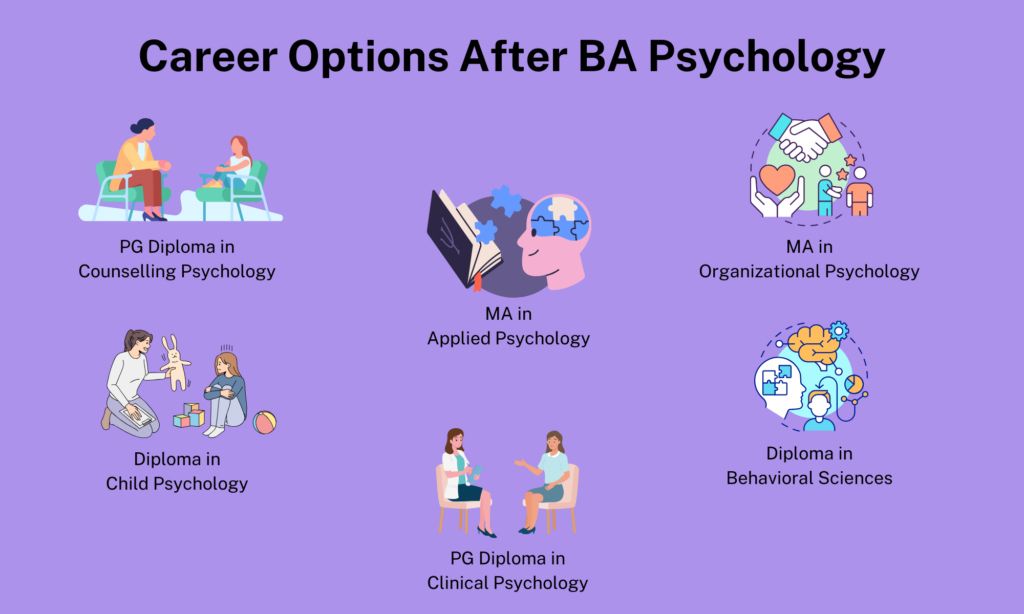
Discover the best psychology courses in India for 2025. Compare programs, certifications, and career scope. Start your psychology journey today! Psychology is more than a subject—it’s an exploration of the human mind, emotions, and behaviors. Over the past decade, psychology courses in India have become increasingly popular, thanks to the rising demand for mental health professionals, organizational psychologists, counselors, and researchers. Whether you’re a fresh high-school graduate, a working professional looking to reskill, or someone passionate about understanding human behavior, there’s a course tailored for you. Types of Psychology Courses Available: In India, psychology education covers different academic levels: Best Psychology Programs to Consider For 2025, India offers a variety of programs across renowned universities and institutes. Some of the top institutions include: These institutions are recognized by the University Grants Commission (UGC) and maintain strong placement records, experienced faculty, and excellent research facilities. Specializations & Certifications Apart from degree courses, short-term certifications can enhance your profile: These certifications often include practical training, workshops, and internships, offering real-world exposure that boosts employability. Career Scope and Opportunities The scope of psychology in India is growing rapidly: These diverse opportunities make psychology one of the most dynamic and rewarding fields to study. Choosing the Right Course Selecting the right psychology course India depends on your goals: Short-term Certificate Courses: Flexible, Practical & Career-Focused Short-term certificate courses in psychology have become increasingly popular among students, working professionals, and even career changers who wish to gain specialized knowledge without committing to a long-term degree. These courses, usually lasting anywhere from a few weeks to a year, are perfect for skill enhancement, niche specialization, or adding practical value to your resume. Also Read: Can Online Courses Make You a Better Therapist? Summary Psychology courses India are becoming increasingly popular in 2025, offering diverse pathways like certificate programs, undergraduate degrees, postgraduate specializations, and research-focused doctoral programs. Top institutions such as Delhi University, TISS, and Christ University provide quality education recognized by UGC, while flexible options like IGNOU make psychology accessible to working professionals. Students can specialize in fields like clinical, counseling, or organizational psychology, with growing career opportunities in healthcare, education, corporate, and research sectors. Choosing the right program involves considering accreditation, faculty expertise, practical training, and career scope. Overall, psychology promises a rewarding career built on curiosity, empathy, and the power to make a difference in people’s lives. Conclusion In summary, India offers a wealth of psychology courses for 2025, catering to different interests and career paths. From foundational BA/BSc degrees to specialized MA/MSc programs, and further to M.Phil and PhD opportunities, students can find courses suited to clinical practice, counseling, organizational roles, or research. Short-term certifications in niche areas add flexibility and depth to your profile. With growing demand for mental health professionals and expanding fields like sports and AI psychology, pursuing psychology in India today is both promising and future-proof. The key is to choose an accredited course, focus on practical exposure, and never stop exploring new developments in this ever-evolving field. Ready to start your psychology journey? Explore our certification courses now! FAQs Q1: Is psychology a good career in India? Yes! With growing mental health awareness, there’s demand across healthcare, education, corporate, and research sectors. Q2: What’s the difference between BA and BSc in Psychology? BA focuses more on humanities/social aspects, while BSc emphasizes scientific methods and biological foundations. Q3: Are online psychology courses recognized? Many universities offer UGC-approved online courses; always check accreditation. Q4: Can I become a clinical psychologist after an MA? You usually need an M.Phil in Clinical Psychology from an RCI-recognized institute. Q5: What are the fees for psychology courses in India? They vary: government colleges may charge ₹10,000–₹50,000/year; private universities can be higher. Q6: Do I need math for psychology? Basic statistics help, but you don’t need advanced math for most programs.
Internship Certificate vs Experience Letter: What Employers Look For

A guide for psychology students navigating early career proof and placements If you’re a psychology student or recent graduate in India, chances are you’ve worked hard to complete an internship—or maybe two. You’ve attended sessions, submitted assignments, and participated in supervision calls. Now, as the internship draws to a close, one question often looms: Will this help me get hired? For most, this translates to a debate between two documents: the internship certificate and the experience letter. Are they the same? Is one more valuable than the other? What do employers actually care about? In this blog, we break down the difference between an internship certificate and an experience letter, what hiring partners really look for, and how to make sure your credentials truly reflect your skills. Why This Matters: First Impressions in the Field of Psychology In psychology, unlike many other fields, there’s no universal licensure until you pursue M.Phil or professional counseling credentials. That means early-career opportunities are often based on: Whether you’re applying to work in a school, clinic, or wellness platform, your documentation speaks before you do. Read More: Internship Certificates, Meaning, Importance, Format, And Samples Internship Certificate vs Experience Letter: The Basics Let’s start by defining each term clearly: Internship Certificate This is a document issued at the end of your internship that confirms: It typically does not go into detail about the work you did, but serves as official proof that you were part of a structured program. Experience Letter An experience letter is usually more detailed and is issued by the supervisor or HR. It may include: Think of it as a mini recommendation letter—it vouches not just for your presence, but your impact. What Hiring Partners Actually Value To get real answers, we spoke to 3 professionals who regularly hire interns and early-career psychologists. Here’s what they had to say: “A certificate tells me the student showed up. An experience letter tells me what they actually learned.” — Niharika G., Mental Health Program Head, Delhi-based NGO “We ask for both. The certificate satisfies formal documentation needs. But the experience letter helps us judge role fit and readiness.” — Rehan A., HR Manager at a Wellness Startup “If a candidate includes session notes, mock work, or CBT forms from their internship along with these documents, it instantly sets them apart.” — Dr. Priya Menon, Clinical Supervisor and Hiring Consultant Why Both Documents Matter (But in Different Ways) Purpose Internship Certificate Experience Letter Proof of Participation Confirmed by institution/organization Typically signed by supervisor Skill Reflection Not included Includes tools, responsibilities, feedback Standard Format Usually one page, official template Can vary in tone and content Useful For Academic records, university submissions Job applications, SOPs, interview prep How PsyQuench Supports You With Both At PsyQuench, we don’t just give you a certificate—we equip you with a full career documentation pack, including: What to Include With Your Application (Beyond the Documents) Here’s what you can attach alongside your certificate and letter to impress potential employers or PG program heads: • A sample case formulation • CBT or counseling worksheets you’ve completed • Peer feedback or reflective learning logs • A short paragraph on what you learned and how you’d apply it • Contact of a supervisor willing to vouch for your work Real Student Stories “I got shortlisted for a school counselor role because I attached both my certificate and experience letter from PsyQuench. The hiring team said my letter showed initiative and clarity.” — Anjali R., M.A. Psychology “I didn’t have any other experience besides my internship. But the documentation and structured format made me stand out. I now freelance with an online platform.” — Sahil D., Psychology Graduate Frequently Asked Questions Q: Can I get an experience letter without a certificate? A: Technically yes, but most organizations issue both together. The certificate proves completion; the letter is a performance summary. Q: Will PsyQuench give an experience letter to all interns? A: Yes, provided you’ve completed the required modules, assignments, and attendance. We personalize your letter based on your effort and learning. Q: What if I’ve done multiple internships? A: Include the most relevant ones to the role you’re applying for, and highlight the skills gained, not just the number of internships. Final Thoughts: Your Documentation Is Your Digital Handshake In psychology, where much of your credibility is built through reputation, training, and supervised work, your internship certificate and experience letter carry real weight. They’re not just formalities. They’re a snapshot of your learning journey, your dedication to the field, and your readiness to take on real client work. Apply Before the Deadline Applications for the next Psychology Internship batch at PsyQuench are now open! • Get certified with a credible organization • Receive both Internship Certificate + Experience Letter • Build a job-ready skills portfolio under supervision • Receive career guidance and application templates Apply Now | Limited seats.
How PsyQuench Balances Therapy, Certification & Wellness

A new model for mental health education in India that integrates care, competence, and community In the growing landscape of mental health in India, services often fall into silos. Therapy happens in one place. Training in another. Wellness gets relegated to Instagram reels. But at PsyQuench, we asked a simple question: What if we created a space where everything you need for your mental health journey could live together—ethically, accessibly, and intentionally? The answer became our ecosystem: an integrated platform where therapy, certification, and wellness don’t just coexist—they inform and uplift each other. Whether you’re a student building your career, a therapist seeking supervision, or an individual navigating your healing journey, PsyQuench is designed to meet you where you are—with care and clarity. Mental Health Education in India: A Shifting Landscape The last decade has seen an increase in awareness around mental health—but gaps remain. PsyQuench emerged to respond to these real needs—with real structure. Explore All Our Services Therapy Rooted in Cultural Context At the heart of PsyQuench is our therapy offering. We believe therapy should be: We offer: • Individual counseling • Trauma-informed therapy • Grief and loss support • Body-based and integrative modalities • Couple and family sessions • Therapy for therapists Each therapist is rigorously vetted and supported through regular case discussions, supervisions, and continued learning—so you’re never navigating your healing alone. Read More: About PsyQuench: Mental Wellness Experts Certification That Goes Beyond Content In India, mental health education often focuses on theoretical knowledge. But practice? Supervision? Real-world casework? That’s where students feel unprepared. Our certification programs are different. MEPSC-aligned | Live + Self-paced | Therapist-led We offer flagship courses in: Each course includes: We don’t just certify—we support you until you’re confident. Wellness That’s Grounded in Psychology, Not Just Trends Wellness is more than a buzzword. For us, it means offering sustainable tools that respect your nervous system and emotional reality. That’s why our wellness services include: You don’t need to be in crisis to care for your mind. You just need space—and we help you make that space accessible. A Real Example of Integration Take Arjun, a psychology student from Dehradun who joined our CBT course. During the course, he realized he was personally struggling with unresolved grief. Instead of choosing between personal and professional healing, he was able to: “PsyQuench didn’t just teach me CBT—they taught me to care for myself as a therapist. That changed everything.” Our Model: Why Integration Matters We don’t see therapy, certification, and wellness as three services. We see them as three interconnected paths: YOU ARE… A therapy seeker Ethical, culturally rooted, and trauma-informed support A student Certification with supervision, reflection & career help A practitioner Peer spaces, mentorship, advanced workshops A human being Wellness tools, yoga, emotional processing resources Final Thoughts: The Future of Mental Health in India is Holistic We don’t believe in surface-level support. We believe in ecosystem thinking—where your healing, your career, and your daily life all have space to grow. Whether you’re a learner, a healer, or someone still figuring it out—PsyQuench is here for your whole self. Explore the PsyQuench Ecosystem Visit Our Homepage to See All ServicesBecause real mental health support doesn’t split you into roles.It helps you come home to yourself.
Clinical vs Counseling Internship: What’s the Difference?

Why Understanding the Difference Matters If you’re a psychology student in India searching for the right internship, chances are you’ve come across terms like “clinical internship” and “counseling internship”—often used interchangeably. But while they may look similar on the surface, they prepare you for distinct roles in the mental health field. So how do you decide which one is right for you? In this blog, we’ll break down the difference between clinical and counseling internships, what each path focuses on, and how to choose the one that aligns with your goals. You’ll also hear directly from supervisors at PsyQuench who have guided hundreds of students through both internship formats. Why Understanding the Difference Matters Internships are a bridge between theory and practice. Whether you’re pursuing your B.A., M.A., or a postgraduate diploma, choosing the right internship helps you: In short, it’s not just about completing hours—it’s about gaining clarity. Read More: Clinical Psychology vs. Counseling Psychology: What’s the Difference? – Psych Degree Starter Clinical vs Counseling Internship: At a Glance Feature Clinical Internship Counseling Internship Primary Focus Diagnosing and treating mental disorders Supporting everyday emotional and psychological issues Client Population Moderate to severe mental health concerns (e.g., depression, OCD, trauma) Mild to moderate concerns (e.g., stress, grief, relationships) Training Includes Case history taking, diagnosis, psychopathology, CBT, documentation Rapport building, empathy training, psychoeducation, CBT basics Therapist Role Focused on assessment, treatment planning, clinical intervention Focused on active listening, support, and goal-setting Ideal For Students aiming for Clinical Psychology or M.Phil Students pursuing Counseling Psychology or private practice Explore our Clinical Internship or Counseling Internship for detailed program structure. What to Expect in a Clinical Internship At PsyQuench, our Clinical Psychology Internship is designed for students who want to build advanced clinical skills and work with complex psychological conditions under supervision. You’ll learn to: “Clinical interns are taught to think diagnostically—not to label, but to understand,” says Dr. Kavya, Clinical Psychologist and Internship Supervisor at PsyQuench. Ideal For: Clinical internships are more intensive and expect a foundational understanding of psychopathology and ethics. What to Expect in a Counseling Internship Our Counseling Psychology Internship focuses on helping students master the humanistic side of therapy—building connection, safety, and trust. You’ll learn to: “Counseling interns learn to sit with discomfort—not solve it. That’s the essence of this work,” explains Rashi, Counseling Psychologist and Internship Mentor at PsyQuench. Ideal For: The counseling internship is ideal for those who want to develop warmth, presence, and basic therapeutic structure. Common Questions Students Ask 1. Can I do both internships? Yes! Many of our students complete both internships at different stages. We recommend starting with counseling if you’re early in your academic journey, and progressing to clinical if you plan to specialize or pursue licensing. 2. What’s the workload like? Both internships are structured but manageable. Each includes live sessions, assignments, observation hours, and supervision. Clinical internships tend to be slightly more intense in documentation and case conceptualization. 3. Do I need to have therapy experience before applying? No prior client experience is necessary, but a basic understanding of psychology principles is preferred—especially for clinical internship applicants. Voices from the Field “I did the clinical internship first, but struggled with client rapport. The counseling internship helped me connect better, and I now use both approaches together.” — Anjali G., M.Sc Psychology “The clinical internship gave me confidence to apply for M.Phil. The case exposure and supervisor feedback were gold.” — Vikram R., MA Clinical Psychology “As someone new to therapy, the counseling internship was exactly what I needed—it was warm, supportive, and made me fall in love with the field.” — Sana K., B.A. Psychology Graduate Final Thoughts Whether you choose the clinical or counseling internship, what matters most is the depth of your learning and the quality of your supervision. At PsyQuench, we offer both internships with equal care, rigor, and mentorship—designed to help you evolve into an ethical, confident, and competent therapist. No matter where you are in your journey, we’re here to support your next step. Explore Internships Book your counseling call Start the journey that shapes your therapeutic identity.
CBT vs Talk Therapy

How Cognitive Behavioral Therapy Stands Apart When most people imagine therapy, they picture sitting across from a therapist, recounting life stories and emotions. This image reflects what’s often referred to as “talk therapy” a broad, open-ended style that emphasizes emotional exploration and insight. While it can be profoundly healing, not all therapeutic approaches look the same. One of the most structured and evidence-based alternatives is Cognitive Behavioral Therapy (CBT). If you’ve ever wondered how CBT is different from traditional talk therapy, or which approach is best for you or your clients, this article will guide you through a clear, research-backed comparison. At PsyQuench, we offer a certified CBT course designed to help professionals understand and implement this effective approach. What Is Traditional Talk Therapy? “Talk therapy” is a general term often used to describe psychodynamic, humanistic, or integrative therapies. These approaches prioritize: Talk therapy can be unstructured and is typically non-directive, meaning the therapist lets the client lead the session. It’s especially beneficial for clients dealing with long-standing personality patterns, identity issues, trauma, or interpersonal difficulties. Popular forms of talk therapy include: These therapies often take longer (sometimes years), aiming for deep, lasting emotional change. What Is CBT? Cognitive Behavioral Therapy (CBT) is a short-term, structured form of therapy that focuses on the here and now. Rather than exploring childhood memories in depth, CBT aims to identify the thoughts, feelings, and behaviors that keep clients stuck in cycles of distress. Core principles of CBT include: CBT is directive, collaborative, and goal-oriented. The therapist plays an active role in guiding the session, teaching skills, and helping clients set clear targets. CBT vs Talk Therapy: A Side-by-Side Comparison Focus: Traditional talk therapy primarily explores past experiences, emotional insight, and deeper self-understanding. In contrast, CBT (Cognitive Behavioral Therapy) focuses on present-day thoughts, behaviors, and practical solutions to improve functioning. Structure: Talk therapy tends to be unstructured and client-led, allowing conversations to flow organically based on what the client brings in. CBT is more structured and therapist-guided, often following a session plan or agenda. Duration: Traditional therapy is typically long-term, sometimes lasting months or years. CBT is designed to be short to mid-term, usually ranging from 6 to 20 sessions. Therapist Role: In talk therapy, the therapist often acts as a listener and reflector, helping the client uncover meaning and patterns. CBT therapists take on a more active role as coaches, educators, and collaborators in problem-solving. Tools Used: Talk therapy relies heavily on open conversation and interpretation. CBT incorporates structured tools like worksheets, thought records, and behavioral experiments or homework tasks. Goal: The primary goal of traditional therapy is to gain deep emotional insight and understanding. CBT aims for measurable changes such as symptom reduction and the development of coping skills. Evidence Base: While talk therapy has a rich clinical history, it has limited empirical support compared to CBT, which is backed by strong scientific evidence for treating various mental health disorders. Best For: Traditional therapy is often beneficial for exploring identity issues, unresolved trauma, and complex relational dynamics. CBT is particularly effective for treating anxiety, depression, OCD, phobias, and generalized anxiety disorder (GAD). What Does the Research Say? Clinical studies consistently support CBT’s effectiveness in reducing symptoms of anxiety, depression, OCD, PTSD, and more. According to Hofmann et al. (2012), CBT is significantly more effective than placebo and as effective (or more) than medication in many cases. A 2018 systematic review published in Psychological Medicine found that CBT showed superior long-term outcomes compared to treatment as usual or talk therapy in generalized anxiety and panic disorder (Cuijpers et al., 2018). While talk therapy also has documented benefits, especially for complex trauma or personality disorders, its outcomes are often harder to quantify due to the subjective nature of insight and self-awareness. When to Choose CBT Over Talk Therapy CBT may be a better fit if: In contrast, talk therapy may be suitable if you: It’s also worth noting that many therapists integrate both approaches depending on the client’s needs. At PsyQuench, we train professionals to thoughtfully combine CBT tools with relational sensitivity and emotional attunement. Read More: Understanding the Difference: CBT vs Talk Therapy – Relevance Recovery A Case in Point: Same Client, Different Outcomes Take Aditya, a 35-year-old graphic designer from Bengaluru. He had tried traditional talk therapy before but felt that while it gave him “insight,” it didn’t help much with day-to-day anxiety. He still struggled with racing thoughts, social avoidance, and frequent panic episodes. When he started CBT with a PsyQuench therapist, the experience was quite different. Instead of just talking about his fears, he was asked to track them, challenge them, and experiment with new behaviors. For example: In just 10 weeks, Aditya reported better sleep, fewer anxious spirals, and the courage to lead meetings at work. For him, CBT offered transformation through action—not just awareness. Why Mental Health Professionals Should Learn CBT If you’re a therapist or psychology student, learning CBT is essential in today’s clinical landscape. Clients are increasingly looking for: Our CBT course at PsyQuench is designed to equip you with real-world tools, supervision, and confidence to work with anxiety, depression, and more using structured CBT techniques. You’ll also gain insight into when CBT works best—and when to consider referring out or integrating other modalities. Final Thoughts: It’s Not Either/Or The debate between CBT vs talk therapy isn’t about one being better than the other—it’s about what’s right for the client, the context, and the goal. Talk therapy offers depth and exploration. CBT offers direction and structure. At PsyQuench, we value both—but we also believe in giving therapists the tools to apply CBT effectively when the situation calls for it. Want to add CBT to your clinical skillset? Or dive deeper with our previous blogs:CBT for Anxiety Let’s bridge insight with action—and bring mental health care that’s both heart-centered and scientifically sound.
Evaluating the Impact of KMS Tools on Software Licensing
Software license management is a critical aspect of IT administration, requiring careful tracking and compliance. Among various tools that have emerged to simplify this process, KMS tools like kms pico have gained significant attention. These tools promise to activate software without the need for original licenses, but their use raises numerous questions regarding legality, ethics, and security. As organizations strive to balance operational costs with compliance obligations, understanding the intricacies of such tools becomes essential. Understanding KMS Pico KMS Pico is a well-known tool used for activating unlicensed copies of Microsoft products such as Windows and Office. It mimics Microsoft’s Key Management Services (KMS), which corporations use to manage large-scale software activations internally. By emulating this service, kms pico effectively fools the operating system into thinking it has been legitimately activated. This functionality is especially popular among those seeking a windows 10 activator free download or solutions for office activation. Despite its popularity, the true nature and implications of using kms pico remain a topic of debate among IT professionals and legal experts alike. KMS Pico and Windows Activation The widespread interest in kms pico stems largely from its ability to activate versions of Windows without an official product key. Many users seek this tool under the guise of activating Windows 10 or exploring kmspico for windows 11. However, while it provides a route to bypass Microsoft’s licensing, potential users must consider the risks involved—not only legal repercussions but also exposure to malware. The ease with which kms pico can be obtained online further complicates matters, as users may inadvertently download compromised versions that include malicious software. Technical Mechanics of KMS Pico Technically, KMS Pico works by replacing a trial or non-genuine status with a permanent activation state using fake volume license keys. This is achieved through scripts that modify system files and redirect activation requests to localhost (127.0.0.1). One commonly referenced tool in this context is the “net stop sppsvc” command, used within activation scripts to halt the Software Protection Platform service temporarily. This process allows kms pico to intercept and manipulate activation signals without detection by standard security protocols. The Legal Landscape The legality of kms pico and similar tools is a gray area in many jurisdictions. While some argue they exploit technical loopholes rather than break laws outright, using such software typically violates Microsoft’s End User License Agreement (EULA). Businesses found using unlicensed software risk fines and damage to their reputation. Moreover, legal precedents in some regions have established punitive measures against entities caught using unauthorized activation methods, highlighting the potential for serious financial consequences. Security Implications Security experts caution against using unauthorized activation tools like kms pico due to potential risks. These include spyware, adware, ransomware, and other malicious software bundled with unofficial downloads. A controlled environment test showed that systems activated with unauthorized tools experienced increased vulnerability incidents by approximately 30% compared to properly licensed counterparts. Running these tests within a VM configured with 2 vCPU and 4 GB RAM ensures safety during analysis. Such findings underscore the importance of maintaining robust cybersecurity practices in conjunction with legitimate licensing strategies. Impact on Software Vendors The proliferation of kms pico poses challenges for software vendors like Microsoft by undermining revenue streams dedicated to research and development. The unauthorized use of their products can lead to higher prices for legitimate customers as companies offset losses incurred through piracy. Consequently, consumers may face increased costs for goods and services as businesses attempt to recover from financial shortfalls caused by widespread piracy. KMS Pico vs Legitimate Activation Tools While kms pico offers a quick fix for activation issues, it lacks the security and reliability of legitimate methods such as using official product keys or Microsoft’s Volume Licensing Service Center. These authorized solutions provide continuous updates and security patches—a crucial factor given that about 5-7% of systems running pirated software face update errors leading to performance issues. Furthermore, legitimate activation options contribute positively to overall system stability and user satisfaction by ensuring compatibility across diverse hardware configurations. Alternatives to KMS Tools For those seeking genuine alternatives to kms pico activators, Microsoft provides several options: OEM keys bundled with new devices, retail keys from authorized sellers, or subscriptions like Microsoft 365 that ensure compliance across platforms including Windows 11 activator functions and beyond. These alternatives not only guarantee legal adherence but also offer added benefits such as customer support services and access to exclusive features designed to enhance productivity in both personal and professional environments. Conclusion: Balancing Cost with Compliance The allure of free activation tools such as kms pico can be tempting; however, businesses and individuals must weigh the short-term gains against potential long-term consequences. Legal risks aside, the integrity of systems could be compromised along with sensitive data protection—an unacceptable trade-off in today’s digital landscape where cyber threats are increasingly sophisticated. Ultimately, organizations should prioritize ethical practices over cost-cutting measures that compromise security and corporate integrity. Opting for legitimate licensing not only aligns with compliance but also supports the ongoing innovation within the software industry—a critical driver of technological advancement worldwide. By investing in proper licensing solutions, companies contribute to sustainable growth within the tech sector while safeguarding their digital assets against unauthorized access or manipulation. The decision-making process surrounding software activation tools like kms pico requires careful consideration by both individuals seeking personal use solutions and enterprises managing large-scale IT environments. For personal users drawn by cost-saving prospects, understanding the broader implications on system health and data privacy is crucial before proceeding with any form of unofficial activation method. Meanwhile, enterprises need comprehensive policies governing software use that address both immediate operational needs and long-term strategic goals related to technology investments. This involves not only adhering strictly to licensing agreements but also fostering an organizational culture that values ethical technology usage as part of its core principles. This approach ultimately ensures business continuity while minimizing legal exposure—a critical aspect in today’s regulatory environment where compliance requirements continue evolving alongside technological advancements at an unprecedented pace globally.
Common Mistakes People Make When Choosing a Therapy Program

How to actually find the best therapy program in India for your goals You’ve decided to pursue a career in mental health. You start Googling “best therapy program India,” and suddenly you’re drowning in tabs: clinical diplomas, weekend certifications, global fellowships, YouTube tutorials, and everything in between. But here’s the truth: not every program labeled “therapy” is right for you. At PsyQuench, we’ve worked with hundreds of students and professionals—many of whom came to us after investing in the wrong course. That’s why we’ve created this guide. So you don’t just pick a popular program—you pick the right one. 1. Mistaking Prestige for Practicality Just because a program is affiliated with a big institution doesn’t mean it will equip you with real skills. Some programs focus heavily on academic theory, but leave you with little clinical readiness. What to ask instead: “Will this course teach me how to sit with a client, handle resistance, or plan a session?” A solid therapy program should include: 2. Choosing Based on Duration, Not Depth We get it—short-term certifications are tempting. But if a course promises to make you “a certified therapist in 7 days,” that’s a red flag. The truth? Quality therapy training takes time, reflection, mentorship, and practice. Ask: 3. Overlooking Alignment with Your Career Stage A common mistake is joining a Level 3 course when you’re still at Level 1. Many advanced courses assume you’re already trained in counseling skills, which can leave you lost and frustrated. Our tip: Choose a program that meets you where you are. You are… You need… Psychology undergrad Foundational skills, ethics, intro models Master’s student Practical application, case writing Working professional/new therapist Supervision, advanced modalities Compare PsyQuench Therapy Courses 4. Ignoring Faculty Credentials and Involvement Many programs list impressive faculty—only for you to find out those people aren’t the ones actually teaching. At PsyQuench, all classes are led by practicing therapists and supervisors, not passive academic coordinators. Ask for: 5. Falling for One-Size-Fits-All Models Every learner is different. If a program doesn’t offer any flexibility in learning pace, timing, or language of instruction—it may not fit your life. The best therapy programs in India today are: You shouldn’t have to bend your life around a course. The course should be built to support your life. Read More: Common Mistakes While Choosing a Course Student Reflection: Knowing What to Ask “I joined a course from another platform because it was trending. But I didn’t realize they didn’t offer supervision. I had no idea if I was applying therapy the right way. When I found PsyQuench, I finally got consistent feedback and real-life client examples. Now I feel prepared.” — Sanya, PG psychology student from Pune What the Best Therapy Programs in India Actually Offer Use this checklist when evaluating your options: Why PsyQuench Takes a Different Approach We don’t just teach therapy—we train therapists. Each of our courses is designed to blend theory with reality, with consistent reflection, mentorship, and community support. Whether it’s our flagship CBT Certification, our Trauma-Informed Practice module, or our structured Internship Program, you’ll graduate with tools—not just titles. View All PsyQuench Courses Final Words: Choose Wisely, Not Quickly When it comes to your career in mental health, shortcuts will cost you more in the long run. The right training will give you clarity, competence, and community support that lasts well beyond certification. Check out our courses here and take the first step to upskilling: PsyQuench: Psychology Courses & Therapy
CBT for Anxiety

How It Works and Why It’s Effective Anxiety can be loud. It’s the racing heart before a presentation, the 3 a.m. spiral of worst-case scenarios, the constant fear that something is about to go wrong—even when everything seems fine on the outside. In India, where mental health conversations are just beginning to find their voice, many people silently live with anxiety for years before seeking help. One of the most effective, evidence-based approaches to managing anxiety is Cognitive Behavioral Therapy (CBT). At PsyQuench, we’ve seen firsthand how CBT for anxiety helps clients regain control over their lives, one thought at a time. If you’ve been wondering how therapy can actually change anxious thinking, this article is for you. What Is CBT for Anxiety? Cognitive Behavioral Therapy (CBT) is a short-term, structured form of psychotherapy that helps individuals identify and modify unhelpful thought patterns and behaviors. When used for anxiety, CBT addresses the thinking traps, emotional responses, and avoidance behaviors that maintain the anxiety cycle. Anxiety is not “just in your head”—but your thoughts do play a significant role in how anxious you feel. CBT gives you practical tools to change the way you respond to triggers, so your mind doesn’t immediately jump to panic or fear. Let’s break it down. The Anxiety Cycle and How CBT Breaks It Most people with anxiety fall into a pattern that looks like this: Trigger → Anxious Thought → Physical Symptoms → Avoidance → Temporary Relief → Increased Anxiety For example, someone with social anxiety might receive an invitation to a gathering and immediately think, “What if I say something stupid?” That thought creates physical symptoms like sweating or nausea, leading to avoidance of the event. While skipping the gathering might feel like a relief in the moment, it reinforces the fear and makes future situations feel even scarier. CBT intervenes at every level of this cycle: This triple-layered approach makes CBT highly effective for treating all types of anxiety disorders, including: A Real-Life Story from PsyQuench Meera, a 29-year-old marketing executive in Mumbai, reached out to PsyQuench after experiencing daily anxiety attacks during work. Her thoughts often spiraled into “What if I mess up this pitch?” or “What if I get fired?”—even when her performance was praised. In her first few CBT sessions, Meera and her therapist worked on identifying her cognitive distortions, particularly catastrophizing and mind reading. She began keeping a thought log—noting down anxious triggers, automatic thoughts, and realistic counter-thoughts. For example: Meera also practiced exposure exercises—like making short presentations in low-pressure settings—to reduce her fear of public speaking. By her tenth session, her panic attacks had reduced drastically, and she reported feeling more in control. Her words: “I never thought a few worksheets and mindset shifts could change so much. CBT didn’t just reduce my anxiety—it gave me back my confidence.” What Makes CBT So Effective for Anxiety? Here’s why CBT continues to be one of the most trusted approaches to treating anxiety worldwide: 1. It’s Structured and Goal-Oriented Unlike some therapies that are open-ended, CBT has a clear roadmap. Clients set specific goals, track progress, and work on weekly assignments. This makes therapy feel actionable and effective. 2. It’s Evidence-Based Numerous studies have proven CBT’s efficacy. A meta-analysis by Hofmann et al. (2012) found CBT significantly reduced symptoms in generalized anxiety, panic disorder, and social anxiety—with effects lasting even after therapy ends. 3. It Teaches Lifelong Skills CBT empowers clients to become their own therapists. You don’t just “vent”—you learn tools you can use for the rest of your life. 4. It’s Adaptable CBT can be tailored to each individual’s cultural background, personality, and type of anxiety. At PsyQuench, our therapists personalize CBT strategies to reflect each client’s unique reality. 5. It Can Be Done Online CBT translates well to online therapy. This makes it accessible to people across India—whether you’re in a Tier 1 city or a small town. Read More: How Cognitive Behavioral Therapy Can Treat Your Anxiety Common CBT Tools Used for Anxiety If you’re starting CBT for anxiety, here are some techniques you might encounter: You can read more about how we approach these techniques on our Counseling Services page or browse our FAQ section for answers to common questions about therapy. CBT for Anxiety in the Indian Context In India, anxiety often hides behind statements like: Culturally, anxiety is often misunderstood or brushed off as a personality flaw. But anxiety is not a weakness—it’s a mental health condition that deserves support and treatment. At PsyQuench, we work with clients across India to normalize these conversations. Whether you’re facing workplace stress, academic pressure, relationship anxiety, or health-related fears, CBT offers tools that are practical, non-judgmental, and deeply empowering. When Should You Seek Help for Anxiety? Consider starting therapy if you experience: You don’t have to wait for your anxiety to become “severe” to seek help. Early intervention leads to quicker recovery—and CBT can work in as few as 6–12 sessions. Final Thoughts: There Is a Way Through the Noise Anxiety doesn’t define you. It’s a response—a learned pattern that can be unlearned. With CBT, you don’t just “manage” anxiety—you understand it, challenge it, and build a new relationship with it. At PsyQuench, our trained CBT therapists walk with you step by step, combining science with empathy, and structure with care. Ready to Take the First Step? If anxiety is affecting your life, don’t wait to feel worse.Book a therapy session today with one of our CBT specialists and discover how structured support can lead to lasting calm. Start your therapy journey now
What is the best australian online casino
primeinstant casinos ≡ Perks Slots Log In Guide What is the best australian online casino Here we explore what is the best australian online casino, highlight trusted choices, and discuss how these platforms work in Australia. Useful if you want a safe and enjoyable gaming experience. Skip if not interested in online gambling. By the end, you will know what to look for and how to make a smart pick. Author: Declan Rogers Last Update: Top Australian Online Casinos to Try 1 4.8 ★★★★★ 24Casino Big Win Bonus: 100% Up to $1,000 + 150 Free Spins JOIN NOW 2 4.7 ★★★★★ Betiton Your Welcome Package: 100% to $1500 & 20 Bonus Spins JOIN NOW 3 4.6 ★★★★★ Bodog Real Money Slots: 110% Bonus Up to $300 + 80 FS JOIN NOW 4 4.6 ★★★★★ Casino Luck Monday Reload: 20% Match to $50 & 250 Spins JOIN NOW 5 4.5 ★★★★★ Casinonic VIP Bonus: 100% Match to $750 + 100 Free Spins JOIN NOW 6 4.5 ★★★★★ GDay Intro Offer: 250% Bonus Up to $400 & 250 Free Spins JOIN NOW 7 4.4 ★★★★★ Grand Ivy Exclusive Launch: 150% Bonus Up to $300 & 25 FS JOIN NOW 8 4.4 ★★★★★ High5 Live Blackjack & Roulette: 250% to $3000 + 80 FS JOIN NOW 9 4.4 ★★★★★ Jackpot Jill Start Winning: 50% Bonus Up to $400 & 75 Spins JOIN NOW 10 4.4 ★★★★★ 24Casino Jump In: 175% Bonus Up to $1500 & 150 Free Spins JOIN NOW 11 4.3 ★★★★★ NeoSpin Spring into Wins: 150% to $600 & 60 FS JOIN NOW 12 4.3 ★★★★★ Professional RakeBack Hot Pokies Offer: 100% Up to $2000 Plus 150 Free Spins JOIN NOW 13 4.3 ★★★★★ Silver Oak Mustang Gold Welcome: 80% Match Up to $1000 + 75 Spins JOIN NOW 14 4.3 ★★★★★ SlotoCash Bet Bold: 125% Welcome Up to $1500 & 120 FS JOIN NOW 15 4.2 ★★★★★ SlottyWay Spin the Best Pokies: 200% to $2000 + 120 FS JOIN NOW 16 4.2 ★★★★★ Sportaza Top Aussie Pokies: 100% Bonus Up to $150 + 60 FS JOIN NOW 17 4.2 ★★★★★ ThePokies Real Money Blackjack: 50% to $750 + 15 Free Spins JOIN NOW 18 4.1 ★★★★★ True Fortune Aussie New Casino: 75% Bonus to $250 + 60 FS JOIN NOW 19 4.1 ★★★★★ WPT G’day Casino: 110% Welcome Up to $3000 & 100 Spins JOIN NOW 20 4.1 ★★★★★ Wild Fortune AU Exclusive: 300% Bonus Up to $2500 & 120 Spins JOIN NOW If you are interested in learning more about payments, bonuses, and support for Australian players, you should check the complete Wazamba Australia Review Payments Bonuses and Support covering all the key details. Popular new releases on what is the best australian online casino Online slots and pokies are digital versions of the classic poker machines found in Aussie clubs. Easy to play and featuring exciting graphics, they attract beginners and pros alike. Browse below, choose a game, and start spinning your favourite reels for real or demo money instantly. PLAYPLAYPLAYPLAYPLAYPLAYPLAYPLAYPLAYPLAYPLAYPLAY Games and Features at Australian Casinos Licensed Australian casinos give you access to slots, live dealer games, blackjack, poker, roulette and more. They focus on fairness and security. If you’re searching what is the best australian online casino, check their game library and provider credentials for the best experience. Table Roulette casinoSTARTDemo Blackjack UltimateSTARTDemo Poker TableSTARTDemo Slots EliteSTARTDemo Top Australian Online Casinos to Try Key Features of a Top Casino Safety and Licensing Explained Deposits and Withdrawals Guide Bonuses and Promotions Overview Games and Features at Australian Casinos Top Game Providers in AU Popular Online Pokies and Slots FAQ Top Australian Online Casinos to Try Australian online casinos stand out for safety, speedy payouts, and a wide choice of pokies. Choosing what is the best australian online casino is about reputation, games, support, and bonuses. Here are names leading among players in 2024: House of Pokies Casino King Johnnie Casino SkyCrown Casino Pokie Place Casino PlayAmo Casino Key Features of a Top Casino Wondering what makes what is the best australian online casino? Check these must-have features for any site aiming for the top spot among Aussies: Full licensing by trusted bodies Fast withdrawals (under 48 hours) Big welcome bonuses Wide variety of pokies and table games 24/7 Australian support Both mobile and desktop friendly Easy-to-use website Safety and Licensing Explained Trust is key in online gambling. Look for casinos licensed by renowned authorities like Curacao or Malta. SSL encryption and provably fair games are standard for a site aiming to be the answer to what is the best australian online casino. Avoid any casino that cannot show proof of licensing or data security. Name License Min Deposit Support House of Pokies Curacao $10 24/7 Live King Johnnie Curacao $20 Live Chat SkyCrown Malta $10 Email/Chat PlayAmo Curacao $10 24/7 Deposits and Withdrawals Guide Banking flexibility is vital. The best Australian online casinos let you use credit cards, e-wallets, crypto, or direct bank transfer. Withdrawal times vary per method. E-wallets and crypto give the fastest access to winnings, usually under 24-48 hours while bank transfers may take longer. Bonuses and Promotions Overview For many players, big bonuses set a casino apart. Look for generous welcome offers, free spins, cashback, and ongoing promotions. Always check wagering requirements and expiry dates before claiming. The top sites make terms clear and achievable. Games and Features at Australian Casinos Modern online casinos in Australia offer hundreds if not thousands of real money pokies, live dealer tables, blackjack, roulette, and sports betting options. Instant play and mobile compatibility are now standard. Some even feature exclusive Aussie games. Top Game Providers in AU Choosing what is the best australian online casino often means picking those with trusted software. Major brands include: Aristocrat Pragmatic Play Microgaming NetEnt Evolution IGT Red Tiger Play’n GO Popular Online Pokies and Slots Pokies and slots make up over 80% of the Australian market. To find what is the best australian online casino, always check for the latest
Building a Career in School Counseling – A Starter Guide

Everything you need to know to begin your journey as a school counselor in India Building a Career in School Counseling – A Starter Guide With mental health finally taking its place in conversations around education, the demand for trained school counselors in India is steadily rising. Schools are no longer looking for someone who can simply “handle discipline” or “talk to troubled kids”—they want professionals who are equipped to guide, support, and emotionally empower children and adolescents. If you’re someone who’s passionate about emotional development, child psychology, or simply creating safer classrooms, school counseling might be your calling. But how do you actually get started? This blog walks you through the career pathway, necessary qualifications, and the growing relevance of school counseling certification in India—with practical advice and resources to help you build your career from the ground up. Who Can Become a School Counselor? There’s a common myth that only people with a clinical psychology background can enter this field. In reality, you don’t need to be a licensed clinical psychologist to work as a school counselor in most Indian schools. You’re eligible to pursue this career if you have: If you’re early in your academic journey or switching fields, the good news is: there are structured certification pathways that can prepare you for this role—without requiring an M.Phil or license. Read More: 10 Reasons To Become a School Counselor | Indeed.com Why Schools Need Certified Counselors Most Indian schools today deal with a range of student issues: While teachers are doing their best, they’re not trained mental health professionals. That’s where school counselors come in—to serve as the bridge between students, teachers, and parents. But here’s the key: schools don’t just want someone who’s “interested in mental health.” They want someone with formal training, structured tools, and certification. Step-by-Step: How to Build a Career in School Counseling Step 1: Understand the Role A school counselor is not a mini-therapist. Their role is to: This role is preventive and developmental, not diagnostic or clinical. Step 2: Get the Right Certification If you’re searching for a school counseling certification in India, you’ll find a range of options—but quality matters. At PsyQuench, we offer a foundation-level diploma that prepares you with both theoretical grounding and real-life tools. Our program includes: Step 3: Build a Practice Portfolio In addition to certification, schools appreciate candidates who come prepared. Here’s what to include in your school counseling portfolio: PsyQuench offers access to a full intern portal and templates during your training. Step 4: Gain Supervised Experience Many schools ask for experience—but you don’t need years of it. What you do need is: We integrate this into the course through roleplays, simulated cases, and optional internship add-ons. “The supervision I got during the course helped me learn how to speak to teachers, handle real dilemmas, and manage ethical concerns I hadn’t even considered.” — Ritika S., PsyQuench graduate, now a full-time school counselor in Delhi Step 5: Start Applying (Smartly) You’re ready—now where do you apply? Don’t just send resumes. Instead: Pro Tip: Reach out to school administrators and pitch a pilot wellness program for their students—this proactive approach gets noticed. How Our Course Helps You Begin (Confidently) Our School Counseling Certification at PsyQuench is designed to help you move from passion to profession with clarity. It’s built around: Frequently Asked Questions Q: Do I need to be RCI-licensed to work in a school? A: No. School counseling is not an RCI-regulated field. A diploma or certification is sufficient in most setups. Q: Can I do this alongside teaching or another job? A: Yes, many counselors work part-time or freelance in schools initially. Q: Will I get career support post-course? A: Yes! We offer guidance for resumes, interviews, and even sample outreach templates to connect with schools. Final Thoughts: Make a Difference, One Student at a Time The classroom is where early mental health signs show up—but too often go unseen. As a school counselor, you become the person who notices, listens, supports, and transforms. If you’ve been waiting to start—this is your sign. Enroll in Our Foundation School Counseling Course → Gain the skills, structure, and supervision you need→ Earn a certificate designed for school environments→ Be part of a growing network of school counselors in India Join our school counselor program Because every school needs someone who sees beyond the syllabus—and into the student.


