Description
Eligibility
Anyone interested in learning about Sigmund Freud, Psychology Students, Counsellors, Psychologists, Psychiatrists, Social Workers, Students, Educators, PhD Scholars
What is Psychoanalytic Therapy?
Psychoanalytic therapy is a form of psychotherapy that focuses on understanding unconscious thoughts, emotions, conflicts, and past experiences that influence present behavior and relationships. Developed from Sigmund Freud’s theories, it explores how childhood experiences, hidden feelings, defense mechanisms, and unresolved emotional conflicts shape a person’s personality and emotional life.The therapy helps individuals gain insight into recurring patterns, emotional struggles, relationship difficulties, and inner conflicts through deep self-exploration, reflection, and the therapeutic relationship.
PROCESS OF REGISTRATION

SYLLABUS
Module 1: Foundations of the Unconscious Mind
- Introduction to Psychoanalytic & Psychodynamic Therapy
- Freud’s Model of the Mind: Conscious, Preconscious & Unconscious
- How Childhood Experiences Shape Adult Personality
- Freud’s Stages of Personality Development
- Why We Repeat Emotional & Relationship Patterns
|
Module 2: Understanding Personality, Anxiety & Defense Mechanisms
- Id, Ego & Superego: The Structure of Personality
- Anxiety Through a Psychodynamic Lens
- Anna Freud’s Defense Mechanisms
- Primitive, Neurotic & Mature Defenses
- Identifying Unconscious Defenses in Clinical Practice
|
Module 3: The Evolution of Psychodynamic Thinking
- From Freud to Contemporary Psychodynamic Therapy
- Key Contributions of Jung, Adler, Horney & Erikson
- Attachment Theory: Bowlby & Ainsworth
- Object Relations Theory
- The Inner Child & Early Relational Experiences
|
Module 4: Understanding Relationship Patterns & Personality
- Internal Working Models & Relationship Templates
- Repetition Compulsion & Emotional Patterns
- Fear of Abandonment, Dependency & Emotional Distance
- Personality Organization in Psychodynamic Therapy
- Developing a Psychodynamic Case Formulation
|
Module 5: Building the Therapeutic Relationship
- Psychoanalytic Listening & Clinical Observation
- Listening Beyond Words: Identifying Unconscious Themes
- Transference & Countertransference
- Understanding Resistance in Therapy
- Therapeutic Alliance & Corrective Emotional Experience
|
Module 6: Core Techniques in Psychoanalytic & Psychodynamic Therapy
- Free Association
- Clarification
- Confrontation
- Interpretation
- Working Through
- Dream Exploration & Symbolic Meaning
- Mentalization-Based Interventions
- Supportive vs Expressive Techniques
|
Module 7: Applying Psychodynamic Therapy in Clinical Practice
- Psychodynamic Intake
- Treatment Planning from a Psychodynamic Perspective
- Working with Anxiety, Trauma & Personality Patterns
- Selecting Appropriate Psychodynamic Interventions
- Applying Psychodynamic Skills through Case Discussions & Role Plays
|
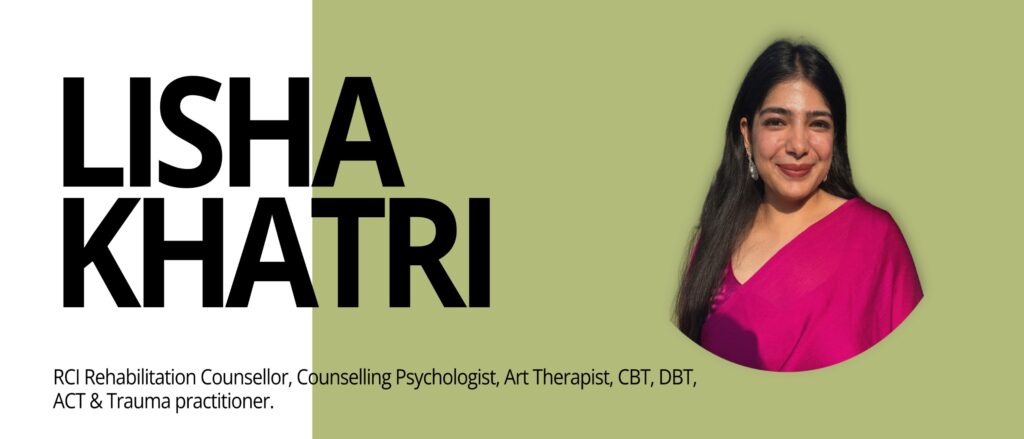
KNOW YOUR TRAINER

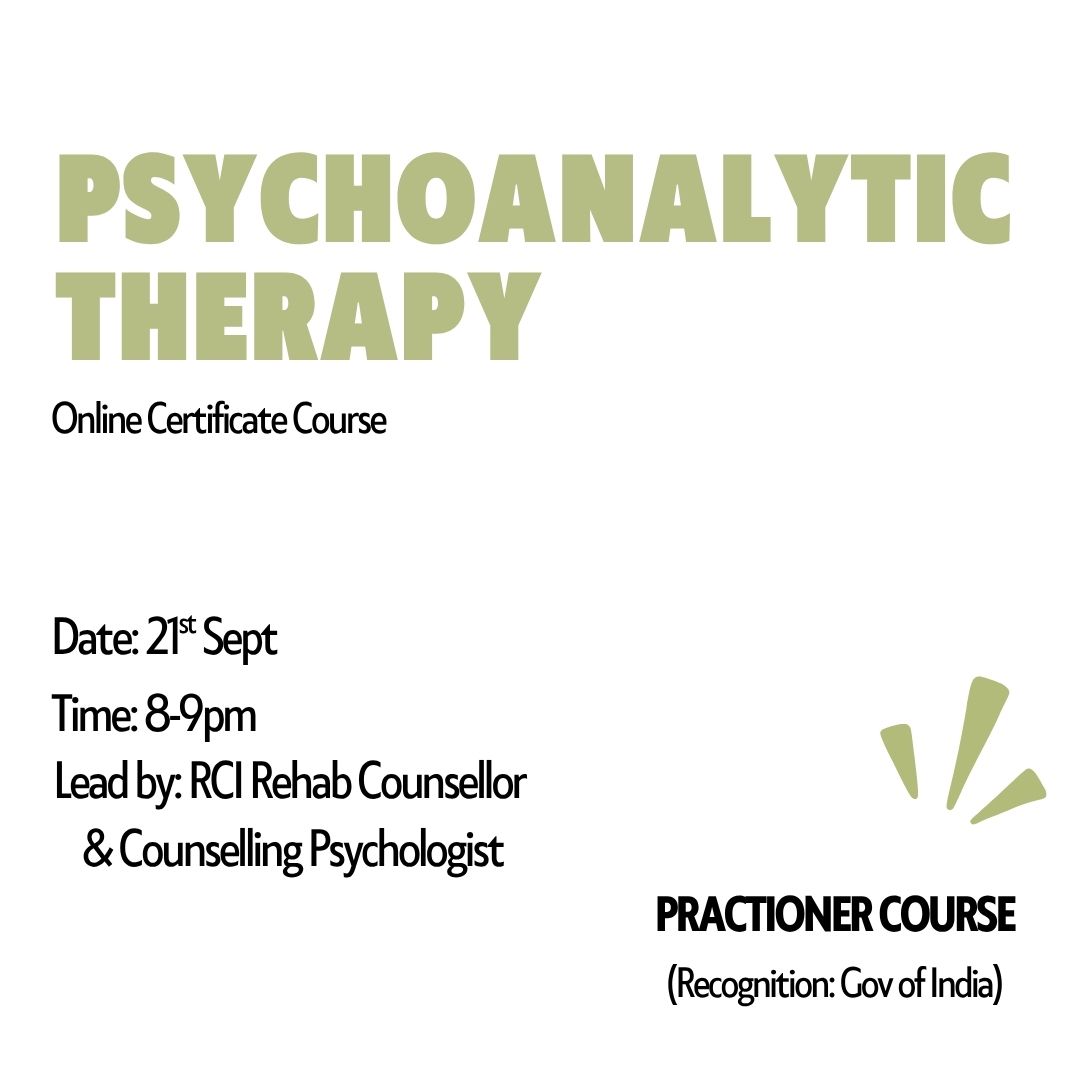
 Time- 8pm to 9pm
 Starts- 21st Sept to 2nd Nov
 Access to recording for 3 month