
Supervision in Psychology Training: Why It Matters

Supervision in Psychology Training: Why It Matters Learn why supervision is crucial in building confidence as a budding psychologist. Introduction Supervision is one of the most essential yet often underestimated pillars of psychology training. While classroom education provides the theoretical foundation for understanding human behavior, and internships expose students to real-world challenges, it is supervision that truly bridges the gap between learning and practice. In psychology, where professionals work closely with people’s emotions, thoughts, and vulnerabilities, proper guidance from experienced mentors is not optional, it is fundamental to ethical and effective practice. In India, as psychology gains growing recognition as a legitimate and essential discipline, the need for structured and qualified supervision has become increasingly clear. Many psychology students complete internships or therapy training programs but struggle to transition into independent practice because they lack supervised experience. Without this critical step, knowledge remains academic, and practical competence remains underdeveloped. Supervision provides that missing link. It creates a safe learning environment where students and early-career therapists can apply their skills, receive constructive feedback, reflect on their personal responses, and grow both professionally and personally. Institutions like PsyQuench have recognized this gap and built robust supervision frameworks into their training models. Through continuous feedback, case discussions, and mentor guidance, PsyQuench ensures that trainees not only gain technical skills but also the confidence and ethical awareness necessary for real-world therapy work. This article explores in detail why supervision is central to psychology training, how it impacts skill development, ethical competence, and client outcomes, and what aspiring psychologists in India should look for when choosing a supervised training program. Understanding the Concept of Supervision in Psychology Supervision in psychology refers to a structured, collaborative relationship between a qualified professional (the supervisor) and a trainee (the supervisee), designed to enhance the trainee’s clinical, counseling, or assessment skills. It is not just about oversight, it is about mentorship, reflection, and professional development. The purpose of supervision is multifold. It ensures that the trainee practices within ethical and professional boundaries, that clients receive competent care, and that the trainee continues to grow through feedback and self-evaluation. The supervisor’s role is not merely to correct mistakes but to foster a deeper understanding of how therapeutic relationships work, how to handle complex emotions, and how to refine one’s professional identity. In structured programs like those offered at PsyQuench, supervision involves both individual and group sessions. Trainees discuss their cases, reflect on their emotional responses, and receive practical advice on improving therapeutic technique. This process helps them integrate theory with practice, learning not just what to do, but why it matters. Globally, supervision is considered a core element of psychology training. According to the American Psychological Association (APA), supervision should be a continuous and systematic process designed to ensure quality client care while developing the supervisee’s professional skills. This model is equally relevant in India, where growing demand for qualified mental health professionals requires stronger emphasis on supervised learning and ethical competence. For more on international supervision standards, you can explore the American Psychological Association. Why Supervision Is Critical in Psychology Training Supervision is what differentiates professional training from informal learning. In psychology, mistakes can have lasting effects—not just on the client’s well-being but also on the trainee’s confidence and career trajectory. Supervision minimizes these risks by creating a safety net where trainees can experiment, learn, and grow without fear of irreversible consequences. First and foremost, supervision ensures ethical safety. Trainees are often enthusiastic and empathetic but may lack experience in dealing with complex client issues such as trauma, self-harm, or transference. A qualified supervisor helps them recognize their boundaries, follow professional ethics, and apply intervention strategies appropriately. This ethical grounding builds trust in the therapeutic process and safeguards clients’ welfare. Second, supervision builds clinical competence. Learning how to conduct sessions, interpret assessments, and manage client resistance requires nuanced understanding. Supervisors provide live feedback, helping trainees identify what worked, what did not, and how to adjust in future sessions. Over time, this process enhances both technical precision and intuitive sensitivity. Third, supervision supports emotional resilience. Working in therapy can be emotionally demanding. Students often carry the weight of their clients’ stories and may experience burnout or self-doubt. A supportive supervisor helps them process these feelings, maintain professional boundaries, and develop strategies for self-care. Lastly, supervision cultivates professional identity. It allows trainees to discover their therapeutic style, reflect on personal biases, and understand how their values influence their work. Through regular discussions and guided reflection, supervision transforms students into self-aware, competent practitioners. The Role of the Supervisor The supervisor in psychology training plays multiple roles—mentor, evaluator, teacher, and sometimes counselor. Their primary responsibility is to ensure that the supervisee develops both the skills and the mindset required for responsible professional practice. A good supervisor does more than correct mistakes. They model professional behavior, share personal insights from their own practice, and encourage critical thinking. They foster a balance between guidance and autonomy, allowing the trainee to make decisions while ensuring that those decisions remain ethically sound. At PsyQuench, supervision is treated as a collaborative journey. Supervisors encourage open discussion of challenges, doubts, and even failures. This nonjudgmental environment builds trust, which is crucial for learning. Trainees are encouraged to discuss not just client progress but also their own emotional reactions to sessions—a process known as “self-reflection,” which lies at the heart of effective therapy training. Supervisors also act as evaluators. They assess progress through session notes, case presentations, and reflective journals. This continuous evaluation ensures that trainees not only gain experience but also develop measurable competencies across areas like empathy, communication, ethical awareness, and intervention planning. The Role of Supervision in Building Confidence Confidence in therapy comes from competence, and competence is built through guided practice. Supervision provides the platform for this growth. By discussing cases, receiving feedback, and observing best practices, trainees gradually gain the assurance that they can handle real clients effectively. One of the most common challenges faced by psychology students in India is self-doubt. Even after
Course + Counselling: PsyQuench’s Complete Mental Health Ecosystem

Course + Counselling: PsyQuench’s Complete Mental Health Ecosystem Discover how PsyQuench combines counselling services and psychology education across India’s major cities, building an integrated ecosystem for mental health and professional growth. Introduction Mental health awareness in India has grown significantly over the past decade, yet accessibility to professional support and education continues to remain a challenge. Many individuals searching for therapy often struggle with finding the right counsellor, while psychology students and professionals face gaps in practical training and applied learning. This is where PsyQuench steps in with a unique model — building an ecosystem that integrates counselling services with psychology education and courses. Whether you are an individual seeking emotional support, a student aspiring to enter the mental health field, or a professional wanting to expand your skills, PsyQuench provides a complete platform that bridges therapy and education. In this blog, we’ll explore how PsyQuench has created this ecosystem across Indian cities, what it offers, and why it’s transforming how mental health is understood and accessed in the country. Why an Integrated Mental Health Ecosystem Matters Most platforms either provide counselling services or focus solely on psychology education. However, mental health in India requires a dual approach: By combining these two, PsyQuench ensures that therapy is not just a standalone service, but part of a larger support and learning environment. This integrated model means: Counselling Services by PsyQuench 1. Individual Counselling PsyQuench offers personalized one-on-one counselling sessions tailored to each client’s needs, whether it’s anxiety, depression, grief, relationship struggles, or stress management. Each session is designed to provide a safe and confidential space where individuals feel heard and supported. 2. Student Counselling With increasing academic pressure in India, especially in cities like Mumbai, Delhi, and Bangalore, PsyQuench has created specialized student counselling programs. These focus on exam stress, career confusion, and emotional well-being for both school and college students. 3. Relationship & Family Counselling Urban life often brings challenges in relationships and family dynamics. PsyQuench offers family therapy and couples counselling, helping clients navigate conflicts, communication gaps, and emotional distance. 4. Specialized Grief and Trauma Therapy For those experiencing hidden losses or trauma, PsyQuench provides grief therapy and trauma-focused sessions. This area is often overlooked in India, but with rising awareness, more individuals are seeking this support. Learn more about PsyQuench counselling services: Explore PsyQuench Counselling Courses and Psychology Education Parallel to therapy services, PsyQuench offers certificate courses, internships, and workshops that help students and professionals build their psychology knowledge and counselling skills. 1. Certificate Courses From CBT (Cognitive Behavioral Therapy) to Existential Therapy and Narrative Therapy, PsyQuench provides structured courses designed by experts. These courses are ideal for students pursuing psychology or professionals looking to specialize. 2. Projective Tests & Clinical Skills Training PsyQuench also conducts practical training in projective tests like RIBT and TAT, giving psychology students the hands-on experience often missing in academic programs. 3. Internships Internships with PsyQuench bridge the gap between theory and practice. Interns gain exposure to client cases under supervision, group discussions, and reflective learning. Explore upcoming psychology courses: PsyQuench Courses City-Specific Reach of PsyQuench Mental health needs in India vary across regions. PsyQuench has developed an approach that resonates with urban, semi-urban, and student-heavy cities. Mumbai In a city known for its fast-paced lifestyle, work stress, and academic competition, PsyQuench offers stress management counselling and courses in family therapy and counselling psychology. Delhi With its large student population, Delhi is a hub for exam stress counselling and student-oriented internships. PsyQuench has customized student wellness programs for this audience. Bangalore Known as India’s tech hub, Bangalore faces workplace burnout and relationship stress. PsyQuench caters with specialized services for young professionals while also offering career-focused psychology training. Pune & Hyderabad These cities, home to thousands of students, have seen high demand for student therapy sessions and internships in counselling psychology. By tailoring services city-wise, PsyQuench ensures that its ecosystem meets local needs while maintaining a global standard. The PsyQuench Difference External Perspective: Why Education + Counselling Works According to the American Psychological Association (APA), therapists who engage in continuous learning show higher effectiveness in treatment outcomes. Similarly, studies highlight that mental health literacy in India is still developing, and combining therapy with education ensures both awareness and application. Read more about the importance of integrating therapy and education: APA – Continuing Education in Psychology Summary PsyQuench is more than just a therapy service provider or an education platform. It’s a complete ecosystem that integrates counselling with psychology education, making mental health accessible, practical, and sustainable across Indian cities. Whether you are a client seeking healing, a student building your career, or a professional wanting to expand skills, PsyQuench provides a supportive and enriching environment. Conclusion Mental health in India is evolving, but challenges of access, awareness, and quality remain. By creating a city-specific, dual support system, PsyQuench is bridging the gap between therapy and education. Clients benefit from updated counsellors, students receive real-world learning, and professionals gain expertise to serve better. In a country where mental health stigma still lingers, PsyQuench is building a future where counselling and education walk hand-in-hand. Be part of the change — Explore PsyQuench today. FAQs 1. What makes PsyQuench unique compared to other therapy services in India?PsyQuench combines counselling and psychology courses, creating a one-stop ecosystem for both personal healing and professional growth. 2. Do PsyQuench courses provide certificates?Yes, all certificate courses and internships come with completion certificates, provided attendance and task requirements are met. 3. Can I access PsyQuench services online if I am not in a metro city?Yes, PsyQuench counselling services and most courses are available online, ensuring accessibility across India. 4. Is therapy at PsyQuench affordable?PsyQuench offers flexible plans for students, professionals, and individuals, making therapy and courses affordable without compromising quality. 5. How do I know which course or counselling service is right for me?You can explore course details on the PsyQuench Courses Page or connect with a counsellor for personalized guidance.
From Intern to Therapist: A PsyQuench Student’s Success Story
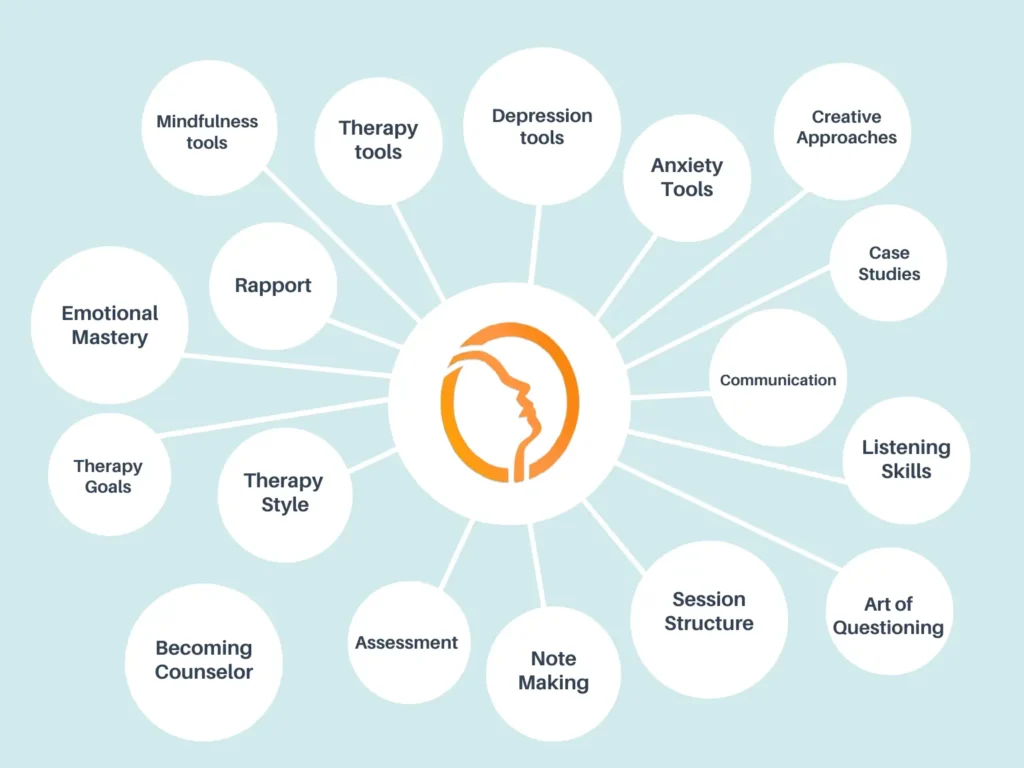
From Intern to Therapist: A PsyQuench Student’s Success Story See how PsyQuench’s hands-on internship helped one student land clients and confidence. Every journey into mental health practice starts with a first session, a first client, and that first real feeling of “I can do this.” For many psychology students across India, that first step can be the hardest. But guided mentorship, real client exposure, and a supportive learning space can transform an anxious intern into a confident therapist.At PsyQuench, our internship program isn’t just about observing sessions, it’s about doing, reflecting, and growing. Today, we share a real therapist success story from our program: how one student went from classroom theories to real client conversations, and discovered her path as a professional. Meet Komal: From Classroom to Clinical Confidence Komal, a postgraduate psychology student, always dreamed of becoming a therapist. Yet like many students, she felt nervous about moving from theory to practice. “I’d read case studies and memorized models, but the thought of sitting with an actual client terrified me,” she shared.When she found PsyQuench’s psychology internship India, she hoped for exposure. What she didn’t expect was transformation. Hands-On Learning, Not Just Observation At PsyQuench, Koaml didn’t just watch from the corner of the room. Instead, her internship included: These experiences turned abstract theories into living skills, helping Komal understand how to listen deeply, respond empathetically, and structure sessions. Also Read: A Day in the Life of a PsyQuench Clinical Intern – psychology Facing the First Client: Overcoming Fear When Komal first assisted in a real client session, she worried: “What if I say the wrong thing?” But her mentor encouraged her to see mistakes not as failures, but as learning. Slowly, Komal realized therapy isn’t about perfect words, but about presence, trust, and compassion. “After that first session, I wasn’t less nervous, but I was braver,” she recalled. This shift is what many interns at PsyQuench describe: moving from fear of mistakes to curiosity about clients’ stories. Learning Beyond Technique: Self-Reflection & Growth A key part of the psychology internship India at PsyQuench is self-reflection. Through supervision, journaling, and group discussions, Riya: This process helped her feel grounded, especially during challenging client conversations. Building Client Trust and Real-World Confidence After weeks of training and supervised practice, Komal began to see real change, not just in clients, but in herself: Komal’s story isn’t unique at PsyQuench, but it shows why hands-on exposure matters so deeply. Books teach theory, but only practice teaches presence. Why Real-World Exposure Matters Many psychology students graduate with knowledge, but feel lost when it’s time to see clients. At PsyQuench, internships bridge this gap by offering: These are skills employers and clients value, and what turns a student into a professional. What Makes PsyQuench’s Internship Unique This isn’t about passive observation, it’s about becoming part of the therapeutic process. Komal Today: From Intern to Therapist After completing her internship, Komal began offering part-time counseling sessions under supervision, and now works as an associate therapist. “Clients trust me, not because I’m perfect, but because I’m present,” she says. For her, PsyQuench’s internship was more than a line on her CV, it was the start of a lifelong vocation. Summary The journey from student to therapist isn’t just about degrees—it’s about real conversations, supported practice, and growth through mentorship. Riya’s therapist success story shows how PsyQuench’s psychology internship India helps students transform fear into confidence, and theory into compassionate practice. Conclusion At PsyQuench, we know that every great therapist starts as a nervous intern. What makes the difference isn’t just knowledge, but guided exposure, honest reflection, and supportive mentors. If you’re ready to step beyond books and into real-world practice, our internship could be your turning point, from student to therapist. Ready to start your own success story? Enroll in our internship and get real-world client exposure, mentorship, and the confidence to begin your professional journey. FAQs Q1: Is the internship only for postgraduate students?Mostly, but motivated undergraduates in final years can apply, especially those with some counseling coursework. Q2: Are internships in-person or online?We offer both, so students from across India can join. Q3: Will I interact with real clients?Yes, with consent and always under supervision. Q4: How long is the internship?Typically 8–12 weeks, designed to balance study or work schedules. Q5: Do I get a certificate?Yes! Upon successful completion, you’ll receive a recognized certificate from PsyQuench. Q6: Can this help me get jobs or private practice later?Definitely—practical experience is highly valued by employers and essential if you plan to see clients.


