
Social Anxiety in Indian Youth: Understanding the Rising Fear of Social Evaluation
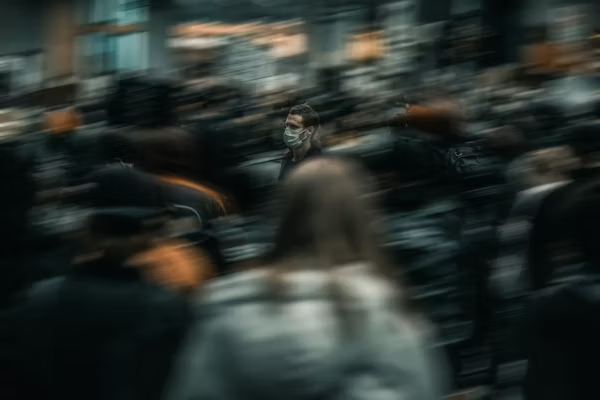
Social Anxiety in Indian Youth: Understanding the Rising Fear of Social Evaluation Growing discussions around social anxiety India, concerns related to youth mental health India, and the increasing demand for confidence therapy reflect a silent struggle faced by many young people today. Indian youth are navigating intense academic pressure, social comparison, performance expectations, and constant digital visibility, all while being expected to appear confident and socially capable. For many, everyday interactions speaking in class, attending social events, interviews, or even online communication trigger overwhelming fear of judgment or embarrassment. As a result, social anxiety has emerged as one of the most common yet misunderstood mental health challenges affecting Indian adolescents and young adults. Understanding Social Anxiety from a Psychological Perspective What Is Social Anxiety? Social anxiety is a psychological condition characterised by an intense fear of being judged, criticised, or negatively evaluated in social or performance situations. It goes beyond shyness and involves persistent anxiety that interferes with daily functioning, relationships, and opportunities. Individuals with social anxiety often experience anticipatory anxiety, physical symptoms such as sweating or a racing heart, and avoidance of social situations. The fear is not of people themselves, but of perceived scrutiny and humiliation. A foundational explanation of social anxiety and social anxiety disorder can be explored here:https://en.wikipedia.org/wiki/Social_anxiety_disorder Why Social Anxiety Is Increasing Among Indian Youth Academic and Performance Pressure Indian students grow up in environments where performance is constantly evaluated—marks, ranks, presentations, interviews, and competitions. Mistakes are often highlighted more than effort, fostering fear of failure and judgment. Social Comparison and Digital Visibility Social media has blurred the line between public and private identity. Young people feel watched, evaluated, and compared at all times, increasing self-consciousness and fear of embarrassment. Cultural Emphasis on “What Will People Say?” Indian culture places strong emphasis on social approval and reputation. This reinforces hyper-awareness of others’ opinions, a core feature of social anxiety. An accessible explainer on social anxiety in the modern world can be viewed here:https://www.youtube.com/watch?v=YjJkzGZr8P8 How Social Anxiety Manifests in Indian Youth Fear of Speaking or Performing Students may avoid answering questions, giving presentations, or participating in group discussions despite knowing the content well. Avoidance of Social Situations College events, networking opportunities, and even casual gatherings may be skipped due to anxiety. Excessive Self-Criticism After social interactions, individuals often replay conversations and criticise themselves harshly. Physical Symptoms Sweating, trembling, blushing, nausea, and rapid heartbeat commonly accompany social anxiety. Psychological Impact of Untreated Social Anxiety Social anxiety is often misunderstood as shyness or introversion, but when left untreated, it can significantly shape a person’s identity, choices, and emotional wellbeing. Over time, avoidance becomes a lifestyle rather than a coping strategy, limiting personal growth and reinforcing distress. Low Self-Confidence and Self-Worth When social anxiety goes unaddressed, repeated avoidance of social interactions—speaking in class, initiating conversations, sharing opinions—gradually erodes self-confidence. Each avoided situation subtly reinforces the belief, “I can’t handle this” or “There is something wrong with me.” Over time, individuals begin to internalise anxiety-driven thoughts as facts. They may believe they are boring, unintelligent, awkward, or socially incompetent. This distorted self-image is not based on ability, but on fear. In the Indian context, where comparison, evaluation, and performance are emphasised from an early age, socially anxious individuals often measure their worth through others’ approval, making self-esteem extremely fragile and externally dependent. Academic and Career Limitations Social anxiety can quietly but powerfully restrict academic and professional growth. Fear of judgment may prevent students from asking questions, participating in discussions, or seeking clarification—even when they are capable and motivated. In higher education, this often translates into missed learning opportunities, lower visibility, and underestimation of one’s competence. Professionally, social anxiety may interfere with interviews, presentations, networking, teamwork, or leadership roles. Many individuals remain in roles below their potential simply to avoid evaluation or visibility. In competitive Indian academic and corporate environments, where assertiveness and communication are often rewarded, social anxiety can become a significant barrier to advancement, despite strong skills or intelligence. Isolation and Loneliness Avoidance of social situations may initially feel relieving, but over time it leads to emotional isolation. Socially anxious individuals often want connection but fear the vulnerability it requires. They may withdraw from friendships, avoid group activities, or decline invitations, leading to shrinking social circles. This isolation is particularly painful because it is self-imposed yet unwanted. Many individuals feel deeply lonely but believe they are “not meant” for connection. In collectivistic cultures like India, where belonging and social engagement are highly valued, this sense of disconnection can intensify feelings of being different, misunderstood, or left behind. Depression and Emotional Exhaustion Living with constant fear of judgment is emotionally exhausting. The ongoing mental effort of monitoring one’s behaviour, rehearsing conversations, anticipating criticism, and replaying social interactions can lead to chronic stress. Over time, this emotional burden often contributes to depressive symptoms such as hopelessness, low mood, fatigue, and loss of interest. Persistent self-criticism—“Why can’t I be normal?”—further deepens emotional pain. Without intervention, social anxiety and depression can become mutually reinforcing, significantly affecting quality of life. Case Scenario: A Common Youth Experience Ananya, a 20-year-old undergraduate student, performs well academically and consistently scores high on exams. However, she avoids raising her hand in class, even when she knows the answer. She worries that her voice might shake, that she might say something wrong, or that classmates will judge her intelligence. Before presentations, Ananya experiences intense anxiety nausea, racing thoughts, sleeplessness, and a strong urge to escape. Over time, she begins to doubt her abilities and assumes others are more confident and capable. She avoids leadership roles and extracurricular activities, reinforcing the belief that she is “not confident enough.” In therapy, Ananya learns that her anxiety is not evidence of incompetence but a learned fear response rooted in perfectionism and fear of negative evaluation. Understanding this distinction helps her slowly rebuild confidence and challenge long-standing self-doubt. How Confidence Therapy Helps Social Anxiety Understanding Fear Patterns Therapy helps individuals identify automatic thoughts such as “Everyone is judging me,” “I will embarrass
Body Image Issues in Indian Youth

Body Image Issues in Indian Youth Body image issues in Indian youth have intensified in recent years, shaped by social media, unrealistic beauty standards, and constant comparison. Conversations around body image India, self esteem India, and youth mental health are becoming increasingly urgent as adolescents and young adults report dissatisfaction with their appearance, low confidence, and emotional distress. From fairness ideals and body size expectations to filtered images and influencer culture, young people are exposed to powerful messages about how they should look. These pressures often lead to shame, anxiety, disordered eating, and withdrawal. Body image struggles are not superficial concerns, they are deeply connected to mental health, identity, and self-worth. Understanding their impact is essential for early intervention and emotional resilience. What Are Body Image Issues? Body image refers to how a person perceives, thinks, and feels about their physical appearance. According to the Wikipedia page on body image, negative body image involves dissatisfaction, distress, and distorted perceptions of one’s body: https://en.wikipedia.org/wiki/Body_image. In India, body image concerns often intersect with cultural ideals around skin colour, weight, gender norms, and social acceptance, making them particularly complex. Why Body Image Issues Are Rising Among Indian Youth 1. Social Media and Comparison Culture Platforms like Instagram and Snapchat promote idealised, edited images that create unrealistic appearance standards. 2. Cultural Beauty Norms Fairness, thinness, and specific body types are often glorified, leading to internalised shame. 3. Peer Pressure and Bullying Appearance-based teasing and comparison significantly affect self-esteem during adolescence. 4. Academic and Social Stress High achievement pressure combined with identity formation challenges increases vulnerability. Signs of Body Image and Self-Esteem Issues Warning signs include constant appearance checking, avoiding social situations, negative self-talk, extreme dieting, or compulsive exercise. Emotional symptoms may include shame, anxiety, and low mood. Left unaddressed, body image concerns can contribute to depression, anxiety, and eating disorders. Impact on Youth Mental Health Poor body image is strongly linked to low self-esteem, social withdrawal, and emotional distress. It affects confidence, relationships, academic engagement, and overall quality of life. Understanding Body Image Through Video This YouTube video explains how social media affects body image and self-esteem in young people: https://www.youtube.com/watch?v=EJg2Y0Y1JmY. How Counselling Supports Body Image and Self-Esteem 1. Challenging Negative Self-Beliefs Therapy helps youth identify and challenge harsh self-judgments. 2. Building Self-Compassion Counselling encourages kinder, more accepting relationships with one’s body. 3. Reducing Social Comparison Therapists support healthier social media use and boundary-setting. 4. Strengthening Identity and Confidence Counselling focuses on self-worth beyond appearance. PsyQuench offers confidence-building counselling and youth-focused mental health support to address body image and self-esteem concerns. In addition to PsyQuench, platforms such as BetterLYF (https://www.betterlyf.com), Amaha (https://www.amahahealth.com), MindPeers (https://www.mindpeers.co), Manochikitsa (https://manochikitsa.com), and YourDOST (https://yourdost.com) offer youth mental health support. Summary Body image issues among Indian youth are increasingly influenced by social media, unrealistic beauty standards, and constant comparison. Cultural ideals around skin colour, body size, and appearance often lead young people to develop low self-esteem, shame, and dissatisfaction with their bodies. These concerns can affect confidence, relationships, academic engagement, and overall mental health, sometimes contributing to anxiety, depression, and disordered eating patterns. Body image struggles are not superficial issues, they are closely tied to identity and emotional well-being. With awareness, supportive conversations, and professional counselling, young people can build self-acceptance, confidence, and a healthier relationship with their bodies. Conclusion Body image issues in Indian youth are deeply influenced by cultural and digital pressures, but they are not inevitable or permanent. With awareness, supportive conversations, and professional counselling, young people can build healthier self-esteem and emotional resilience. Seeking help is an empowering step toward self-acceptance. Book a confidence-building counselling session. Frequently Asked Questions (FAQs) 1. How common are body image issues among Indian youth? They are increasingly common, especially among adolescents and young adults exposed to social media. 2. Can counselling help with low self-esteem? Yes. Counselling helps individuals develop self-compassion and confidence. PsyQuench offers specialised support for self-esteem concerns. 3. Are body image issues linked to mental health disorders? Yes. They are associated with anxiety, depression, and eating disorders. 4. How does social media affect body image? It promotes unrealistic standards and constant comparison, which can harm self-worth. 5. When should someone seek help? If body image concerns affect daily functioning, relationships, or mood, professional support is recommended. 6. Is this only a teenage issue? No. Body image concerns can affect individuals across age groups. 7. How can PsyQuench support youth mental health? PsyQuench provides counselling focused on confidence-building, emotional regulation, and healthy self-image.


