Description
Eligibility
Anyone interested in learning about Trauma Care, Suicide Intervention, Psychology Students, Counsellors, Psychologists, Psychiatrists, Social Workers, Students, Educators, PhD Scholars, Principals and Teachers.
What is Art & Play Therapy?
Art Therapy is a therapeutic approach that uses creative activities such as drawing, painting, coloring, sculpting, and visual expression to help individuals explore emotions, reduce stress, improve self-awareness, and communicate experiences that may be difficult to express through words. It is commonly used with children, adolescents, adults, and trauma survivors to support emotional healing and psychological well-being.
Play Therapy is a form of therapy primarily used with children where play becomes a way to express thoughts, feelings, fears, and experiences. Through toys, games, storytelling, role-play, and creative activities, children are able to communicate emotions and process difficulties in a safe and supportive environment. Play therapy helps improve emotional regulation, behavior, social skills, and coping abilities.
PROCESS OF REGISTRATION

SYLLABUS
Module 1 – Foundations of Art Therapy
- Introduction to Art Therapy
- History and principles of Art Therapy
- Therapeutic use of creativity
- Art as a medium for emotional expression
- Building safety and rapport through creative processes
- Role of the therapist in art-based interventions
|
Module 2 – Art Materials and Therapeutic Techniques
- Understanding and use of therapeutic art materials
- Mandala-based interventions
- Scribble art techniques
- Collage work for emotional processing
- Clay work for grounding and expression
- Therapeutic journaling and reflective exercises
|
Module 3 – Art Therapy for Emotional Well-being
- Art therapy for stress and anxiety management
- Emotional regulation through creative expression
- Self-awareness and identity-based activities
- Grounding techniques using art
- Mindfulness-based art interventions
- Processing difficult emotions through symbolic representation
|
Module 4 – Art Therapy for Children and Adolescents
- Developmentally appropriate creative interventions
- Emotional expression in children through art
- Self-esteem and identity-building activities
- Art-based communication techniques
- Emotional growth and resilience through creativity
- Creative assessment activities for children and adolescents
|
Module 5 – Art Therapy for Relationships and Healing
- Couples and family art therapy interventions
- Enhancing communication through creativity
- Relationship mapping and emotional exploration through art
- Grief processing and healing-based art activities
- Art for trauma-informed emotional support
- Collaborative creative exercises for connection and repair
|
Module 6 – Foundations of Play Therapy
- Introduction to Play Therapy
- Principles and therapeutic foundations
- Developmental significance of play
- Understanding children’s emotions and behavior through play
- Therapeutic relationship building with children
- Role of the therapist in play-based interventions
|
Module 7 – Play Therapy Techniques and Interventions
- Directive and non-directive play therapy approaches
- Storytelling as a therapeutic tool
- Puppet-based interventions
- Sand play techniques
- Role-play and imaginative play
- Therapeutic games for emotional expression and skill-building
- Structuring and facilitating play therapy sessions
|
Module 8 – Play Therapy for Emotional and Behavioral Concerns
- Play-based interventions for anxiety and stress
- Anger management and emotional dysregulation
- Behavioral concerns and emotional communication
- Building coping skills through play
- Emotional identification and expression activities
- Supporting resilience and problem-solving in children
|
Module 9 – Family Work and Parent Involvement in Play Therapy
- Understanding family-related concerns in child therapy
- Emotional expression and attachment through play
- Working collaboratively with parents and caregivers
- Parent psychoeducation basics
- Strengthening parent-child communication
- Home-based therapeutic play activities and support strategies
|
Module 10 – Ethics, Limitations and Integrative Approaches
- Ethical considerations in Art and Play Therapy
- Professional boundaries and therapeutic safety
- Scope and limitations of creative therapies
- Cultural sensitivity in therapeutic work
- Integrating Art Therapy and Play Therapy approaches
- Referral considerations and multidisciplinary collaboration
|
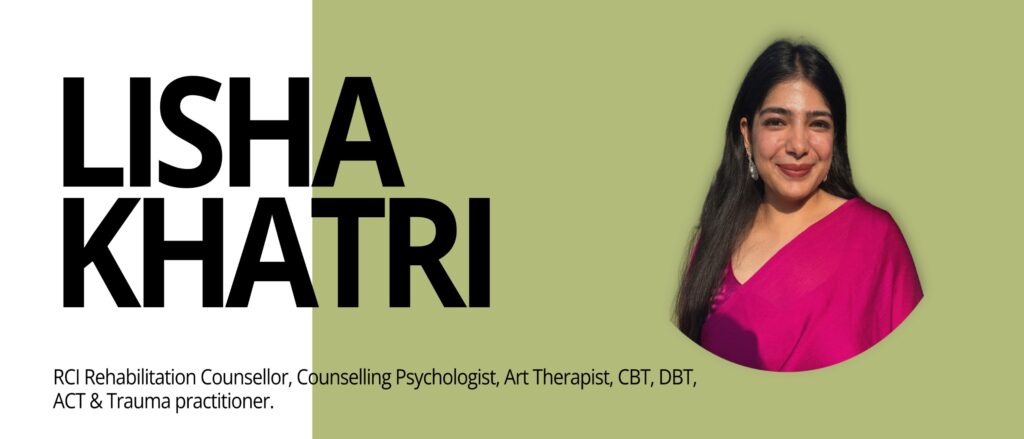
KNOW YOUR TRAINER

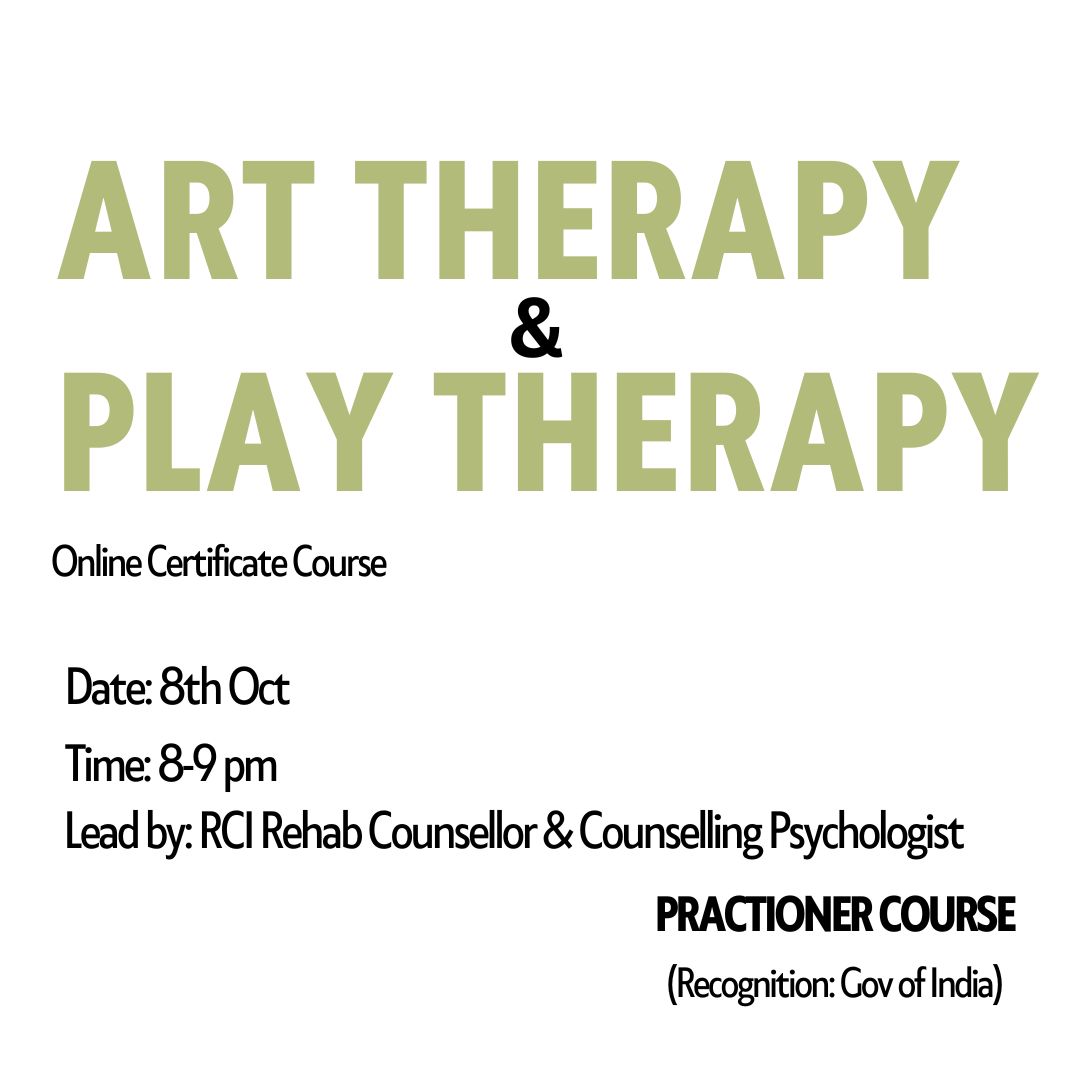
 Time- 7-8pm
 Duration- 1 months (Tue-Thurs-Sat))
 Starts- 8th October to 30th November
 Access to recording for 3 month