
Trauma and PTSD: Role of Counselling in Healing
Trauma is an emotional response to distressing or overwhelming experiences that exceed a person’s ability to cope at the time. These experiences can include accidents, loss, abuse, violence, medical emergencies, or prolonged stress. While many individuals gradually recover from difficult experiences, some continue to experience emotional distress long after the event has passed. This ongoing impact may develop into post-traumatic stress disorder or other trauma-related difficulties. In such cases, trauma counselling services play a crucial role in supporting recovery and emotional healing.
Trauma can affect how individuals think, feel, and respond to everyday situations. It can influence relationships, self-esteem, and physical health. People may experience intrusive memories, emotional numbness, anxiety, or sleep disturbances. Understanding trauma and seeking timely support through trauma counselling services can help individuals process their experiences, develop coping strategies, and rebuild a sense of safety.
To understand trauma and PTSD more clearly, you can watch this educational overview: Post Traumatic Stress Disorder (PTSD) Explained
This guide explores trauma, PTSD symptoms, and how counselling supports recovery and long-term emotional well-being.
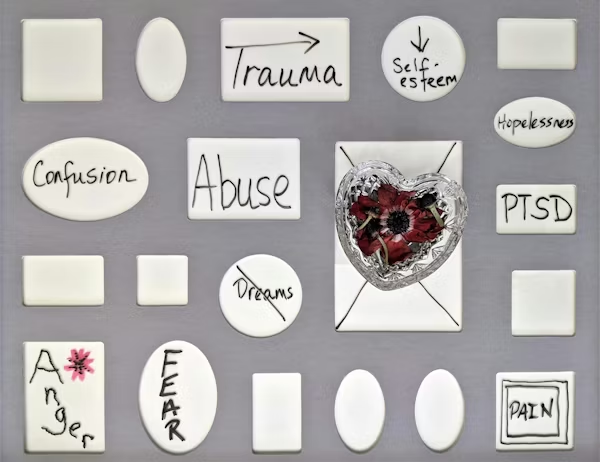
What Is Trauma?
Trauma refers to the emotional and psychological impact of distressing events. It is not only the event itself but how the individual experiences and processes it. Two people may go through similar events but respond differently based on their coping resources, support systems, and past experiences.
Trauma can lead to symptoms such as intrusive memories, avoidance, and heightened arousal. These symptoms may persist for months or years if not addressed.
Trauma counselling services focus on helping individuals process these experiences in a safe and supportive environment. Counselling helps reduce distress and build resilience over time.
Understanding PTSD
Post-traumatic stress disorder is a condition that may develop after experiencing or witnessing traumatic events. Symptoms often include intrusive memories, nightmares, emotional numbness, and hypervigilance. Individuals may avoid reminders of the trauma or feel constantly on edge.
PTSD can affect daily functioning, relationships, and physical health. It may also coexist with depression or anxiety. Recognizing these symptoms early and seeking trauma counselling services can support recovery and reduce long-term impact.
Symptoms of Trauma and PTSD
Trauma and PTSD symptoms can be emotional, cognitive, and physical. Emotional symptoms include fear, anger, sadness, and emotional numbness. Cognitive symptoms may involve intrusive thoughts, flashbacks, or difficulty concentrating.
Physical symptoms can include sleep disturbances, fatigue, and heightened startle responses. Some individuals experience dissociation or feel disconnected from their surroundings.
These symptoms can interfere with work, relationships, and daily activities. Trauma counselling services help individuals understand these reactions and develop coping strategies.
Also Read: Post-traumatic stress disorder – Wikipedia
Causes and Risk Factors
Trauma can result from various experiences, including accidents, abuse, loss, or prolonged stress. Risk factors for developing PTSD include the severity of the event, lack of support, and previous trauma history.
Biological factors such as genetics and brain chemistry may also influence vulnerability. Understanding these factors helps individuals recognize that trauma responses are not a sign of weakness.
Trauma counselling services help individuals explore these influences and understand how their experiences shape emotional responses.
The Connection Between Trauma and Depression
Trauma and depression often occur together. Persistent distress and emotional exhaustion can lead to feelings of hopelessness and low mood. Individuals may struggle with motivation or self-worth.
Addressing both trauma and depressive symptoms is important for recovery. Counselling often integrates approaches that support emotional processing and mood regulation.
Counselling Approaches for Trauma and PTSD
Several therapy approaches are effective in treating trauma and PTSD. Trauma-focused cognitive behavioral therapy helps individuals process traumatic memories and develop coping strategies. Eye movement desensitization and reprocessing is another approach that helps reduce distress associated with traumatic memories.
Counselling also focuses on emotional regulation and grounding techniques. Mindfulness and relaxation strategies help individuals manage anxiety and physical tension.
Trauma counselling services emphasize safety and pacing. Therapy progresses gradually to ensure individuals feel supported and not overwhelmed.
Online Trauma Counselling
Online therapy has made trauma counselling services more accessible. Many individuals feel more comfortable discussing their experiences from home. Online sessions provide flexibility and privacy.
Platforms like Dhairyada offer structured support tailored to trauma recovery. Sessions focus on emotional processing, coping strategies, and building resilience.
Online counselling allows consistent support and can be especially helpful for individuals who feel anxious about in-person sessions.
Supporting Someone With Trauma
Supporting someone with trauma involves patience and understanding. Listening without judgment and encouraging professional help can make a difference. Avoid pressuring them to share details before they are ready.
Encouraging trauma counselling services can help individuals access structured support and develop coping strategies. Recovery often involves both personal and professional support systems.
Long-Term Healing and Recovery
Healing from trauma is a gradual process. Counselling helps individuals rebuild a sense of safety and trust. Over time, many people experience reduced symptoms and improved emotional regulation.
Recovery involves learning coping strategies, building supportive relationships, and maintaining self-care. Regular check-ins with a professional can support long-term well-being.
Summary
Trauma and PTSD can have lasting effects on emotional and physical health. Symptoms may include intrusive memories, anxiety, and emotional numbness. Understanding trauma and seeking support early can improve recovery outcomes.
Trauma counselling services provide structured support that helps individuals process experiences, manage symptoms, and rebuild resilience. With consistent therapy and support, many individuals experience significant improvement.
Conclusion
Trauma can feel overwhelming, but healing is possible. Recognizing the impact of traumatic experiences and seeking professional support are important steps toward recovery. Counselling provides practical tools and emotional support for managing symptoms and rebuilding well-being.
If you or someone you know is experiencing trauma-related distress, consider seeking professional help. With the right support, individuals can move toward healing and regain a sense of safety.
Explore supportive PsyQuench services to begin your journey toward healing and recovery.
Frequently Asked Questions (FAQs)
1. What are trauma counselling services and how do they help?
Trauma counselling services involve working with a trained professional to process distressing experiences and develop coping strategies. Therapy focuses on emotional regulation, understanding trauma responses, and rebuilding a sense of safety. Over time, counselling helps reduce distress and improve overall well-being.
2. Can PsyQuench services help individuals experiencing trauma or PTSD?
Yes. PsyQuench services provide structured counselling support tailored to trauma and PTSD. Sessions focus on emotional processing, coping strategies, and gradual recovery. Professionals create a safe and supportive environment for discussing experiences.
3. Are PsyQuench services suitable for individuals new to therapy?
Yes. PsyQuench services are designed to be accessible for individuals seeking counselling for the first time. Professionals guide clients through the process gently and at a comfortable pace.
4. How long does trauma counselling take to show results?
The duration varies depending on individual experiences and needs. Some people notice improvements within a few sessions, while others benefit from longer-term support. Consistency and trust in the therapeutic process are important.
5. Is online trauma counselling effective?
Yes. Online counselling can be effective for trauma recovery. It provides flexibility and allows individuals to access support from a comfortable environment. Structured sessions and coping strategies support gradual improvement.
6. Can trauma symptoms return after counselling?
Symptoms may resurface during stressful times, but counselling equips individuals with tools to manage them effectively. Ongoing self-care and occasional therapy sessions can support long-term resilience.
7. Do I need medication for PTSD treatment?
Some individuals benefit from medication alongside counselling, especially if symptoms are severe. A psychiatrist can evaluate whether medication is appropriate. Many people manage symptoms effectively through therapy alone.
8. When should I seek professional help for trauma?
You should consider seeking help if trauma symptoms interfere with daily life, relationships, or emotional well-being. Early support can prevent symptoms from worsening and support recovery.


