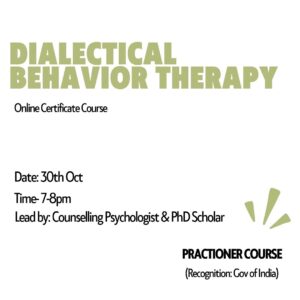
Description
Eligibility: For anyone aspiring to work in corporate settings: Psychology Students, Psychologists, HR Professionals, Managers, and PhD Scholars.
What is the Certified Corporate Counselling Practitioner (CCCP) course?
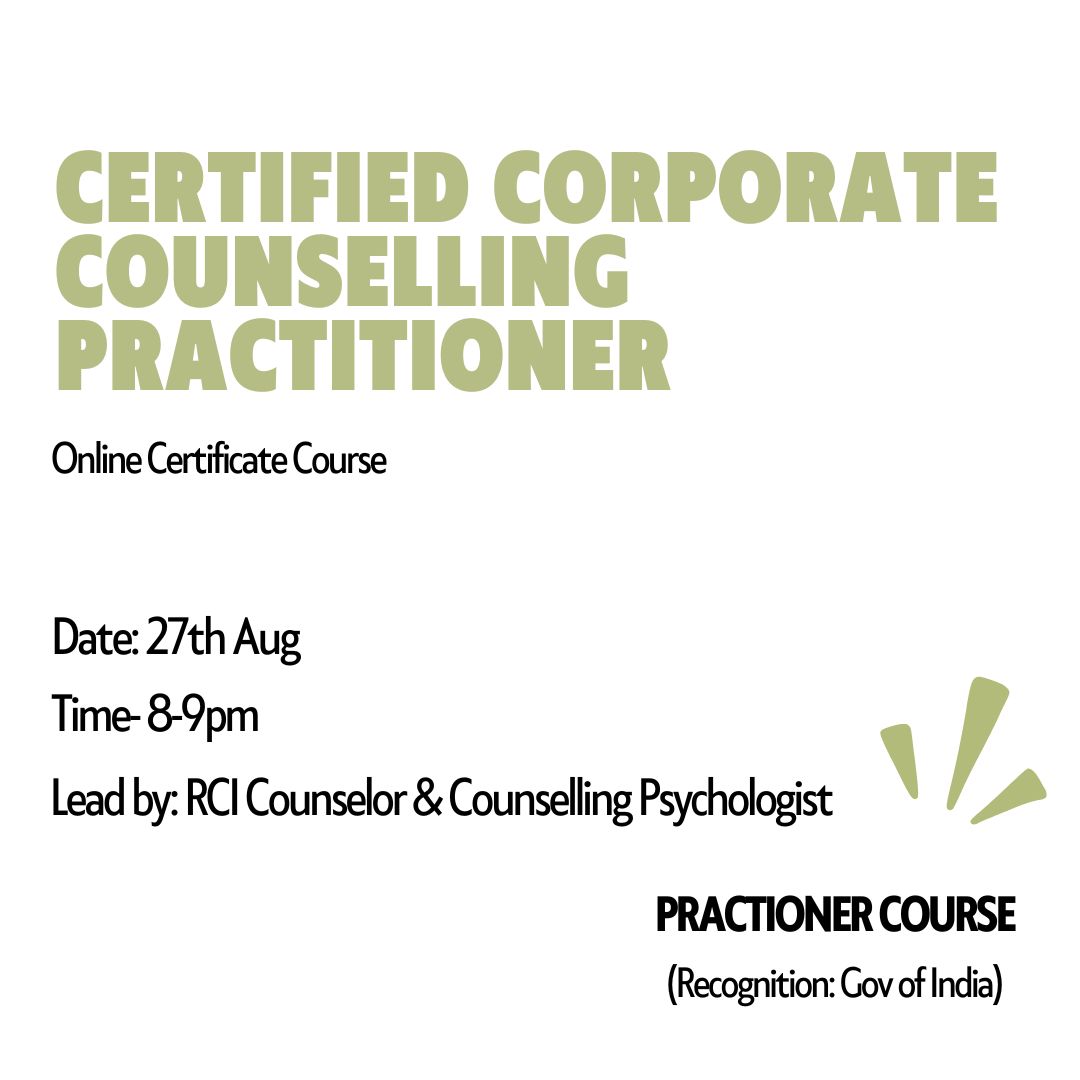
The Certified Corporate Counselling Practitioner (CCCP) is a one-month professional certification that trains psychology students, psychologists, HR professionals, managers, and researchers to provide workplace counselling. The course covers employee mental health, burnout, stress management, emotional intelligence, workplace conflict, Employee Assistance Programs (EAP), trauma-informed care, POSH, ethics, and counselling skills through live sessions and case discussions.
How Will This Course Benefit You ?
This course goes beyond theory to give you practical, real-world skills that are increasingly sought after in today’s workplaces. Whether you aspire to work in corporate mental health, HR, Employee Assistance Programs (EAPs), or workplace counselling, you’ll learn how to confidently handle common employee concerns such as stress, burnout, workplace conflict, emotional crises, and trauma using evidence-based approaches. By the end of the course, you’ll be better prepared to foster psychologically safe, inclusive, and supportive workplaces while enhancing your professional credibility and expanding your career opportunities in corporate mental health and workplace counselling.
Module 1 – Foundations of Workplace Counselling
- Introduction to Workplace Counselling
- Difference between HR, Counselors and Industrial-Organizational Psychology Professionals
- Importance of employee mental health in organizations
- Workplace well-being and emotional safety
- Motivation theories: Maslow’s Hierarchy of Needs, Herzberg’s Two-Factor Theory, McGregor’s Theory X and Theory Y
- Understanding motivation and workplace behavior
|
Module 2 – Workplace Stress, Burnout and Emotional Well-being
- Why do employees experience burnout and emotional exhaustion?
- Workplace stress and work-life imbalance
- Anxiety and emotional dysregulation at work
- Emotional fatigue and reduced productivity
- Workplace Issues Covered: Burnout Emotional Exhaustion Workplace Anxiety Work Overload Lack of Work-Life Balance
- Stress management techniques for workplace pressure and deadlines
- Self-care practices and maintaining work-life balance
- Healthy coping vs unhealthy coping patterns in workplace settings
- Grounding and relaxation techniques for anxiety and stress
- Building emotional resilience in professional environments
|
Module 3 – Communication and Emotional Intelligence in Workplaces
- Why do communication gaps create workplace conflict?
- Active listening and empathy skills
- Emotional Intelligence in workplace settings
- Building supportive professional interactions
- Assertive vs passive communication
|
Module 4 – Workplace Conflict and Toxic Work Environments
- Why do workplace conflicts escalate emotionally?
- Conflict resolution basics : Team dynamics and interpersonal challenges
- Difficult conversations and assertiveness
- Workplace Challenges Covered: Workplace bullying, Toxic work culture
|
Module 5 – Employee Motivation, Satisfaction and Retention
- Why do employees emotionally disconnect from organizations?
- Employee motivation and engagement
- Job satisfaction and workplace morale
- Why do employees leave organizations?
- Workplace culture and emotional well-being
- Psychological Factors Covered: Recognition Validation Belongingness Workplace appreciation Emotional safety
|
Module 6 – Counselling Skills and Employee Assistance Programs (EAP)
- Rapport building in workplace settings
- Supportive counselling techniques : Solution-focused approaches Psychoeducation and emotional support
- Introduction to Employee Assistance Programs
- Role of EAP in employee mental health
- Crisis support and referrals
- Referral and support systems in organizations
|
Module 7 – Trauma, Diversity, Crisis and Ethical Practice
- Trauma and grief in workplace settings
- Psychological safety at work Diversity, inclusion and workplace sensitivity
- Prevention of Sexual Harassment (POSH): Understanding the law, recognizing harassment, reporting mechanisms, bystander responsibility, and creating a respectful workplace
- Ethics, confidentiality and professional boundaries
- Workplace Concerns Covered: Workplace grief. Harassment, sensitivity. Emotional crisis situations. Confidentiality issues
|
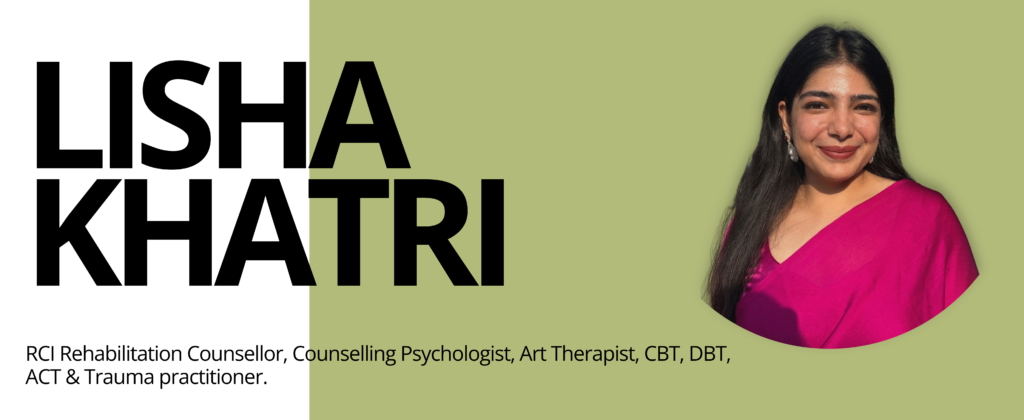
KNOW YOUR TRAINER

 Duration- 1 month
 Date- 27th Aug to 29th Sept
 Time- 8-9pm (Tue-Thurs-Sat)
 Mode- Google Meet
 Access to recording for 3 months